The Quiet Evolution: Why the Future of Electric Motorcycles Relies on Generational Shift Rather Than Conversion

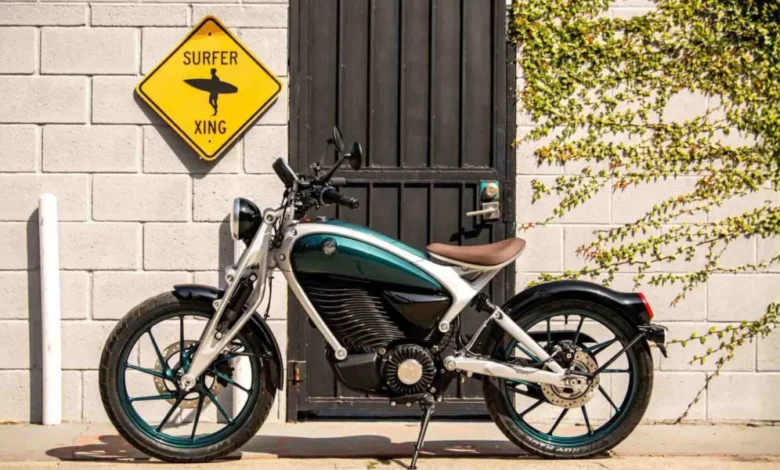
The global automotive and transportation sectors have long approached the electrification of two-wheeled vehicles with a singular, persistent strategy: replicate the performance, aesthetic, and emotional appeal of internal combustion engine (ICE) motorcycles, price them competitively, and wait for traditional riders to voluntarily transition. This conventional playbook mirrors the trajectory observed in the passenger electric vehicle (EV) market, where manufacturers focused heavily on matching or exceeding the capabilities of gasoline-powered cars to convince legacy consumers to switch. However, this approach fundamentally misunderstands the cultural and mechanical dynamics of motorcycling, particularly in Western markets such as the United States and Europe. Industry analysts, legacy manufacturers, and market observers are beginning to realize that the true pathway to electric motorcycle adoption does not lie in converting lifelong enthusiasts of combustion engines, but rather in capturing a rising generation of consumers who have never experienced gasoline as a primary means of propulsion.

To understand the current state of the electric motorcycle industry, it is essential to examine the historical missteps made by legacy manufacturers over the past decade. When Harley-Davidson introduced its pioneering LiveWire electric motorcycle in 2018, it broke industry convention by developing a high-performance EV long before most competitors took the technology seriously. Despite receiving critical acclaim for its instant torque, refined handling, and innovative engineering, the LiveWire struggled heavily with commercial sales. Two primary barriers hindered its widespread adoption: an exorbitant retail price point of approximately $30,000 and an immutable cultural preference among traditional riders for the sensory experience of a gasoline engine. For a significant portion of Western motorcyclists, the mechanical character of an ICE vehicle—defined by audible exhaust notes, engine vibrations, manual clutch work, and gear shifting—is not a series of engineering flaws to be eradicated, but rather the core appeal of the activity. Consequently, attempting to convince these purists to abandon combustion engines has proven to be a prolonged and largely ineffective commercial strategy, leading companies like Harley-Davidson to restructure their electric divisions, such as the creation of the LiveWire spinoff brand and the development of more targeted platforms like the S4 Honcho line.

While legacy manufacturers spent years attempting to win over traditional demographics, a massive, unheralded cultural shift was quietly taking place among younger consumers. Millions of individuals globally have grown up utilizing electric bicycles, electric scooters, and high-performance electric motorbikes (e-motos) as their primary introduction to powered personal mobility. For these younger cohorts, electric two-wheelers do not represent a novel, experimental alternative to a traditional standard; they are the baseline standard. Having matured with the instant throttle response, silent operation, and low-maintenance requirements of lithium-ion power systems, this demographic views gasoline-powered motorcycles as functionally obsolete. Much like modern consumers would reject a gasoline-powered power tool in favor of a cordless lithium-ion alternative, tomorrow’s legal-road riders view internal combustion engines as an unnecessary complication. As these younger consumers transition from teenagers riding low-speed e-bikes to young adults commuting on municipal roadways requiring speeds of 70 to 80 mph, their natural progression is toward full-sized electric motorcycles. This transition occurs not as a conscious ideological choice to reduce carbon emissions or save on operational costs, but simply as the next logical step in a continuous continuum of personal transportation preferences.

Market data and industry trends reinforce the viability of this generational transition. According to global automotive research reports, the electric motorcycle and scooter market has experienced steady compound annual growth, driven heavily by urbanization, regulatory pressures in dense metropolitan centers, and declining battery production costs. Analysts project that as solid-state battery technology matures over the coming decade, the historical Achilles’ heel of electric motorcycles—specifically range limitations and prolonged refueling times—will effectively be eliminated. Once electric motorcycles achieve parity with combustion engines regarding operational range and energy replenishment speed, the technical debate over superiority will become secondary. More importantly, the market will no longer rely on conversion metrics. Instead, the traditional gasoline motorcycle market is projected to contract organically as its core consumer demographic ages out of riding, while the electric segment expands concurrently to serve a newly minted generation of riders who never formed an attachment to liquid fuel.
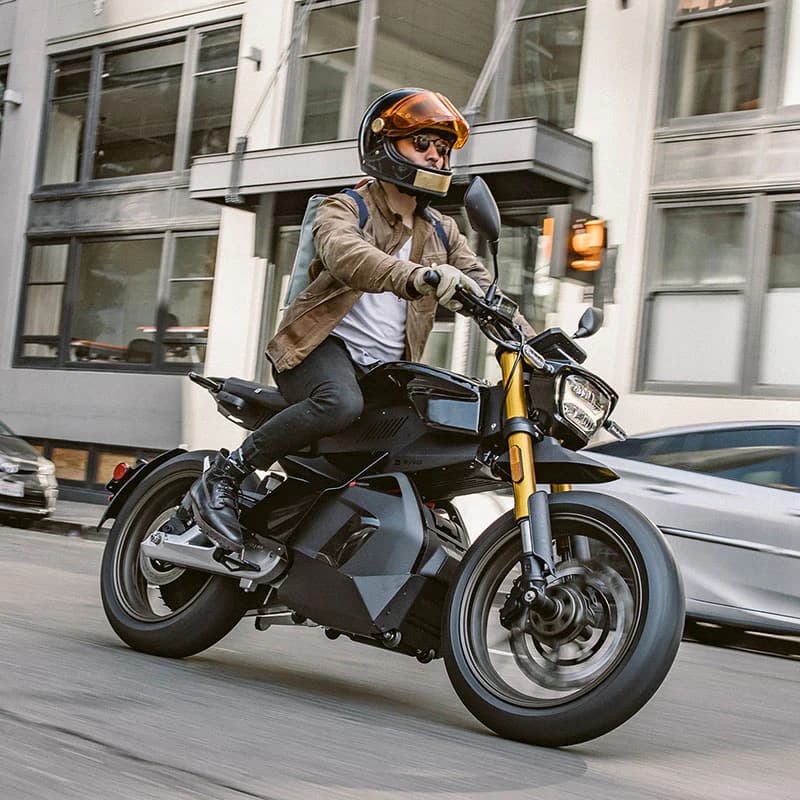
The implications of this generational divide extend deep into manufacturing, urban planning, and retail distribution networks. Traditional motorcycle dealerships, which have historically relied on parts sales, exhaust upgrades, oil changes, and complex engine maintenance as lucrative revenue streams, face a profound business model transformation. Electric motorcycles require significantly less routine maintenance, largely eliminating fluid changes, clutch replacements, and intricate engine tune-ups. Dealerships and service networks will need to adapt their revenue models toward software updates, accessory customization, battery health monitoring, and structural maintenance. Furthermore, municipal governments embracing smart-city infrastructure are increasingly favoring silent, zero-emission urban mobility options, which could lead to expanded preferential parking, dedicated lane access, and financial incentives for electric two-wheelers.

Ultimately, the displacement of internal combustion engines within the motorcycle sector will not arrive via a sudden, revolutionary market upheaval driven by converted traditionalists. Rather, gasoline motorcycles are poised to fade through demographic attrition, replaced by an ecosystem where electric propulsion is the default expectation. As legacy enthusiasts gradually retire from riding, they will leave behind a landscape shaped entirely by a generation accustomed to the seamless, responsive nature of battery power. The future of motorcycling is unequivocally electric, secured not by winning a bitter cultural war over the sound of an exhaust pipe, but by simply outlasting the era that produced it.
Related posts: