Porsche Hits Major Milestone in Closed-Loop EV Battery Recycling Initiative with Cylib

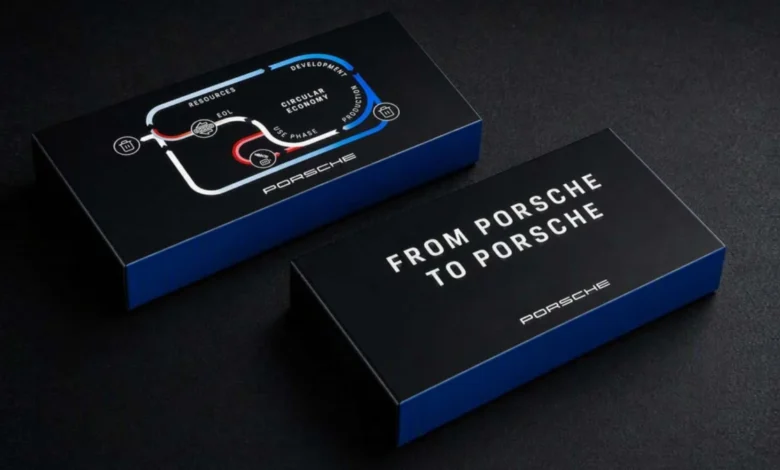
The quest for a truly sustainable electric vehicle ecosystem has taken a significant leap forward as German luxury automaker Porsche successfully concludes a pivotal pilot project aimed at closed-loop battery recycling. Collaborating with the innovative German recycling startup Cylib, Porsche has demonstrated that raw materials recovered from depleted vehicle batteries can be successfully refined and reused to manufacture high-performance battery cells for future production vehicles. This development marks a vital step in mitigating the environmental degradation associated with raw material extraction while simultaneously insulating automotive supply chains from volatile global commodity markets.
The Environmental and Economic Imperative of Battery Recycling
As the global automotive industry undergoes a historic transition toward electrification, the demand for critical raw materials—namely lithium, cobalt, nickel, and manganese—has surged to unprecedented levels. These elements form the foundational chemistry of modern lithium-ion battery cathodes, dictating energy density, charging speeds, and overall longevity. However, traditional extraction methods for these metals carry a heavy environmental and social toll. Mining operations often require massive amounts of water, disrupt fragile local ecosystems, and generate substantial carbon emissions, contradicting the overarching environmental goals of zero-emission mobility.
Furthermore, geopolitical concentration and supply chain bottlenecks have historically left automakers vulnerable to severe price fluctuations and availability constraints. By establishing domestic and regional closed-loop supply chains, manufacturers can reclaim valuable elements from end-of-life batteries and reintroduce them directly into the manufacturing cycle. This practice, commonly referred to as "urban mining," dramatically reduces the carbon footprint of new vehicle production while securing a predictable, independent stream of raw materials.
The Technical Triumph: Porsche and Cylib’s Pilot Project
The recent milestone achieved by Porsche and Cylib validates an end-to-end recycling methodology that bridges the gap between old battery disposal and new cell production. Cylib, a spin-off from RWTH Aachen University founded by Dr. Lilian Schwich and Paul Sabarny, specializes in resource-efficient recycling technologies designed to recover virtually all components of lithium-ion batteries with minimal environmental impact.
Through the joint pilot project, the two companies processed genuine Porsche high-voltage batteries that had reached the end of their first operational life cycle. Using Cylib’s proprietary metallurgical and hydrometallurgical processes, the partners successfully extracted critical cathode materials at a purity level high enough to meet stringent automotive standards.
"The pilot project with Porsche demonstrates that our approach is feasible in practice: valuable raw materials from Porsche batteries at the end of their first life can potentially flow back into new high-performance batteries for Porsche vehicles," stated Dr. Lilian Schwich, co-founder and co-CEO of Cylib, in a recent corporate release.
This successful demonstration proves that closed-loop recycling is not merely a theoretical concept for high-end luxury vehicles, but a technologically viable reality capable of meeting the rigorous demands of premium automotive engineering.
Overcoming the Quality Hurdle in Luxury Performance
For a brand synonymous with uncompromising performance, luxury, and engineering excellence, the integration of recycled materials cannot come at the expense of product quality. Porsche vehicles, including performance-oriented electric models like the Taycan and upcoming Macan EV, rely on advanced battery architectures engineered for rapid charging, sustained high-output power delivery, and exceptional durability over hundreds of thousands of kilometers.
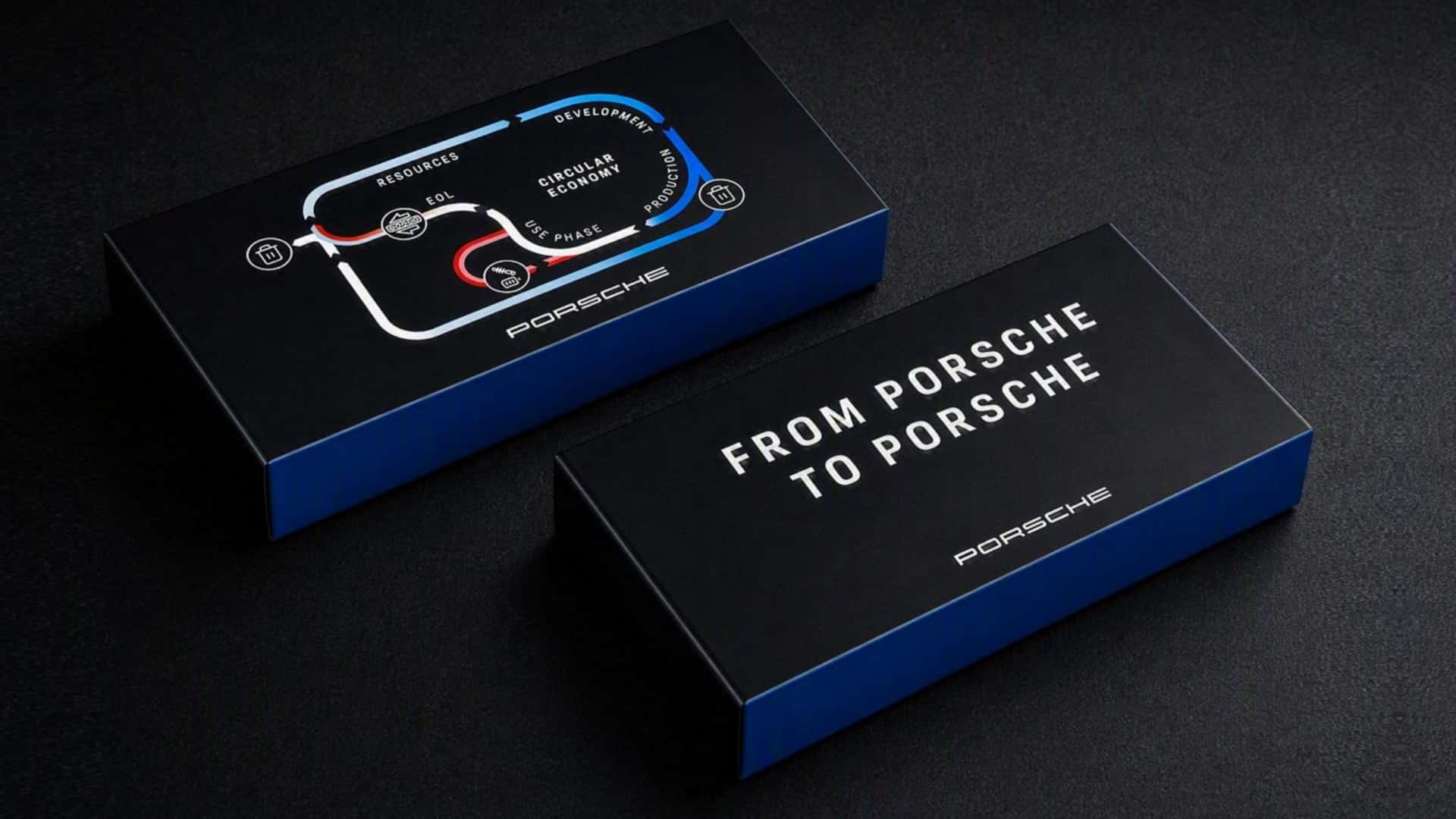
Historically, skepticism has lingered regarding whether recycled materials could match the purity and performance characteristics of virgin mined elements. Impurities within recycled metals can lead to internal resistance, diminished capacity, and accelerated degradation—outcomes that are entirely unacceptable to high-end consumers.
By rigorous testing and validation protocols during the pilot phase, Porsche and Cylib have directly addressed these quality concerns. The recovered lithium, nickel, and cobalt were subjected to exhaustive laboratory and track-simulation analyses to ensure they met the exacting standards required for sports car applications. The successful outcome of these tests proves that closed-loop materials can perform identically to newly mined ores, satisfying both environmental mandates and consumer expectations for elite vehicle performance.
Broader Industry Implications and Market Context
Porsche’s milestone arrives at a critical juncture for the global electric vehicle market. According to industry forecasts by analysts such as McKinsey & Company, the global demand for EV battery recycling is projected to scale exponentially over the next decade, potentially turning into a multi-billion-dollar industry by 2040. Regulatory pressures, particularly in Europe and North America, are also tightening; forthcoming European Union battery regulations will soon mandate minimum thresholds of recycled content in all new EV batteries sold within the region.
While pioneers like China have established dominant positions in global battery recycling infrastructure through early regulatory backing and integrated supply chains, European and American automakers are rapidly accelerating their domestic capabilities. Companies are forming strategic partnerships with specialized recycling startups to avoid regulatory penalties and secure long-term material independence.
For Porsche, this initiative represents a calculated pivot toward practical, high-impact sustainability measures. While the Volkswagen Group affiliate has previously invested heavily in experimental technologies—such as the development of synthetic e-fuels aimed at prolonging the viability of internal combustion engines—initiatives like the Cylib partnership offer immediate, scalable solutions for the company’s expanding electric fleet.
Path to Commercial Scale and Future Outlook
Having successfully proven the technical feasibility of the closed-loop process at a pilot scale, the immediate challenge ahead for Porsche and Cylib lies in industrialization. Transitioning from a successful small-scale trial to mass commercial integration requires substantial capital investment, the construction of dedicated recycling facilities, and the establishment of robust logistical networks for collecting spent battery packs from global dealership and service networks.
If Porsche can successfully scale this technology to supply a meaningful percentage of its production battery requirements, the ripple effects across the automotive sector could be profound. It would establish a benchmark for luxury and performance brands, proving that sustainability and elite engineering are mutually reinforcing rather than competing priorities.
As regulatory frameworks tighten and raw material scarcity intensifies, closed-loop recycling is poised to transition from an innovative corporate sustainability initiative to an absolute operational necessity. Through its collaboration with Cylib, Porsche has positioned itself at the forefront of this vital industrial transformation, ensuring that the sports cars of tomorrow are powered not just by electricity, but by the recycled legacy of yesterday’s drives.