Ponies, House Of The Dragon (Season 3), F1 The Movie (2025), Widow’s Bay (2026-), In the Mouth of Madness (1995)


Home Cinema Week has concluded, marking a period dedicated to exploring the immersive world of home entertainment. The week’s events, including a comprehensive review of the highly acclaimed AWOL Vision Aetherion Max projector and an in-depth look at the advanced AV testing facility, have highlighted the cutting edge of audiovisual technology. This series of features has aimed to provide readers with a thorough understanding of the latest in home cinema, from high-performance projectors to the intricate calibration processes that ensure optimal viewing experiences.
The monthly "Now Showing" segment continues its role in evaluating new AV products by showcasing the films and television series used for rigorous testing. These selections are crucial for assessing the capabilities of sound systems, particularly their Dolby Atmos presentation, and for challenging the black depth and contrast ratios of projectors. The team’s curated list represents a diverse range of content designed to push the boundaries of home entertainment setups, ensuring that reviews are grounded in real-world performance metrics.

"Ponies": A Cold War Thriller with a Unique Twist
Ponies (2026-) emerges as a noteworthy entry in the Cold War thriller genre, offering a fresh perspective that balances tension with unexpected humor. The series, centered around the covert lives of spouses of US spies stationed in Moscow, introduces the concept of "Ponies" – a term for the wives of these agents, who become central to the unfolding mystery after their deaths under suspicious circumstances. The premise gains traction from the fictionalized context where neither the US nor Russia reportedly utilized female operatives at that time, allowing the "Ponies" to operate discreetly and investigate their husbands’ clandestine activities and the truth behind their demise.
The casting of Emilia Clarke, known for her role in "Game of Thrones," and Haley Lu Richardson from "The White Lotus," injects a significant dose of levity. Clarke portrays an uptight and controlled character, contrasting sharply with Richardson’s bohemian and overtly carefree persona. This dynamic pairing, supported by veteran actors Adrian Lester ("Hustle") and Artjom Gilz ("Das Boot"), promises a rich character-driven narrative. The production design meticulously recreates the period aesthetic, further enhanced by the deliberate choice to film in the 3:2 aspect ratio, mimicking the visual cadence of pre-widescreen broadcasts. While this results in vertical black bars on modern displays, it significantly contributes to the authentic vintage feel. The series also features a captivating plotline involving a touring Elton John whose presence inadvertently disrupts a KGB operation, adding a layer of celebrity intrigue to the espionage narrative.
"House of the Dragon" Season 3: Reigniting the Westeros Saga
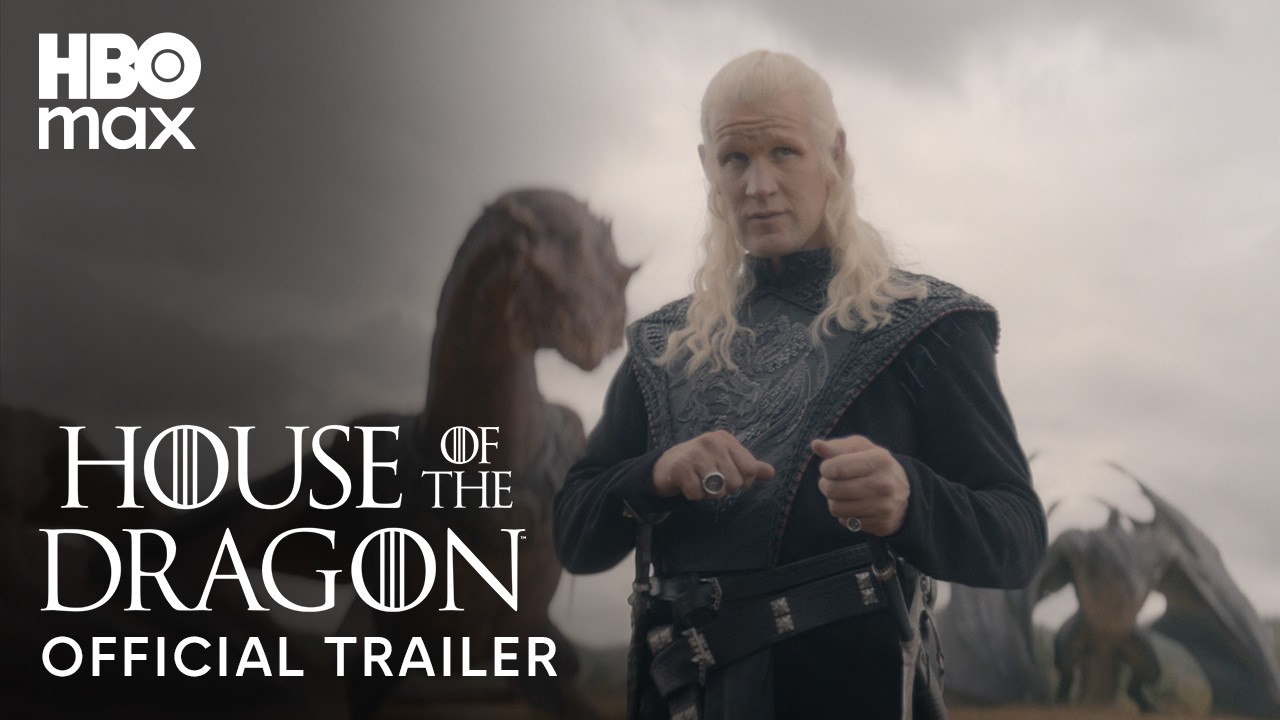
House Of The Dragon (Season 3) continues its mission to rebuild the legacy of the "Game of Thrones" franchise. Set approximately two centuries before the events of the original series, this prequel has been instrumental in revitalizing audience interest in Westeros. The third season, currently airing weekly, has garnered attention for its intense narrative and visual spectacle.

Following a somewhat divisive conclusion to its second season, the initial episodes of the third season have been praised for their action-packed, emotionally charged, and bloody storylines. While the pacing has evolved to incorporate more political intrigue, reminiscent of the original "Game of Thrones," the show maintains its commitment to high production values. The series offers breathtaking panoramic views of natural landscapes and grand naval battles, all rendered in stunning 4K. Concurrently, the intimate scenes set within dimly lit castle interiors provide a rigorous test for display technologies, particularly in showcasing shadow detail and contrast. The dynamic portrayal of swooping dragons and their fiery assaults on warring factions also challenges a sound system’s ability to reproduce powerful, spatial audio effects, making it an ideal candidate for comprehensive home cinema evaluations.
For optimal viewing quality, viewers are advised to consider streaming through HBO Max, which offers 4K Dolby Vision streaming and Dolby Atmos audio. This subscription tier is reported to provide a significantly enhanced audiovisual experience compared to other platforms. Many users who subscribe to services like Sky or Now may already have access to HBO Max, allowing for an upgrade to these premium features.
"F1 The Movie" (2025): A High-Octane Cinematic Experience
F1 The Movie (2025), directed by Joseph Kosinski, immerses audiences in the high-stakes world of Formula 1, delivering on the expected thrills of speed, engine roar, and dramatic narratives. Since its 4K Blu-ray release in November of the previous year, the film has become a benchmark for testing both sound and picture quality in home cinema setups.

The film is particularly adept at challenging a sound system’s capabilities, especially during high-speed racing sequences. A well-calibrated Dolby Atmos audio system can effectively convey the sensation of vehicles moving around the soundfield, complemented by the precise reproduction of crowd noise and off-screen announcements. The numerous races depicted also serve as an excellent benchmark for a system’s motion handling, requiring the visual display to render movement naturally, avoiding judder or excessive smoothness. This balance is crucial for both high-end and more budget-conscious home cinema systems. The film’s ability to showcase both intense action and nuanced audio elements makes it an invaluable tool for reviewers and enthusiasts alike.
"Widow’s Bay" (2026-): A Masterclass in Comedic Horror and Sound Design
Widow’s Bay (2026-) has emerged as a standout series, particularly for its skillful blend of comedy and horror, and its exceptional sound design. The show centers on a small, insular island community grappling with the potential influx of tourism, juxtaposed with an underlying current of superstition and possible supernatural influence. This narrative tension is expertly managed, creating a gently paced yet consistently gripping viewing experience that proves difficult to disengage from.
The series masterfully balances humor and horror, with much of the comedic effect derived from its "Fargo"-esque characters, dialogue, and setting. The horror elements are employed sparingly but with significant impact, creating a unique tonal equilibrium. Creator Katie Dippold and director Hiro Murai, known for his work on "Atlanta," have been credited with successfully navigating this challenging genre blend.
Apple TV+ productions are generally recognized for their high production values and superior bitrates, and "Widow’s Bay" exemplifies this. Although the series adopts a deliberately grainy, "Twin Peaks"-inspired aesthetic, the quality of its sound design is abundantly clear and excellent. Rather than relying on frequent jump scares, the show builds suspense through subtle sound effects, such as footsteps, which are strategically placed to create an atmosphere of unease. For viewers equipped with a Dolby Atmos system, these meticulously crafted audio cues are rendered with remarkable effectiveness, enhancing the overall immersive quality of the series. Even for those not typically drawn to the horror genre, "Widow’s Bay" is strongly recommended for its compelling narrative and exceptional audiovisual presentation.
"In the Mouth of Madness" (1995): A Cult Classic’s Enduring Appeal
In the Mouth of Madness (1995), a John Carpenter horror film steeped in the cosmic dread of H.P. Lovecraft, remains a cult classic for its uninhibited embrace of the bizarre. The film features Sam Neill in a memorable role as an insurance investigator who descends into madness while investigating the disappearance of a reclusive horror author. While its assessment as Neill’s "best role" may be subjective, his performance is undeniably energetic and captivating.
The film is characterized by its "utterly bonkers" narrative, a hallmark of early ’90s genre filmmaking. It delivers schlocky, gleeful entertainment, augmented by impressive practical effects. One sequence, in particular, draws parallels to Jim Henson’s "Labyrinth," while the influence of "The Thing" is also palpable, as is to be expected from Carpenter’s filmography. While not a film designed for showcasing pristine production values or demonstrating cutting-edge home cinema technology, "In the Mouth of Madness" offers significant entertainment value for fans of quirky, retro horror. Its enduring appeal lies in its unique blend of psychological terror and visual spectacle, solidifying its place as a memorable entry in the horror canon.

The ongoing commitment to reviewing content that effectively tests home cinema systems underscores the publication’s dedication to providing consumers with actionable insights. The inclusion of films and series that push the limits of audio-visual reproduction ensures that readers can make informed purchasing decisions, optimizing their home entertainment experiences. This rigorous approach, combined with a curated selection of content, positions these reviews as an essential resource for enthusiasts and casual viewers alike.