LiuGong Launches Comprehensive Battery-Electric Construction Equipment Portfolio in North America to Drive Fleet Decarbonization

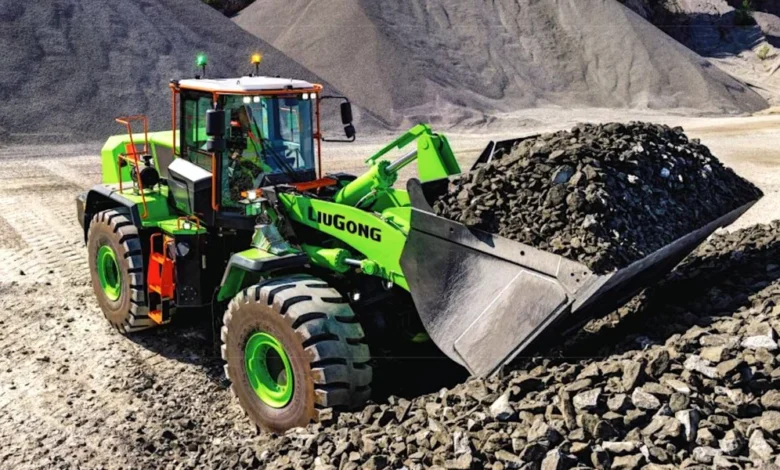
The global transition toward sustainable industrial operations reached a significant milestone this week as LiuGong, a leading global manufacturer of heavy machinery, officially introduced its battery-electric equipment and material handling portfolio to the United States and Canada. This strategic expansion marks a pivotal moment for the North American construction, forestry, and logistics sectors, providing a proven pathway for fleet managers to transition away from internal combustion engines without compromising on the rugged performance required for heavy-duty applications. With a legacy of over 15 years in the research and development of battery-electric vehicle (BEV) technology, LiuGong’s entry into the North American market is backed by a global fleet of more than 60,000 electric machines already in active service, signaling a new era of electrified infrastructure development.
A Strategic Entry into the North American Market
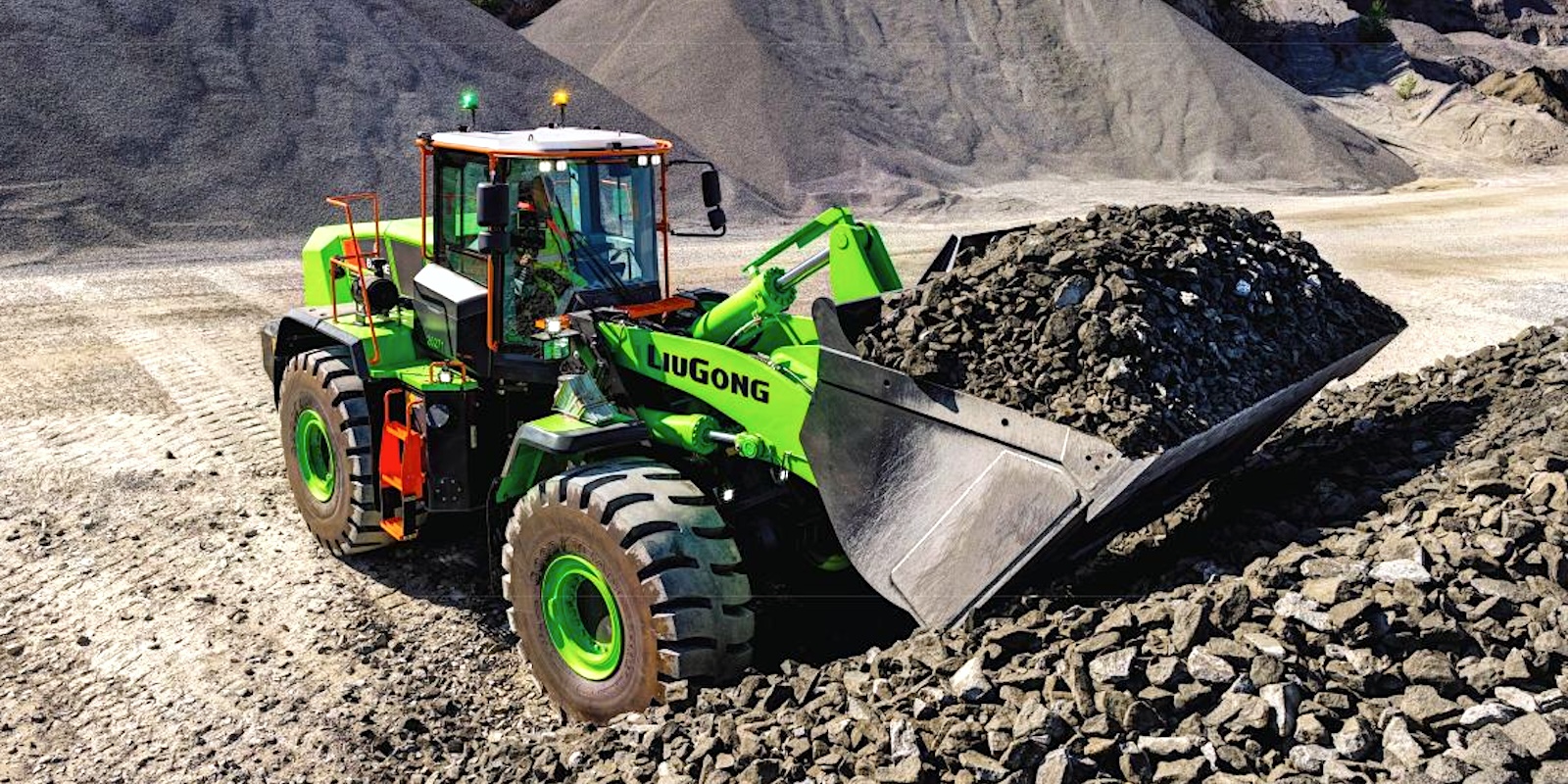
The launch introduces a comprehensive lineup of Heavy-Duty Electric Vehicles (HDEVs) designed to meet the specific rigors of the North American climate and regulatory environment. The initial portfolio includes the 856HE Battery-Electric Wheel Loader, the 820TE Battery-Electric Loader, the 924FE Battery-Electric Excavator, and the LRSE4531E Fully Electric 45-Ton Reach Stacker. By offering such a diverse range of machinery from a single manufacturer, LiuGong positions itself as a primary partner for firms looking to decarbonize entire project sites rather than just individual tasks.
Andrew Ryan, President of LiuGong North America, emphasized that the technology is no longer in the experimental phase. According to Ryan, the company’s battery-electric platform has been validated through millions of cumulative commercial operating hours in some of the world’s most demanding environments. The machines arriving in the U.S. and Canada are not merely adaptations of existing models but are engineered specifically for the regional market, incorporating feedback from global operations to ensure they meet the expectations of North American operators who prioritize reliability, power, and ease of maintenance.

Chronology of Innovation and Global Expansion
LiuGong’s journey into electrification did not begin with the current global push for "Green Deals" or carbon neutrality mandates. The company’s investment in electric drivelines dates back approximately 15 years, a period during which it focused on perfecting the integration of high-capacity lithium-ion batteries with hydraulic systems.
- 2010–2015: Early R&D phases focused on hybrid systems and small-scale electric prototypes.
- 2016–2020: Deployment of first-generation electric wheel loaders in domestic Chinese markets and specialized industrial zones.
- 2021–2023: Massive scaling of production and the introduction of the 856H-E MAX wheel loader, which became a benchmark for the industry globally.
- 2024–2025: Strategic expansion into emerging markets, including high-profile deployments such as the 70-ton electric haul trucks in Zambian copper mines, which demonstrated the technology’s viability in extreme heat and corrosive environments.
- 2026 (Present): Official full-scale launch of the HDEV portfolio in North America, supported by a localized service and parts network.
This timeline highlights a cautious but persistent approach to engineering, ensuring that by the time the products reached the sophisticated North American market, the "range anxiety" and "durability doubt" often associated with electric heavy equipment had been addressed through real-world data.
Technical Performance and Economic Viability
One of the most compelling arguments for the adoption of LiuGong’s electric fleet is the drastic reduction in total cost of ownership (TCO). Financial analysis provided by the manufacturer suggests that North American operators can expect a reduction in operating costs of between 40% and 50% when compared to traditional diesel-powered equivalents. These savings are derived from three primary pillars:
1. Energy Efficiency and Fuel Costs:
Electric motors are inherently more efficient than internal combustion engines, converting a much higher percentage of stored energy into mechanical work. With diesel prices subject to geopolitical volatility, the relative stability of electricity costs allows for more predictable long-term project budgeting.
2. Reduced Maintenance Requirements:
The mechanical simplicity of an electric powertrain is a significant advantage. LiuGong’s HDEVs eliminate the need for engine oil, fuel filters, air filters for combustion, and complex exhaust after-treatment systems like Diesel Particulate Filters (DPF) and Selective Catalytic Reduction (SCR) units. These components are often the primary failure points in modern diesel engines, requiring frequent downtime and expensive technician labor.
3. Extended Component Lifespan:
The absence of high-vibration internal combustion cycles reduces the wear and tear on the chassis and hydraulic connections. Furthermore, the regenerative braking and slowing capabilities of electric motors reduce the load on traditional braking systems, extending their service life.
To bolster buyer confidence, LiuGong has implemented a robust warranty program. The battery packs and electric motors—the heart of the HDEV—are covered for five years or 10,000 operating hours, whichever comes first. This warranty is among the most competitive in the industry, reflecting the company’s confidence in its thermal management systems and battery chemistry.
Proven Durability: The 20,000-Hour Benchmark
A critical concern for the heavy equipment industry has been the longevity of lithium-ion batteries under continuous, heavy-load cycles. LiuGong has addressed this by highlighting a case study of an electric wheel loader operating in a phosphate mining facility. Phosphate mining is notorious for being one of the most punishing environments for machinery due to the highly corrosive nature of the dust and the continuous duty cycles.
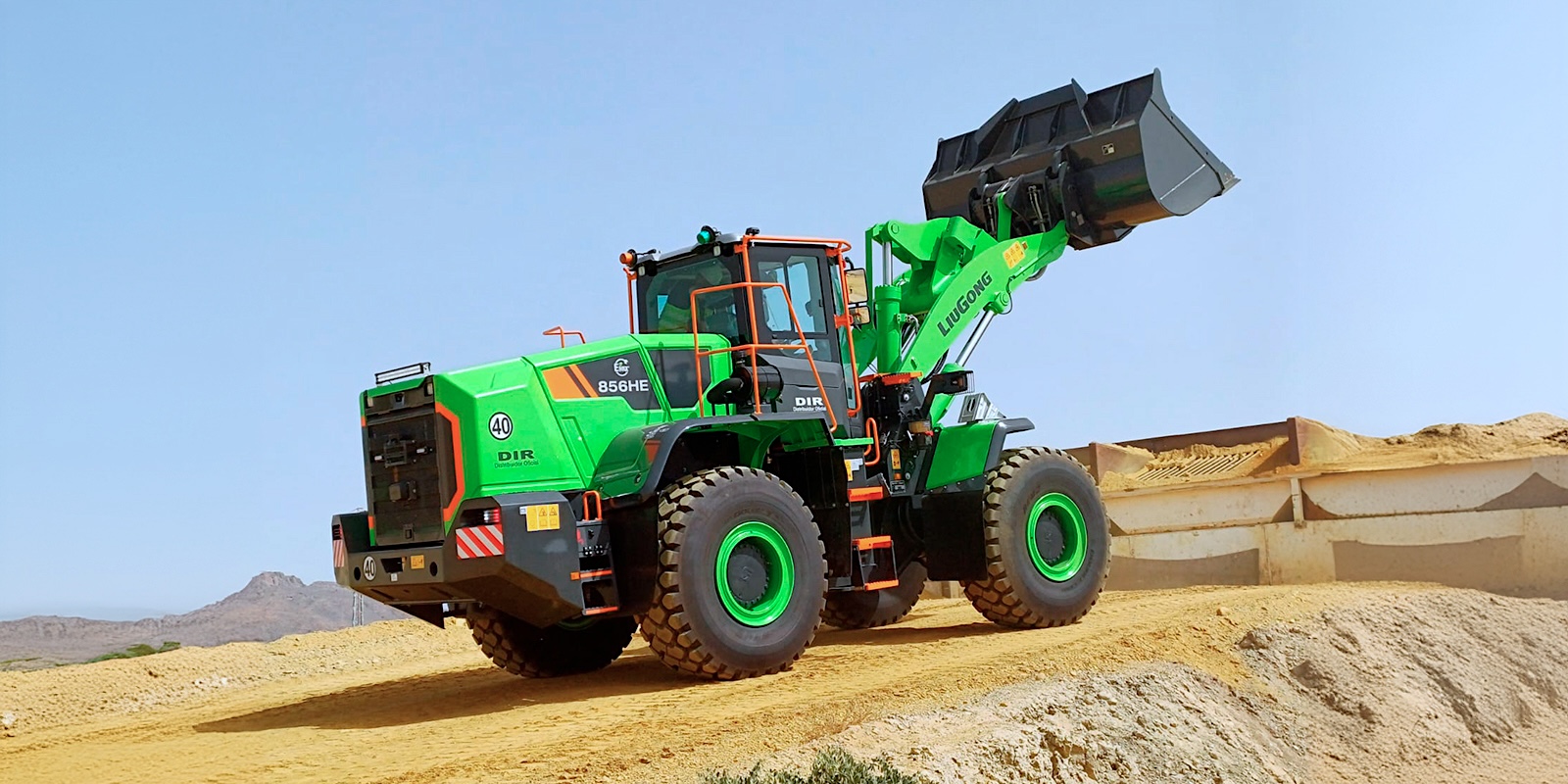
The machine in question recently surpassed 19,900 operating hours on its original battery pack. Diagnostic testing revealed that the battery maintained 86.8% of its original capacity. In the context of heavy machinery, 20,000 hours is often the point at which a traditional diesel engine would require at least one major overhaul or a complete replacement. The fact that the electric powertrain remained highly functional with minimal degradation provides a powerful data point for the long-term reliability of LiuGong’s technology.
Human Capital and Environmental Impact
Beyond the balance sheet, the shift to electric equipment offers significant "soft" benefits that impact the bottom line through human resources. The construction and mining industries are currently facing a global labor shortage, making operator retention a top priority.
Electric machines produce significantly less noise and zero tailpipe emissions. For operators, this means a drastically improved working environment characterized by lower stress levels and the elimination of harmful particulate matter inhalation. Companies utilizing electric fleets have reported higher operator satisfaction, fewer sick days related to respiratory issues or noise-induced fatigue, and a stronger position when recruiting younger, environmentally-conscious talent.
From an environmental standpoint, the deployment of these machines directly assists firms in meeting Scope 1 emission reduction targets. As municipal governments in cities like New York, Los Angeles, and Toronto begin to implement "cleaner" construction requirements for public contracts, having a battery-electric fleet becomes a competitive advantage in the bidding process.

Future Outlook and Industry Implications
The launch of the current portfolio is only the beginning of LiuGong’s North American roadmap. The company has confirmed plans to roll out an expanded range of battery-powered forklifts, warehouse equipment, and specialized material handlers over the next 18 months. By the end of 2027, LiuGong aims to have one of the most comprehensive electric footprints in the region, challenging established domestic players to accelerate their own electrification timelines.
Industry analysts suggest that LiuGong’s aggressive entry could disrupt the traditional market hierarchy. While domestic manufacturers have introduced electric compact equipment, LiuGong is moving directly into the heavy-duty segment—the "iron" that does the bulk of the work on large-scale infrastructure projects.
The implications for the broader industry are clear: the technology has matured past the point of being a niche alternative. As charging infrastructure continues to develop at job sites—supported by mobile battery storage solutions and portable fast-chargers—the logistical barriers to electrification are falling. LiuGong’s 60,000-machine global fleet serves as a testament to a future where the roar of the diesel engine is replaced by the quiet, efficient hum of the electric motor, marking a cleaner, more profitable era for the heavy equipment industry in North America.