Canon’s Retro Camera Ambitions Emerge as EOS R8 Mark II and R6 V Rumors Surface

Last Updated on 04/20/2026 by Chris Gampat
Canon, a titan in the photography industry, has consistently delivered cameras that resonate with diverse segments of the photographic community. From the professional-grade 5D series that defined a generation of shooters to the accessible PowerShot line for budding enthusiasts, and the enthusiast-focused R7, Canon has demonstrated a knack for tailoring products to specific user needs. Recent whispers from the rumor mill suggest that the venerable Japanese manufacturer may be embarking on a strategic initiative to bridge the gap between distinct photographic demographics, potentially by merging the appeal of modern technology with the allure of vintage aesthetics. This strategic pivot, if realized, could redefine Canon’s market presence and attract a new wave of users to its burgeoning EOS R system.
Decoding the Rumors: EOS R8 Mark II and the Enigmatic R6 V
At the heart of these unfolding speculations are reports from Canon Rumors, a reputable source for leaked product information. According to their findings, Canon is reportedly developing two distinct iterations within the EOS R8 lineage. The first, tentatively identified as the Canon EOS R8 Mark II, is generating significant buzz due to its purported retro-inspired design. Simultaneously, another model, referred to as the EOS R6 V, is also on the horizon, with its launch anticipated in April. The intrigue deepens with the staggered release schedule, as the R8 Mark II, the retro variant, is expected to be unveiled in May. This dual-pronged approach suggests a deliberate strategy to cater to different market segments simultaneously, leveraging both innovation and nostalgia.
A Retro Reimagining: The Ghost of the AE-1 Anniversary
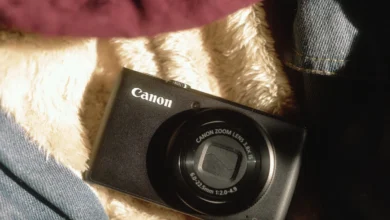
The prospect of a retro-styled Canon camera is not entirely new. In the past, Canon representatives have publicly dismissed the idea of a direct successor to the iconic AE-1, a camera that holds a hallowed place in photographic history and was a significant milestone in the democratization of 35mm SLR photography. Manabu Kato, a Canon representative, had previously stated that the company had no specific plans for a camera designed solely to commemorate an anniversary, particularly in the context of the AE-1. However, these recent rumors suggest that the earlier dismissals might have been directed at a literal AE-1 successor, rather than a modern, full-frame camera that adopts a vintage design ethos. The EOS R8 Mark II, as described, is envisioned as a full-frame digital camera that integrates contemporary imaging technology within a classic exterior. This approach aims to capture the emotional connection and aesthetic appreciation associated with analog cameras while offering the performance and convenience of digital imaging.
Technical Specifications and Potential Partnerships
While concrete specifications for the EOS R8 Mark II remain scarce, early indications point towards a shared sensor with a potential R6 Mark III model. This would likely involve a 33-megapixel Full-Side-Illuminated (FSI) CMOS sensor, a technology that has become increasingly prevalent in high-performance cameras for its excellent light-gathering capabilities and dynamic range. The prospect of a distinct body design for the R8 Mark II, separate from its more contemporary counterparts, is a significant point of interest for enthusiasts and collectors alike.
Beyond the camera body itself, Canon Rumors also suggests the possibility of complementary retro-styled lenses. Discussions are reportedly underway regarding a retro-looking L-series prime lens, potentially finished in a silver hue to aesthetically harmonize with the camera. The focal range for such a lens has not yet been disclosed, leaving room for speculation about Canon’s intentions for lens system expansion in this niche. The inclusion of dedicated lenses would further enhance the appeal of a retro-themed camera system, providing a cohesive and visually striking package.
Evaluating the EOS R8’s Precedent and Market Position
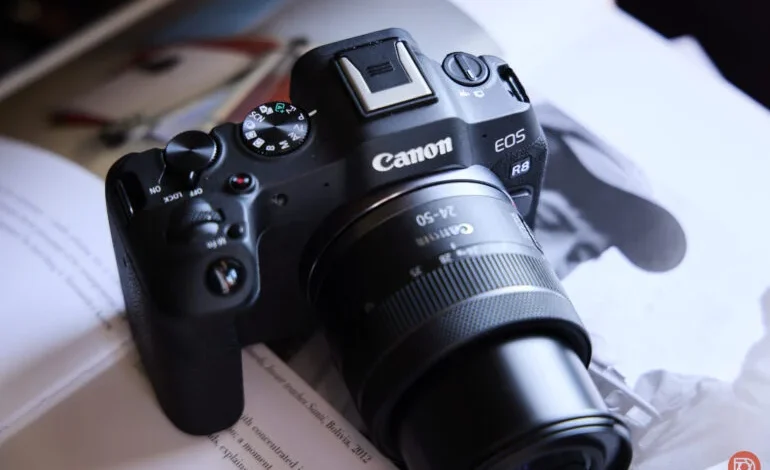
It is crucial for potential buyers to approach these rumors with a degree of caution, considering the reception and performance of the existing Canon EOS R8. When initially launched, the EOS R8 was positioned as an intriguing full-frame option, often compared to a full-frame iteration of Canon’s Rebel series. While it offered a competitive entry point into Canon’s full-frame mirrorless ecosystem, its performance and feature set have also drawn criticism for certain perceived shortcomings.

For instance, early firmware did not incorporate a shutter mechanism to protect the sensor when the camera was powered off, a feature present in many other professional and enthusiast cameras. Furthermore, the touch-and-drag autofocus settings, display simulation, and auto scene detection were areas where users and reviewers noted a lack of refinement compared to competitors. While the EOS R8 remains one of the most affordable full-frame cameras in Canon’s lineup, optimizing its performance often necessitates pairing it with higher-end L-series zoom lenses, which can significantly increase the overall investment.
This observation leads to a broader strategic consideration for Canon. Historically, a common purchasing strategy for Canon users involved acquiring a more budget-friendly camera body and investing in premium lenses, with the intention of upgrading the body at a later stage. However, the perceived mediocrity of some of Canon’s entry-level camera bodies in recent years has challenged this model. Some industry analysts, including Chris Gampat, founder of The Phoblographer, have noted that competitive offerings, such as the Sony a7 IV paired with a high-end Tamron lens, can sometimes present a more compelling value proposition than a Canon EOS R8 coupled with L-glass. This suggests that for a retro-inspired camera to succeed, Canon may need to re-evaluate its approach to feature sets and overall value proposition.
Navigating the Retro Market: Challenges and Opportunities
If Canon aims to successfully penetrate the retro camera market and compete with established players like Fujifilm’s X-Pro series and Nikon’s Zf, it will need to address the feature set of its potential offerings. The current strengths of the EOS R8, such as its weather sealing and attractive price point, are foundational. However, to capture the attention of a discerning audience that has numerous high-quality options, Canon must incorporate features that resonate with a wider range of photographers, including those who may not be exclusively loyal to the Canon brand.
Potential features that could enhance the appeal of a retro Canon camera include:
- Multiple Exposure Mode: A staple for creative photographers, this feature allows for the layering of multiple images within a single frame, offering a powerful tool for artistic expression.
- Independent Autofocus Point Selection: Providing users with granular control over autofocus point placement is crucial for precise composition and subject tracking.
- Enhanced Color Science: Competitors like Fujifilm and Nikon have cultivated strong followings for their distinct color profiles. Canon could benefit from offering a wider array of in-camera color simulations that cater to diverse aesthetic preferences, moving beyond its traditional color rendition.
- Improved Ergonomics and User Interface: A retro camera often implies a tactile and intuitive user experience. Ensuring that the physical controls and digital interface are both aesthetically pleasing and functionally superior will be paramount.
Furthermore, the cost of lenses remains a significant consideration. While L-series lenses are renowned for their optical quality, their premium pricing can be a barrier. The introduction of more affordably priced, high-quality lenses, perhaps with a retro design to match the camera body, could significantly enhance the overall value proposition and broaden the appeal of a retro Canon system.
The Road Ahead: Uncertainty and Strategic Implications
Ultimately, the final form and feature set of Canon’s rumored retro camera remain to be seen. The possibility exists that the EOS R8 Mark II could be a less ambitious iteration, a slightly modified version of the R6 Mark III with a retro aesthetic rather than a complete overhaul. Industry observers are advised to treat such news with a healthy dose of skepticism until official announcements are made.
However, the very discussion around a retro-inspired full-frame camera signifies a potential shift in Canon’s strategic thinking. It suggests an acknowledgment of the growing market for cameras that blend modern technology with classic design, a segment that has seen considerable success with offerings from other manufacturers. Should Canon successfully execute this strategy, it could not only revitalize its appeal to traditionalists but also attract a new generation of photographers drawn to the tactile experience and timeless aesthetics of analog photography, reimagined for the digital age. The implications extend beyond a single product launch, potentially influencing Canon’s broader product development philosophy and its engagement with different photographer demographics in the years to come. The company’s ability to balance innovative technology with nostalgic design, while also addressing value and feature set concerns, will be critical to its success in this evolving market landscape.