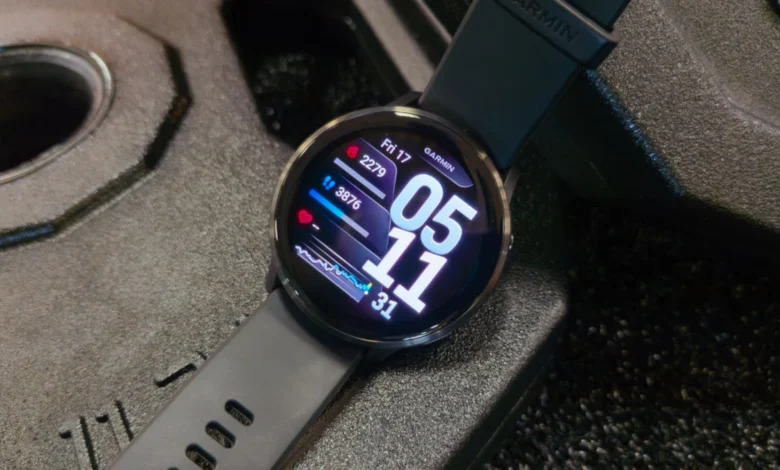
Garmin has officially initiated the rollout of its comprehensive fall software update, introducing a robust suite of safety enhancements, hands-free voice capabilities, and advanced training metrics to its prominent lineup of wearable devices and cycling computers. As the wearable technology market becomes increasingly competitive, this latest firmware release underscores Garmin’s ongoing commitment to refining its ecosystem—cementing its reputation as a preferred brand for endurance athletes, outdoor enthusiasts, and everyday fitness trackers alike.
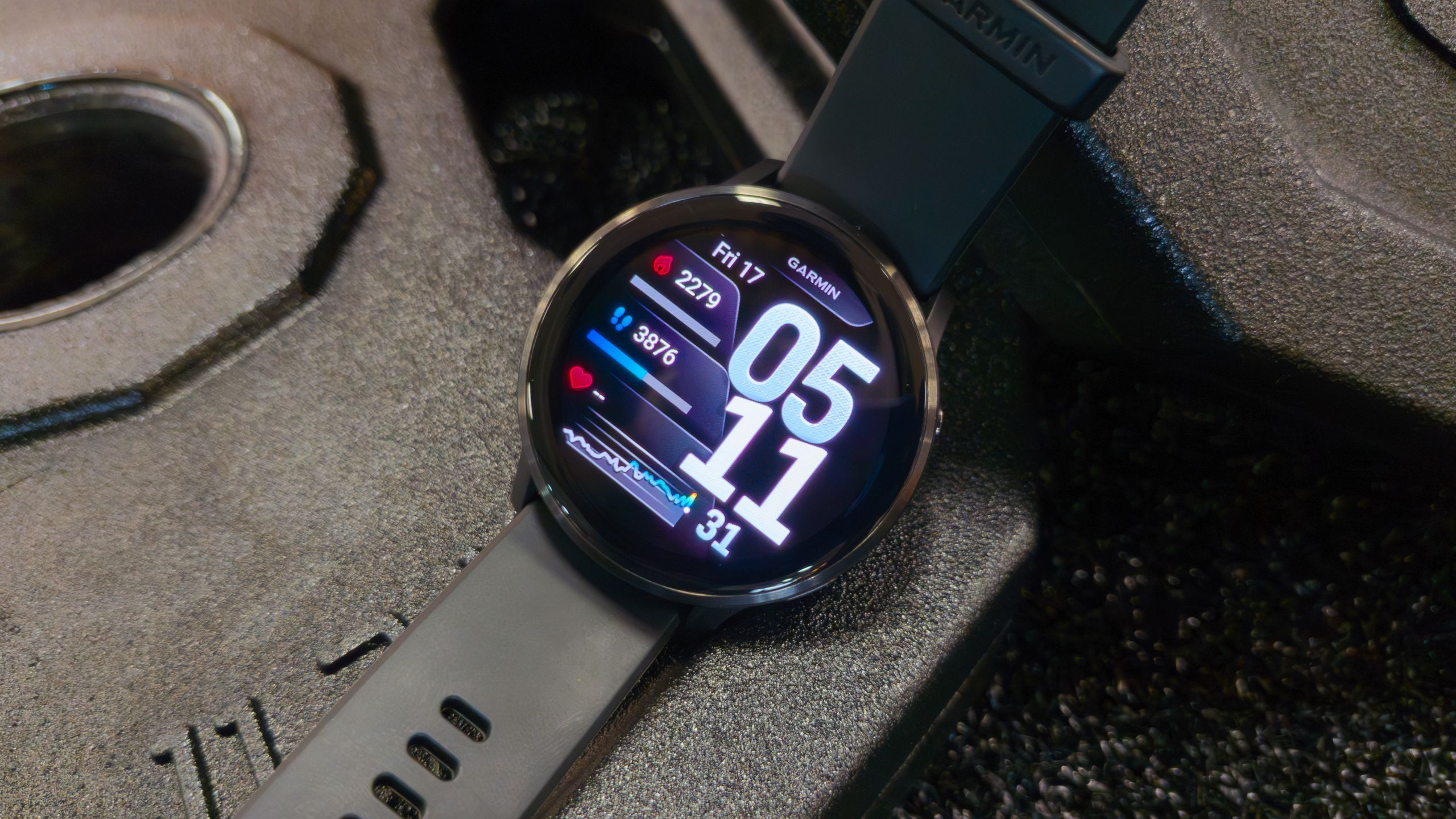
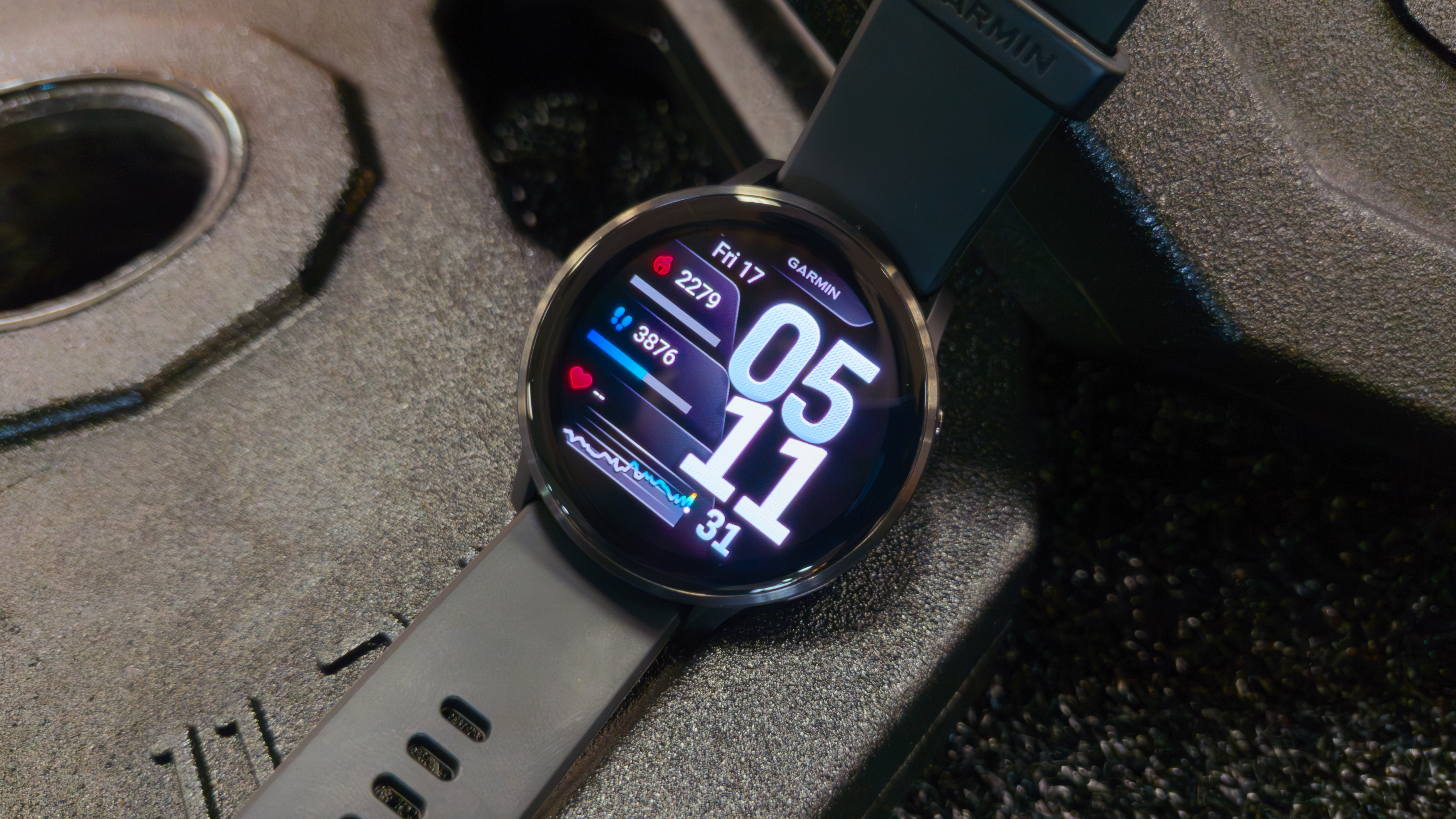
The update encompasses a broad spectrum of hardware, targeting elite multi-sport watches such as the Fenix 8 series, the Forerunner 570, the Forerunner 970, alongside more lifestyle-oriented models including the Venu 6 and the Vivoactive 6. By bridging the gap between high-end performance metrics and consumer-friendly safety utilities, Garmin aims to deliver a more holistic user experience that caters to both competitive training and daily health monitoring.
Main Facts and Core Feature Additions
At the forefront of the new software rollout is the long-awaited introduction of fall detection for the Garmin Venu 6. This safety feature leverages the device’s internal motion sensors and accelerometer algorithms to identify sudden, hard impacts indicative of a severe fall. Once a potential accident is recognized, the smartwatch can automatically transmit the user’s live location to pre-designated emergency contacts via a paired smartphone. While similar safety protocols have long been standard across rival ecosystems—such as Apple Watch and Google’s Wear OS devices—Garmin’s integration brings a vital peace of mind to users who prefer its extended battery life and dedicated fitness tracking architecture.
In addition to personal safety, the update introduces hands-free voice controls via the new "OK Garmin" voice command. This utility allows users to execute specific watch commands, navigate menus, and launch workouts without needing to physically interact with the touchscreen or physical buttons—a particularly useful feature for cyclists, runners, and weightlifters whose hands are occupied during rigorous exercise routines.
For endurance athletes, Garmin has significantly expanded its running and training capabilities. The firmware update delivers personalized running workouts integrated directly into the training calendar, alongside a newly revamped adaptive Garmin Run Coach plan. This intelligent coaching system dynamically adjusts upcoming training loads, recovery intervals, and intensity targets based on the user’s real-time performance, sleep quality, and physiological progress over preceding weeks.
Chronology and Deployment Timeline
The phased distribution of the software update commenced earlier this week, with Garmin confirming that compatible devices will receive the firmware automatically over-the-air. Because the company typically utilizes a staged rollout approach to monitor for unforeseen bugs and server congestion, not all users will see the update appear on their devices simultaneously.
Users eager to access the new features can manually check for the firmware by opening the Garmin Connect mobile application, navigating to the device settings menu, and selecting software update prompts. Garmin has advised that if the update is not immediately available, users should allow a window of several days for the package to propagate through regional servers and sync with their specific hardware model.
Supporting Data and Ecosystem Expansion
Beyond the core smartwatch updates, Garmin has concurrently released a companion firmware package for its Edge series of GPS cycling computers. For cyclists, the update introduces automated climb and descent detection, which dynamically reconfigures data screens and performance metrics when transitioning between flat terrain and elevation changes. This builds upon Garmin’s historical dominance in cycling navigation, providing riders with instantaneous feedback on grade percentages, ascent remaining, and climb categorization without manual intervention.
Garmin’s iterative software strategy represents a calculated response to shifting consumer demands in the wearable tech sector. According to recent market analysis reports, consumers are increasingly purchasing smartwatches not merely for step-counting and basic notifications, but for comprehensive health diagnostics, predictive analytics, and emergency safety infrastructure. By retrofitting existing hardware iterations like the Venix 6 and Forerunner series with software-locked capabilities, Garmin extends the lifecycle of its products, fostering customer loyalty and competing aggressively against tech conglomerates that release annual hardware revisions with incremental improvements.
Official Statements and Industry Implications
While Garmin has traditionally maintained an understated approach to software announcements—preferring to detail patch notes directly through its support forums and developer channels—industry observers note that these updates signal a maturing product ecosystem. The implementation of safety protocols like fall detection indicates that fitness-first hardware manufacturers are recognizing emergency response features as a baseline consumer expectation rather than a luxury addition.
Furthermore, the introduction of the "OK Garmin" voice control system points to a broader industry trend toward multimodal interaction. As processing power and localized machine learning capabilities improve within wearable chipsets, reliance on physical button navigation is gradually giving way to hybrid interfaces that combine touch, voice, and biometric automation.
Broader Impact and Future Outlook
The implications of Garmin’s fall update extend far beyond simple convenience; they redefine how amateur athletes interact with recovery and training data. By refining adaptive coaching algorithms—such as those integrated into the Forerunner 970 and Fenix 8 series—Garmin addresses one of the most common pitfalls in athletic training: overtraining and injury resulting from rigid, static workout schedules. The ability of the software to autonomously scale back intensity based on accumulated acute impact loads and physiological tolerance metrics translates to safer, more sustainable fitness progressions.
As the fitness technology landscape continues to evolve, Garmin’s strategy of continuous software enrichment ensures its devices remain competitive against heavily capitalized tech ecosystems. Whether these new training tools and safety additions will successfully draw users away from competing smartwatch platforms remains to be seen, but for the millions already embedded in the Garmin ecosystem, the fall update delivers substantial, tangible value without requiring a costly hardware upgrade. Users are encouraged to sync their devices via the Garmin Connect platform over the coming days to take full advantage of the new capabilities.