Apple expands Tap to Pay on iPhone to eight new Latin American countries to modernize regional commerce

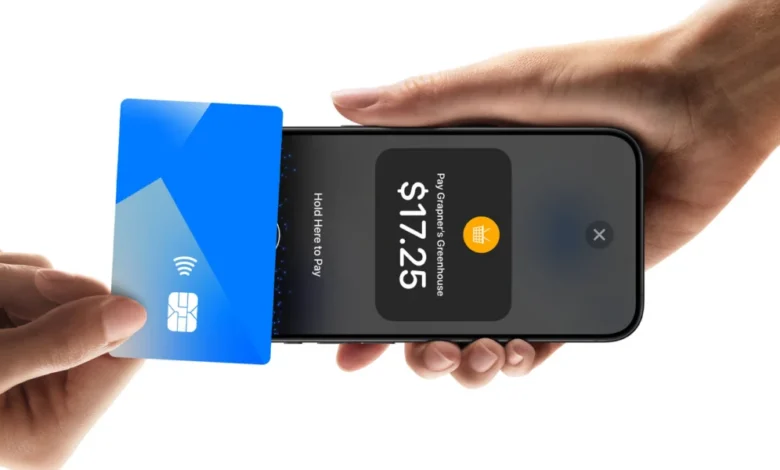
Apple has officially announced a major expansion of its Tap to Pay on iPhone technology, bringing contactless payment capabilities to eight additional markets across Latin America. This move marks a significant milestone in the company’s strategy to displace traditional point-of-sale hardware in emerging economies, streamlining the way small businesses and enterprise merchants handle digital transactions. By enabling the iPhone to function as a secure, mobile payment terminal, Apple is effectively lowering the barrier to entry for digital commerce in regions where financial technology infrastructure is rapidly evolving.
The newly supported countries include Argentina, Colombia, Costa Rica, the Dominican Republic, Guatemala, Honduras, Panama, and Peru. This regional rollout, facilitated through partnerships with six prominent payment platforms, underscores Apple’s commitment to integrating its financial services ecosystem deeper into the global market.
The Mechanics of Tap to Pay on iPhone
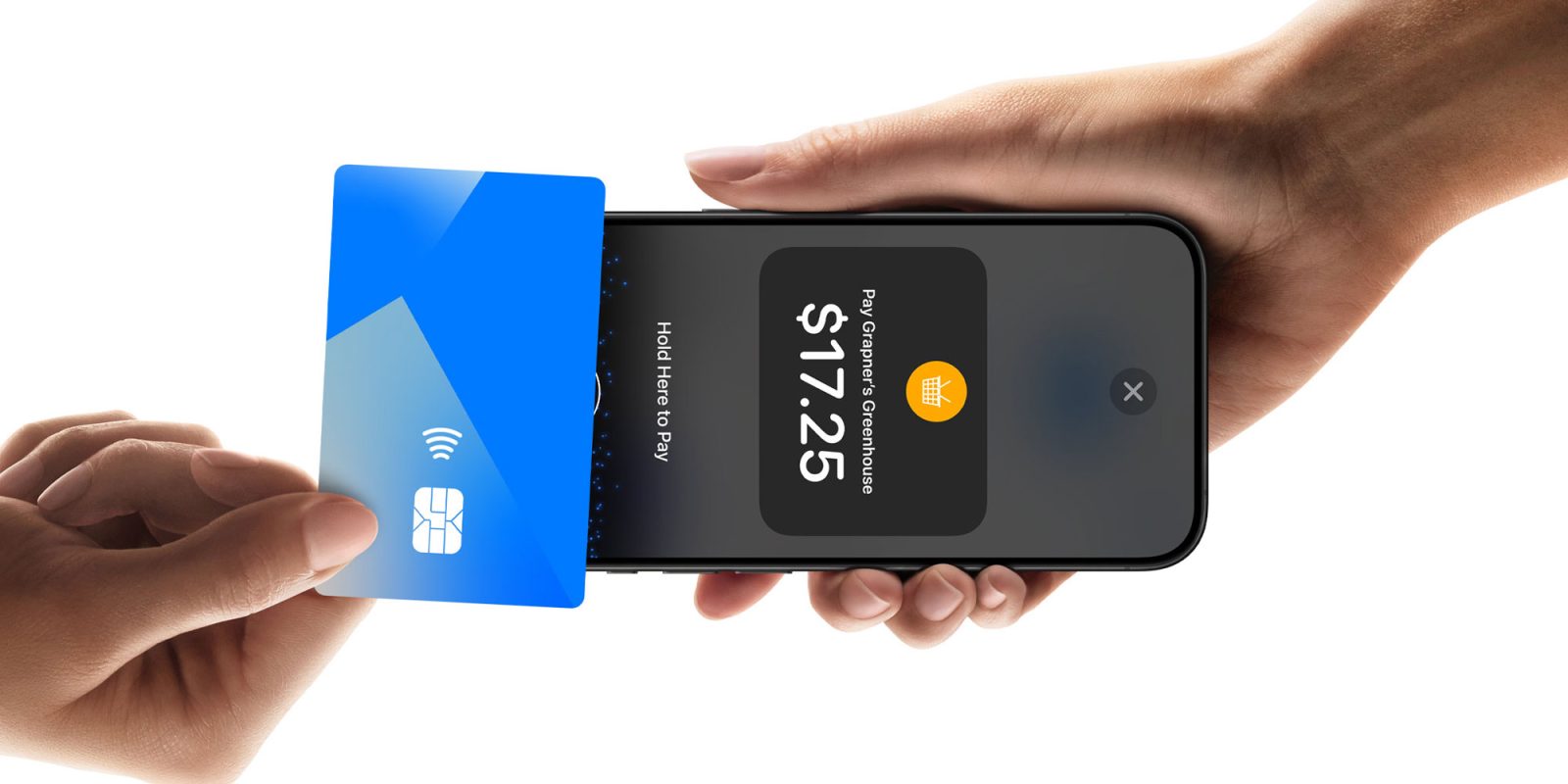
At its core, Tap to Pay on iPhone is a sophisticated software-based solution that leverages the Near Field Communication (NFC) chip embedded in every iPhone since the iPhone XS. By utilizing the Secure Element—the same hardware responsible for safeguarding Apple Pay transactions—the feature allows merchants to accept payments from contactless credit and debit cards, as well as digital wallets, directly on their mobile devices.
The utility of this technology lies in its simplicity and cost-efficiency. Historically, merchants requiring mobility had to invest in proprietary card readers, Bluetooth-enabled dongles, or cumbersome point-of-sale (POS) terminals. These devices often required specialized software, ongoing maintenance, and physical hardware upgrades. Tap to Pay eliminates these requirements, transforming a standard smartphone into a versatile business tool. Because the technology is built into the iOS framework, it benefits from the same rigorous security and privacy standards that define Apple’s broader financial services, ensuring that payment data is encrypted and never stored on the device itself or Apple’s servers.
A Chronology of Global Expansion
The journey of Tap to Pay on iPhone began on February 8, 2022, when Apple first unveiled the capability for the United States market. At the time, the company focused on onboarding Stripe as the primary payment platform to prove the efficacy of the software. The initial launch was framed as a response to the growing demand for flexible, "contactless-first" payment solutions in the wake of global shifts toward digital commerce.
Following the U.S. launch, Apple adopted a systematic, phased approach to global deployment. Throughout 2023 and 2024, the service made its way into major financial hubs, including the United Kingdom, Australia, Canada, and several European markets. The expansion strategy has consistently prioritized regions where mobile penetration is high and where consumer preference for digital wallets is trending upward.
To date, the service has reached 59 countries and regions, supported by an ecosystem of over 100 payment service providers. This rapid growth is indicative of the high demand from the banking and fintech sectors, which are eager to offer "softPOS" (software point-of-sale) solutions to their merchant clients without the logistical headache of managing physical hardware inventory.
Regional Context and Market Dynamics
The inclusion of eight Latin American nations is particularly noteworthy given the region’s unique financial landscape. Latin America has experienced a massive surge in digital banking adoption over the last five years, driven by a young, mobile-first demographic and a concerted effort by governments to promote financial inclusion.
In many of these countries, the transition from cash-heavy economies to digital-first models has been uneven, often hampered by the high cost of acquiring traditional payment hardware for small and medium-sized enterprises (SMEs). By removing the cost of a physical terminal, Apple is positioning itself as a vital partner for regional payment processors. The ability for a street vendor in Peru or a small café owner in Panama to accept credit card payments using only their existing iPhone is not merely a convenience; it is a catalyst for economic participation.

The payment networks supported—including American Express, Mastercard, and Visa—ensure that the system remains interoperable with the vast majority of consumer bank cards currently in circulation. This universality is essential for the service to achieve mass-market adoption in diverse economic environments.
Implications for the Financial Technology Sector
The expansion of Tap to Pay on iPhone carries several implications for the fintech industry. First, it accelerates the trend of "terminal-less" payments. Traditional POS hardware manufacturers are now facing stiff competition from a platform that is effectively "free" to implement for the merchant, provided they have an iPhone.
Second, it enhances the value proposition of the iPhone as a business-critical device. While Apple has long marketed the iPhone as a consumer gadget, these services shift the perception toward a professional-grade business terminal. This could potentially influence purchasing decisions for business owners who might otherwise have opted for lower-cost Android handsets that lack integrated secure payment frameworks.
Finally, the reliance on third-party payment platforms indicates that Apple is not looking to become a bank itself in these regions. Instead, it is acting as a "plumbing" provider, offering the secure infrastructure that allows established local and international payment processors to innovate. This B2B2C (business-to-business-to-consumer) model allows Apple to generate recurring value from its existing installed base without the regulatory overhead associated with being a direct payment acquirer.
Technical Security and User Privacy
A critical component of Apple’s announcement is the reiteration of its commitment to security. Because Tap to Pay on iPhone utilizes the NFC chip, the physical interaction between the customer’s card and the merchant’s device is transient and encrypted. Apple emphasizes that the merchant does not see the cardholder’s payment data, nor does Apple track the specifics of what is being purchased.

This focus on privacy is a cornerstone of the service’s viability. In regions where fraud and data security are major concerns for consumers, the reputation of Apple’s security architecture serves as a trust-building mechanism. By leveraging the same technology used in Apple Pay, the company ensures that merchants are not just adopting a new way to get paid, but a demonstrably safer one compared to traditional magnetic stripe readers.
Future Outlook and Strategic Direction
As of late 2026, the trajectory of Tap to Pay on iPhone suggests that Apple will continue to focus on deep integration with local payment providers to saturate remaining markets. The rapid pace of the current expansion suggests that the technical integration process for new regions has become highly efficient.
Industry analysts suggest that the next phase of development may involve more advanced B2B integrations, such as inventory management software or accounting platforms that sync directly with the payment data processed via Tap to Pay. By creating a unified business suite on the iPhone, Apple is building an ecosystem that is increasingly difficult for competitors to displace.
While the current list of supported countries is extensive, there are still significant markets in Asia and Africa where the infrastructure for such services is developing. If the model employed in Latin America proves successful in terms of merchant uptake and transaction volume, it is highly likely that Apple will continue to prioritize these emerging markets in the coming fiscal years.
In summary, the arrival of Tap to Pay on iPhone in Argentina, Colombia, Costa Rica, the Dominican Republic, Guatemala, Honduras, Panama, and Peru represents a mature phase of Apple’s financial services strategy. By providing a scalable, secure, and cost-effective alternative to hardware terminals, Apple is not only digitizing payments but is also facilitating a broader modernization of the SME sector across the Latin American continent. As these merchants begin to adopt the technology, the ripple effect on consumer behavior—further reducing reliance on cash—is expected to be profound, setting the stage for a more integrated and digital financial future in the region.