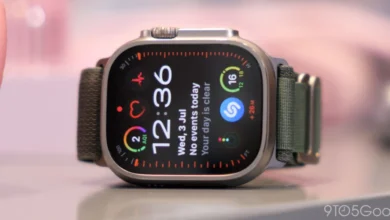
Hands-On with the Apple Watch Series 12: Evaluating the S11 Chip, Health Complications, and Charging Improvements

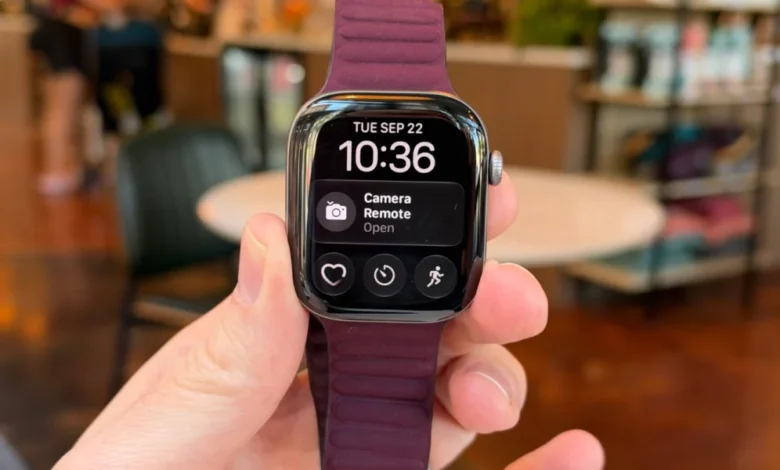
The release of the Apple Watch Series 12 marks another incremental yet meaningful step in the evolution of wearable technology, bringing crucial internal hardware refreshes following a period of minor processing updates. After spending several days testing the latest flagship smartwatch from Apple, reviewers and early adopters have identified three standout areas of improvement: a significantly more capable S11 processor, advanced health-sensing complications integrated directly into watch faces, and substantially faster battery charging speeds. Priced starting at $399, the Series 12 arrives alongside watchOS 27, aiming to bridge the gap between everyday convenience and high-performance health tracking.
Context and Background of the Apple Watch Series 12 Release
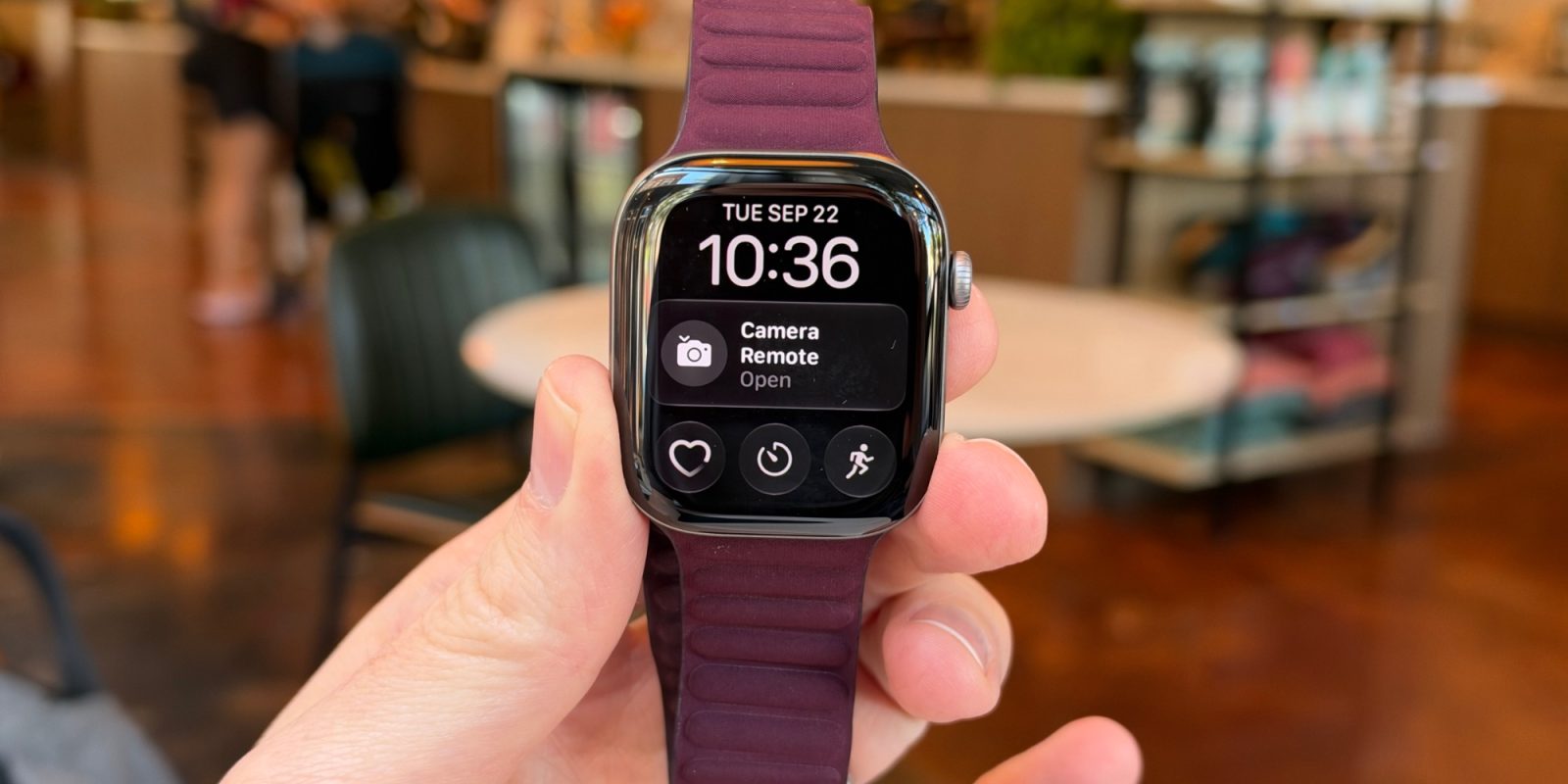
To understand the positioning of the Apple Watch Series 12 within the broader consumer electronics market, it is necessary to examine the cadence of Apple’s recent hardware iterations. Following the introduction of the S9 chip, which provided a noticeable performance boost and enabled local Siri processing, subsequent watch generations saw relatively stagnant processor performance. Industry analysts noted that prior models relied heavily on iterative tweaks to screen technology and casing materials rather than raw computational upgrades.
With the deployment of the S11 chip in the Series 12, Apple has addressed a primary consumer and developer criticism: the need for sustained processing headroom. This hardware refresh coincides with the rollout of watchOS 27, an operating system heavily reliant on artificial intelligence capabilities, particularly advanced on-device Siri interactions. Without the computational backing of the S11 architecture, these sophisticated software features risked sluggish execution on previous-generation hardware.
Performance Analysis: The Impact of the S11 Processor

The integration of the S11 chip represents a fundamental shift in daily usability. Observers testing the Apple Watch Series 12 have reported immediate responsiveness across standard applications, navigation menus, and third-party software. Complex tasks that previously exhibited minor stuttering now execute smoothly.
Of particular note is the performance of Siri AI under watchOS 27. In earlier hardware iterations, voice commands and AI-driven predictive prompts occasionally suffered from latency, requiring users to wait for cloud processing or struggling with local resource allocation. The S11 chip effectively eliminates these bottlenecks, allowing Siri to process complex multi-step queries swiftly and reliably on the wrist. This enhancement reinforces Apple’s strategy of bringing advanced machine learning closer to the user, ensuring that wearable AI tools function as instantaneous assistants rather than cumbersome novelties.
Advanced Health Sensing and New Complications
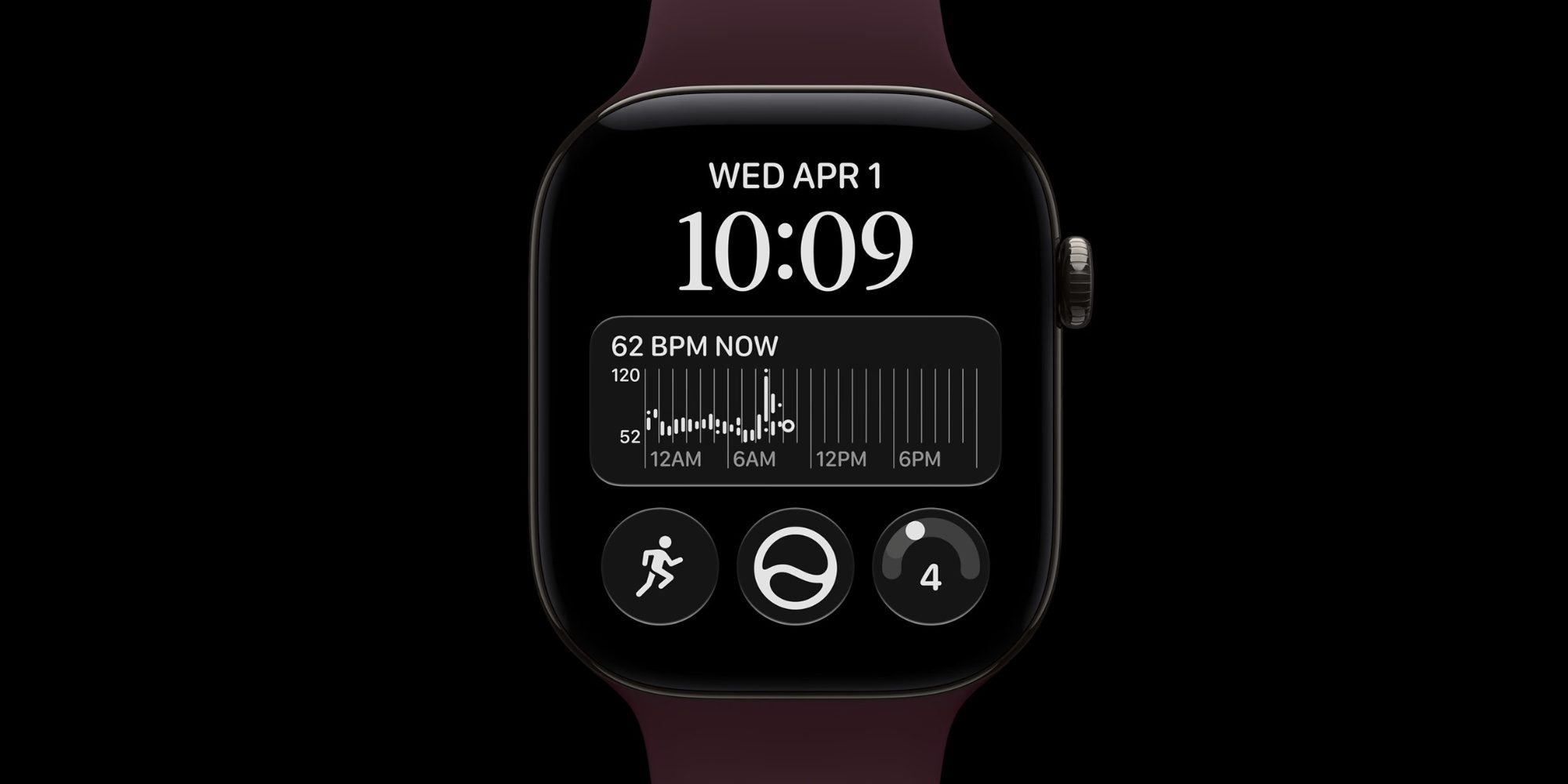
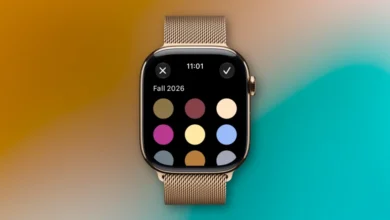
Health and wellness tracking remain the cornerstone of the Apple Watch ecosystem. The Series 12 introduces a redesigned Health Sensing System, engineered to elevate the precision of baseline metrics such as continuous heart rate monitoring and step counting. However, the hardware upgrade extends beyond background data collection, directly impacting user interface design through three novel watch face complications.
These newly introduced complications provide real-time visibility into specific physiological indicators:
- Current heart rate tracking with enhanced update frequencies.
- Precise step counts synchronized with internal accelerometer data.
- A newly calculated readiness score designed to assess recovery and physical strain based on recent exertion and sleep metrics.
While advanced features like the readiness score require a baseline accumulation of personal biometric data before delivering accurate daily insights, the immediate accessibility of heart rate and step complications enhances the utility of modular watch faces. By keeping critical health metrics visible at a glance, the Series 12 reduces the friction associated with opening dedicated applications to review wellness data.
Battery Longevity and Rapid Charging Enhancements
Battery life has historically been a primary constraint for feature-rich smartwatches. The Apple Watch Series 12 maintains a baseline endurance profile comparable to that of the Series 11 during standard daily use. However, engineering optimizations have yielded a notable 25% improvement in battery efficiency specifically during outdoor workouts utilizing continuous GPS and heart rate monitoring.
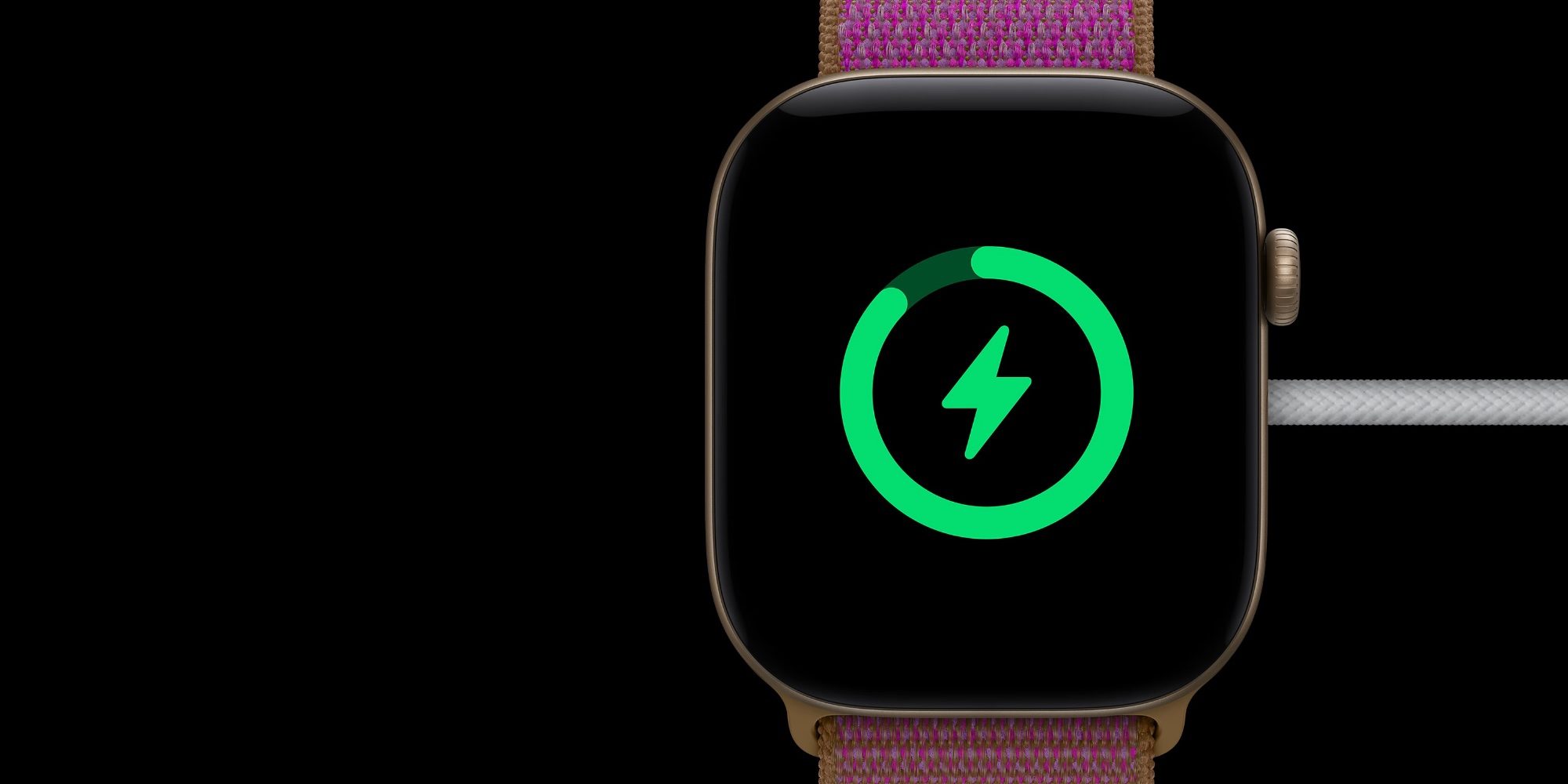
Beyond sustained endurance, the most impactful power-related upgrade in the Series 12 is the implementation of faster charging technology. For users who maintain a continuous monitoring routine—such as wearing the device overnight for sleep tracking—finding an adequate window to recharge the battery can present a logistical challenge. The accelerated charging speeds significantly reduce the time required to achieve a functional charge, mitigating the inconvenience of irregular charging habits. A brief placement on the charging puck in the evening now provides sufficient power to sustain overnight tracking and the following day’s activities.

Market Implications and Consumer Reception
As consumer technology markets face increasing scrutiny regarding the value proposition of annual upgrades, the Apple Watch Series 12 positions itself as a compelling option for users utilizing older hardware generations, such as the Series 9 or earlier. By focusing on core performance bottlenecks—specifically processing speed, charging velocity, and actionable health complications—Apple has targeted the primary pain points reported by long-term smartwatch owners.
Initial availability began in September, with the base model starting at $399, alongside certified refurbished options offering potential cost savings for budget-conscious buyers. As software ecosystems continue to demand greater computational resources, hardware updates like the S11 chip ensure device longevity, positioning the Series 12 as a robust platform for future operating system enhancements and advanced health monitoring capabilities.