Nintendo Switch 2 Owners Get a Rare Break as Samsung P9 512GB microSD Express Drops Back to $99.99 on Amazon

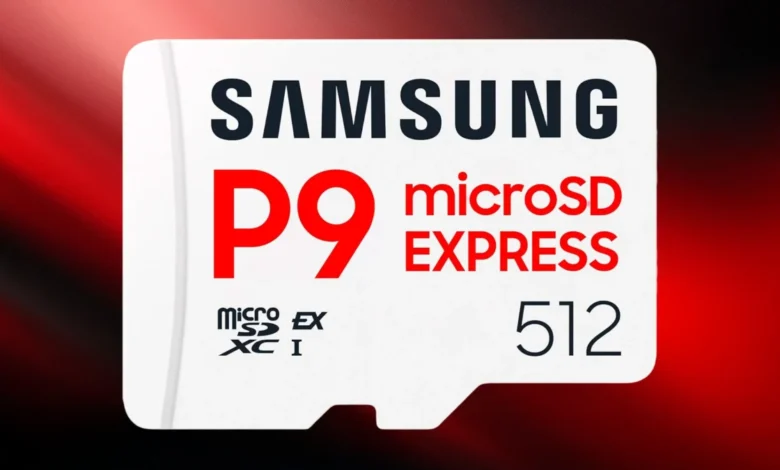
The consumer technology landscape has faced intense pressure over the past several quarters due to an ongoing flash memory shortage that has systematically pushed prices upward across nearly all storage categories. Solid-state drives, standard flash memory cards, and even specialized gaming storage solutions have seen significant markups, leaving consumers with fewer affordable options for expanding their digital libraries. Amid these market-wide pricing pressures, Nintendo Switch 2 owners have received a welcome reprieve. In a rare retail development, the high-performance Samsung P9 512GB microSD Express card has dropped back to its original Manufacturer’s Suggested Retail Price (MSRP) of $99.99 through an Amazon checkout promotion, reversing the inflated pricing trends that have dominated the hardware sector.
The temporary price adjustment represents a notable savings of $50 compared to the card’s recent inflated market value of $149.99. As the next generation of portable gaming hardware continues to demand faster data transfer speeds and larger capacities to accommodate increasingly complex software titles, high-speed storage accessories have become essential purchases for early adopters. This promotional discount offers a timely opportunity for consumers looking to upgrade their portable gaming rigs without paying the premium markup currently associated with high-end flash memory products.
Understanding the Current Flash Storage Shortage
The broader economic context surrounding this price drop is defined by a global supply and demand imbalance within the semiconductor and flash memory manufacturing sectors. Over the past year, major foundries and component suppliers have adjusted production output to balance market saturation and shifting demands in enterprise and mobile markets. This strategic pivot created a sudden tightening of consumer-grade NAND flash memory supplies, commonly referred to in the industry as a flash shortage.
As available inventories dwindled, component distributors and retailers adjusted their pricing structures upward to reflect the scarcity of high-capacity storage modules. Consumers purchasing solid-state drives, traditional microSD cards, and specialized media quickly noticed a steady climb in retail prices. For gamers, particularly those investing in next-generation platforms like the rumored and recently emerging ecosystem surrounding the Nintendo Switch 2, the financial burden of expanding local storage capacity grew increasingly steep.
The introduction of specialized formats, such as microSD Express, further complicated the pricing landscape. These advanced cards incorporate PCIe-based architecture to deliver significantly higher read and write speeds compared to traditional UHS-I or UHS-II media, making them engineering marvels that command higher baseline manufacturing costs. Consequently, finding a high-capacity variant like the Samsung P9 512GB at its baseline MSRP has proven exceptionally difficult in recent months.
The Significance of microSD Express for Next-Generation Portable Gaming
The evolution of portable gaming hardware has placed unprecedented demands on internal and external storage solutions. Traditional microSD cards, while adequate for previous generations of handheld consoles, often create bottlenecks when loading massive open-world environments, high-resolution textures, and complex game assets. To mitigate these performance limitations, hardware developers and memory manufacturers have embraced microSD Express technology.
MicroSD Express cards bridge the gap between traditional portable flash storage and high-speed NVMe solid-state drives. By utilizing a PCIe interface and NVMe protocol, these cards can achieve data transfer speeds that dwarf older formats, significantly reducing load times and enabling seamless asset streaming in demanding video games. For a modern hybrid console like the Nintendo Switch 2, which is expected to handle graphically intensive software ports and expansive digital-only libraries, utilizing a certified high-speed Express card is practically a necessity for optimal performance.
Samsung’s P9 512GB microSD Express card has emerged as a premier option in this specific category. Engineered to deliver sustained high performance while maintaining thermal stability within the tight physical constraints of a handheld device, the P9 model represents the bleeding edge of consumer flash technology. However, these advanced engineering specifications have historically made the card a prime target for price inflation during supply chain disruptions.
Chronology of the Pricing Shift
The trajectory of the Samsung P9 512GB pricing reflects the volatile nature of the current electronics market:
-
Initial Product Launch and Baseline Pricing: When the Samsung P9 512GB microSD Express card was initially introduced to the market, it carried a standard MSRP of $99.99. At this price point, it was positioned as a premium yet accessible storage solution for early technology adopters and performance-conscious enthusiasts.
-
Onset of the Flash Shortage: Within months of the product’s widespread commercial availability, broader supply chain constraints began to impact NAND flash wafer production. Component costs rose across the board, forcing distributors to pass increased expenses down to the consumer level.
-
Peak Price Inflation: As inventories tightened further, third-party and direct-market retail prices for the Samsung P9 512GB climbed steadily, eventually reaching a plateau of $149.99. Many consumers opted to defer their storage purchases, waiting for market stabilization or promotional discounts.
-
Current Promotional Correction: Through Amazon’s targeted checkout discount initiative, the card has temporarily returned to its initial $99.99 baseline. This specific promotion bypasses the prevailing market markups, offering consumers a direct $50 savings that aligns with historical pre-shortage pricing models.
Industry Analysis and Market Implications
Market analysts and hardware reviewers closely monitor such pricing fluctuations to gauge the health of the consumer electronics supply chain. While temporary discounts on high-demand components do not necessarily signal an immediate, permanent end to the broader flash shortage, they indicate that major retailers and manufacturers are willing to deploy strategic promotions to stimulate consumer demand.
For the average gamer, the implications of this price drop are straightforward. High-performance storage is no longer just an aesthetic luxury; it is a fundamental requirement for modern digital gaming. As file sizes for modern video games routinely exceed tens of gigabytes, a 512GB capacity threshold provides a practical sweet spot between cost and long-term utility. Securing such a drive at the original MSRP shields buyers from the artificial inflation caused by supply constraints.
Furthermore, the availability of discounted microSD Express media highlights the competitive nature of the online retail space. Even during periods of component scarcity, strategic partnerships and promotional incentives can occasionally pierce through inflated market averages, rewarding patient consumers who monitor retail platforms closely.
Consumer Guidance and Availability
Consumers interested in taking advantage of the Amazon promotion for the Samsung P9 512GB microSD Express card must navigate standard e-commerce variables, including stock availability and regional shipping restrictions. Because promotional pricing of this nature is frequently tied to limited inventory allotments or specific promotional windows, market experts advise interested buyers to verify that the discount is applied directly at checkout before finalizing their transactions.
As the portable gaming market continues to mature and manufacturers work to stabilize component supply chains, consumers are encouraged to weigh their immediate storage needs against ongoing market trends. For Nintendo Switch 2 owners facing the immediate requirement of expanding their system memory to accommodate large software installations, securing a high-speed, PCIe-backed storage card at its baseline MSRP of $99.99 presents a financially prudent opportunity in an otherwise turbulent hardware market.