Strava Integrates With Google Gemini to Deliver Advanced AI-Powered Workout Insights and Personalized Training Analytics


Fitness tracking giant Strava has officially announced a major technological collaboration with Google, introducing a seamless integration that allows subscribers to connect their fitness accounts directly with Google Gemini. Rolling out to users across the United States, this new feature bridges the gap between raw biometric and geographic workout data and conversational artificial intelligence, offering athletes an unprecedented level of granular insight into their physical performance, training load, and recovery trends.
The integration represents a significant evolution in how fitness enthusiasts interact with their training logs. By linking a Strava profile to Google’s conversational AI assistant, users can transcend traditional graphs, splits, and numerical dashboards. Instead, they can engage in dynamic, contextual dialogues regarding their athletic progress, uncovering underlying patterns in their performance that might otherwise go unnoticed in a standard spreadsheet or mobile app interface.
Unlocking Deeper Training Insights Through Conversational AI
At its core, the Google Gemini and Strava integration is designed to act as an intelligent virtual coach, capable of parsing vast amounts of historical workout data to answer complex, nuanced performance questions. For years, athletes have relied on static metrics such as average pace, total distance, and heart rate zones. While valuable, these numbers often require manual interpretation to understand the broader narrative of physical development or fatigue accumulation.
With the new connected apps experience, users can pose specific queries to Gemini, such as inquiring whether they are genuinely getting faster at the same heart rate. Rather than offering a generalized response, Gemini analyzes cross-disciplinary data points—weighing heart rate and speed against overall training volume, consistency, and the mix of various sports disciplines logged in the user’s profile. Furthermore, the AI can break down race performances meticulously on a mile-by-mile basis, identifying exact points of fatigue, pacing discrepancies, or areas of strength over the course of a long-distance run or cycling event.
The functionality extends beyond simple performance metrics into environmental and physiological correlations. Recent updates to the integration allow users to ask Gemini whether a sluggish feeling during a workout was the result of adverse weather conditions or an indicator of bodily fatigue and inadequate recovery. By synthesizing environmental data with internal biometric loads, the AI provides a more holistic view of athletic health, helping users make informed decisions about when to push harder and when to rest.
How to Connect Strava to Google Gemini
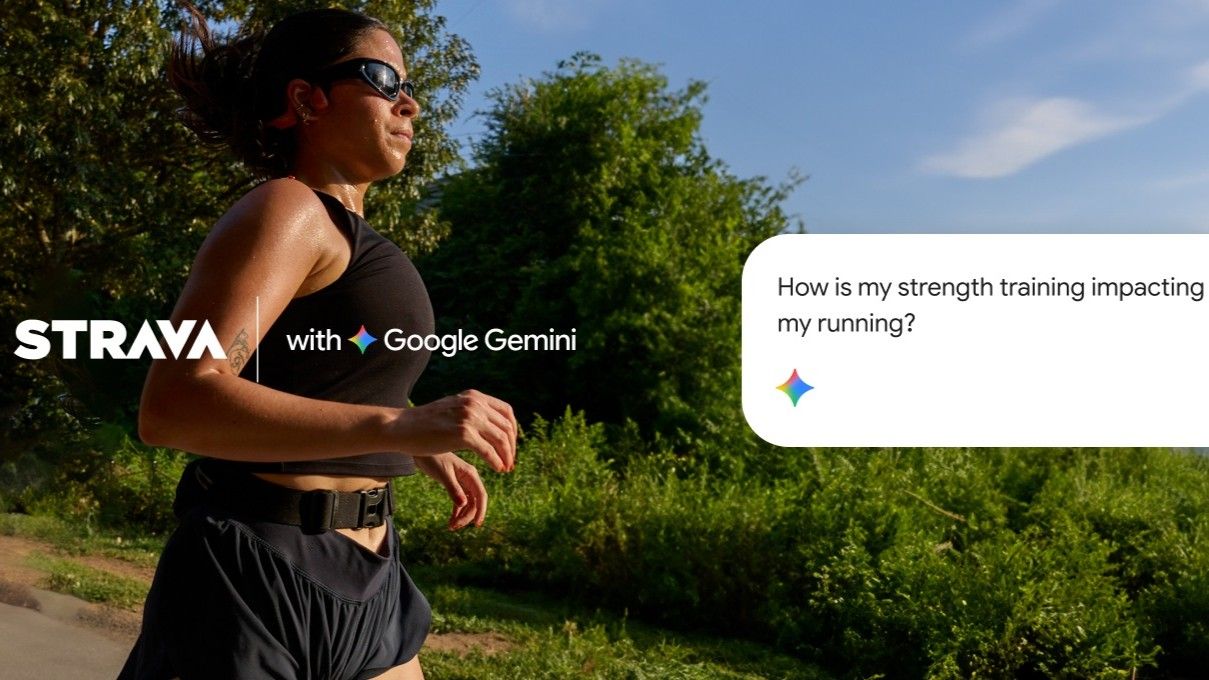
For subscribers looking to take advantage of the new capabilities, the setup process has been streamlined for accessibility across all Gemini tiers. US-based users can initiate the connection by navigating to the "Personal Intelligence" settings within Google Gemini, locating Strava under the "Connected Apps" menu, and completing the secure sign-in authorization. Once linked, Gemini gains the contextual permission required to access historical and ongoing workout logs, ensuring that all insights remain current and tailored to the athlete’s most recent physical endeavors.
The Evolution of AI Within the Strava Ecosystem
This partnership with Google represents the latest chapter in Strava’s broader strategy to integrate artificial intelligence into its platform—a journey that began in earnest over a year and a half ago. At that time, Strava introduced its proprietary "Athlete Intelligence" feature, a development that initially debuted in a closely monitored beta testing phase lasting approximately four and a half months.
When Athlete Intelligence finally graduated to a stable public release, it fundamentally altered how users analyzed non-GPS activities, such as indoor treadmill runs or stationary cycling power outputs. The system gained the capability to automatically evaluate how a user’s current pace or speed compared historically against previous efforts along the exact same geographic route. While early testing revealed minor algorithmic hiccups typical of nascent machine-learning deployments, the overall accuracy and practical utility of the insights quickly won over a skeptical fitness community.
Building upon that foundation, Strava subsequently rolled out AI Performance Predictions, a feature designed to offer athletes a grounded, data-driven alternative to legacy predictive tools found on dedicated sports watches and competing ecosystems. This capability estimates completion times for standard racing distances, including 5K, 10K, half marathons, and full marathons. However, the system requires a robust baseline of historical data to function accurately; Strava mandates that users catalog approximately 20 distinct activities before the predictive algorithms possess enough statistical depth to generate reliable forecasts.
Industry Context and the Competitive Landscape
The integration of Google Gemini into Strava arrives at a time of intense competition within the digital fitness and wearable technology sectors. Major industry players are increasingly racing to incorporate generative AI and sophisticated machine learning models into their software suites to retain user engagement and provide tangible value beyond basic activity tracking.
For years, brands like Garmin, Polar, and Apple have utilized proprietary algorithms to estimate recovery times, training readiness, and race predictions. By partnering with Google—one of the world’s foremost leaders in artificial intelligence development—Strava has effectively bypassed the need to build a massive, standalone conversational AI infrastructure from scratch. Instead, the company is leveraging Google’s established ecosystem to offer an interface that many users already utilize for daily tasks.

This move also highlights a broader shift toward platform interoperability in the health and wellness tech space. As consumers increasingly fragment their data across multiple devices—such as smartwatches from various manufacturers, dedicated bike computers, smart glasses, and mobile fitness applications—the demand for centralized, intelligent synthesis tools has never been higher. By allowing Gemini to act as a universal aggregator and interpreter of Strava data, Google and Strava are tapping into the consumer desire for frictionless, natural-language health guidance.
Broader Implications and Future Outlook
The fusion of conversational AI with endurance sports analytics carries profound implications for both amateur and professional athletes. Historically, personalized coaching was a luxury reserved for those who could afford professional human trainers. While algorithms cannot fully replicate the empathy and nuanced tactical adjustments of a human coach, tools like Google Gemini integrated with comprehensive training logs democratize access to advanced analytical insights.
Athletes can now query their data late at night or early in the morning, receiving instantaneous feedback that incorporates weeks of training context. This immediate feedback loop can assist in preventing overtraining injuries, optimizing taper periods ahead of major competitions, and maintaining psychological motivation through objective progress tracking.
As data privacy and security remain paramount concerns for users sharing sensitive biometric and location information, both Strava and Google have emphasized that the integration operates under strict permission controls, with users maintaining ultimate authority over what data is shared and how it is utilized.
Looking ahead, industry analysts expect this integration to serve as a bellwether for future developments in digital health tech. As large language models become more deeply embedded in daily consumer workflows, the boundary between fitness tracking and intelligent lifestyle coaching will continue to blur. For Strava subscribers in the United States exploring the new Gemini connected app experience, the future of training is conversational, deeply personalized, and available directly at their fingertips.