Vivo’s Developing "Wide Fold" Smartphone Sparks Industry Intrigue Ahead of Projected 2027 Launch


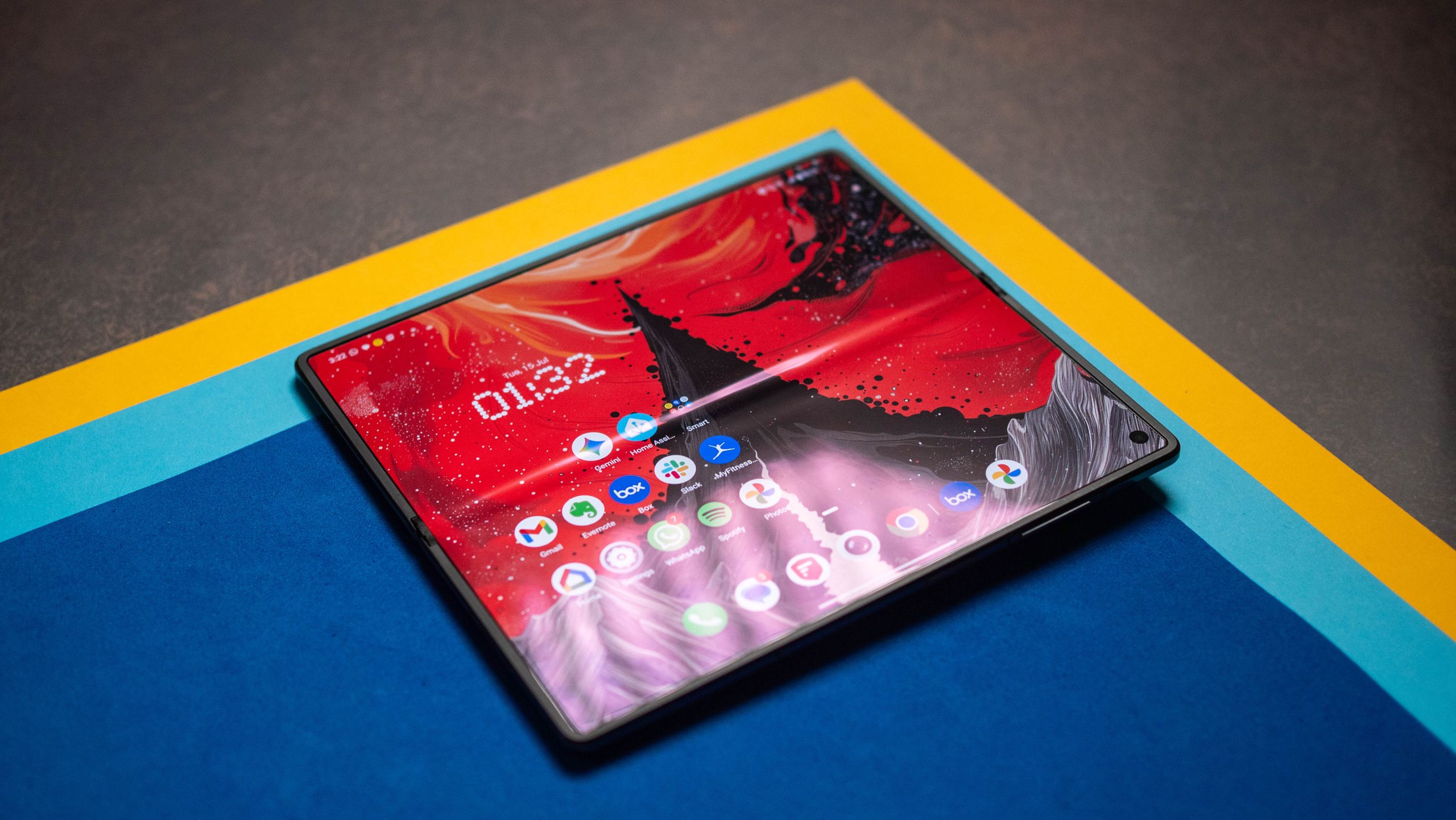
The global foldable smartphone market is bracing for a potential shift in form factor design as emerging intelligence suggests that major Chinese original equipment manufacturers (OEMs) are ramping up development on widescreen foldable devices. Among them, smartphone manufacturer Vivo has reportedly continued active development on a distinctive "wide fold" device. Unlike competitors leaning into expansive screen sizes that mirror ultra-wide phablets or small tablets, industry leaks indicate Vivo is charting a notably compact course, with a projected market arrival slated for 2027.
The latest wave of supply chain intelligence and industry forecasting originated on the microblogging platform Weibo. Prominent tipster Digital Chat Station (DCS), known for an accurate track record regarding unreleased mobile hardware, revealed that Vivo’s conceptualization of a wide foldable phone remains firmly on its long-term product roadmap. According to these leaked specifications, Vivo’s device could break convention by featuring an internal main screen measuring under 6.5 inches. This design philosophy sets the proposed device apart from the broader industry trend toward larger foldables, which typically hover around 7.6 inches on the inner display, as seen in devices like Samsung’s Galaxy Z Fold series.
Contextualizing the Evolving Foldable Landscape
To understand the significance of Vivo’s rumored trajectory, one must examine the broader evolution of the foldable device category. When foldable smartphones first emerged on the commercial market, they were largely divided into two categories: vertical flip phones (clamshells) and horizontal book-style foldables. The latter category initially favored tall, narrow outer screens paired with nearly square internal displays. While functional for multitasking, these dimensions frequently resulted in awkward typing experiences on the cover display and letterboxing when viewing standard 16:9 or 21:9 video content on the unfolded inner screen.
In response to consumer feedback, the industry gradually shifted toward wider, more traditional aspect ratios for cover displays, allowing the outer screen to function identically to a standard candy-bar smartphone. Recently, the market has seen the popularization of "wide foldables"—devices that maximize horizontal estate both inside and out. Samsung’s Galaxy Z Fold 8, alongside various conceptual entries from rival manufacturers, has continued to push the baseline dimensions outward to maximize screen-real estate for productivity apps, split-screen multitasking, and media consumption.
Against this backdrop, Vivo’s reported pivot toward a sub-6.5-inch wide fold represents a calculated counter-programming strategy. Rather than competing directly in the ultra-large folding tablet space, Vivo appears to be targeting consumers who desire the utility of a foldable device—such as an expanded workspace and versatile camera angles—without the added bulk, weight, and pocketability compromises associated with larger folding handsets.
Hardware Maturity and Component Standardization
Despite the 2027 timeline pointing to a release several years away, preliminary development on the device is already well underway. According to Digital Chat Station, a substantial portion of the hardware components and architectural layout for Vivo’s wide fold have already been finalized. Finalizing core components at this stage indicates that Vivo is not merely toying with a paper concept, but rather engineering a production-ready device capable of navigating complex supply chains.
Community reactions on digital forums and Chinese social media platforms suggest a generally pragmatic reception to the rumor. While a sub-6.5-inch inner screen sounds counterintuitive in a market obsessed with maximizing diagonal inches, tech enthusiasts have noted that Vivo’s historical strength in engineering ultra-thin chassis designs and implementing high-density silicon-carbon battery cells could yield a remarkably lightweight device. Observers suggest that if Vivo can deliver flagship-tier specifications—such as top-tier mobile processors, advanced periscope camera systems, and robust hinge durability—in a compact, pocket-friendly foldable body, it could carve out a unique niche distinct from its larger competitors.
Competitive Landscape: Honor and OPPO Also Eyeing Widescreen Formats
Vivo is not operating in a vacuum. The race to dominate the next generation of wide foldables involves several key players in the Asian consumer electronics market, each employing distinct hardware philosophies.
Industry reports concerning Honor’s alleged wide foldable project point to a much larger footprint, mirroring the conventional industry standard. Rumors surrounding Honor’s hardware pipeline suggest the company is preparing a device featuring a spacious 7.6-inch internal display coupled with a 5.5-inch cover screen. Furthermore, supply chain whispers indicate that Honor’s upcoming foldable could pack an extraordinarily dense battery, rumored to reach or exceed 7,000mAh, thereby addressing one of the most persistent consumer complaints regarding foldable endurance.
Similarly, OPPO has been frequently linked in supply chain leaks to a competing widescreen foldable device. Current intelligence suggests OPPO’s variant will likewise feature a 7.6-inch main display and a 5.5-inch exterior screen. Under the hood, OPPO’s iteration is widely expected to leverage cutting-edge silicon, specifically pointing toward Qualcomm’s future Snapdragon 8 Elite generational platforms. Market analysts project that OPPO could look to commercialize its wide foldable offering as early as the first quarter of 2027, positioning it slightly ahead of or concurrently with Vivo’s timeline.
Strategic Implications and Market Outlook
The convergence of multiple major manufacturers pivoting toward wide-format foldables signals a maturing market segment. Early foldable generations were defined by proof-of-concept engineering challenges: minimizing the crease, improving hinge longevity, and reducing overall thickness. With those foundational engineering hurdles largely conquered by industry leaders, brands are now segmenting the market through distinct ergonomic form factors.
For Vivo, choosing a smaller display size within a wide-fold architecture is a high-stakes gamble. On one hand, it addresses a vocal demographic of users who find current foldables too heavy, wide when closed, or unwieldy for single-handed use. By prioritizing ergonomics and portability, Vivo could appeal to mainstream consumers who have historically resisted foldable adoption due to physical bulk.
On the other hand, a sub-6.5-inch inner display runs the risk of alienating power users who purchase foldables specifically for maximum digital workspace. Multitasking, document editing, and immersive media viewing derive direct benefits from expansive screen real estate. Restricting the inner display dimensions could limit the productivity advantages that make foldable phones compelling alternatives to traditional flagships.
As the industry looks toward 2027, the success of these competing form factors will ultimately depend on consumer preferences regarding the balance between screen workspace and physical ergonomics. While competitors like Honor and OPPO double down on maximizing display acreage and battery capacity, Vivo’s pursuit of a compact widescreen foldable promises to test whether less can indeed be more in the evolving landscape of mobile hardware innovation.