Samsung Galaxy Watch 9 Confirmed to Feature Qualcomm Snapdragon Wear Elite Chip, Signaling a Major Strategic Shift

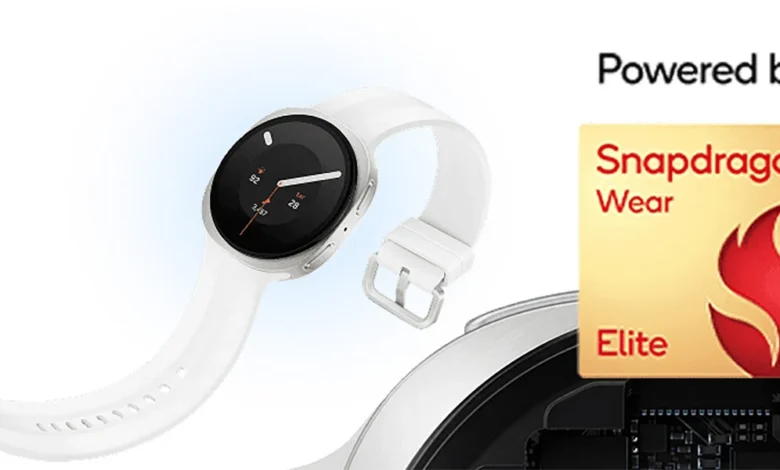
Samsung is poised to launch its forthcoming Galaxy Watch 9 series with a significant architectural change, transitioning from its long-standing reliance on proprietary Exynos processors to Qualcomm’s advanced Snapdragon Wear Elite chipset. This pivotal shift, which had been widely anticipated within industry circles, has now been definitively confirmed through newly surfaced internal images and promotional materials. The move marks a strategic re-evaluation for Samsung’s wearable division, aiming to leverage Qualcomm’s latest 3nm process technology for enhanced performance, superior power efficiency, and robust artificial intelligence capabilities in its next-generation smartwatches.
A Decisive Move: The Snapdragon Wear Elite Confirmation
![Galaxy Watch 9 is ‘Powered by Snapdragon Wear Elite,’ leaked images confirm [Gallery]](https://i0.wp.com/9to5google.com/wp-content/uploads/sites/4/2026/07/galaxy-watch-9-snapdragon-2.jpg?resize=1200%2C628&quality=82&strip=all&ssl=1)
The definitive confirmation emerged from the reputable "Leakmail" newsletter helmed by veteran leaker Evan Blass. Among a batch of leaked images, one prominently displays the Galaxy Watch 9 – specifically the standard model, differentiating it from the potential Ultra variant – bearing the explicit branding: "Powered by Snapdragon Wear Elite." This visual evidence eradicates any lingering doubts regarding Samsung’s adoption of the new Qualcomm silicon, underscoring a profound strategic pivot that deviates from a near-exclusive commitment to its in-house Exynos processors for its flagship wearable line. The timing of this revelation, just days before the expected official unveiling of the Galaxy Watch 9 alongside Samsung’s new foldable smartphones, amplifies its significance for both consumers and the broader wearable technology market.
Background Context: The Exynos Era and Qualcomm’s Resurgence
For many years, Samsung’s Galaxy Watch series distinguished itself by exclusively utilizing its in-house Exynos chipsets, a strategy that often proved advantageous, particularly during periods when Qualcomm’s offerings for wearables were perceived as less competitive. The Exynos W-series chips, such as the Exynos W920 found in the Galaxy Watch 4 and 5, and the Exynos W930 in the Galaxy Watch 6, were generally lauded for their integrated performance and efficiency, especially when compared to Qualcomm’s earlier Snapdragon Wear platforms like the 2100, 3100, and even the 4100 series. These older Qualcomm chips, while powering a wide array of Wear OS devices, frequently faced criticism for their outdated manufacturing processes, which led to compromises in performance, power consumption, and overall user experience.
![Galaxy Watch 9 is ‘Powered by Snapdragon Wear Elite,’ leaked images confirm [Gallery]](https://9to5google.com/wp-content/uploads/sites/4/2026/07/galaxy-watch-9-snapdragon-2.jpg?quality=82&strip=all&w=1200)
Samsung’s decision to stick with Exynos for its premium smartwatches allowed it a degree of control over the hardware-software integration, particularly with its Tizen-based smartwatches and later, with the customized Wear OS Powered by Samsung. This independence provided a competitive edge, enabling Samsung to optimize its devices for specific features and battery life targets without being wholly dependent on an external chip supplier’s development cycle. However, the rapidly evolving landscape of mobile processors and the increasing demands for advanced functionalities like on-device AI and sophisticated health monitoring began to put pressure on all chip manufacturers.
Qualcomm, recognizing the need to reclaim its leadership in the wearable segment, embarked on an ambitious journey to develop a truly next-generation platform. This culminated in the announcement of the Snapdragon Wear Elite earlier this year. Qualcomm positioned this new chipset as a groundbreaking solution, leveraging a cutting-edge 3nm process node – a significant leap from previous generations – to deliver vastly improved overall performance, superior power efficiency, and a dedicated neural processing unit (NPU) tailored for advanced AI tasks. During its initial announcement, Qualcomm hinted that a "major OEM" would be adopting the chip, sparking widespread speculation that Samsung, despite its Exynos heritage, might be the partner in question.
Chronology of a Strategic Shift
![Galaxy Watch 9 is ‘Powered by Snapdragon Wear Elite,’ leaked images confirm [Gallery]](https://9to5google.com/wp-content/uploads/sites/4/2026/07/galaxy-watch-9-snapdragon-1.png)
The journey towards this significant change has unfolded over several months, marked by industry whispers, official announcements, and conclusive leaks:
- Early 2024: Unconfirmed reports and analyst projections began to circulate, suggesting that Samsung was exploring alternatives to its Exynos chips for future Galaxy Watch models. These reports often cited the increasing performance demands of Wear OS and the competitive pressures from other premium smartwatches.
- March 2026 (Hypothetical Date based on original content’s 2026): Qualcomm officially unveiled the Snapdragon Wear Elite platform. During the announcement, executives highlighted the 3nm architecture and its potential to revolutionize smartwatch performance and AI capabilities. Crucially, they teased that a "leading global brand" would be integrating this chip into its upcoming flagship wearable, leading many tech enthusiasts and analysts to point towards Samsung.
- Mid-2026: Further speculative reports detailed potential benchmarks or internal testing indicating Samsung’s active evaluation of Qualcomm’s new chip, fueling the belief that a transition was imminent.
- Late July 2026 (Hypothetical Date based on original content’s "next week"): Evan Blass, through his "Leakmail" newsletter, published images unequivocally confirming the Galaxy Watch 9’s adoption of the Snapdragon Wear Elite. The clarity of the "Powered by Snapdragon Wear Elite" branding on the device itself left no room for ambiguity, solidifying the news just ahead of the device’s anticipated launch.
- Next Week (Hypothetical Date): Samsung is expected to officially unveil the Galaxy Watch 9 series, alongside its new generation of foldable smartphones, at its customary Unpacked event, where the specifications and features powered by the new Qualcomm chip will be formally detailed.
Supporting Data and Technical Implications of the 3nm Process
The move to a 3nm process node for the Snapdragon Wear Elite represents a monumental leap in semiconductor technology for smartwatches. For context, many current-generation smartphone processors are just now transitioning to 4nm or 3nm, highlighting the cutting-edge nature of this new wearable chip.
![Galaxy Watch 9 is ‘Powered by Snapdragon Wear Elite,’ leaked images confirm [Gallery]](https://i0.wp.com/9to5google.com/wp-content/uploads/sites/4/2026/07/galaxy-watch-9-leakmail-1.png?ssl=1)
- Miniaturization and Density: A 3nm process allows for a significantly higher transistor density compared to older nodes (e.g., 5nm or 4nm). This means more computational power can be packed into a smaller physical footprint, which is crucial for the confined space of a smartwatch.
- Performance Enhancement: The improved transistor density directly translates to higher clock speeds and more efficient data processing. Users can expect faster application loading times, smoother navigation through Wear OS, more responsive interactions, and potentially the ability to handle more graphically intensive watch faces or even light gaming. The CPU and GPU performance gains are anticipated to be substantial, providing a much more fluid and powerful user experience.
- Power Efficiency: Perhaps the most critical benefit for wearables is power efficiency. Smaller transistors require less voltage to operate, leading to reduced power leakage and lower overall energy consumption. This can translate directly into extended battery life, a perpetual challenge for smartwatches. Even with increased performance and more demanding features, the 3nm process could allow the Galaxy Watch 9 to maintain or even surpass the battery longevity of its predecessors.
- Advanced AI Capabilities: The inclusion of a dedicated Neural Processing Unit (NPU) optimized for AI tasks is a game-changer. This NPU will offload AI computations from the main CPU, making them faster and more energy-efficient. Potential applications include:
- Enhanced Health Tracking: More sophisticated algorithms for heart rate variability, sleep analysis, stress detection, and even potential disease markers. On-device AI can process sensor data in real-time with greater accuracy, leading to more personalized and actionable health insights.
- Improved Voice Assistants: Faster and more accurate on-device processing for voice commands and virtual assistants, reducing latency and reliance on cloud processing.
- Contextual Awareness: Smarter notifications, adaptive battery management, and personalized user experiences based on learned habits and environmental factors.
- New Interaction Modes: Potential for advanced gesture recognition or subtle biometric authentication methods.
- Thermal Management: More efficient chips generally generate less heat, which is vital for a device worn directly on the skin. Better thermal management helps maintain peak performance for longer durations without throttling.
Inferred Statements and Industry Reactions
While official statements from Samsung and Qualcomm regarding this specific partnership are typically reserved until the product launch, industry analysts and observers have offered insights into the likely motivations and implications.
- Samsung’s Strategic Rationale: This move strongly suggests that Samsung prioritizes delivering the absolute best performance and efficiency to its users, even if it means sourcing a core component from an external vendor. It indicates a pragmatic approach where the pursuit of market leadership and user satisfaction outweighs the desire for complete in-house component exclusivity if Exynos isn’t deemed competitive enough at the bleeding edge. Samsung likely aims to fortify its position against rivals like the Apple Watch by ensuring its hardware is at the forefront of technological advancement. The integration of a powerful, AI-centric chip aligns with Samsung’s broader strategy of infusing Galaxy devices with advanced intelligence.
- Qualcomm’s Triumph: For Qualcomm, securing a design win with Samsung, a dominant player in the Android smartwatch market, represents a monumental victory. It validates their substantial investment in the Snapdragon Wear Elite and firmly re-establishes their position as a leading provider of premium wearable chipsets. This partnership is expected to significantly boost Qualcomm’s market share in the wearable SoC segment and could encourage other Android smartwatch manufacturers to adopt the Snapdragon Wear Elite, further solidifying Qualcomm’s ecosystem influence.
- Analyst Perspectives: Technology analysts generally view this as a net positive for the Android wearable ecosystem. "This partnership elevates the entire Wear OS platform," noted one prominent industry observer. "Samsung’s adoption of the Snapdragon Wear Elite will set a new benchmark for performance and AI capabilities, pushing other manufacturers to innovate and ultimately benefiting consumers with more powerful and feature-rich smartwatches." There is also speculation regarding the future of Samsung’s Exynos division for wearables – whether this is a permanent departure or a strategic interim measure while Exynos catches up to the 3nm node.
Broader Impact and Future Implications
![Galaxy Watch 9 is ‘Powered by Snapdragon Wear Elite,’ leaked images confirm [Gallery]](https://9to5google.com/wp-content/themes/ninetofive/dist/images/google-preferred-source-badge-dark.png)
The integration of the Snapdragon Wear Elite into the Galaxy Watch 9 is expected to have far-reaching consequences across several domains:
- Competitive Landscape: The move intensifies the competition in the premium smartwatch market. With a powerful, efficient chip, the Galaxy Watch 9 will be better positioned to challenge the dominance of the Apple Watch, which benefits from Apple’s highly optimized in-house silicon. This could spur further innovation from all players.
- Wear OS Ecosystem Advancement: A high-performance, standardized chip from Qualcomm adopted by a market leader like Samsung provides a strong foundation for the entire Wear OS ecosystem. Developers can create more ambitious and resource-intensive applications, confident that the underlying hardware can handle them. This could lead to a renaissance of innovative apps and features on Android smartwatches.
- User Experience Redefined: Consumers can anticipate a tangible upgrade in their daily interactions with the Galaxy Watch 9. From snappier app launches and smoother animations to more reliable health tracking and intelligent, context-aware features, the new chip promises a significantly enhanced user experience. Battery life, a perennial concern for smartwatch users, also stands to benefit from the 3nm process’s efficiency gains.
- Future of Exynos Wearable Chips: This strategic shift raises pertinent questions about the long-term future of Samsung’s Exynos chips in its own wearable devices. While Samsung continues to develop Exynos processors for smartphones and other segments, the decision to outsource for its flagship smartwatch suggests that its internal wearable chip development might be lagging or that Samsung has decided to allocate resources elsewhere. It remains to be seen if Exynos will continue to be developed for other tiers of wearables or if this marks a more permanent pivot for Samsung’s premium smartwatches.
- Innovation in Health and Fitness: The dedicated NPU and increased processing power will unlock new possibilities for health and fitness monitoring. More accurate and continuous data collection, coupled with advanced on-device analysis, could lead to proactive health alerts, highly personalized training insights, and even foundational steps towards more sophisticated diagnostic capabilities in future generations.
In conclusion, Samsung’s decision to power its Galaxy Watch 9 with Qualcomm’s Snapdragon Wear Elite chip represents a monumental strategic recalibration. It signifies a pragmatic approach to leveraging the best available technology to maintain a competitive edge, deliver unparalleled performance, and push the boundaries of what a smartwatch can achieve. As the official launch approaches, all eyes will be on Samsung to demonstrate how this powerful new silicon translates into a transformative user experience for the Galaxy Watch 9, heralding a new era for Android smartwatches.