Google is expanding Pixel 11 Pro HiLight capabilities with new WhatsApp messaging support

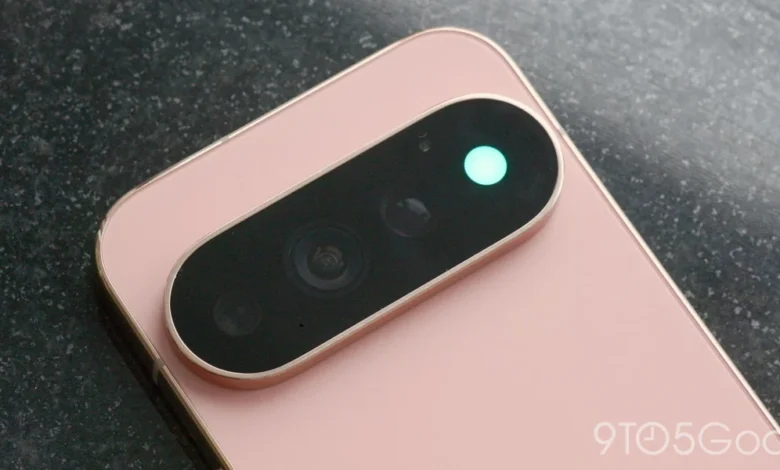
The November 2026 Pixel Feature Drop has introduced a significant functional expansion for the Pixel 11 Pro series, specifically targeting the HiLight notification system. While the feature launched with a somewhat limited scope, Google has now integrated support for WhatsApp messaging, effectively bridging the gap between standard SMS/RCS communication and third-party messaging platforms. This update, which arrives as part of the Android 17 QPR2 rollout, allows users to assign distinct color-coded light patterns to specific contacts, ensuring that high-priority communications are visually identifiable at a glance.
The Evolution of HiLight: From Concept to Integration
HiLight was introduced as a marquee hardware-software synergy feature for the Pixel 11 Pro, designed to leverage the device’s physical design elements to provide ambient, non-intrusive notifications. At its debut, the utility was restricted to phone calls and native Google Messages, leaving a notable void for the millions of users who rely on encrypted messaging services like WhatsApp for their daily interactions.
The progression toward this expanded functionality has been steady. In late September 2026, eagle-eyed users and beta testers identified early code within the Android 17 QPR2 builds that hinted at an intent to widen the compatibility of the HiLight API. These early reports suggested that Google was working on a modular notification framework that would allow third-party developers to tap into the device’s light-emitting interface. The transition from these initial test builds to the official November stable release marks a shift in how Google approaches its "Pro" series exclusives, prioritizing utility for the power user segment.
Chronology of the November 2026 Update
The rollout follows a predictable but accelerated timeline for Google’s software division. The path to the current version of HiLight can be traced through the following milestones:
- August 2026: Official launch of the Pixel 11 Pro, featuring the debut of the HiLight system as a premium, hardware-specific notification tool for calls and Google Messages.
- September 2026: Developers and community enthusiasts discover references to expanded notification support within the Android 17 QPR2 developer preview.
- October 2026: Internal stability testing for the integrated messaging support continues, with reports suggesting that WhatsApp was the primary target for the first wave of third-party integration.
- November 10, 2026: Google officially releases the November Feature Drop, confirming that Google Messages now supports custom HiLight colors for individual contacts.
- November 13, 2026: Following user queries and reports of intermittent functionality, official confirmation is provided by Google’s product management team regarding the inclusion of WhatsApp messaging.
Technical Analysis: How HiLight Functions
The HiLight system operates by utilizing the internal display-edge or specialized light-emitting hardware components to project a subtle glow or flash when a notification is received. By assigning a specific color to a contact, the user creates a "VIP" notification layer that bypasses the need to wake the device or check the lock screen.

From a technical perspective, the integration with WhatsApp represents a significant architectural step. Unlike SMS, which is a system-level protocol, WhatsApp operates through its own notification stream. By enabling this support, Google has opened its notification bridge to API hooks, allowing WhatsApp’s notification service to trigger the HiLight hardware directly. This requires tight synchronization between the Android 17 notification listener service and the hardware driver for the HiLight module. Analysts note that this implementation is likely a "gated" feature, meaning Google may be manually vetting which applications receive access to the system-level notification light to prevent battery drain or UI clutter.
Official Responses and Industry Context
Shenaz Zack, the Senior Director of Product Management for Pixel, confirmed the feature’s capability in a demonstration shared on social media platforms. In the video, she illustrated how WhatsApp messages—not just calls—now trigger the pre-configured color patterns, emphasizing the "VIP attention" aspect of the feature. This acknowledgment serves as an important signal to the user base that Google is listening to feedback regarding regional messaging preferences.
In many markets outside of North America, WhatsApp is the primary medium for business and personal communication. By ignoring WhatsApp in the initial launch, Google faced criticism from international markets where the Pixel 11 Pro’s utility was perceived as restricted. The rapid correction in the November update suggests a strategic pivot toward global market competitiveness. Industry observers suggest this move is an attempt to align the Pixel ecosystem more closely with the expectations of European and Asian markets, where the lack of platform-agnostic notification tools can often be a dealbreaker for prospective smartphone buyers.
The Broader Implications for Pixel 11 Pro Users
The implications of this update extend beyond simple convenience. For the professional user, the ability to categorize incoming alerts by sender and platform (e.g., a blue light for a work-related WhatsApp message, a red light for an urgent call) minimizes the "attention tax" associated with constant smartphone checking. This aligns with Google’s ongoing "Digital Wellbeing" initiative, which seeks to reduce the time spent interacting with a device screen by providing more contextually relevant, ambient information.
Furthermore, the integration sets a precedent for the future of the Pixel 11 series. If Google continues to open the HiLight API, we may see support for other major communication platforms such as Telegram, Signal, or Slack in future quarterly updates. This modularity could transform HiLight from a niche aesthetic feature into an essential productivity tool.
Market Position and Competitive Landscape
In the premium smartphone segment, manufacturers are increasingly looking for "invisible" features that differentiate their hardware without requiring massive screen real estate. The Pixel 11 Pro’s HiLight is a direct competitor to features like notification LEDs of the past or the "Always-On Display" ambient light effects seen on various flagship devices. However, by making the light patterns user-customizable and contact-specific, Google has elevated the utility of the feature beyond a simple blinker.

As of November 2026, the Pixel 11 Pro maintains its position as the flagship device in Google’s hardware lineup. The decision to prioritize this feature update underscores a broader strategy to refine the software experience long after the hardware has hit the shelves. This "evergreen" software approach—frequently updating the device with meaningful, non-cosmetic changes—is a key pillar of Google’s competitive strategy against rivals like Apple and Samsung, who generally hold back major feature additions for annual hardware cycles.
Future Outlook and Conclusion
Looking forward, the success of the HiLight feature will depend on the stability of the API and the willingness of developers to adopt it. While WhatsApp is a significant win, the true test will be the inclusion of a wider array of enterprise and personal communication apps.
For current owners of the Pixel 11 Pro, the update is available immediately upon installing the November 2026 system patch. Users can configure these settings by navigating to the "Notifications" section within the system settings, where they can assign specific color identifiers to contacts within their linked WhatsApp and Google Messages threads.
This development serves as a prime example of the modern smartphone lifecycle: hardware remains static, but its functional value grows through iterative software refinement. As the Pixel 11 Pro continues to receive these feature drops, the gap between its initial release state and its current capability highlights the increasing importance of software-led differentiation in a market where hardware specifications are reaching a plateau. By listening to the needs of its international user base and rapidly deploying fixes for messaging limitations, Google has reinforced the value proposition of the Pixel 11 Pro as a device that evolves alongside the user’s communication habits.
As the industry moves toward 2027, all eyes will be on whether this "HiLight" ecosystem will remain a Pixel Pro exclusive or if Google will look to democratize these ambient notification features across the standard Pixel line. For now, however, the Pixel 11 Pro continues to set the standard for how notification hardware can be optimized for a diverse, cross-platform messaging world.