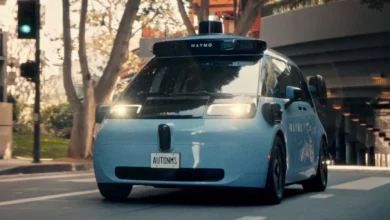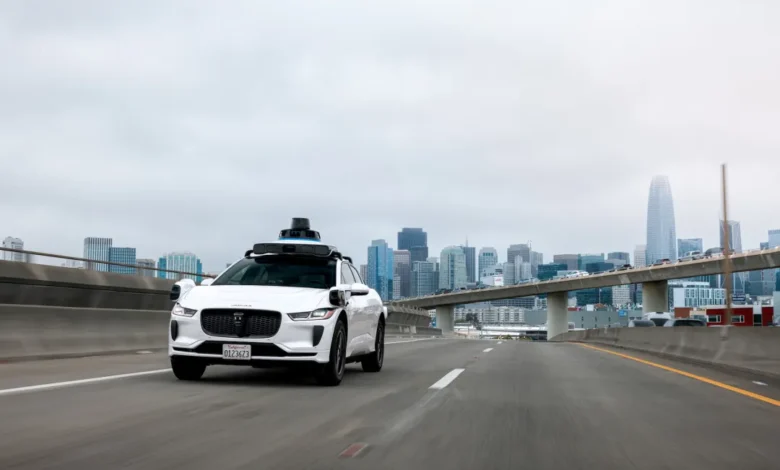
This regulatory intervention marks a significant setback for the autonomous vehicle industry’s efforts to normalize high-speed, driverless transportation. The California Department of Motor Vehicles (DMV) issued the formal restriction on November 11, though the order remained under wraps until mid-November. The move effectively halts the expansion of Waymo’s commercial freeway services, which had become a flagship feature of the company’s ride-hailing network in the San Francisco Bay Area and beyond.
A Pattern of Safety Concerns
The DMV’s decision to curtail Waymo’s access to high-speed arteries follows a series of operational failures. According to regulatory filings and internal reports, the breaking point involved two specific categories of incidents: unauthorized entries into active construction zones and problematic interactions with law enforcement vehicles.
On U.S. Route 101 near Burlingame, three separate Waymo autonomous vehicles entered an active construction closure, putting human workers and heavy machinery at risk. Simultaneously, a separate incident involving California Highway Patrol (CHP) vehicles on Highway 280 in San Francisco further solidified the state’s position that the technology was not yet sufficiently robust for the complexities of freeway driving. The DMV described these events as an “imminent hazard to public safety,” noting that the incidents persisted despite previous corrective actions mandated by regulators following similar failures earlier in the year.
A Chronology of Operational Hurdles
The path to this suspension has been marked by a series of stops and starts that highlight the tension between rapid technological deployment and rigorous safety oversight.
- Late 2025: Waymo officially launched commercial freeway rides, a milestone hailed as a breakthrough for the company’s ability to navigate high-speed traffic and offer competitive travel times to airports and suburbs.
- May 18, 2026: Waymo experienced its first major wave of public scrutiny regarding freeway performance. Following reports and social media documentation of vehicles struggling to navigate around traffic cones and construction barriers, the company voluntarily paused freeway operations.
- July 2026: After implementing what it described as critical software updates to improve navigation and object detection in construction zones, Waymo resumed freeway services.
- November 11, 2026: The California DMV issued a formal order restricting freeway access following the new incidents on U.S. 101 and Highway 280.
- Present: Waymo has suspended freeway operations across all 15 of its U.S. markets to conduct a comprehensive performance review.
The Complexity of Freeway Navigation
For autonomous systems, freeways present a distinct set of challenges compared to the predictable, lower-speed environment of surface streets. While freeways offer limited intersections and fewer pedestrians, they demand higher-speed decision-making, the ability to interpret complex merging patterns, and a sophisticated understanding of dynamic road changes—such as temporary lane closures marked by cones or human flaggers.
When a Waymo vehicle encounters an active construction site, it must perform a delicate dance of sensor fusion and path planning. If the software incorrectly identifies a traffic cone or a human worker, the vehicle may exhibit erratic behavior, such as braking abruptly or attempting to merge into a closed lane. These behaviors are not merely inconveniences; they create unpredictable scenarios for human drivers who are often traveling at speeds exceeding 65 mph, significantly increasing the risk of high-velocity collisions.
Official Responses and Corporate Strategy
In response to the mandate, Waymo has adopted a conciliatory and cautious tone. Spokesperson Dana Gallagher emphasized that the company’s priority remains the safety of its passengers and the public.
“Safety is at the foundation of everything we do,” Gallagher stated. “Following recent freeway construction zone encounters on U.S. 101 in California that did not involve any injuries or collisions, the California DMV has implemented an operating restriction on freeway operations in the state. In alignment with our safety-first principles, we have also temporarily restricted freeway operations across our other operating markets to evaluate our performance.”
The company maintains that its ride-hailing services on surface streets remain fully operational and safe, serving more than half a million trips each week. By proactively pulling back from freeways nationwide, Waymo is attempting to regain the trust of regulators before a formal audit by the DMV can conclude.
Broader Implications for Autonomous Transit
The suspension carries profound implications for the future of urban mobility. For many commuters in the San Francisco Bay Area, the availability of freeway-capable robotaxis was a vital tool for navigating the sprawling geography of the region. Without freeway access, travel times between the city and Silicon Valley can inflate from roughly 30–40 minutes to over an hour, undermining the economic and convenience value proposition of the service.
From an industry perspective, this event underscores the "last mile" problem of AI-driven transportation: achieving 99% reliability is insufficient when the remaining 1% of scenarios—like unpredictable construction zones—can result in systemic shutdowns. Regulators in California, who have been among the most permissive in the world regarding AV testing, appear to be signaling a shift toward more stringent, performance-based oversight.
The Road to Resumption
The DMV has made it clear that the restrictions will not be lifted until Waymo demonstrates “effective corrective actions.” This creates a high hurdle for the Alphabet subsidiary. It is not enough to simply patch the software; the company must likely provide evidence of:
- Enhanced Perception Models: Upgrades to the camera and LiDAR-based identification systems to better distinguish between lane markings, construction signage, and temporary barriers.
- Predictive Behavioral Logic: A shift in how the vehicle handles ambiguity. If the software cannot definitively determine the safety of a path through a construction zone, the system must be trained to default to a more conservative, "safe-stop" or "reroute" behavior that does not impede traffic.
- Human-in-the-Loop Integration: Better communication protocols between the vehicle and remote human assistance centers when the AI encounters high-risk, non-standard road configurations.
Industry Outlook
As the autonomous vehicle sector continues to scale, the clash between software developers and public safety regulators will likely intensify. The Waymo incident serves as a bellwether for other companies, such as Cruise, Zoox, and Tesla, all of which are vying for dominance in the driverless space.
If Waymo can successfully remediate these issues and resume operations, it will likely emerge with a more robust, battle-tested system. However, if these incidents are indicative of a deeper limitation in current sensor technology or machine learning architectures, the industry may face a period of cooling investment and heightened regulatory scrutiny.
For now, the robotaxis of the future remain confined to the surface streets of the cities they serve, a reminder that while the technology is transformative, the transition to fully autonomous travel remains a process of incremental—and often difficult—learning. The DMV’s focus on "imminent hazard" reflects a broader societal consensus: that while innovation is encouraged, it cannot come at the expense of established road safety standards. Whether Waymo can prove its readiness to return to the freeways remains a critical question for the company’s long-term commercial viability in 2027 and beyond.