BMW Signals Strategic Shift Toward LFP Batteries for Future Neue Klasse Electric Vehicles to Target Budget-Conscious Buyers

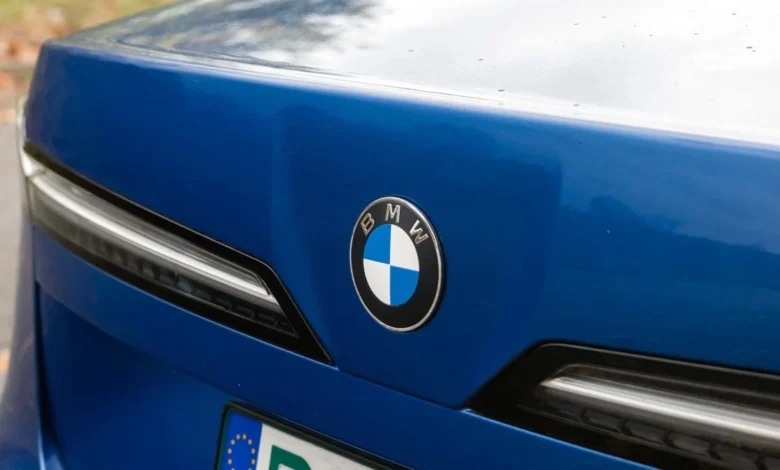
BMW is plotting a significant shift in its electric vehicle battery strategy, signaling that it will incorporate lithium iron phosphate (LFP) chemistry into its upcoming lineup of "Neue Klasse" EVs. While the German luxury automaker has heavily promoted high-performance cylindrical nickel-manganese-cobalt (NMC) cells designed to maximize range—such as the impressive 435-mile iX3 and 468-mile i3—executive leadership has acknowledged that a one-size-fits-all approach is unsustainable if the brand wants to capture a broader, more cost-conscious segment of the automotive market.
The revelation came directly from BMW management during the company’s third-quarter earnings call. Milan Nedeljkovic, BMW’s Chief Operating Officer and Board Member for Production, confirmed that the automotive giant will selectively expand its deployment of LFP battery cells across future vehicle architectures. This pivot represents a pragmatic adaptation to changing market conditions, consumer demands, and competitive pressures within the global electric vehicle landscape.
The Balancing Act: Range Versus Affordability
For years, premium electric vehicle manufacturers have prioritized maximum driving range as the primary metric of success. High-density NMC chemistry has traditionally been the gold standard for achieving this, offering substantial energy storage within a compact and relatively lightweight footprint. BMW’s upcoming Neue Klasse platform was originally engineered around advanced cylindrical NMC cells to deliver class-leading distance capabilities on a single charge.
However, maximum range comes at a steep financial cost. Nickel and cobalt—key components of NMC cathodes—are subject to significant supply chain volatility, geopolitical pricing pressures, and high material expenses. These costs inevitably trickle down to the consumer, pushing the price of luxury EVs out of reach for everyday drivers seeking a practical, urban-friendly runabout rather than a long-distance cruiser.
LFP chemistry offers an alternative economic and technical compromise. By substituting expensive nickel and cobalt with abundant and inexpensive iron and phosphate, manufacturers can drastically reduce cell production costs. Furthermore, LFP batteries boast exceptional chemical and thermal stability, greater longevity, and a high tolerance for frequent fast-charging sessions up to 100 percent without accelerating severe capacity degradation.
The primary drawback of LFP chemistry has historically been its lower energy density. Because LFP cells store less energy per kilogram than their NMC counterparts, vehicles utilizing them generally achieve shorter driving ranges or require bulkier, heavier battery packs to match NMC distance figures. Recognizing this, BMW has opted for a nuanced, application-specific deployment strategy rather than a wholesale replacement of its existing battery architecture.
Global Strategy and Regional Implementation
While BMW has been careful to manage expectations regarding immediate retail price cuts, the blueprint for its LFP strategy is already being tested in international markets. China serves as a prime testing ground for how BMW intends to structure its multi-tiered battery offerings.
In the Chinese market, the entry-level, long-wheelbase iX3 30L utilizes a 77-kilowatt-hour LFP battery pack. Meanwhile, its higher-end stablemates—the 40L and 50L variants—rely on traditional, higher-capacity NMC cells. The LFP-equipped iX3 30L achieves a claimed CLTC (China Light-Duty Vehicle Test Cycle) range of approximately 630 kilometers (391 miles). Although Chinese testing cycles are widely known to be more optimistic than European WLTP or American EPA standards, the performance demonstrates that LFP technology can deliver more than adequate daily range for the vast majority of motorists.
Milan Nedeljkovic emphasized that BMW’s adoption of the technology will be deliberate and targeted. "We will add the LFP technology in our vehicles, but we will be very specific in which vehicle and for which purpose," Nedeljkovic stated during the earnings call. Although he refrained from explicitly naming upcoming models or providing a definitive launch timeline for Western markets, industry analysts widely anticipate that LFP packs will find a natural home in smaller, more affordable entries within the Neue Klasse ecosystem.
Expanding the Neue Klasse Lineup
The introduction of LFP chemistry aligns seamlessly with BMW’s long-term product roadmap. The company has already confirmed plans to launch a compact, Europe-focused electric model around 2028. Designed to bring the technological innovations of the Neue Klasse platform down into a more accessible segment, an entry-level vehicle of this size would benefit immensely from the cost reductions associated with iron-phosphate cells.
Such a strategy mirrors moves made by key competitors in the European luxury sector. Mercedes-Benz has already demonstrated the viability of a dual-chemistry strategy within a single model lineup. The electric Mercedes-Benz CLA—positioned as a direct market rival to BMW’s rumored upcoming entry-level Neue Klasse vehicles—offers buyers a choice between a large 85-kWh NMC battery for maximum range and a more affordable 50-to-58-kWh LFP variant for price-conscious consumers. This approach allows automakers to cast a wider net, accommodating both buyers who demand cross-country touring capabilities and urban commuters looking to minimize their upfront investment.
Supply Chain Realignments and Future Outlook
To support its ambitious electric vehicle scaling efforts, BMW continues to fortify its global supply chain network. The automaker recently announced long-term procurement agreements with major tier-one battery manufacturers, securing partnerships with Samsung SDI for Gen6 cells produced in Europe and LG Energy Solution for U.S.-manufactured cells, with shipments slated to begin toward the end of the decade. These suppliers will complement BMW’s existing European cell supply network, which already includes heavyweights like CATL and EVE Energy.
While none of these specific new contracts have formally designated LFP cell production, the diversification of suppliers provides BMW with the industrial flexibility required to shift chemistry ratios as market demand dictates.
Even with the integration of cheaper LFP components, automotive analysts caution that a BMW badge will always command a certain brand premium. Consequently, upcoming entry-level electric BMWs are unlikely to undercut mass-market competitors on price alone. Instead, the incorporation of LFP batteries is expected to protect corporate profit margins while offering consumers a more palatable entry price point into the luxury EV segment—proving that efficiency, sustainability, and affordability can successfully coexist within the BMW stable.