Apple responds to iPhone Duo cracked inner screens — what to do if your phone is affected


A Chronology of the Initial Rollout
The iPhone Duo arrived in retail stores and on consumer doorsteps less than a week ago, marked by significant marketing efforts and long queues at flagship locations. Within 48 hours of the official launch, the first reports of display anomalies began to surface on social media platforms and technical support forums. Users described a pattern of failure: initial micro-cracks appearing at the central point of the crease, which subsequently expanded into larger fractures as the device was folded and unfolded during routine use.
By the third day post-launch, the volume of reports had increased sufficiently to capture the attention of tech analysts and internal product teams at Apple. The speed at which these concerns were escalated highlights the critical nature of the inner display, which serves as the centerpiece of the device’s unique selling proposition. On the fourth day, Apple issued its first formal acknowledgment, moving to address the concerns before they could potentially dampen the momentum of the product’s commercial rollout.
Contextualizing the Foldable Challenge
The iPhone Duo enters a market space currently occupied by established players like Samsung and Google, both of whom have faced similar hurdles during the nascent stages of their own foldable product lines. Foldable smartphone technology requires a complex interplay between the display panel—typically a thin, flexible layer of Ultra-Thin Glass (UTG) or polyimide—and a sophisticated hinge mechanism that must distribute pressure evenly across the fold.
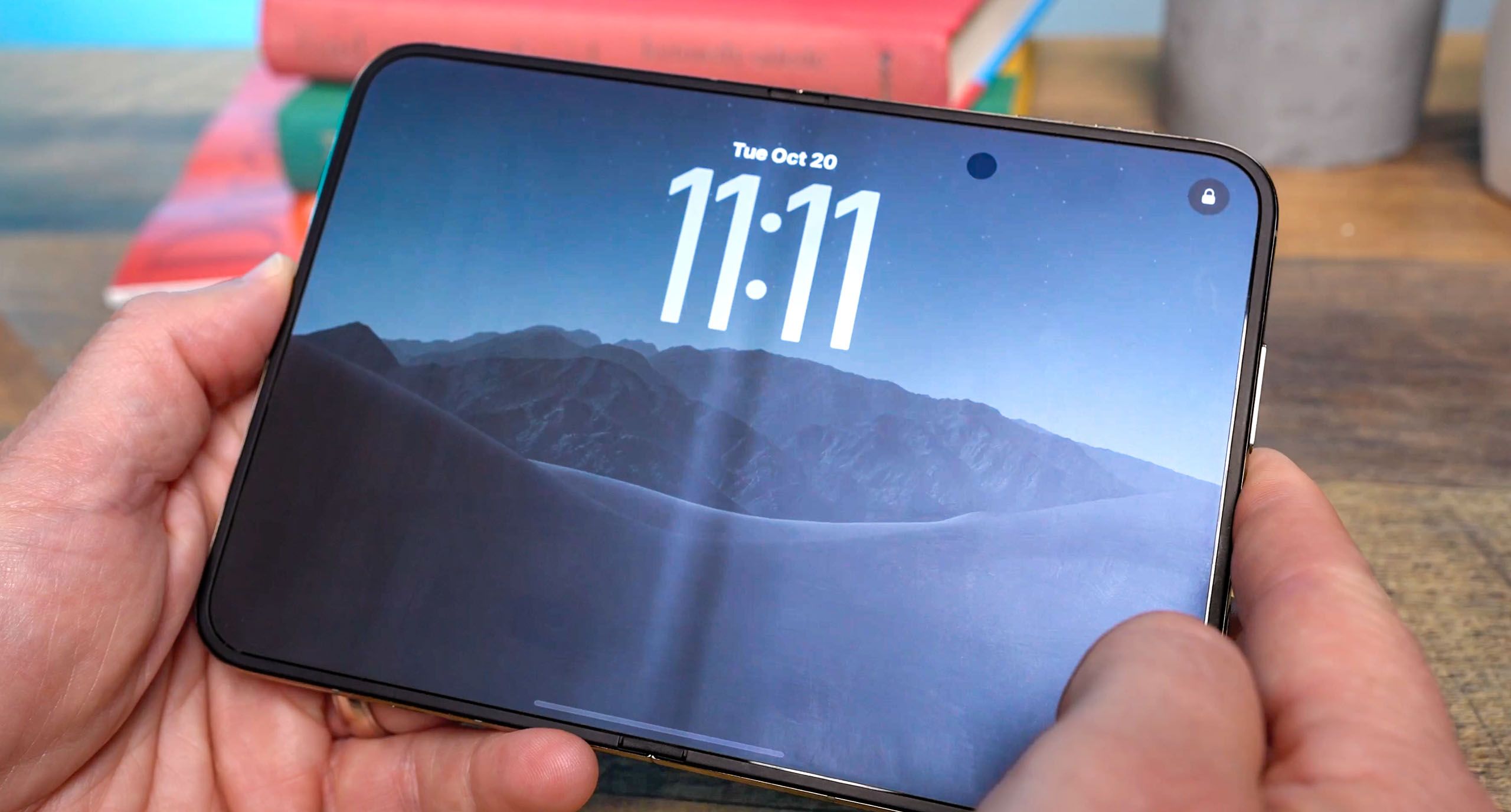
In previous industry examples, such as the initial launch of the Galaxy Fold in 2019, manufacturers encountered issues ranging from debris entering the hinge to protective film peeling. These early failures often stemmed from the fundamental physics of bending glass and plastic thousands of times. For Apple, the challenge is amplified by the high expectations for "Apple-grade" durability. The company’s engineering, which promised a "near-invisible fold" achieved through a custom-designed hinge, is now being scrutinized to determine whether the cracking is a widespread manufacturing defect, a design flaw, or the result of environmental factors such as temperature fluctuations or particulate matter.
Official Response and Support Protocols
In a prepared statement addressing the growing discourse, an Apple spokesperson confirmed the company is actively investigating the reports. "The response to iPhone Duo from early users has been incredibly positive, and we are seeing exciting things from developers who are rapidly updating their apps to take advantage of its unique form factor," the company noted. "We are aware of an issue impacting the inner display on a small number of iPhone Duo units. If users experience issues with their iPhone Duo display, they should contact AppleCare for a replacement."
This guidance serves as the current standard operating procedure for affected owners. Apple’s internal policy generally covers hardware failures that are not the result of user-inflicted damage under its standard one-year limited warranty. For those who purchased AppleCare+, the process is expected to be more seamless, as the coverage includes accidental damage protection, which covers display repairs or device replacements.
Distinguishing Fact from Digital Noise
A complicating factor in the current discourse is the prevalence of misinformation. As with many high-profile tech launches, social media platforms have seen an influx of content that is not necessarily representative of the overall user experience. Researchers have identified several instances of AI-generated imagery and staged videos depicting catastrophic display failures on devices that do not match the retail specifications of the iPhone Duo.
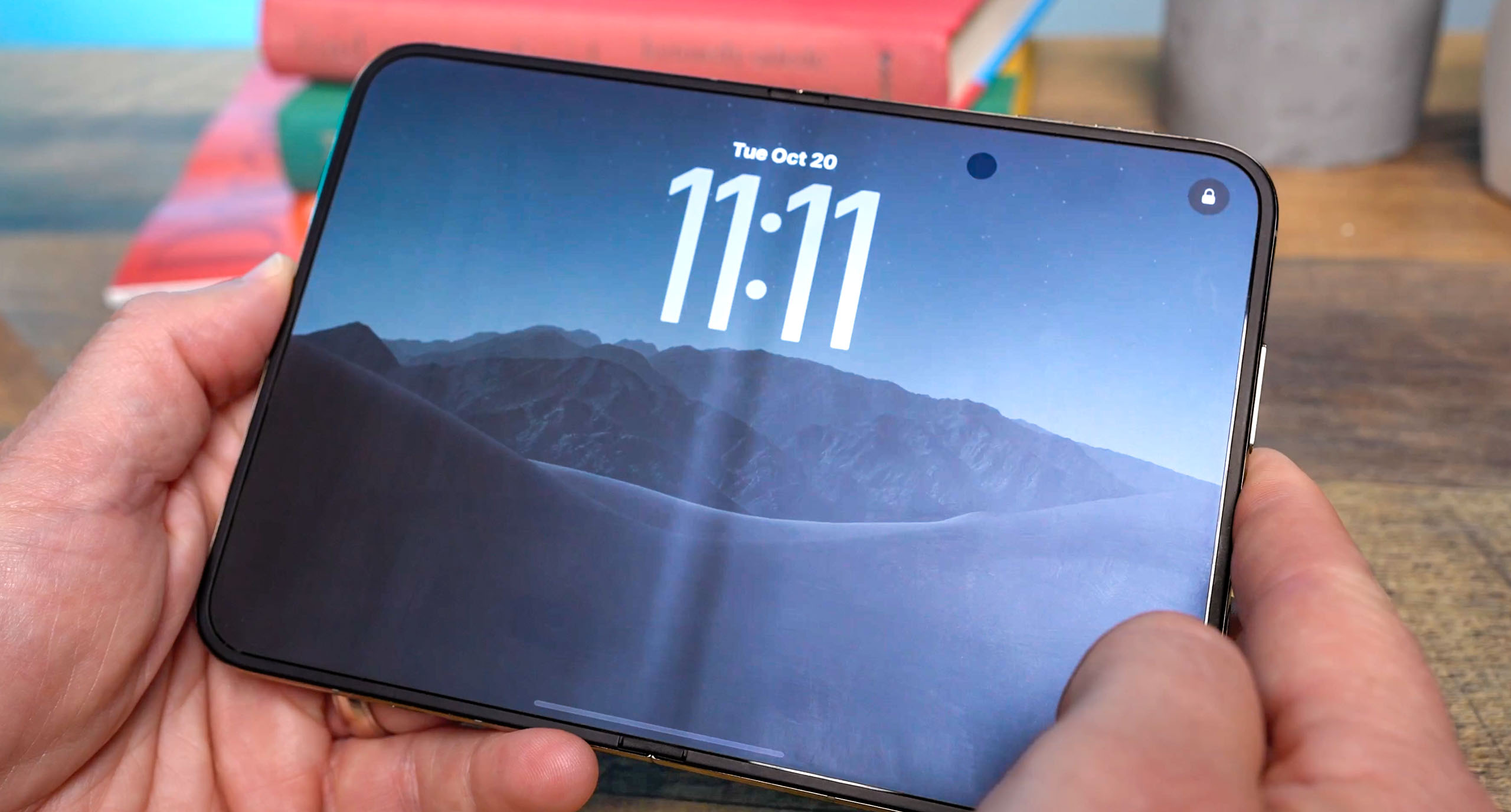
Industry experts caution that while genuine display failures are a reality for a small percentage of early-production units—a phenomenon often referred to as "infant mortality" in hardware manufacturing—users should be wary of unverified viral posts. The distinction between a legitimate defect and a fabricated report is vital for consumers trying to gauge the actual reliability of the device.
Supporting Data and Industry Implications
Historically, the first generation of any new hardware category is prone to higher-than-average return rates. Data from industry watchdogs suggests that foldable display technologies currently exhibit a failure rate roughly 2% to 5% higher than traditional static glass displays within the first 30 days of ownership. This "early adopter tax" is a known risk factor in the mobile industry.
The economic implications for Apple are significant but manageable. A small-scale recall or a targeted repair program is unlikely to severely impact the company’s fiscal bottom line, given its robust supply chain and established repair infrastructure. However, the reputational impact is the primary concern. Apple’s brand identity is built on reliability; if the iPhone Duo is perceived as fragile, it could slow the adoption rate among mainstream consumers who have been waiting for the "perfect" foldable device before switching from their traditional flagships.
Technical Analysis: Why the Crease Fails
The crease is the most vulnerable point of any foldable device. When a screen is folded, the material at the apex of the bend is subjected to tension on the outer radius and compression on the inner radius. Even with modern flexible polymers and thin glass, the mechanical stress of repetitive folding can cause microscopic fatigue. If a device is subjected to extreme cold, the display layers become more brittle, increasing the likelihood that a fold will result in a hairline fracture.
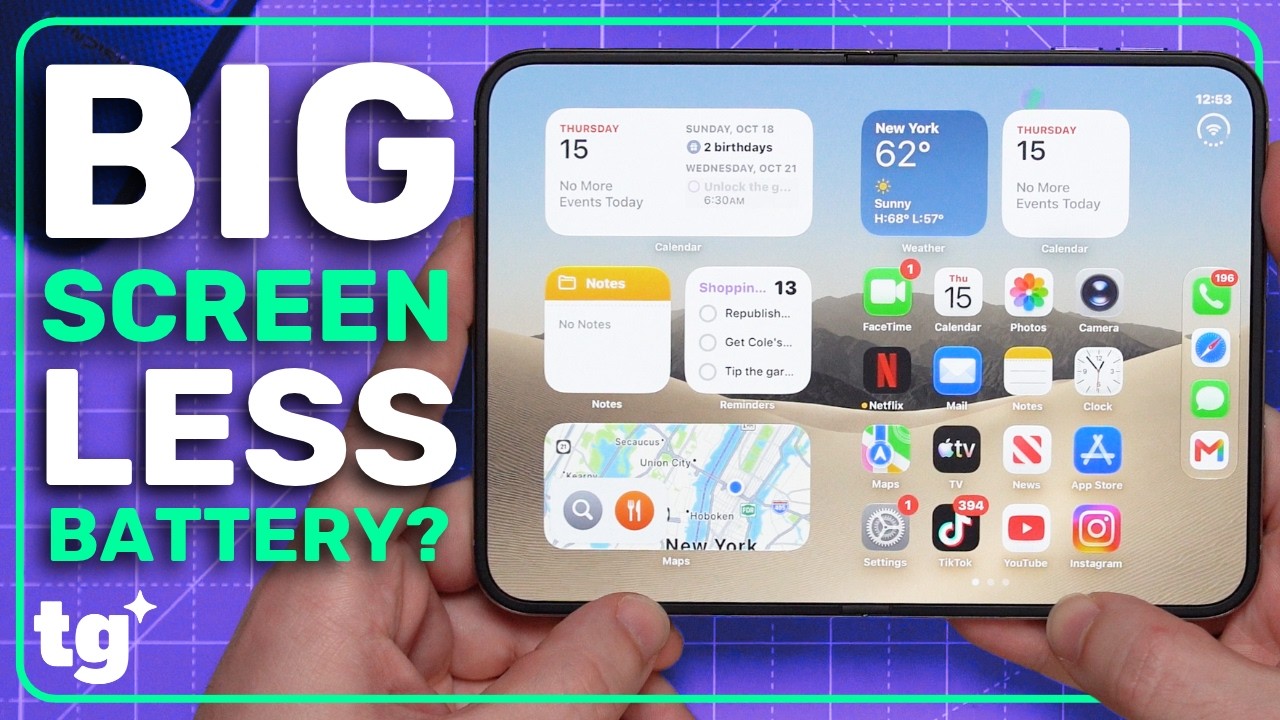
Engineers are likely currently analyzing whether the hinge on the affected units was calibrated with too much resistance or if the adhesive layers between the display and the chassis are experiencing thermal expansion issues. The outcome of this investigation will determine whether Apple will issue a firmware update to adjust the hinge tension or, in a worst-case scenario, implement a hardware redesign for future production batches.
Moving Forward: What Consumers Should Do
For those who have purchased an iPhone Duo or are considering one, the current consensus from experts is to monitor the device for any signs of screen flickering, dead pixels, or visible surface anomalies along the hinge. Should a crack appear, the recommended course of action is to:
- Document the issue: Take clear photos of the damage from multiple angles.
- Contact Support: Use the Apple Support app or visit an Apple Store to initiate a diagnostic check.
- Avoid amateur repairs: Do not attempt to press down on the crease or apply any aftermarket screen protectors, as this can exacerbate the issue or void the warranty.
As the situation develops, Apple is expected to provide further transparency regarding the scope of the problem. If the defect is deemed systemic, a formal replacement program—similar to those seen for past keyboard or battery issues—may be introduced to restore consumer confidence. For now, the tech world watches closely, as the success of the iPhone Duo is viewed as a bellwether for the future of foldable hardware in the broader consumer market.
The next few weeks will be critical. If the number of reports plateaus, the issue will likely be categorized as a minor early-batch hiccup. If, however, the frequency of reports continues to climb, Apple will face increasing pressure to address the underlying mechanics of the device. For a company that prides itself on seamless user experiences, the pressure to turn the narrative around is immense. The iPhone Duo is a bold step forward in mobile design, but its survival depends on how well the company manages this critical initial test of durability.