Nintendo confirms no further price hikes for Switch 2 consoles following improved memory supply chain stability.

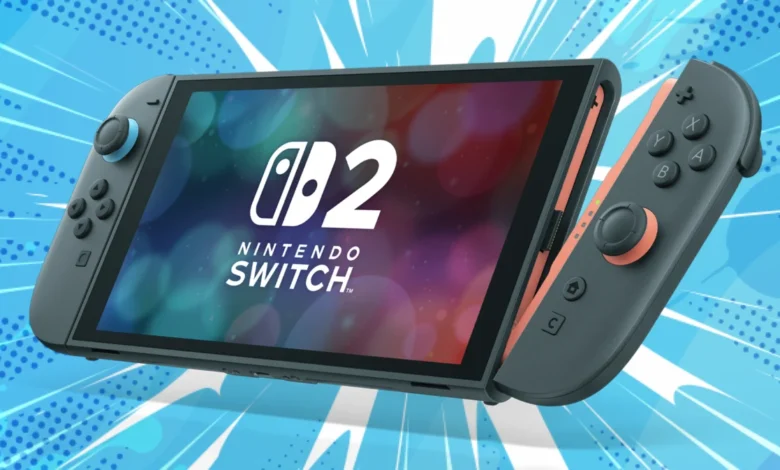
In a significant update for the gaming industry, Nintendo President Shuntaro Furukawa has confirmed that the company has secured a stable supply of the memory components necessary to maintain current production levels of the Switch 2 console. This announcement, which follows the release of Nintendo’s fiscal results for the first half of 2027, effectively rules out the possibility of further price increases for the hardware in the immediate future.
The confirmation comes at a pivotal time for the hardware market, which has been grappling with volatility fueled by the global surge in demand for high-end semiconductors, largely driven by the rapid expansion of artificial intelligence infrastructure. By successfully stabilizing its procurement channels, Nintendo is positioning itself to avoid the pricing pressures that have forced competitors to implement recurring cost increases across their respective hardware portfolios.
A Chronology of Pricing Volatility
The current landscape of console pricing has been defined by a series of unprecedented economic headwinds. Nintendo’s decision to hold the line on the Switch 2 follows a year of significant adjustments. The console, which launched with substantial momentum in 2025, has already undergone a pricing shift. On September 1, 2026, Nintendo implemented a price hike across key global markets, including the United States, Canada, Japan, and Europe. This increase added $50 to the US retail price, €30 to the European market, and ¥10,000 to the Japanese market.
This move was, however, not the first time consumers felt the impact of rising costs. Even prior to the official launch of the Switch 2 in early 2025, Nintendo was forced to adjust the pricing of its peripheral accessories in the North American market. These initial increases were primarily attributed to shifting international trade policies, specifically the imposition of new tariffs under the Trump Administration, which impacted the import costs of electronic components and completed units.
When compared to its direct rivals, Nintendo’s pricing strategy has remained relatively conservative. Sony Interactive Entertainment, for instance, has navigated a more turbulent path with the PlayStation 5 and the newly released PS5 Pro. Sony has issued multiple rounds of price hikes, citing the "challenging economic environment" and increased manufacturing costs. Similarly, Microsoft has struggled with the fiscal viability of its Xbox Series X and Series S consoles, which have also seen repeated price increases worldwide, with the most recent adjustments occurring as recently as August 2026.
The Macroeconomic Factors: The AI Memory Crisis
The primary catalyst for the industry-wide price inflation is a global supply chain bottleneck regarding high-bandwidth memory (HBM) and standard DRAM. As corporations race to build out massive data centers for generative AI and large language models, the demand for memory chips has reached record levels, often pricing out smaller tech sectors or gaming hardware manufacturers.
This supply shortage has had ripple effects throughout the gaming ecosystem. It has influenced everything from the cost of production for high-fidelity internal storage to the specialized ROM manufacturing required for physical game cartridges. A clear indicator of the severity of this shift was the decision by one of Nintendo’s long-standing ROM suppliers, Macronix, to move away from the gaming cartridge manufacturing sector. The company opted to pivot its resources toward more lucrative segments of the tech industry, a move that reflects the broader trend of manufacturers prioritizing high-margin AI hardware over consumer electronics.
While Nintendo has not issued a detailed report on the specifics of its cartridge supply chain, the exit of such key players from the market highlights the structural challenges the company faces in maintaining its physical media business model. The stabilization of memory supplies mentioned by President Furukawa suggests that Nintendo has successfully diversified its supplier base, allowing it to mitigate the risk of component shortages that might otherwise have necessitated another round of consumer-facing price increases.
Sales Performance and Market Dynamics
Despite the inflationary pressure and the recent price hikes, the Switch 2 remains a dominant force in the market. As of the latest fiscal reporting, Nintendo has reached a cumulative total of 26 million units sold. While the raw sales figures have experienced a predictable decline compared to the explosive "banner" launch period in 2025, the hardware continues to outperform the original Nintendo Switch at the same point in its lifecycle.
Analysts note that the platform’s resilience is largely due to its unique position in the market. Unlike the "arms race" for raw graphical power seen between the PlayStation 5 and the Xbox Series consoles, the Switch 2 leverages a hybrid business model that emphasizes software-driven engagement. Even as hardware sales cool, Nintendo’s software ecosystem remains robust, with high attach rates for its flagship titles.
The decline in hardware velocity is a standard feature of the console lifecycle, but the fact that sales are still tracking ahead of the original Switch indicates that the console has successfully retained its core audience while attracting new demographics. The commitment to maintaining the current price point is likely a strategic decision to keep the barrier to entry low as the console moves into the middle phase of its lifecycle, ensuring that the user base continues to grow to support long-term software revenue.
Strategic Implications and Future Outlook
The decision to freeze pricing has significant implications for the coming holiday season and the fiscal year 2028. By providing clarity on pricing, Nintendo is effectively stabilizing consumer confidence. In an environment where gamers are increasingly sensitive to the rising cost of living and the general "premiumization" of electronics, a predictable price point serves as a powerful competitive advantage.
Furthermore, this stabilization suggests that Nintendo has achieved a level of operational maturity in its supply chain. Managing a global hardware rollout during a period of geopolitical uncertainty and supply-side shortages is a complex logistical task. The ability of the company to secure memory components while its competitors continue to struggle suggests a high level of procurement foresight.
Looking ahead, the gaming industry remains in a state of flux. The competition for silicon will likely continue as AI development remains a top priority for global tech conglomerates. For the consumer, however, the immediate future of the Switch 2 is one of stability. As Nintendo shifts its focus toward expanding its software library and deepening its digital services, the assurance that the hardware cost will not rise serves to cement the company’s position as a player-focused entity.
In summary, the confluence of stabilizing memory supplies and a calculated pricing strategy provides Nintendo with a clear path forward. While the macroeconomic pressures of the 2027 fiscal year have been undeniable, the company’s ability to navigate the memory crisis without further burdening the consumer is a testament to its strategic planning. As the company continues to support its 26-million-strong install base, the focus will now shift to sustained software output and the long-term viability of the Switch 2 as the cornerstone of its business model through the remainder of the decade.
Related posts: