Dbrand enters the minimalist market with new MNML case line for the Google Pixel 11 Pro series

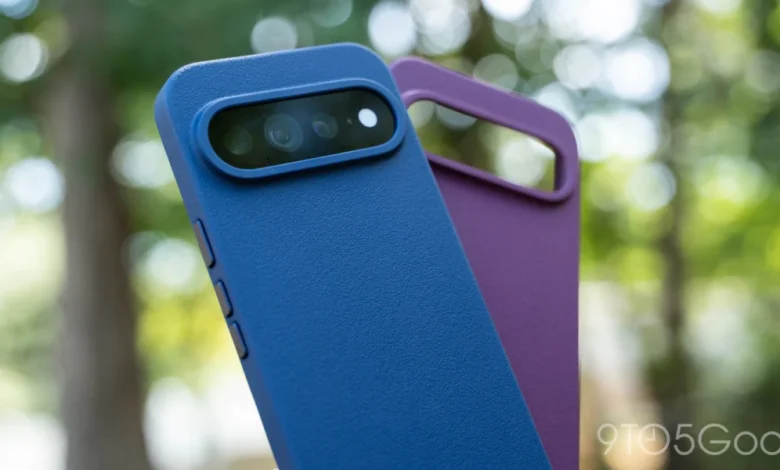
The landscape of mobile device accessories is currently undergoing a shift toward understated, functional design, a trend that the peripheral manufacturer Dbrand has officially embraced with the launch of its new sub-brand, MNML. Known historically for high-contrast vinyl skins and a provocative marketing persona, Dbrand’s move into the minimalist case sector represents a strategic diversification of its product portfolio. The MNML collection, debuting specifically for the Google Pixel 11 Pro and Pixel 11 Pro XL, prioritizes ergonomic material science and structural simplicity over the aesthetic flair that previously defined the company’s market presence.
![Hands-on: Dbrand’s MNML Pixel 11 Pro cases are simply good, and that’s the point [Gallery]](https://9to5google.com/wp-content/uploads/sites/4/2026/09/dbrand-mnml-pixel-11-pro-9.jpg?quality=82&strip=all&w=1600)
The Evolution of Dbrand’s Design Philosophy
Dbrand, founded in 2011, initially established its reputation by providing high-quality 3M vinyl skins that allowed users to customize the external chassis of laptops, gaming consoles, and smartphones. Over the past decade, the company expanded into tempered glass screen protectors and modular device cases. However, the introduction of the MNML brand marks a departure from the "loud" design language often associated with its signature products.
This pivot appears to be a direct response to consumer demand for low-profile protection that preserves the intended industrial design of the smartphone. The MNML series aims to address the common pain points of standard protective gear: excessive thickness, slippery finishes, and overly aggressive branding. By focusing on a polymer-based construction with a tactile, rough-hewn texture, Dbrand is positioning itself to compete directly with legacy minimalist case manufacturers such as Spigen, Peel, and Totallee.
![Hands-on: Dbrand’s MNML Pixel 11 Pro cases are simply good, and that’s the point [Gallery]](https://9to5google.com/wp-content/uploads/sites/4/2026/09/dbrand-mnml-pixel-11-pro-8.jpg?quality=82&strip=all&w=800)
Product Specifications and Ergonomic Design
The MNML series is currently available in four distinct colorways: black, navy, tan, and burgundy. From a technical standpoint, the cases are constructed from a proprietary polymer blend engineered for both durability and heat dissipation. Unlike heavy-duty impact cases that utilize multi-layer silicone and polycarbonate, the MNML design emphasizes a slim form factor that adds minimal volume to the Pixel 11 Pro’s existing dimensions.
A notable design choice is the inclusion of metallic-finished buttons, which provide a distinct tactile feedback mechanism. While the primary chassis of the case is uniform in its texture, the contrast of the metallic buttons serves as the only visual departure from the otherwise monochromatic aesthetic. The case features extremely subtle branding, relegated to a small, embossed four-letter mark on the side of the device, adhering to the "minimalist" ethos that gives the brand its name.
![Hands-on: Dbrand’s MNML Pixel 11 Pro cases are simply good, and that’s the point [Gallery]](https://9to5google.com/wp-content/uploads/sites/4/2026/09/dbrand-mnml-pixel-11-pro-1.jpg?quality=82&strip=all&w=800)
The fit of these cases is designed to align with the precision manufacturing of the Pixel 11 Pro series. Because the Pixel 11 Pro lacks a physical SIM card tray—a design choice Google solidified in recent hardware iterations—the case manufacturers have been able to achieve a tighter, more seamless fit around the frame. This precision engineering eliminates potential weak points or loose gaps often found in injection-molded cases.
Integration with Magnetic Accessory Ecosystems
A significant feature of the new MNML lineup is the integration of high-strength magnetic arrays, designed to be fully compatible with the growing ecosystem of MagSafe-style accessories. Industry analysts have noted that as smartphone manufacturers continue to iterate on their internal hardware, the demand for reliable magnetic alignment—used for wireless charging, wallet attachments, and mounting systems—has become a prerequisite for premium case designs.
![Hands-on: Dbrand’s MNML Pixel 11 Pro cases are simply good, and that’s the point [Gallery]](https://9to5google.com/wp-content/uploads/sites/4/2026/09/dbrand-mnml-pixel-11-pro-4.jpg?quality=82&strip=all&w=800)
The magnets embedded in the MNML case have been measured to provide a stronger pull force than the native arrays found within the Pixel 11 Pro’s own housing. This "enhanced magnetic grip" is a critical selling point for power users who rely on vehicle mounts or modular battery packs, as it mitigates the risk of device slippage during high-vibration scenarios.
Market Context and Competitive Analysis
The protective case market is currently valued at several billion dollars globally, with a growing segment dedicated to "barely-there" protection. The entry of a major player like Dbrand into this niche suggests that the market for standard, bulkier protective cases may be reaching a point of saturation. Consumers, particularly those purchasing flagship devices like the Pixel 11 Pro, are increasingly prioritizing the aesthetics of their hardware, leading to a decline in the popularity of "rugged" cases that hide the device’s design.
![Hands-on: Dbrand’s MNML Pixel 11 Pro cases are simply good, and that’s the point [Gallery]](https://9to5google.com/wp-content/uploads/sites/4/2026/09/dbrand-mnml-pixel-11-pro-5.jpg?quality=82&strip=all&w=800)
In comparison to established competitors like the Spigen Thin Fit, the MNML case occupies a similar price bracket. While the Thin Fit is widely regarded for its utilitarian value, Dbrand’s entry offers a slightly more curated material feel and a broader color palette, which may appeal to the premium consumer segment. At a retail price point of $40, the product sits at the higher end of the minimalist spectrum, though the company has implemented volume-based discounting to incentivize the purchase of multiple units.
Implications for Future Hardware Accessories
The decision by Dbrand to address the accessibility of device ports—specifically the criticism regarding previous skin designs that obscured SIM tray access—highlights a shift toward more user-centric hardware considerations. In the past, the company faced criticism for its full-coverage skins that rendered certain functional aspects of smartphones inaccessible. By acknowledging these design flaws in its current marketing and engineering processes, Dbrand is signaling a more refined approach to product development.
![Hands-on: Dbrand’s MNML Pixel 11 Pro cases are simply good, and that’s the point [Gallery]](https://9to5google.com/wp-content/uploads/sites/4/2026/09/dbrand-mnml-pixel-11-pro-6.jpg?quality=82&strip=all&w=800)
Furthermore, the launch of MNML demonstrates the influence of "influencer-driven" product development. Dbrand has historically maintained a highly active presence on platforms such as X (formerly Twitter) and Reddit, where they frequently engage with user feedback. The transition to the MNML brand can be seen as an institutionalization of the feedback loop the company has cultivated for years. By producing a case that addresses the "grip" and "bulk" complaints common in tech enthusiast communities, the company is effectively outsourcing its R&D to its own customer base.
Broader Economic and Environmental Impact
As the mobile accessory industry faces increasing scrutiny regarding plastic waste and the sustainability of "fast-fashion" tech peripherals, brands are under pressure to justify the longevity of their products. The MNML case, while made of synthetic polymers, is designed for long-term use rather than seasonal replacement. However, the $40 price point also reflects the cost of high-precision manufacturing and the inclusion of magnetic components, which are more resource-intensive to produce than simple plastic shells.
![Hands-on: Dbrand’s MNML Pixel 11 Pro cases are simply good, and that’s the point [Gallery]](https://9to5google.com/wp-content/uploads/sites/4/2026/09/dbrand-mnml-pixel-11-pro-3.jpg?quality=82&strip=all)
The success of the MNML brand will likely be determined by its ability to maintain its "minimalist" promise while providing the level of drop protection expected by modern users. While the case provides excellent scratch resistance and a secure grip, it does not offer the same level of military-grade shock absorption as heavy-duty alternatives. For the average user, this represents a trade-off: the loss of extreme impact protection in exchange for a more refined, ergonomic, and aesthetic daily experience.
Conclusion
Dbrand’s foray into the minimalist case market with MNML is a calculated strategic move that leverages the company’s existing brand equity while catering to a sophisticated segment of the smartphone market. By combining precision engineering with a focus on tactile quality and magnetic integration, the company has managed to elevate a commodity product—the protective case—into a lifestyle accessory. As the Google Pixel 11 Pro continues to gain market traction, the success of the MNML line will serve as a bellwether for whether consumers are willing to pay a premium for minimalist, design-first accessories. For now, the product represents a polished, albeit expensive, addition to the smartphone accessory landscape, providing a viable alternative for users who wish to protect their hardware without compromising its form.