IoT Pioneer Stacey Higginbotham Signs Off: A Look Back at a Decade of Smart Home Journalism and the Future of Connected Devices

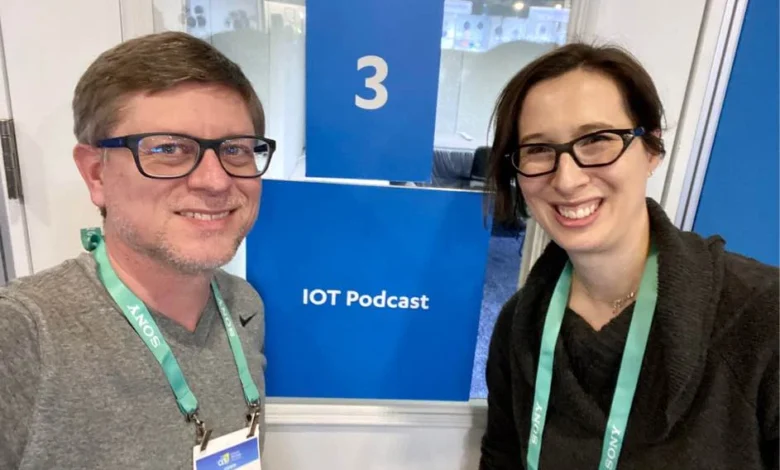
The technology journalism landscape shifted significantly when prominent Internet of Things (IoT) analyst and journalist Stacey Higginbotham published her final weekly newsletter and announced her departure from daily tech reporting, concluding an influential chapter that helped define how the modern public understands the connected world. After more than two decades dedicated to covering the fast-paced evolution of computing, consumer electronics, and digital infrastructure—including seven years running an independent media enterprise—Higginbotham stepped away from her signature weekly newsletter and podcast on August 18, 2023. This milestone closure marks not only the end of an era for dedicated IoT commentary, but also serves as a broader reflection on the trajectory of an industry grappling with commercialization, surveillance capitalism, and the heavy toll of constant connectivity.
The Evolution of an Independent Voice
The genesis of Higginbotham’s independent media venture dates back to 2016, a pivotal moment when she departed her position as a senior editor at Fortune magazine. At a time when traditional media institutions offered stability and broad distribution, venturing into independent publishing focused strictly on niche technology infrastructure was viewed by many media industry observers as a high-risk career move. However, Higginbotham recognized that the mainstream press was largely skimming the surface of a monumental technological shift: the integration of silicon chips, sensors, and internet connectivity into everyday physical objects.
From smart thermostats and connected kitchen appliances to industrial sensors and municipal infrastructure, the Internet of Things was expanding rapidly. Industry projections in the mid-2010s estimated that the global market for connected devices would grow exponentially, scaling from billions of installed units to tens of billions by the early 2020s. Amid this gold rush of venture capital and consumer adoption, Higginbotham established her platform to ask critical questions about data privacy, interoperability, device longevity, and security vulnerabilities—topics that major consumer publications often overlooked in favor of uncritical product reviews.
Through her weekly newsletter and widely consumed podcast, she built a loyal community of engineers, entrepreneurs, policy advocates, and curious consumers. Supported by reader subscriptions and industry sponsorships, her independent platform demonstrated that specialized, deep-dive technical journalism could thrive outside the confines of legacy publishing houses. Over seven years of dedicated production, her work chronicled the triumphs and failures of the smart home ecosystem, tracing the rise of voice assistants, the consolidation of smart home communication standards like Matter, and the persistent security flaws that plagued early-generation connected hardware.
Chronology of an Industry: From Optimism to Fatigue
To understand the weight of Higginbotham’s departure, it is necessary to examine the timeline of the IoT sector over the past decade. The journey from early consumer enthusiasm to modern regulatory scrutiny illustrates how rapidly the technological landscape matured—and how quickly its commercial incentives shifted.
In 2012, when widespread reporting on the smart home was in its infancy, connected devices were largely viewed through a lens of futuristic optimism. Early adopters marveled at the convenience of adjusting home temperatures remotely or turning off lights via smartphone applications. Yet, early analysts cautioned that these conveniences introduced unprecedented layers of complexity into domestic life.
By 2016—the year Higginbotham launched her independent business—major technology conglomerates had entered the smart home arena en masse, introducing voice-activated ecosystems that centralized data collection in the hands of a few dominant corporations. During this period, the business model of connected hardware underwent a fundamental transformation. Manufacturers realized that selling a one-off physical device offered limited long-term revenue, prompting a widespread industry pivot toward recurring subscription models and aggressive data monetization strategies.
By 2020, as documented during industry gatherings such as the Consumer Electronics Show (CES), the conversation around IoT had expanded far beyond the residential living room. Industrial IoT (IIoT) solutions were deployed across manufacturing plants, supply chains, and logistics networks to optimize efficiency and monitor worker productivity. However, this industrial expansion brought forth new ethical dilemmas regarding workplace surveillance, algorithmic management, and the pressure placed on labor forces under the guise of technological optimization.
By 2023, corporate priorities had shifted once again toward Environmental, Social, and Governance (ESG) metrics, with businesses heavily promoting investments in IoT-driven carbon reduction and energy efficiency tools. While these technologies promised sustainable outcomes, critics and industry observers frequently questioned whether such initiatives genuinely addressed environmental crises or simply served as corporate greenwashing to obscure deeper systemic issues. For a journalist who had spent over twenty years covering the immediate news cycle while attempting to analyze these long-term societal implications, the cumulative weight of commercial cynicism and industry burnout ultimately necessitated a professional pause.
Broader Industry Impact and Expert Perspectives
The departure of a dedicated independent voice like Higginbotham highlights a structural vulnerability within modern technology journalism: the scarcity of specialized, critical analysis in an era dominated by rapid product churn and corporate PR narratives. Industry stakeholders, ranging from cybersecurity experts to consumer advocacy groups, have frequently emphasized the critical need for independent watchdogs who can evaluate the hidden costs of ubiquitous connectivity.
Security analysts have long warned that the proliferation of cheap, insecure IoT devices creates expansive attack surfaces for malicious actors, threatening both individual privacy and national critical infrastructure. Unlike desktop computers or smartphones, which benefit from standardized operating systems and regular, long-term software updates, many consumer IoT products are shipped with hardcoded credentials, opaque privacy policies, and notoriously short support lifecycles. When manufacturers abandon older device models, consumers are left with vulnerable hardware sitting inside their homes and offices—a phenomenon often referred to as "orphaned IoT."
Furthermore, regulatory bodies such as the Federal Trade Commission (FTC) and the European Commission have increasingly scrutinized the data collection practices of connected device manufacturers. Investigations into smart home ecosystems have frequently revealed that vast quantities of sensitive consumer data—ranging from domestic habits to precise geolocation metrics—are collected, aggregated, and shared without explicit, informed user consent. In this regulatory climate, independent journalistic investigations and rigorous technical analysis play an indispensable role in holding corporations accountable to the public.
Transition to Consumer Protection and Cybersecurity Advocacy
While stepping away from the relentless demands of daily publishing and weekly newsletter production, Higginbotham is not disconnecting entirely from the technology sector. Rather, her departure represents a strategic realignment toward focused, high-impact advocacy and research.
In her final public statements regarding the transition, she confirmed her ongoing collaboration with the Consumer Reports Innovation Lab, where she has taken on a consulting role. The Innovation Lab focuses heavily on the intersection of consumer protection, cybersecurity, and digital privacy—areas that have become increasingly critical as connected devices permeate every aspect of modern life. By pivoting toward policy-oriented research and institutional collaboration, Higginbotham aims to contribute directly to solutions that make connected technology safer, more secure, and inherently more transparent for everyday users.
Additionally, her involvement in these initiatives signals a growing recognition within the broader tech ecosystem that consumer trust cannot be restored through corporate self-regulation alone. Independent testing, rigorous vulnerability disclosure, and proactive legislative frameworks are essential components of a mature digital economy. Through her ongoing work in cybersecurity advocacy, Higginbotham intends to remain engaged with the community she built, bridging the gap between technical complexity and consumer empowerment.
Implications for the Future of Connected Technology
As the Internet of Things continues to evolve with the integration of generative artificial intelligence, edge computing, and ambient sensing, the foundational questions raised during Higginbotham’s tenure remain more relevant than ever. The promise of an interconnected world where devices seamlessly anticipate human needs must be balanced against the absolute necessity of privacy preservation, data minimization, and robust security architecture.
The closure of her weekly publication serves as a poignant reminder of the personal toll exacted by decades of frontline technology reporting. Yet, the legacy of her independent analysis endures in the heightened awareness of consumers, engineers, and regulators who learned to look past the marketing gloss of smart devices and examine their underlying societal costs.
For the broader technology landscape, the challenge moving forward is clear: building an ecosystem where innovation does not come at the expense of human autonomy, and where connected devices serve the public good rather than corporate surveillance models. As Stacey Higginbotham transitions to her next chapter in consumer advocacy and cybersecurity research, her foundational contributions to IoT journalism will continue to inform how society evaluates the digital tools shaping the modern world.