MobLand Season 2 Review: A Masterclass in Bold Crime Drama and Complex Storytelling

The contemporary television landscape often faces criticism for prioritizing passive viewing over narrative engagement. In an era where streaming platforms frequently tailor scripts for "second-screen" audiences—subscribers who consume content while simultaneously scrolling through mobile devices—bold and intellectually demanding storytelling has become increasingly rare. Many modern series rely on predictable tropes and heavy exposition, spoon-feeding plot points to viewers to ensure comprehension without requiring deep focus. However, Paramount+’s hit crime drama MobLand actively rejects this trend, establishing a high benchmark for the genre. Season 2 builds upon the gritty authenticity of its predecessor, delivering a complex narrative that demands the audience’s undivided attention and critical thinking.
Background Context and Industry Trends
The trajectory of MobLand aligns with a broader industry shift regarding how prestige television is conceptualized and consumed. Over the past several years, media analysts and network executives have noted a decline in complex serialized narratives, as algorithmic data often rewards comforting, easily digestible formats. Shows designed for background viewing tend to flatten character motivations and simplify narrative arcs.
MobLand, created under the creative vision of Guy Ritchie, serves as a direct counter-programming measure against this homogenized approach. By embracing layers of duplicity, non-linear character developments, and rapid-fire dialogue, the series treats its viewers as active participants rather than passive consumers. This creative philosophy has resonated with audiences, propelling the franchise to commercial success and establishing Paramount+ as a serious contender in the high-stakes crime drama market. Following the record-breaking viewership numbers of its series premiere, the platform greenlit subsequent seasons early, solidifying confidence in the show’s long-term viability.
Chronology and Narrative Arc of Season 2
The second season of MobLand wastes no time establishing the high-stakes friction that defines its criminal underworld. The core narrative re-centers on the volatile dynamics of the Harrigan family, whose internal fractures mirror external threats to their criminal enterprise.
At the forefront of the narrative is the escalating feud between Conrad Harrigan, portrayed by Pierce Brosnan, and Kevin, played by Paddy Considine. This rivalry intensifies early in the season, pulling newly introduced characters directly into the crossfire. Concurrently, family arch-rival Kat, played by Janet McTeer, orchestrates a calculated campaign to wrest control of London’s illicit networks from a distance, forcing the established power structures to pivot defensively.
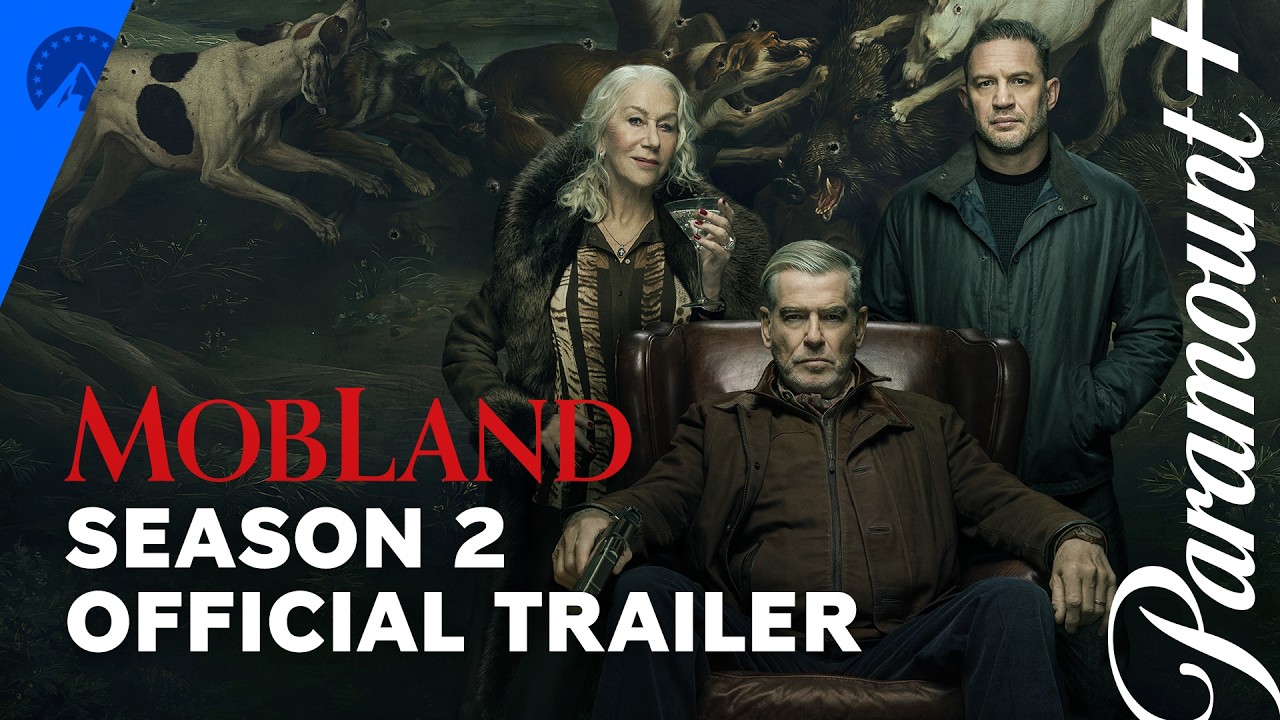
Amid this structural chaos, fixer Harry, played by Tom Hardy, finds his workload exponentially increased. Harry’s professional crises run parallel to severe personal turmoil, including an impending divorce from Jan, played by Joanne Froggatt, and the harrowing disappearance of their daughter, Gina, portrayed by Teddie Allen.
This intricate web of conflicts is further complicated by the arrival of Frankie Cooper, a mysterious and menacing fixer brought into Harry’s orbit to execute Kat’s directives. Frankie’s introduction injects a chilling new dynamic into the series, unsettling both allies and adversaries alike with his detached demeanor and uncompromising efficiency.
Production Design and Directorial Vision
Beyond its labyrinthine plot, MobLand Season 2 distinguishes itself through a meticulous integration of production elements. Critics and industry analysts have highlighted the synergy between the show’s whip-smart script, dynamic editing, and a defiant, high-energy soundtrack.
Director Guy Ritchie employs rapid rhythmic cuts and contrasting auditory landscapes—ranging from aggressive electronic tracks to haunting atmospheric compositions—to heighten the psychological intensity of action sequences. This stylistic approach transforms standard criminal confrontations into visceral experiences, maintaining a relentless pace that mirrors the characters’ internal anxieties and desperation.
Character Dynamics and Ensemble Performance
The success of MobLand relies heavily on its acclaimed ensemble cast, whose performances anchor the chaotic narrative. Tom Hardy continues to navigate Harry’s precarious existence with a blend of frayed nerves and street-smart resilience. Meanwhile, Pierce Brosnan portrays Conrad’s gradual detachment from reality with a gravitas that underscores the fragility of legacy power.
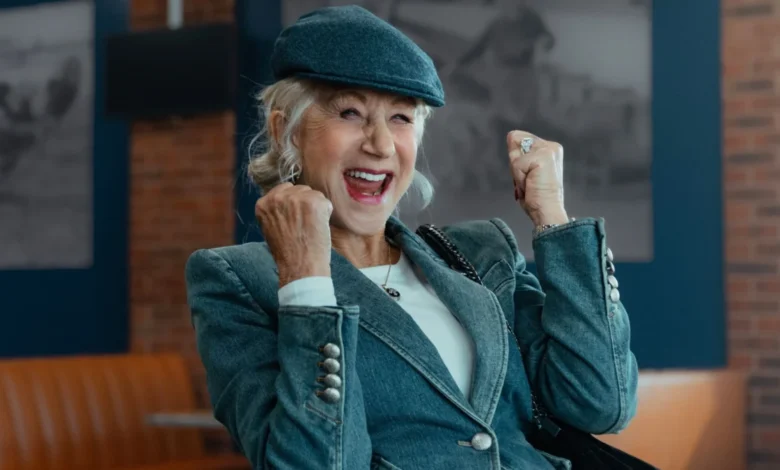
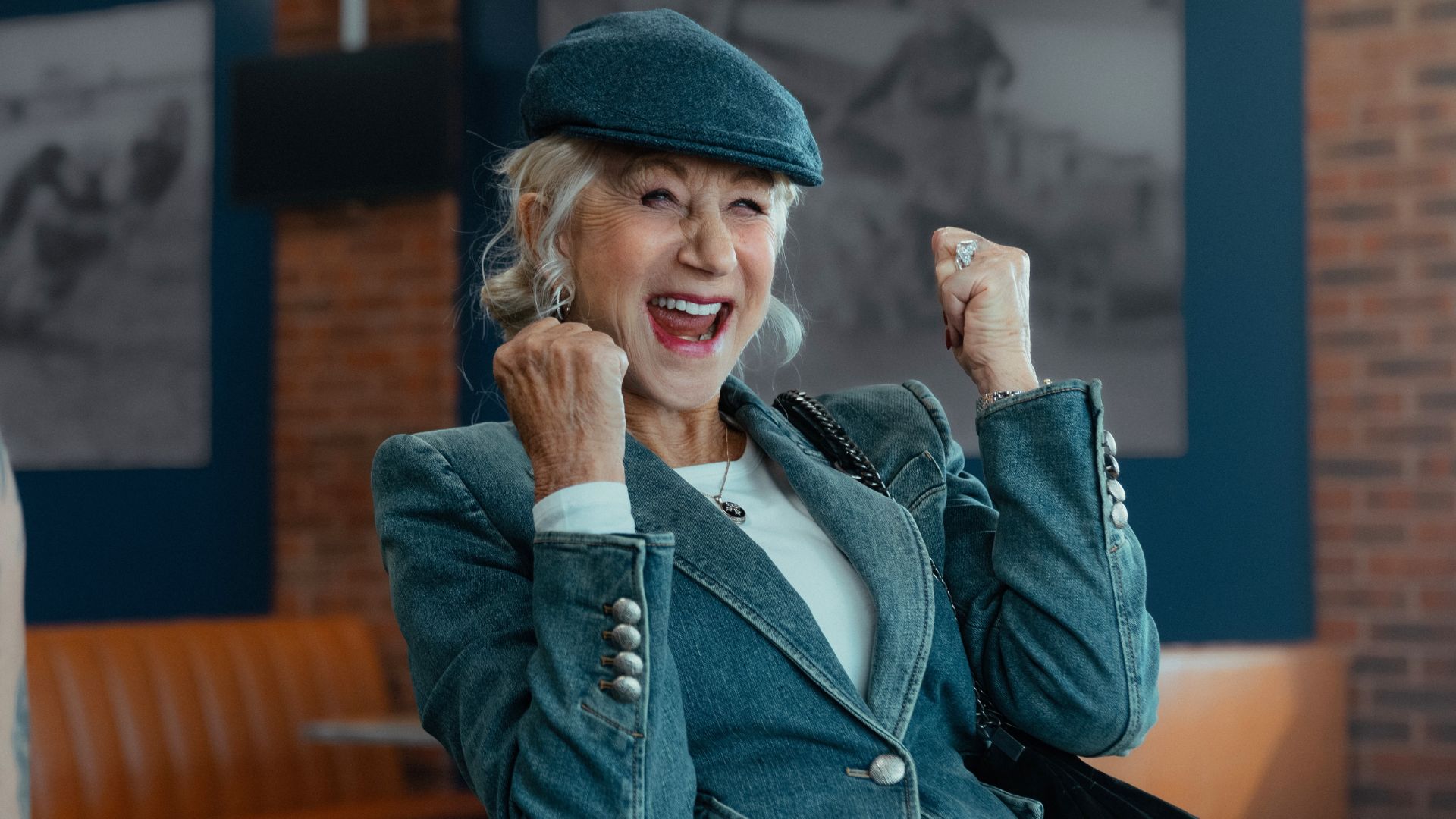
Helen Mirren returns as Maeve, with her character’s calculated wardrobe choices serving as a visual manifestation of her enduring authority. In contrast, Bella, played by Lara Pulvey, presents a markedly more vulnerable and anxious facade than in previous outings, highlighting the expanding pressures bearing down on the family’s inner circle. Mandeep Dhillon’s character, Seraphina, navigates a precarious ascent through the criminal hierarchy, though her ambitions frequently position her as her own worst adversary.

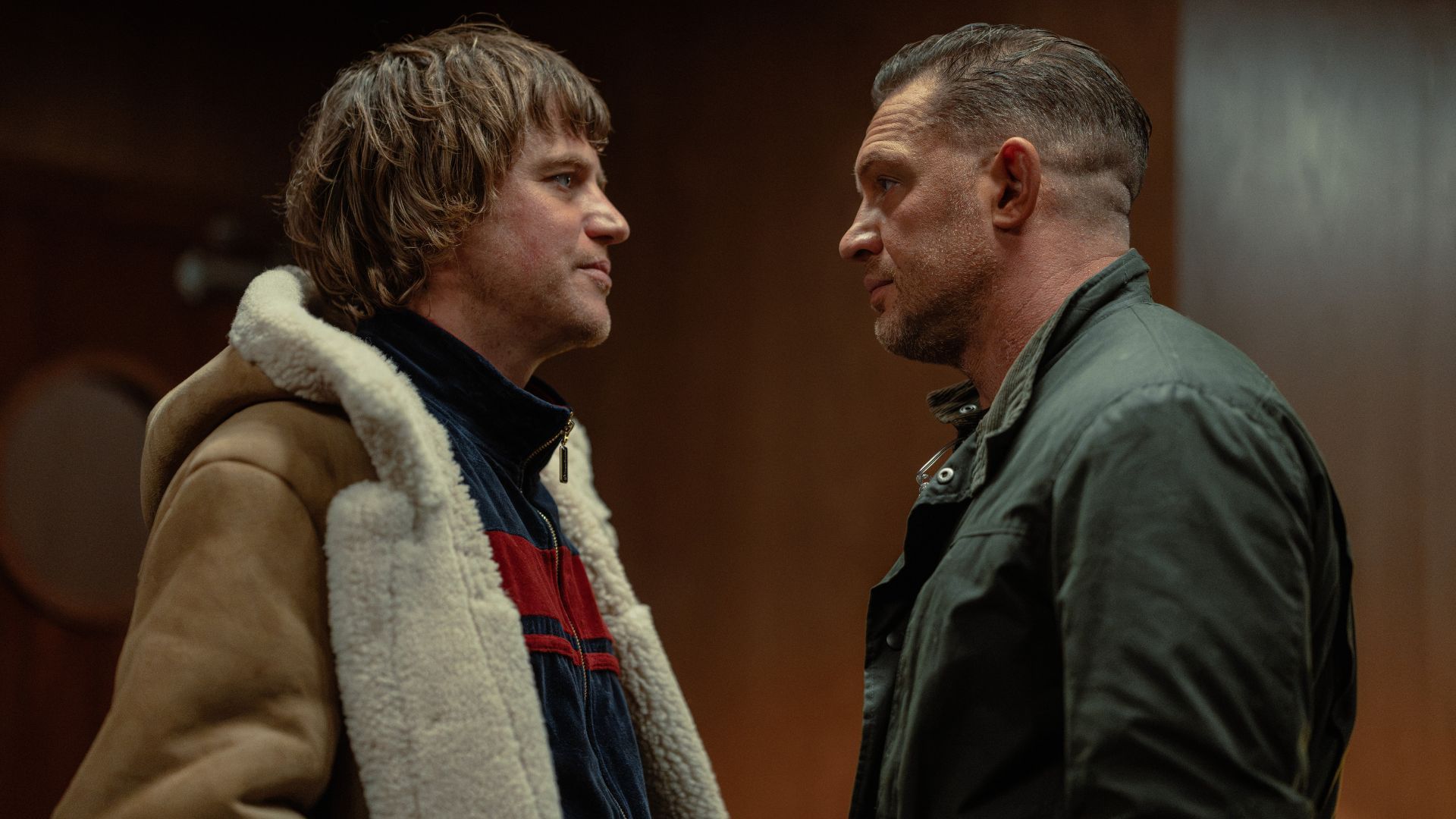
The inclusion of newcomer Frankie Cooper—affectionately and disparagingly dubbed a "prick on a scooter" by internal factions—adds a fresh layer of tension. With his monotone delivery and eerie detachment, Frankie represents a distinct psychological threat, forcing established characters to confront their own vulnerabilities in ways previously unseen in the series.
Broader Impact and Industry Implications
The critical acclaim and commercial momentum surrounding MobLand Season 2 carry significant implications for the streaming sector. The series demonstrates that audiences remain eager for ambitious, uncompromising storytelling that refuses to pander to reduced attention spans.
By proving that high-risk creative choices can yield both critical validation and robust viewership, MobLand challenges the notion that mainstream television must be simplified to succeed globally. With a third season already confirmed, the franchise is positioned to remain a cornerstone of Paramount+’s original programming slate, setting a rigorous standard for contemporary crime dramas well into the future.