Elon Musk Promises to Open Source Tesla Model S and Model X Following Roadster Template

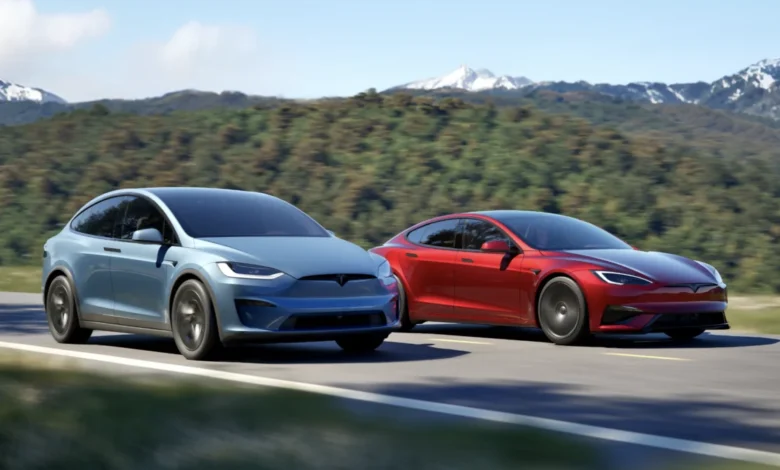
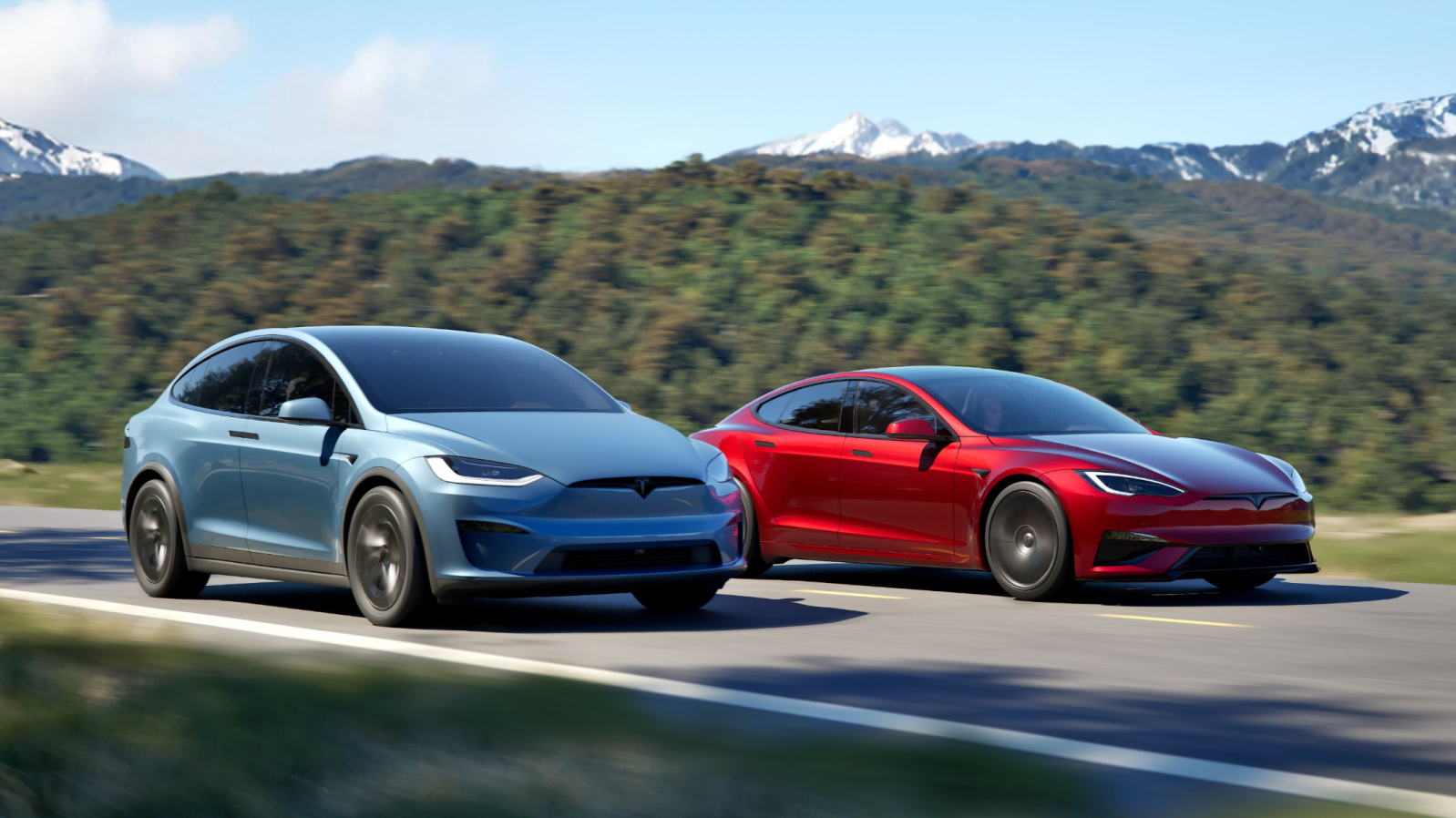
Tesla Chief Executive Officer Elon Musk has announced plans to "open source" the design and software of the Model S sedan and Model X SUV, citing the company’s previous release of the original Roadster’s documentation as the blueprint for this transition. The move comes shortly after the company ceased production of its two longest-running premium electric vehicles to prioritize newer initiatives, including the Optimus humanoid robot program. While the announcement has generated significant interest within the enthusiast and engineering communities, technical analysts and open-source advocates have raised questions regarding the depth and legal validity of Tesla’s definition of "open source," pointing to the limited scope of the Roadster materials released in late 2023.
The Announcement and Current Context
In a statement shared via social media on July 24, 2026, Musk indicated that the Model S and Model X would follow the trajectory of the first-generation Roadster. "Just as Tesla made the original Roadster design & software open source, we plan to do the same with Model S & X," Musk stated. This declaration follows the end of production for the Model S and Model X in April 2026, a decision influenced by the company’s shift in focus toward autonomy and robotics.
The Model S, which debuted in 2012, and the Model X, launched in 2015, represent the foundation of Tesla’s transition from a niche manufacturer to a mass-market leader. By the time production ended, these vehicles had undergone numerous hardware iterations, including the transition from the original "Nosecone" design to the "Raven" powertrain and eventually the "Plaid" tri-motor configuration. The prospect of releasing the engineering data for such complex, high-volume vehicles is unprecedented in the automotive industry, yet the precedent set by the Roadster suggests a more limited disclosure than the term "open source" typically implies.
Examining the Roadster Precedent
To understand what the Model S and Model X release might look like, it is necessary to analyze the "open source" release of the original Tesla Roadster. In November 2023, Musk claimed that all design and engineering for the original Roadster was fully open source, stating, "Whatever we have, you now have." However, a technical audit of the materials provided reveals a significant gap between the public rhetoric and the actual data provided to the public.

The Roadster’s primary public repository, hosted on GitHub under teslamotors/roadster, contains a relatively small amount of data. As of mid-2026, the repository consists of:
- CAN Database Files (.dbc): Five files totaling approximately 339 KB, covering the Controller Area Network (CAN) buses for the Roadster 1.5 and 2.0 Energy Storage Systems (ESS) and Power Electronics Modules (PEM).
- Diagnostic Software: A 309 MB ISO image containing diagnostic tools.
- Documentation: Two PDF quick-reference guides.
Beyond the GitHub repository, Tesla provides additional "Disclosed Research and Development Documents" on its service portal, requiring a user login. These include folders for the Battery Monitoring Board, Vehicle Display System, HVAC Controller, and general design documents. While these materials are valuable for independent repair shops and hobbyists trying to maintain aging Roadsters, they do not constitute a complete engineering package.
The Definition of Open Source and Legal Constraints
In the software and engineering industries, "open source" specifically refers to materials released under a license that complies with the Open Source Definition (OSD). This includes the right to copy, modify, and redistribute the work. Tesla’s Roadster release, however, lacks a recognized open-source license, such as the MIT, Apache 2.0, or GNU General Public License (GPL).
Instead, the Roadster files are governed by a single-paragraph liability disclaimer. This document states that the information is provided "as-is," offers no warranties, and explicitly notes that any parts manufactured using the data will not be considered genuine Tesla components. Crucially, it does not explicitly grant users the legal right to redistribute or create derivative works. Without a clear copyright license or patent grant, the materials remain proprietary assets that Tesla has simply chosen to make viewable.
Furthermore, the Roadster release omitted several critical components necessary to "build" or fully understand the vehicle:
- CAD Files: No 3D Computer-Aided Design files were provided, which are essential for manufacturing mechanical parts.
- Firmware Source Code: While compiled binaries exist in the diagnostic ISO, the human-readable source code for the vehicle’s firmware remains undisclosed.
- Schematics for High-Power Electronics: Detailed circuit designs for the main inverter (PEM) and the battery pack’s internal architecture were largely absent.
- Manufacturing Source: Engineering firms such as Antmicro, which attempted to simulate the Roadster’s electronics, found that Tesla provided Gerber files (manufacturing outputs) rather than the original PCB (Printed Circuit Board) design source files.
A History of Tesla’s Intellectual Property Strategy
Tesla’s relationship with open source and intellectual property has been a subject of debate for over a decade. The company’s approach has evolved through several distinct phases:
- 2014: The Patent Pledge. Musk famously announced that Tesla would not initiate patent infringement lawsuits against anyone who, in good faith, wanted to use their technology. This was intended to accelerate the adoption of electric vehicles. However, the "good faith" clause contained restrictions that many large competitors found legally untenable, leading to limited adoption of the pledge by other major automakers.
- 2018: GPL Compliance. Tesla’s infotainment systems run on Linux, which is governed by the GPL. For years, the Software Freedom Conservancy (SFC) urged Tesla to release the source code for its Linux kernel and Buildroot layers to comply with the license. Tesla eventually began publishing some of this code in 2018, though the SFC has maintained that the disclosures remain incomplete.
- 2020: Right to Repair Pressure. Under increasing legislative pressure regarding the "Right to Repair," Tesla began making its service manuals and diagnostic tools available for free or for a subscription fee. These documents are often bundled into "open source" announcements, despite being standard service literature.
- 2023: The Roadster Release. The first instance of Tesla using the term "open source" to describe a defunct vehicle platform.
Technical Implications for Model S and Model X
If Tesla applies the Roadster template to the Model S and Model X, the industry can expect a release of diagnostic software and CAN bus databases. This would be highly beneficial for the secondary market. As the first generation of Model S vehicles enters its 15th year, third-party battery remanufacturers and drivetrain repair shops require these communication protocols to integrate non-OEM parts or perform deep-level diagnostics.
However, a truly impactful open-source release would require Tesla to go further than it did with the Roadster. The Model S and Model X platforms contain 14 years of iterative engineering. A full disclosure would theoretically include:
- The Autopilot/FSD Hardware Schematics: While the software is a trade secret, the hardware architecture of the various Autopilot suites (HW1 through HW4) would be of immense value to automotive researchers.
- Drive Unit Engineering: Detailed designs of the induction and permanent magnet motors that powered the Model S for over a decade.
- Battery Pack Thermal Management: The specific layouts of the cooling loops and "ribbon" heat exchangers that allowed Tesla to maintain battery longevity.
The Software Freedom Conservancy has noted that a Model S/X release would be an ideal opportunity for Tesla to finalize its GPL compliance. Because these vehicles rely heavily on open-source software for their media control units (MCU), providing the full source code for the modified Linux kernels would satisfy long-standing legal obligations to the open-source community.
Industry Reaction and Future Outlook
The automotive industry generally guards its engineering data closely, even for discontinued models. Legacy manufacturers typically keep blueprints and software architecture proprietary to control the lucrative spare parts market and protect trade secrets that may carry over into new models.

Analysts suggest that Tesla’s willingness to "open source" these models is a pragmatic response to the vehicles’ end-of-life status. By releasing documentation, Tesla reduces the burden on its own service centers to support out-of-warranty, decade-old vehicles, effectively offloading the maintenance of the aging fleet to the independent enthusiast community.
If Tesla provides actual CAD files and firmware source code under a permissive license, it would mark a historic first for the automotive sector. It would allow small-scale manufacturers in developing markets to potentially adapt Tesla’s proven EV architecture for local use cases. If, however, the release mirrors the Roadster’s limited documentation and restrictive legal framework, it will likely be viewed as a public relations move rather than a genuine contribution to the open-source movement.
As of late 2026, the timeline for the Model S and Model X data release remains unspecified. Historically, Tesla has taken months or years to follow through on "open source" promises made via social media. For now, the independent repair community remains cautiously optimistic, waiting to see if the "Model S and X Open Source" project will provide the keys to the kingdom or merely a look through the window.