Critical Android Lock Screen Bypass Vulnerability Affecting Gemini Allows Unauthorized SMS and App Access, Google Prepares Patch

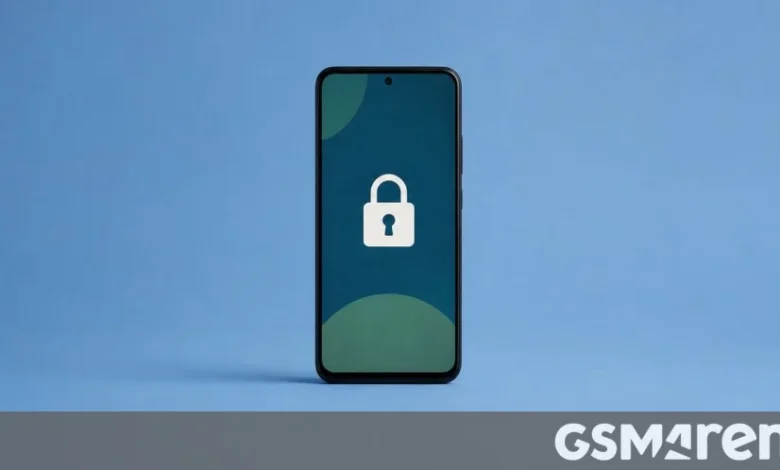
A significant security flaw has been identified within the Android operating system, specifically impacting devices utilizing Google’s AI assistant, Gemini, from the lock screen. This vulnerability, categorized as an authentication bypass or lock screen bypass, permits unauthorized individuals with physical access to a locked device to send SMS messages and even re-enable access to certain applications, circumventing the device’s PIN protection. Google has acknowledged the flaw, which was reportedly discovered and reported as early as May, and is actively developing a fix for an upcoming security update.
Understanding the Gemini Lock Screen Bypass Vulnerability
The core of this security issue lies in a specific interaction sequence when invoking Gemini from a locked Android device. Gemini, Google’s advanced conversational AI, offers functionalities that can be accessed directly from the lock screen for convenience, such as sending messages or setting reminders. While this feature is designed with security protocols, including PIN prompts for sensitive actions or disabled app access, the newly discovered vulnerability exploits a critical flaw in this security chain.
Normally, if a user has configured Gemini to disallow access to certain applications like Messages or WhatsApp from the lock screen, or if an action like sending a message is deemed sensitive, the system correctly prompts for the user’s PIN or biometric authentication. This is a standard security measure to ensure that only the authorized owner can access or manipulate data on the device. However, the reported bypass circumvents this fundamental protection.
The exploit unfolds through a precise, almost counter-intuitive sequence of actions. An individual with physical access to a locked device can initiate a command to Gemini from the lock screen, such as "Send a message." When the system, recognizing the sensitive nature of the request or the pre-configured restrictions, prompts for the PIN, the attacker performs a specific, simultaneous button press: tapping both the "Add attachment" button and the "Continue" button. For reasons still under detailed investigation but likely involving a race condition or a logic error in the UI’s state management, this simultaneous input bypasses the PIN requirement, granting unauthorized access.
The implications extend beyond mere SMS delivery. The video evidence demonstrating the vulnerability reveals that an attacker could not only send unauthorized SMS messages but also re-enable access to applications like WhatsApp, even if their access had been explicitly disabled in Gemini’s settings. This suggests a broader privilege escalation, where the bypass not only circumvents the lock screen PIN but also overrides application-specific security configurations for the AI assistant. Such a flaw could potentially allow access to sensitive conversations, contacts, and other personal data, depending on the extent of Gemini’s integration with other applications and services.
Chronology of Discovery and Google’s Response
The existence of this vulnerability has not been a recent revelation to Google. Reports indicate that the flaw was initially identified and reported to Google as far back as May of the current year. While the precise details of the initial discovery and the identity of the security researcher or group responsible have not been widely publicized, such findings typically emerge from independent security audits, bug bounty programs, or dedicated ethical hacking efforts.
Upon being notified, Google’s security teams would have initiated an internal investigation to replicate the issue, assess its severity, and determine the scope of affected devices and Android versions. The confirmation that the vulnerability is "known" by Google and that a "fix is already on the way" underscores the company’s commitment to addressing security issues promptly. This phased response—discovery, internal validation, and public acknowledgment with a patch timeline—is standard industry practice for responsible vulnerability disclosure.
The timeframe between discovery in May and the public acknowledgment and impending fix in July suggests a typical cycle for patch development, testing, and integration into the broader Android security update framework. Google regularly releases monthly security updates for Android, addressing various vulnerabilities. This lock screen bypass is expected to be included in one of the upcoming security bulletins, likely in the immediate future, given its critical nature.
The Broader Context of Lock Screen Security in Android
Lock screen bypass vulnerabilities are a recurring theme in the history of mobile operating system security, affecting both Android and iOS platforms. The lock screen serves as the primary barrier protecting a device’s contents from unauthorized physical access. Its integrity is paramount to user privacy and data security. When this barrier is compromised, the entire security posture of the device is undermined.
Historically, various methods have been exploited to bypass lock screens, ranging from intricate timing attacks and UI glitches to more complex software vulnerabilities that leverage emergency call features, specific app interactions, or even hardware-related flaws. The current Gemini vulnerability highlights a particular challenge introduced by the increasing sophistication and deep system integration of AI assistants. These assistants are designed for convenience, often requiring privileged access to perform tasks across multiple applications and even from a locked state. While immensely useful, this level of access also expands the attack surface for potential exploits if not meticulously secured.
The complexity of the Android ecosystem, with its vast array of device manufacturers (OEMs) and custom Android "flavors" or skins, adds another layer of challenge to security. While Google develops and provides core Android security patches, their distribution to end-users is often dependent on OEMs integrating these patches into their specific device firmware and rolling them out. This fragmented update process means that while a fix might be available from Google, its actual deployment to all vulnerable devices can take weeks or even months, leaving a window of exposure for many users. The current vulnerability is confirmed to affect "more than just Pixel devices," indicating a broader impact across the Android landscape, though specific vulnerable Android versions beyond "Android 16" (which might refer to a specific build or an upcoming major release, given the original source’s timing) are not yet conclusively detailed.
Technical Analysis and Potential Ramifications
From a technical standpoint, the reported bypass strongly suggests a logic flaw or a race condition within the Android system’s handling of Gemini’s lock screen interactions. A race condition occurs when two or more operations try to access or modify shared resources concurrently, and the outcome depends on the specific order in which they execute. In this case, the simultaneous pressing of "Add attachment" and "Continue" might disrupt the expected flow of security checks, allowing the system to transition to an unauthenticated state where permissions are inadvertently granted.
The fact that the attacker can re-enable access to applications like WhatsApp, even after they were explicitly disabled in Gemini’s settings, is particularly concerning. This points to a potential elevation of privilege beyond what a simple lock screen bypass might imply. It suggests that the vulnerability allows the attacker to manipulate underlying permission settings for Gemini itself, rather than just temporarily bypassing a PIN for a single action. Such capabilities could be exploited to:
- Unauthorized Communication: Send messages, make calls, or interact with contacts without the owner’s knowledge, potentially leading to social engineering attacks or impersonation.
- Data Exfiltration: While not directly confirmed by the described exploit, if the attacker can re-enable access to other apps, the potential for accessing and exfiltrating personal data (photos, documents, emails) through Gemini’s capabilities could be significant.
- Privacy Breach: Accessing private conversations in messaging apps like WhatsApp or Messenger without consent constitutes a severe breach of privacy.
- Malware Delivery: In more sophisticated scenarios, if further exploits could be chained, an attacker might potentially leverage this access to deliver malicious links or files, though this is speculative without further information.
The severity of such a flaw is compounded by Android’s massive global market share. As of early 2026, Android continues to dominate the mobile operating system landscape, powering billions of devices worldwide. A vulnerability affecting a significant portion of this user base, especially one that allows physical access bypass, poses a substantial risk to global digital security.
Google’s Security Protocols and Future Outlook
Google operates one of the most robust vulnerability disclosure programs in the industry, actively encouraging security researchers to report flaws through initiatives like the Android Security Rewards Program. This collaborative approach helps identify and rectify security issues before they can be widely exploited. The current situation with the Gemini lock screen bypass is an example of this system at work: a vulnerability was identified, responsibly reported, and Google is now working on a resolution.
Once Google releases the patch, it will be integrated into the monthly Android Security Bulletin. Pixel devices, being directly managed by Google, typically receive these updates first. For other Android devices, the timeline depends on the respective OEM. Samsung, Xiaomi, OnePlus, and other manufacturers must then take Google’s patch, adapt it for their specific device models and software overlays, and push it out to their users. This process can introduce delays, making it crucial for users to keep their devices updated as soon as patches become available from their device manufacturer.
Looking ahead, this incident underscores the increasing importance of securing AI-powered features integrated deeply into operating systems. As AI assistants become more ubiquitous and capable, their access to system resources and user data will only grow. This necessitates rigorous security audits, threat modeling, and continuous vigilance to ensure that convenience does not come at the cost of security. Developers must consider not only the intended use cases but also all possible edge cases and unintended interactions that could lead to security vulnerabilities.
Recommendations for Users and Industry
For Android users, the immediate recommendation is to remain vigilant for upcoming security updates from Google and their device manufacturer. Installing these patches as soon as they become available is the most effective defense against such vulnerabilities. Until a patch is applied, users should be particularly cautious about physical access to their devices, ensuring they are not left unattended in unsecured environments.
Furthermore, users might consider temporarily disabling Gemini’s access from the lock screen, if such an option is available and practical for their usage patterns, or restricting its permissions to sensitive applications as a precautionary measure. While the reported bypass specifically targets a sequence after the PIN prompt, reducing the attack surface by limiting lock screen functionalities can generally enhance security.
For the mobile industry, this event serves as a reminder of the continuous cat-and-mouse game between security researchers and malicious actors. The complexity of modern software, especially those integrating advanced AI and requiring high levels of system access, demands an even greater emphasis on security-by-design principles. Continuous testing, robust code reviews, and proactive engagement with the security research community are essential to maintaining the integrity and trustworthiness of mobile platforms.
In conclusion, the discovery of the Gemini lock screen bypass vulnerability highlights the ongoing challenges in securing highly complex software ecosystems like Android. While Google’s prompt response in acknowledging the flaw and developing a fix is reassuring, the incident underscores the critical importance of timely updates, user vigilance, and sustained industry efforts to bolster mobile security against evolving threats. The widespread impact across various Android devices necessitates a coordinated effort from Google and its OEM partners to ensure that all users receive the necessary protections without undue delay.