IFixit reveals the engineering complexity behind the illuminated Apple logo and tandem OLED display in the new MacBook Pro with PROLED XDR Display

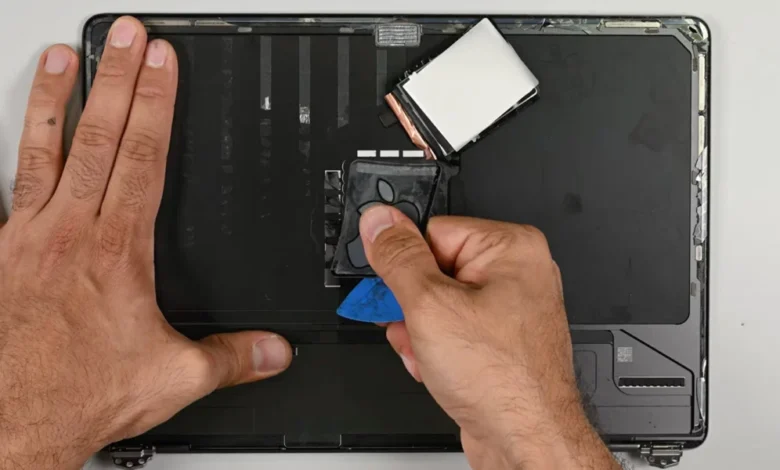
The latest iteration of Apple’s flagship portable workstation, the MacBook Pro featuring the new PROLED XDR display, has officially undergone a comprehensive teardown by the hardware repair experts at iFixit. This detailed examination provides an unprecedented look at how Apple successfully integrated a return to the classic illuminated lid logo while simultaneously transitioning to a sophisticated tandem OLED display architecture. The report not only sheds light on the internal design choices but also offers a critical look at the ongoing challenges of modern laptop repairability.
The Engineering Evolution of the PROLED XDR Display
The centerpiece of this year’s MacBook Pro refresh is undeniably the PROLED XDR display. For years, Apple relied on Mini-LED technology to bridge the gap between standard LCD panels and high-end OLED alternatives. With the move to a tandem OLED structure, the company has effectively stacked two distinct light-emitting layers.

Under microscopic analysis, the iFixit team discovered that the blue subpixels within this panel are engineered to be significantly larger than their red and green counterparts. This design choice is a strategic move to mitigate the physical strain on the organic materials, a common failure point in high-brightness OLED implementations. By increasing the size of the blue subpixels, Apple aims to extend the overall lifespan of the display, reducing the likelihood of pixel burn-in—a concern that has historically plagued OLED panels used in static environments.
Beyond the molecular level, the transition to this display technology represents a shift in Apple’s mobile computing roadmap. The tandem OLED design allows for higher peak brightness levels and superior contrast ratios compared to the previous generation of Mini-LED panels, all while maintaining the color accuracy demanded by professional creative workflows.
Illuminating the Lid: A Technical Deep Dive
Perhaps the most nostalgic update in the new MacBook Pro is the return of the illuminated Apple logo on the lid, a feature absent from the company’s professional lineup for nearly a decade. The teardown process revealed that reintroducing this feature required a significant mechanical overhaul of the display housing.

The illumination is powered by a dedicated strip of four high-efficiency LEDs. To achieve the uniform glow that Apple is known for, the engineers implemented a complex arrangement consisting of a reflective layer and a specialized light-diffusing film. The logo itself utilizes a sophisticated two-way mirror coating. When the LEDs are deactivated, the logo retains a metallic, polished appearance; when powered, the coating allows the light to pass through, creating the signature glow.
However, the integration of this system is not without its costs. iFixit noted that gaining access to the lighting assembly is an invasive process, frequently resulting in the destruction of the OLED panel due to the extreme thinness of the display sandwich and the adhesive strength used by Apple. This raises questions regarding the feasibility of long-term component-level repairs for the lid assembly.
Weight Reduction and Structural Efficiency
A notable aspect of the 2026 MacBook Pro is the successful reduction in weight, with the 14-inch model dropping from 3.4 pounds (1.55 kg) to a leaner 3.0 pounds (1.38 kg). This 11.7% reduction in mass is a remarkable feat of engineering, especially given the addition of new hardware features like the illuminated logo and the touch-sensitive display layer.

The teardown breakdown reveals where these weight savings originated:
- Chassis redesign: A reduction of 92 grams was achieved through tighter tolerance engineering and material optimization in the aluminum unibody.
- Display assembly: The screen assembly accounts for a 101-gram reduction, suggesting that the tandem OLED panel and its associated backlight drivers are significantly lighter than the previous Mini-LED arrays.
- Trackpad and Battery: Minor weight savings were found in the trackpad (8 grams) and the battery (2 grams), proving that incremental changes across every subsystem were necessary to hit the aggressive weight targets set for this generation.
Repairability and the Logic Board Architecture
Despite the innovative nature of the display, the MacBook Pro continues to follow a design philosophy that prioritizes space efficiency over modularity. The teardown confirmed that major components, including the fans, USB-C ports, and the headphone jack, still require the complete removal of the logic board for servicing.
Furthermore, the core performance components—specifically the RAM and the NAND flash storage—remain soldered directly to the main logic board. This design choice, while standard for Apple’s current silicon architecture, continues to limit the end-user’s ability to upgrade their device after the point of purchase.

One bright spot, however, is the improvement in software-level repair compatibility. In previous years, swapping logic boards between identical models often triggered restrictive locks that prevented features like Touch ID from functioning without proprietary calibration tools. The 2026 model shows a marked improvement in this area. After a logic board swap, the new device successfully recognized the battery, display, and biometric sensors. Crucially, True Tone, brightness controls, and the touchscreen functionality remained operational without the need for an immediate, restrictive handshake with Apple’s internal servers.
Implications for the Consumer and Repair Industry
iFixit assigned the new MacBook Pro a repairability score of 5 out of 10. While this is a modest improvement over the 4/10 rating given to the M5-powered MacBook Pro, it remains one point lower than the entry-level MacBook Neo. This score reflects the reality that while some software-locked components are becoming more "swappable," the physical complexity of the machine—specifically the delicate display assembly and the reliance on adhesives—remains a barrier to entry for independent repair shops and consumers.
The implications for the broader industry are significant. As Apple continues to push the boundaries of display and lighting technology, the gap between "user-serviceable" and "manufacturer-serviced" continues to widen. However, the move toward easier component recognition after hardware swaps suggests that Apple is responding, at least in part, to increasing pressure from right-to-repair legislation globally.

Timeline of Apple’s Display Transition
- 2015: Apple phases out the last MacBook Pros featuring the iconic illuminated logo.
- 2021: Introduction of the Liquid Retina XDR display (Mini-LED) on the 14-inch and 16-inch MacBook Pro models, prioritizing extreme contrast over the classic glowing lid.
- 2025: Rumors intensify regarding the development of a "tandem OLED" panel designed to eliminate the bloom effect seen in earlier Mini-LED iterations.
- November 2026: Launch of the MacBook Pro with the PROLED XDR display, marking the return of the illuminated lid and the integration of touch-sensitive display technology.
Conclusion: A Balance of Aesthetics and Performance
The 2026 MacBook Pro is a masterclass in industrial design, successfully reconciling the demands for a thinner, lighter chassis with the inclusion of power-intensive features like a tandem OLED screen and a revived illuminated logo. While the device remains difficult to repair due to the density of its internal components and the reliance on non-standard fasteners, the improvements in logical board compatibility suggest a subtle shift in Apple’s approach to the post-purchase experience.
For professional users, the device represents the current pinnacle of Apple’s portable computing power. For the repair community, it remains a complex puzzle that demands high-level technical skill and patience. As the market moves toward more sophisticated display technologies, the industry will be watching closely to see how Apple balances its drive for aesthetic perfection with the growing demand for sustainable, long-lasting hardware.