The Latest iPad Air with M3 Chip Sees Significant $200 Discount on Amazon

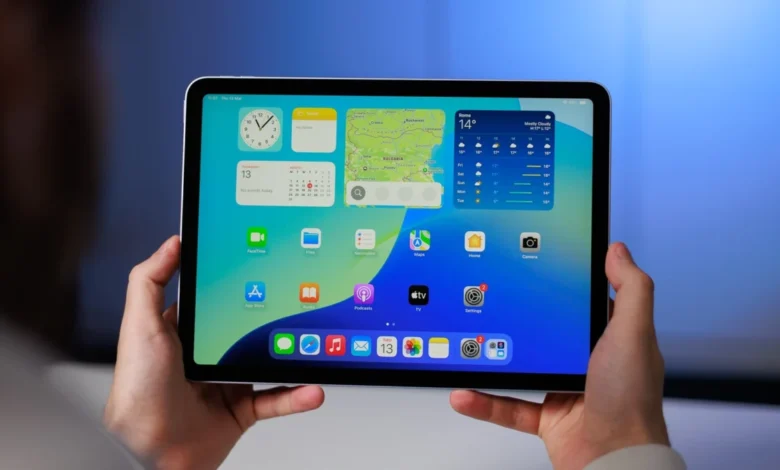
Amazon is currently offering a notable $200 discount on the 11-inch iPad Air, specifically the 256GB cellular variant, making it an exceptionally compelling option for consumers in the market for a high-performance tablet. This price reduction translates to a 24% saving, positioning the device as a strong value proposition amidst Apple’s broader tablet lineup. The deal follows a previous substantial $400 discount on what was identified as an M2-powered iPad Air, indicating a dynamic pricing strategy by major retailers for Apple’s popular tablet series.
Understanding the Current Offer
The core of the current promotion is the 11-inch iPad Air, described in the Amazon listing and associated promotional material as featuring an M3 chip. This model, equipped with 256GB of internal storage and cellular connectivity, now stands at a price point that positions it attractively against both its predecessors and the higher-tier iPad Pro models. While Apple’s latest generation of the iPad Air, introduced in May 2024, is officially powered by the M2 chip, not the M3, the retail description highlights the performance capabilities often associated with Apple’s M-series processors. For clarity, the M3 chip is found in current MacBook Air models and the 24-inch iMac, while the most recent iPad Pro models feature the even more advanced M4 chip. This distinction is crucial for consumers making informed purchasing decisions, though the performance capabilities of any M-series chip represent a significant leap in mobile computing. The discounted iPad Air is presented as an all-rounder, suitable for a wide array of tasks from daily browsing and media consumption to demanding applications and gaming, benefiting from its portable form factor and integrated cellular capabilities.
The iPad Air’s Position in Apple’s Ecosystem
Apple strategically segments its iPad lineup to cater to diverse user needs and budgets. The base iPad offers an entry point, while the iPad Pro series targets professionals requiring the utmost in performance, display technology, and accessory support (like the Magic Keyboard with trackpad and Apple Pencil Pro). The iPad Air series, where this discounted model resides, is designed to strike a balance, offering a substantial upgrade in performance and features over the base iPad without reaching the premium price tag of the Pro models. It is frequently seen as the "prosumer" choice – ideal for advanced students, creatives, and power users who need more than basic tablet functionality but do not require the absolute cutting edge or specific professional features of the iPad Pro.
The integration of M-series chips into the Air lineup began with the M1 chip in the 5th generation iPad Air (2022), signaling Apple’s commitment to bringing desktop-class performance to its mid-range tablets. This strategy has been pivotal in enhancing the iPad Air’s appeal, transforming it from a mere content consumption device into a formidable tool for content creation, intensive gaming, and robust multitasking. The M3 (or M2, depending on the specific model reference) chip in this discounted unit continues this trend, offering a blend of power efficiency and raw computational horsepower that far exceeds typical tablet processors.
Performance Benchmarks and Real-World Application
The M-series chips are a cornerstone of Apple’s computing strategy, designed in-house to deliver industry-leading performance per watt. While specific benchmarks for an "M3 iPad Air" would align with M3 chip performance generally (as seen in MacBooks), we can infer its capabilities based on the M2 chip’s performance in the latest iPad Air. The M2 chip, for instance, features an 8-core CPU (4 performance cores and 4 efficiency cores), a 10-core GPU, and a 16-core Neural Engine. This architecture delivers up to 15% faster CPU performance and up to 25% faster graphics performance compared to the M1 chip. The M3 chip further refines this, often showing an additional 15-20% improvement in CPU and GPU performance over the M2, alongside enhanced ray tracing capabilities and a more advanced media engine.
For users, this translates into a highly responsive experience across the board. Demanding applications like video editing (e.g., LumaFusion, DaVinci Resolve for iPad), graphic design (e.g., Affinity Designer, Procreate), and 3D rendering tasks run smoothly. Gamers benefit from console-quality graphics and high frame rates in titles like Genshin Impact or Resident Evil Village. Multitasking, a common use case for iPad Air users, is also significantly enhanced. Running multiple apps in Split View or Slide Over, or using Stage Manager for a desktop-like experience, is fluid and seamless, even with numerous processes running concurrently. The Neural Engine accelerates machine learning tasks, improving features like Live Text, visual lookup, and advanced photo editing, making the device smarter and more intuitive.
Display Technology and Visual Experience
The 11-inch iPad Air features an LCD display with a 60Hz refresh rate. In an era where OLED screens and higher refresh rates (like Apple’s ProMotion 120Hz technology found in iPad Pro models) are becoming more prevalent in high-end devices, some might consider an LCD at 60Hz to be "outdated." However, Apple has consistently demonstrated its ability to extract exceptional quality from LCD panels. The Liquid Retina display on the iPad Air is renowned for its excellent color accuracy, wide color gamut (P3), and impressive brightness (up to 500 nits). These characteristics ensure that photos, videos, and graphics appear vibrant and true-to-life. The resolution is also sharp enough (2360 x 1640 pixels at 264 pixels per inch) to render text clearly and images with fine detail, providing a solid viewing experience for virtually all users.
While the absence of ProMotion means scrolling and animations aren’t quite as fluid as on an iPad Pro, the difference is often imperceptible to the average user and does not detract from the overall quality of the visual experience. For tasks like reading, web browsing, streaming movies, or casual gaming, the 11-inch Liquid Retina display remains a top-tier choice in the tablet segment, offering a large, immersive canvas without the premium cost associated with OLED technology.
Connectivity, Storage, and Practical Considerations
The discounted model comes with 256GB of storage and cellular connectivity. The 256GB storage tier is a significant upgrade from the base 128GB, offering ample space for a large library of apps, high-resolution photos, 4K videos, and documents without constantly worrying about running out of space. For many users, 256GB strikes an ideal balance between capacity and cost, making it suitable for both personal and light professional use.
Cellular connectivity further enhances the iPad Air’s versatility. It allows users to stay connected to the internet even when Wi-Fi is unavailable, making it an invaluable tool for productivity on the go, whether commuting, traveling, or working remotely from various locations. This feature, combined with the device’s portability, truly transforms the iPad Air into an "all-rounder" capable of supporting mobile workflows and entertainment needs outside the confines of a Wi-Fi network.
Battery Life and Charging Dynamics
Battery performance is a critical factor for any portable device. The iPad Air M3 (or M2) delivers respectable endurance, with internal testing showing over nine hours of continuous use with nonstop web browsing. For video streaming, the device manages nearly seven hours of continuous playback. These figures generally align with Apple’s advertised "up to 10 hours of surfing the web on Wi-Fi or watching video," and slightly less for cellular models. In real-world mixed usage, most users can expect a full day of productivity or entertainment on a single charge.
However, the charging experience presents a notable drawback. Reaching 100% battery capacity takes over two hours, which can feel protracted, especially when compared to the faster charging speeds available on some smartphones and other tablets. This means users often need to plan their charging cycles, perhaps topping up overnight or during extended breaks, rather than relying on quick power boosts. While not a deal-breaker for most, it is a point of consideration for those who frequently need rapid recharges.
Chronology of iPad Air Releases and Market Dynamics
To provide context for this discount, it’s helpful to review the recent history of Apple’s iPad Air lineup and the broader tablet market.
- March 2022: Apple released the 5th generation iPad Air, powered by the M1 chip, marking the first time an Air model received Apple Silicon previously exclusive to Macs and Pro iPads.
- May 2024: Apple unveiled the latest generation of the iPad Air, notably featuring the M2 chip. This release was significant as it also introduced a larger 13-inch variant alongside the traditional 11-inch model. Simultaneously, Apple launched the new iPad Pro models with the groundbreaking M4 chip, further delineating the performance tiers within its tablet ecosystem.
The tablet market has evolved significantly over the past decade. After an initial boom, growth stabilized, and the market became increasingly competitive. Apple has consistently maintained a dominant market share, but competitors like Samsung, Google, and Microsoft continue to innovate with their own tablet offerings. Discounts from major retailers like Amazon play a crucial role in this competitive landscape. They allow Apple to stimulate demand for its devices, clear inventory, and maintain market leadership, particularly in segments where price sensitivity is higher. Such promotions also put pressure on competing brands to offer similar value, ultimately benefiting consumers.
Amazon’s Strategic Role in Tech Retail
Amazon’s decision to offer a significant discount on a high-demand Apple product like the iPad Air is a strategic move characteristic of its retail operations. As one of the largest online retailers, Amazon frequently leverages aggressive pricing to attract customers, drive sales volume, and enhance its market position. For tech products, especially those from premium brands like Apple, these discounts can generate considerable buzz and traffic.
Such promotions serve several purposes for Amazon:
- Market Share: Reinforcing its position as a go-to destination for consumer electronics.
- Customer Acquisition: Drawing in new customers who might then explore other product categories.
- Inventory Management: Assisting manufacturers in moving units, especially as new models are introduced or anticipated.
- Competitive Edge: Undercutting rivals and demonstrating value to consumers.
These discounts are not random; they are often calculated to coincide with sales events, seasonal shopping periods, or to respond to market shifts. The timing of this iPad Air discount, potentially following the recent M2 iPad Air release and preceding major holiday shopping periods, suggests a deliberate effort to capture consumer attention and capitalize on demand.
Implications for Consumers and the Market
The $200 discount on the 11-inch iPad Air with 256GB and cellular capabilities has several implications:
- Enhanced Value Proposition: It makes an already capable device even more accessible, especially for those who might have found the initial price point slightly prohibitive. The blend of M-series performance, a quality display, and cellular connectivity at a reduced price represents exceptional value.
- Bridging the Gap: For consumers debating between a standard iPad and an iPad Pro, this discounted Air model presents a strong argument for the middle ground, offering much of the Pro’s performance for significantly less.
- Market Pressure: This aggressive pricing strategy from a major retailer can influence the broader tablet market, potentially prompting competitors to adjust their pricing or introduce new promotions to remain competitive.
- Ecosystem Completion: For existing Apple users, it provides an attractive opportunity to expand their ecosystem with a powerful and versatile tablet that integrates seamlessly with their other Apple devices.
Industry analysts would likely view this as a healthy market dynamic. While Apple maintains premium pricing for its latest, highest-spec devices, allowing retailers to offer discounts on slightly older or mid-tier models ensures sustained demand across its product portfolio. This strategy helps Apple maintain its robust market share while providing options for a wider range of consumers.
Conclusion
The $200 discount on the 11-inch iPad Air, featuring what is described as an M3 chip and offering 256GB of cellular storage, represents a standout opportunity for consumers. Despite the nuanced distinction regarding the M3 chip (with Apple’s latest Air officially featuring the M2), the core value proposition remains robust: a powerful, versatile, and beautifully designed tablet at a significantly reduced price. Its combination of strong M-series performance, a vibrant 11-inch Liquid Retina display, ample storage, and cellular connectivity positions it as an ideal all-rounder for students, professionals, and casual users alike. While charging speed could be improved, the overall package delivers exceptional value for money. As such promotions are often time-sensitive, interested buyers are encouraged to act promptly to capitalize on this compelling offer from Amazon.