Mastering Mobile Input: The Revolutionary Impact of Swipe Typing on Android Productivity and Communication

In an era where smartphones have become indispensable tools for both personal and professional communication, the demand for efficient and rapid text input has never been higher. From drafting urgent emails and compiling detailed university notes to managing daily tasks and engaging in swift social exchanges, the ability to type quickly on a mobile device is no longer a mere convenience but a critical skill. While many users instinctively revert to the traditional method of tapping individual letters on their virtual keyboards, a more sophisticated and often overlooked technique, known as swipe typing, offers a transformative pathway to dramatically accelerated input speeds. This method, available across leading Android keyboard platforms like Google’s Gboard and Samsung Keyboard, represents a significant evolution in mobile human-computer interaction, promising a substantial leap in words per minute (WPM) for those who master its fluid mechanics.
The shift towards faster mobile typing gained significant traction as smartphones transitioned from niche gadgets to pervasive communication hubs. Early mobile phone input was largely dominated by physical keypads, evolving from alphanumeric layouts to T9 predictive text systems. While T9 offered an initial step towards predictive typing by mapping multiple letters to a single key, it still required multiple presses and lacked the intuitive flow desired for extensive text entry. The advent of touchscreen smartphones, exemplified by early Android devices and Apple’s iPhone, brought the full QWERTY keyboard to mobile screens, but the initial experience was often cumbersome. Users, accustomed to physical keyboards, found tapping small virtual keys prone to errors and significantly slower than their desktop counterparts. This challenge spurred innovation in mobile input methods, paving the way for gesture-based typing solutions.
The concept of continuous gesture typing, commonly known as swipe typing, sliding to type, or Glide Typing (on Gboard), first emerged prominently around 2007-2008 with the introduction of Swype, a pioneering keyboard application developed by Nuance Communications. Swype revolutionized mobile text input by allowing users to form words by sliding their finger across the virtual keyboard, connecting the letters of a word without lifting their digit. The software’s intelligent algorithms would then interpret the traced path and predict the intended word. This innovation was initially met with widespread acclaim, demonstrating a clear advantage in speed and efficiency over traditional tapping. Swype quickly gained popularity, often coming pre-installed on Android devices through licensing agreements, establishing the foundational paradigm for modern swipe keyboards.
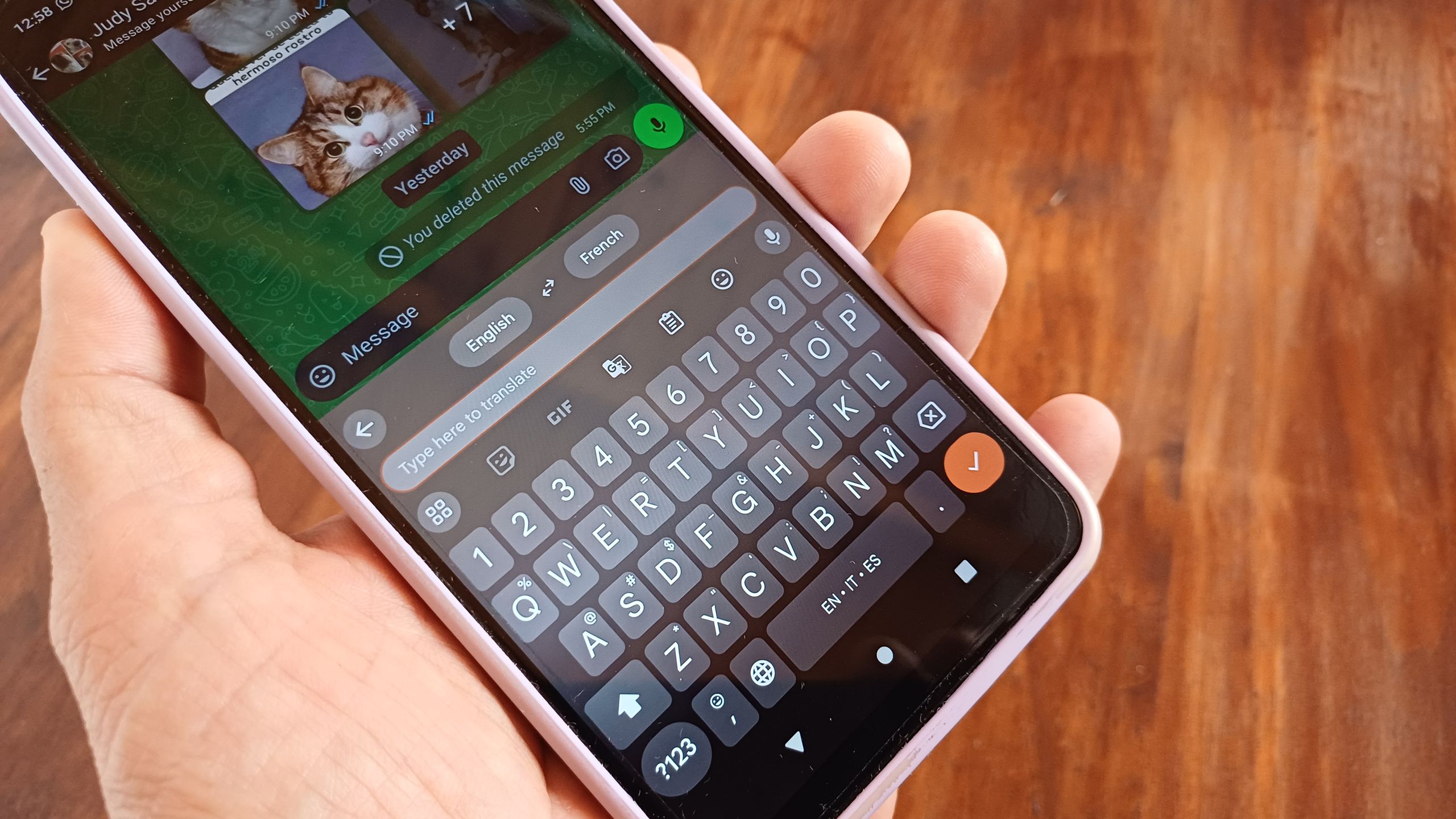
Google’s entry into the gesture typing space came with its own native keyboard, eventually evolving into Gboard. Building upon the principles established by Swype, Google integrated its robust AI and machine learning capabilities into Glide Typing. This integration was bolstered by Google’s continuous advancements in natural language processing and its vast linguistic databases. Similarly, Samsung, a dominant force in the Android ecosystem, incorporated a comparable "Swype mode" into its proprietary Samsung Keyboard, ensuring that users of its devices could also benefit from this efficient input method. These developments underscored a industry-wide recognition of swipe typing as a superior input modality for touchscreen devices, addressing a core user need for faster and more natural communication.
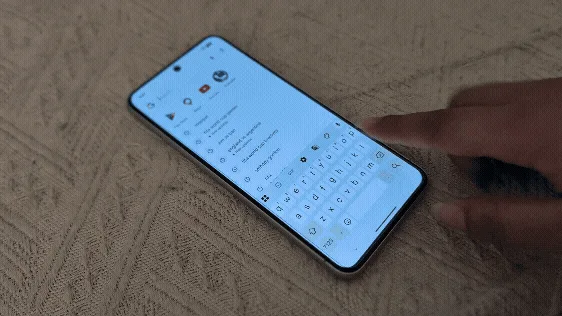
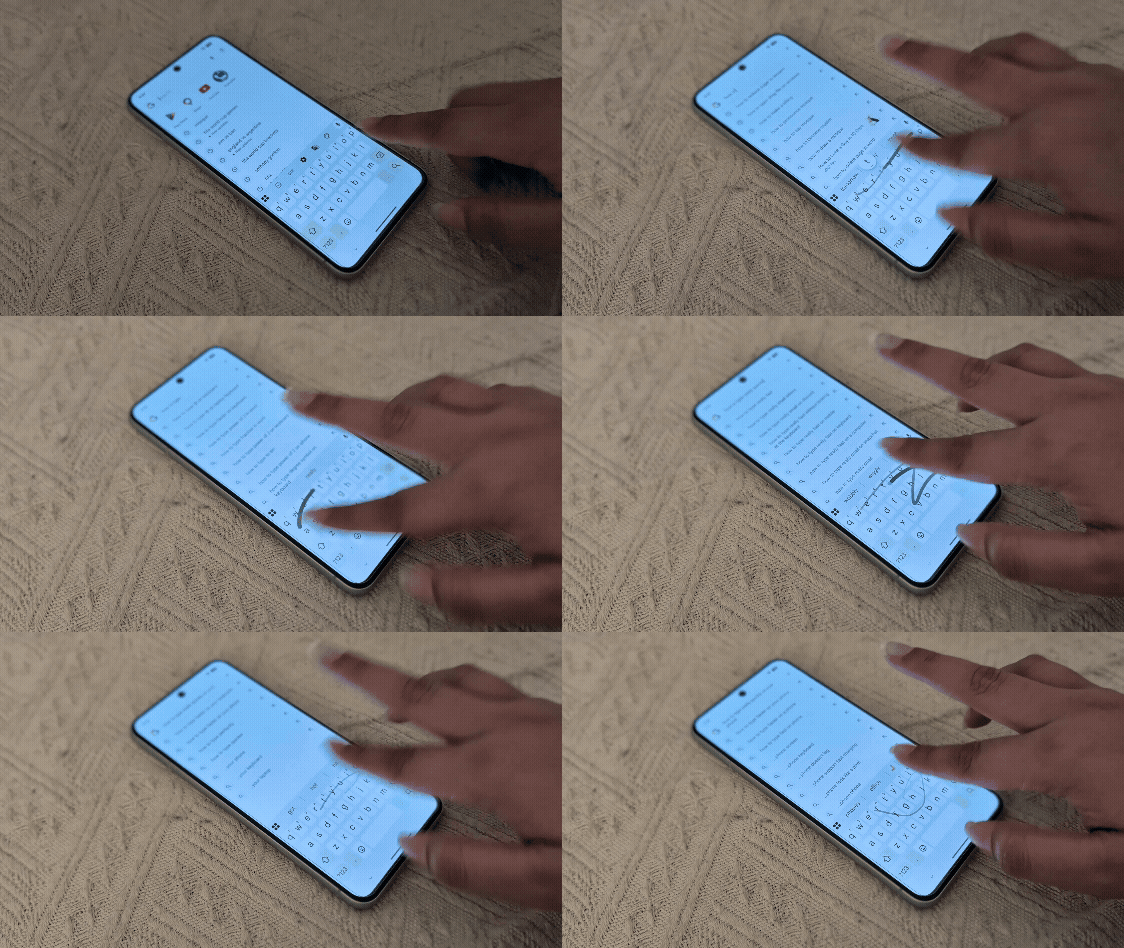
The mechanics of swipe typing are deceptively simple yet powered by sophisticated algorithms. To utilize this feature, a user simply taps into any text box on their Android phone. Instead of individually tapping each letter, the user slides their finger across the keyboard, tracing a path through the letters that form the desired word. The key is to maintain continuous contact with the screen, lifting the finger only at the completion of each word. Upon lifting the finger, the keyboard’s software automatically registers the word and inserts a space, preparing for the next input. This seamless transition between words significantly reduces the physical movements required, thereby boosting typing speed.
For users on a Google Pixel 8 running Android 16, using Gboard as the default keyboard, the process is inherently intuitive. Once a text box is activated, the user simply initiates the swipe gesture. Gboard’s Glide Typing is designed to interpret these gestures with high accuracy, often predicting the correct word even with imprecise paths. Samsung Keyboard users, however, may need a preliminary step: navigating to their keyboard settings and enabling the "Swype mode" feature before they can commence sliding their finger to type. This ensures the gesture recognition functionality is active. The broad compatibility of swipe typing, generally available on Android phones running at least Android 8, means a vast majority of contemporary Android users can leverage this efficiency hack.
The intelligence embedded within modern swipe typing keyboards, particularly Gboard, is a critical factor in their effectiveness. Gboard is engineered to become progressively smarter and more accurate with continued use. As a user swipes through letters, Gboard actively displays word suggestions above the keyboard. If the initial prediction is incorrect, users can simply tap the appropriate word from the suggestions, effectively "teaching" Gboard their specific typing patterns and vocabulary. This adaptive learning process extends to words added to the user’s personal dictionary, encompassing proper names, colloquialisms, abbreviations, and even words from other languages. The system does not strictly adhere to grammatically correct or standard dictionary terms, making it highly flexible and personalized.
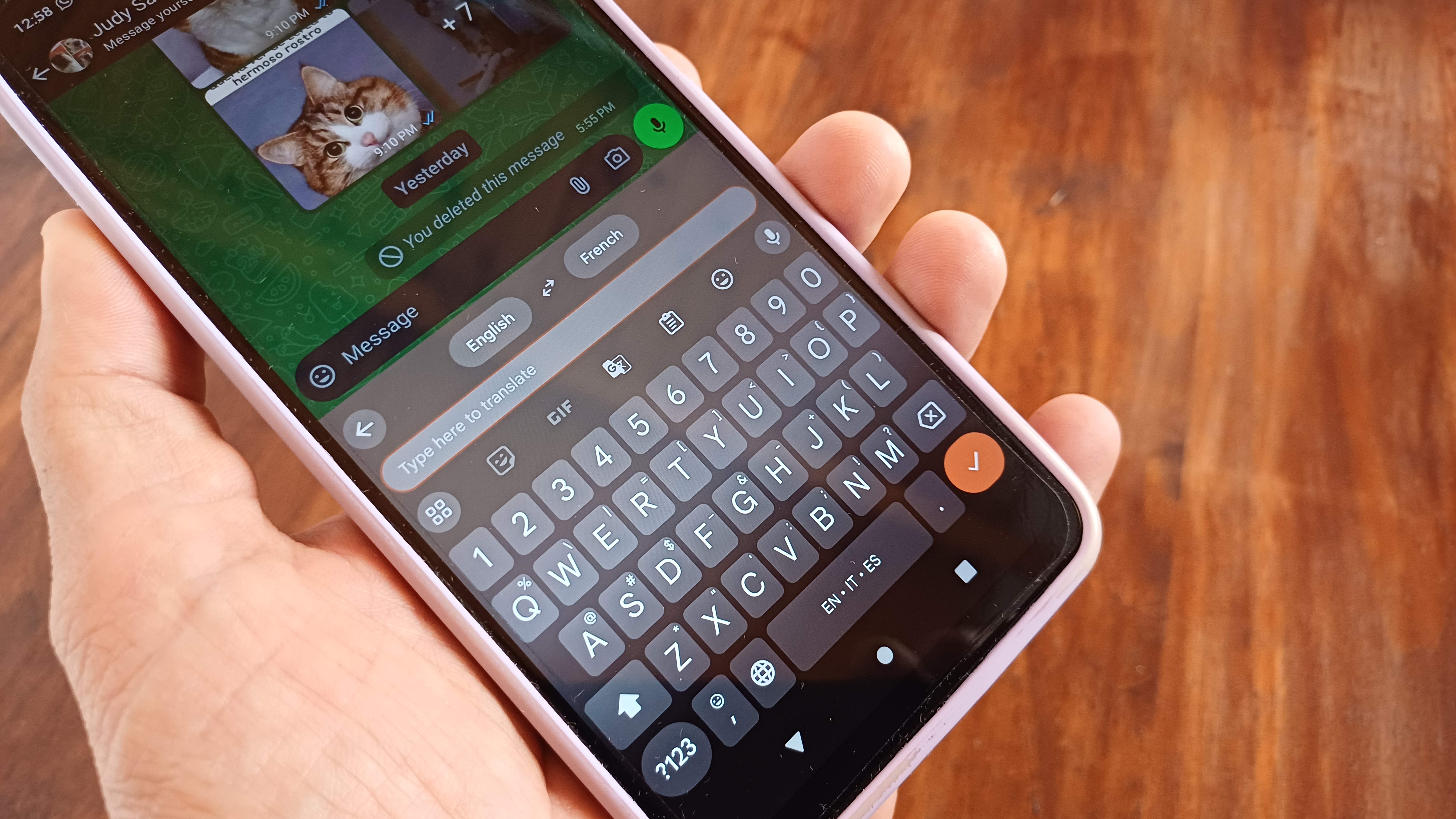
A significant strength of Gboard’s swipe typing is its robust multilingual support. Users can effortlessly switch between installed languages and swipe type in each, often without any noticeable drop in performance. For instance, the ability to swipe type in a language like Urdu, with its distinct script and complex character combinations, demonstrates the advanced linguistic processing capabilities of the platform. This global adaptability makes swipe typing an invaluable tool for users navigating multiple linguistic contexts, whether for work, travel, or personal communication. Furthermore, the functionality extends beyond smartphones to wearable devices. For users with a Wear OS smartwatch equipped with Gboard, the same swipe-typing technique can be employed, offering a surprisingly efficient input method on constrained screen real estate, a testament to its versatility and user-centric design.
While the immediate allure of swipe typing is its promise of speed, users often experience a brief learning curve. Initially, some may find their typing speed to be slower than their traditional tapping method. This initial dip in performance is natural as muscle memory adapts to the new gestural input. However, consistent practice quickly mitigates this, and users typically find their WPM increasing dramatically, often surpassing speeds achievable through tapping. Studies on mobile text entry efficiency have indicated that experienced swipe typists can achieve speeds ranging from 40 to 60 words per minute, and even higher for exceptionally proficient users, compared to an average of 20-30 WPM for tap typing. This improvement is not merely anecdotal; it is a measurable enhancement in digital literacy and productivity.
The impact of swipe typing extends beyond individual user efficiency, influencing broader trends in digital communication. Its ability to facilitate rapid text entry has streamlined professional workflows, enabling quick responses to emails, efficient note-taking during meetings, and faster drafting of documents on the go. In academic settings, students can capture lecture notes or brainstorm ideas with greater fluidity. Socially, the immediacy of swipe typing allows for more dynamic and spontaneous conversations, removing some of the friction traditionally associated with extensive mobile text input. The anecdotal observation of swipe typists attracting attention in public, with strangers expressing curiosity and requesting demonstrations, underscores its visually distinctive nature and the palpable efficiency it conveys. This personal experience highlights a broader, often unspoken, desire among smartphone users for more effective ways to interact with their devices.
The evolution of mobile input methods, with swipe typing as a key milestone, reflects a continuous effort to bridge the gap between human thought and digital expression. By reducing the cognitive load and physical effort associated with typing, swipe typing allows users to focus more on the content of their message rather than the mechanics of its delivery. This foundational shift has also influenced the development of subsequent input technologies, including advanced voice-to-text transcription, AI-powered predictive sentences, and even augmented reality keyboards. The underlying principles of path recognition, predictive algorithms, and adaptive learning, perfected in swipe typing, are now integrated into a myriad of modern human-computer interfaces.
Looking ahead, as artificial intelligence and machine learning capabilities continue to advance, swipe typing is poised for further enhancements. Expect even more accurate word prediction, smarter contextual understanding, and potentially integration with haptic feedback systems that could provide tactile guidance during the swiping process. The continuous refinement of these input methods is crucial for maintaining user engagement and productivity in an increasingly mobile-centric world. The widespread adoption and enduring popularity of swipe typing across Android devices confirm its status not just as a "hack" but as an essential, transformative feature that has redefined mobile text input, empowering millions to communicate with unprecedented speed and fluidity.