ZA/UM Studio Faces Significant Layoffs Amidst Disappointing Commercial Performance of "Zero Parades: For Dead Spies"

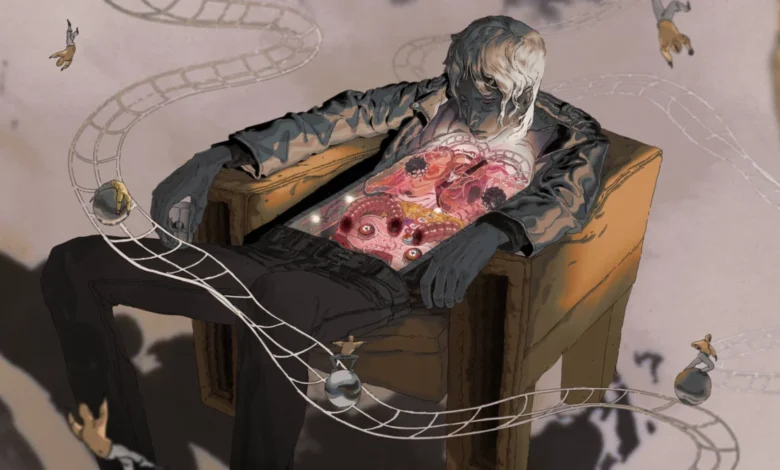
ZA/UM Studio, the development house embroiled in years of high-profile legal and public disputes since the landmark release of its 2019 title Disco Elysium, has announced significant workforce reductions. The studio confirmed that it is issuing redundancy or at-risk notices to up to 32 employees across all departments. This decision, according to a statement released by the company, stems directly from the "commercial performance" of its latest release, Zero Parades: For Dead Spies, a title widely regarded as a spiritual successor to its acclaimed predecessor. The sales figures for Zero Parades: For Dead Spies, ZA/UM stated, have not been sufficient "to sustain a studio of our current size."
The latest round of layoffs marks another difficult chapter for ZA/UM, a studio that has been at the epicenter of a protracted and acrimonious conflict involving its original creative leads and its current management. As of October 2025, ZA/UM was reported to employ approximately 100 individuals. Notably, this workforce had previously established the first recognized video game developers’ union in the United Kingdom, affiliated with the Independent Workers Union of Great Britain (IWGB). ZA/UM has indicated that it has maintained ongoing consultation and collaboration with representatives of the ZA/UM Workers’ Alliance throughout the redundancy process.
Critical Acclaim vs. Commercial Reality
Despite receiving widespread critical acclaim, Zero Parades: For Dead Spies has evidently failed to translate this positive reception into the necessary financial success to support ZA/UM’s operational scale. The studio’s official statement, disseminated across social media platforms, underscored this disparity. "While Zero Parades: For Dead Spies was released to critical acclaim, its commercial performance has not enabled us to sustain a studio of our current size," the statement read. It further detailed the impact: "We have served redundancy or at-risk notices impacting up to 32 of our colleagues across all departments at ZA/UM Studio. Their work has made a lasting difference and left its mark on Zero Parades: For Dead Spies, and the studio as a whole."
The studio emphasized its commitment to navigating this challenging period with transparency and in dialogue with its workforce. "Throughout this difficult process, we have continued to consult and work with representatives of the ZA/UM Workers’ Alliance," the statement confirmed. Looking ahead, ZA/UM expressed a resolve to continue its creative endeavors despite the structural changes. "This changes the shape of ZA/UM, but not its purpose. Our artistic standards remain unchained: we will persist." The studio also issued a call to the wider industry, urging potential employers to consider the affected staff: "To anyone currently hiring, please consider the colleagues leaving ZA/UM."
A History of Turmoil and Legal Battles
The recent layoffs are intrinsically linked to the tumultuous history of ZA/UM and the foundational disputes that have plagued the studio since the immense success of Disco Elysium. The conflict primarily centers on allegations of fraudulent acquisition of the studio and its intellectual property by current management, Ilmar Kompus and Tõnis Haavel, against the original game director Robert Kurvitz and art director Aleksander Rostov.
Kurvitz and Rostov have publicly accused Kompus and Haavel of orchestrating a takeover through deceptive means, leading to their subsequent dismissal and disconnection from their creative work. They claim to have been "summarily fired and cut off from our life’s work" after seeking financial transparency from the new ownership.
Conversely, Kompus and Haavel have vehemently denied any wrongdoing, refuting claims of "financial malfeasance or fraud." Their counter-narrative includes allegations of misconduct against the former employees, such as prolonged periods of non-work while still receiving salaries, fostering a "toxic work environment," and purportedly attempting to illegally transfer ZA/UM’s intellectual property to other companies. Robert Kurvitz has publicly refuted these accusations, characterizing them as a diversionary tactic aimed at undermining their position and deflecting attention from suspected illegal activities.
This complex web of accusations has been extensively documented and scrutinized over the years, notably through in-depth reporting by outlets like People Make Games and lengthy documentary series. These investigations have presented multiple perspectives, adding layers of detail to the ongoing disputes. The ensuing legal battles have seen various outcomes, with some cases being dismissed or withdrawn, while others continue to be contested through public statements and tit-for-tat exchanges between the involved parties.
The fallout has also spawned a new generation of studios formed by former Disco Elysium developers, each aiming to create spiritual successors. These ventures, however, have not been immune to further legal entanglements and disputes, highlighting the pervasive impact of the original conflict.
Precedent of Workforce Reductions
This latest announcement is not the first instance of significant workforce reduction at ZA/UM. In 2024, reports indicated the cancellation of a Disco Elysium standalone expansion and the layoff of approximately 24 employees. At that time, further public statements emerged, detailing allegations of a workplace characterized by "crunch, burnout and conflict." These recurring patterns suggest ongoing internal challenges and financial pressures within the studio.
Industry Reaction and Broader Implications
The news of the layoffs has been met with considerable criticism across social media platforms, largely amplified by ZA/UM’s contentious past. Many expressed sympathy for the affected workers, highlighting the precarious nature of the game development industry. One prominent sentiment shared on Bluesky lamented, "I feel terrible for the workers… especially since gamedev is absolute shit rn… They deserve a safe and rewarding job. Unfortunately Zaum is not that place and it will fall sooner or later, since they poisoned the brand for [the] majority of fans." The inability to directly reply to the studio’s announcements on platforms like X and Bluesky has further fueled a sense of frustration and a lack of direct engagement from the company with its critics.
The situation at ZA/UM serves as a stark reminder of the volatile economic landscape within the video game industry. While critical success can garner prestige and critical acclaim, it does not always guarantee commercial viability, especially for studios facing significant internal strife and a damaged public image. The deep irony of Disco Elysium‘s anti-capitalist themes and the current commercial struggles of its creators further intensifies the public discourse surrounding these events.
The Artistic Merit of "Zero Parades: For Dead Spies"
Despite the commercial disappointment and the subsequent workforce reduction, the artistic merit of Zero Parades: For Dead Spies has been widely acknowledged. The game, released just two months prior to the layoff announcement, has garnered significant praise for its gameplay mechanics and narrative depth, bearing strong resemblances to the beloved Disco Elysium.
A five-star review on Eurogamer described the game as a work of "bristling reactivity, woven into gorgeous prose and a constellation of characters big and small, each a critical texture in the fabric of a living, breathing story." The reviewer lauded it as "the cumulative work of a creative team at the top of their game," further characterizing it as "a narrative distillation of the familiar into a messy, painful journey that feels, at turns, cinematic and mundane, sharp and silly – a fine-tuned caricature of humanity’s petty, poisoned psyche, a game made with care, for only the finest sickos." This critical endorsement underscores the disconnect between artistic achievement and financial sustainability that ZA/UM is currently grappling with.
As the video game industry continues to navigate economic uncertainties and the enduring impact of internal disputes, the case of ZA/UM offers a complex and cautionary tale. The future trajectory of the studio remains uncertain, but the immediate concern rests with the livelihoods of the employees impacted by these significant layoffs. Eurogamer extends its best wishes for future endeavors to all those affected by this difficult situation.
Related posts: