Arc Raiders Developer Embark Studios Suspends Expedition System Until 2027 With Total Cancellation Remaining a Possibility

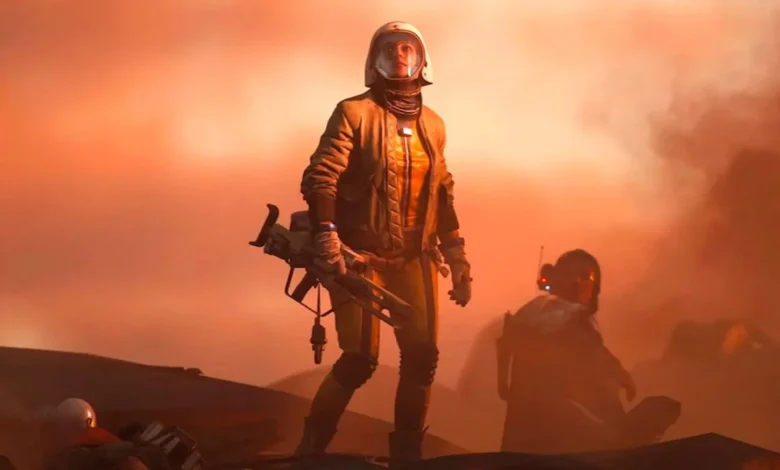
Embark Studios has officially announced a multi-year hiatus for the Expedition system in its third-person extraction shooter, Arc Raiders, pushing any potential return of the high-level mechanic to early 2027 at the earliest. The decision comes in response to persistent community dissatisfaction regarding the system’s design, reward structures, and overall accessibility. While the studio initially framed the pause as a necessary window for a comprehensive overhaul, recent statements from executive leadership suggest that the feature could be permanently scrapped if a viable alternative cannot be engineered.
The suspension marks a critical inflection point for the title, reflecting the delicate balance developers must strike between endgame progression and player retention in the fiercely competitive live-service gaming market. As the community awaits the upcoming "Frozen Trails" content update in October, the future of character progression in Arc Raiders remains uncertain, prompting widespread discussions among players and industry analysts alike regarding the long-term sustainability of traditional prestige mechanics.
Understanding the Expedition Mechanic and Community Grievances
To fully grasp the magnitude of Embark Studios’ decision, it is necessary to examine how Expeditions function within the ecosystem of Arc Raiders. Analogous to the "prestige" systems found in other multiplayer franchises such as Call of Duty, Expeditions serve as an optional endgame sink for dedicated players. Within the narrative framework of the game, high-level operators invest vast amounts of time, rare resources, and in-game currency into a communal "caravan." Successfully completing this endeavor allows a character to permanently depart the hazardous Rust Belt, resetting their individual progress in exchange for exclusive cosmetic rewards, legacy badges, and specialized baseline advantages for subsequent characters.
However, the execution of this mechanic has faced substantial pushback since the game’s broader rollout. The primary friction points identified by the player base center on the restrictive departure windows, an unrewarding risk-versus-reward ratio, and the steep barriers to entry that alienate newer or more casual participants.
Unlike traditional progression resets that offer immediate or tangible power increases, the payoff for completing an Expedition in Arc Raiders was frequently viewed by the community as disproportionately small relative to the astronomical grinding required. Players routinely voiced frustrations that sacrificing hundreds of hours of carefully accumulated gear and skill trees yielded benefits that did not adequately justify the steep loss of status. Because these fundamental flaws are baked into the core architecture of the feature, minor tweaks and incremental hotfixes proved insufficient to placate the player base, forcing the development team to take more drastic measures.
A Timeline of the Suspension and Leadership’s Stance
The trajectory toward this unprecedented pause accelerated over the summer, culminating in a formal announcement by Embark Studios in August. At the time, the studio acknowledged that the complaints levied against the Expedition system could not be resolved through routine maintenance. Consequently, management established a strict cutoff schedule: the fifth iteration of the Expedition cycle, slated to depart at the conclusion of September, serves as the final opportunity for players to engage with the system in its current state. Following its departure, the feature will be locked down indefinitely while the development team recalibrates.
The scope of this hiatus was further clarified during Gamescom, where Arc Raiders Executive Producer Aleksander Grönndal addressed the media. In an interview with industry publication PCGamesN, Grönndal admitted that the system in its current iteration fell short of expectations, leaving the door wide open for a total termination of the feature rather than a simple redesign.
"Was the system perfect? No, probably not," Grönndal remarked during the event. "We want to make some significant changes to the Expedition system. But I think right now we’re focused on, ‘Yeah, they are what they are,’ but the intent is to have them change."
When pressed on whether the system might return in a vastly altered state, Grönndal delivered a frank assessment that caught many followers by surprise. "Maybe we’ll scrap the whole system altogether. That is on the table, too. Right now, the team is trying to figure out what the next steps for Expeditions are."
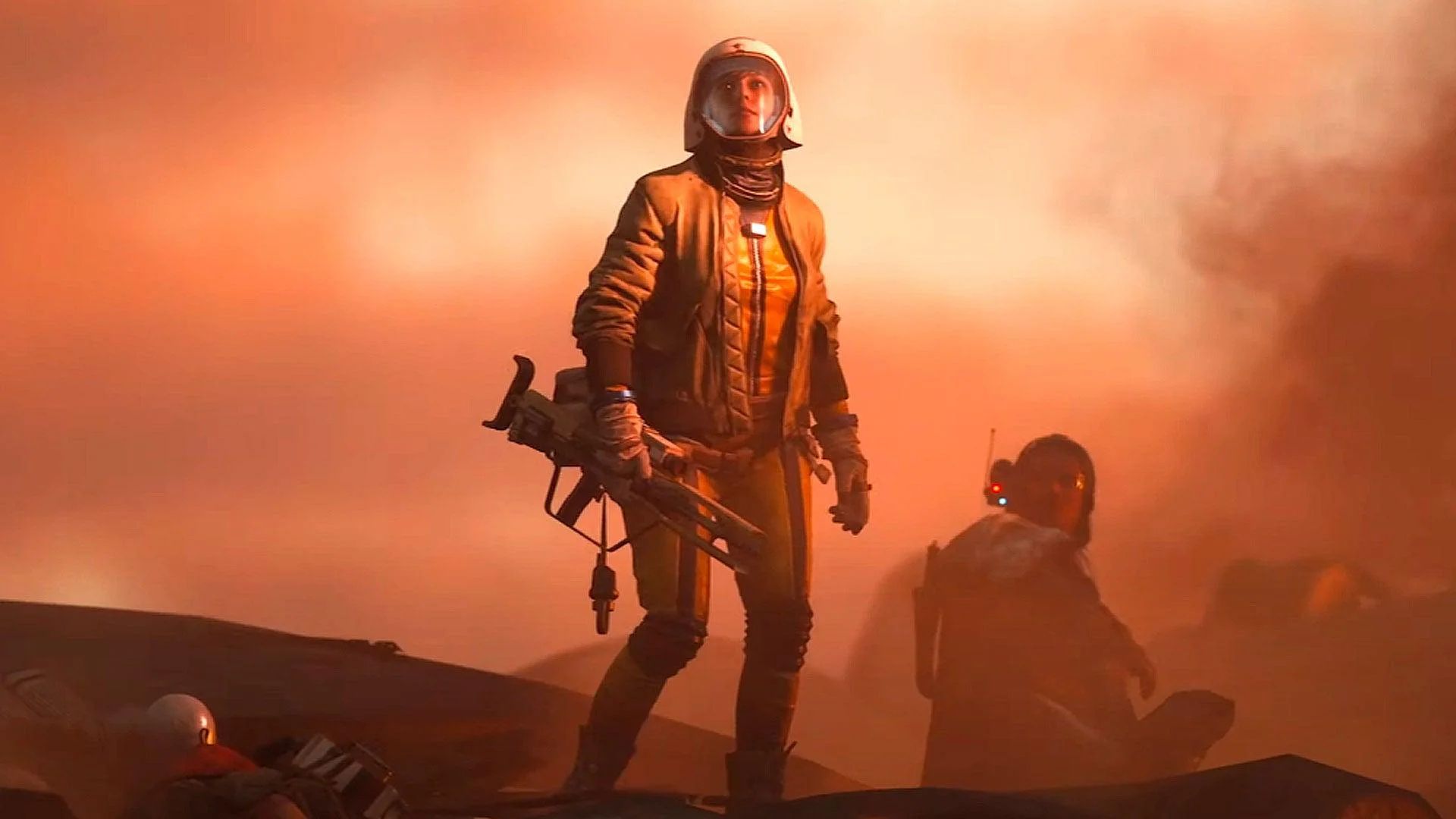
This admission highlights a rare level of transparency from a major developer, illustrating a willingness to abandon features that fail to resonate with the community rather than forcing mechanics to fit a preconceived design pillar.
The Upcoming "Frozen Trails" Update and Immediate Roadmap
While the permanent fate of Expeditions remains undecided, Embark Studios is maintaining momentum on other fronts. The immediate focus for the development team is the impending rollout of the "Frozen Trails" major update, scheduled for release in October.
This upcoming patch is designed to inject fresh challenges into the high-tier zones of Arc Raiders. The update introduces a treacherous, snow-covered map alongside new variants of the titular ARCs—the mechanized alien threats that dominate the game’s dystopian setting. These environmental and mechanical hazards are specifically engineered to disrupt established strategies, forcing veteran players to rethink their movement mechanics, resource management, and tactical approaches in high-pressure scenarios.
Industry insiders note that timing the suspension of Expeditions alongside the deployment of a major content drop is a calculated move. By removing a contentious, poorly received endgame loop while simultaneously introducing fresh, engaging content, Embark Studios can pivot the community’s attention toward positive gameplay additions, mitigating potential outrage over the missing feature.
Fact-Based Analysis of Broader Implications for Live-Service Games
The situation surrounding Arc Raiders offers a compelling case study in the modern live-service development model. In an era where games-as-a-service (GaaS) titles rely on continuous player retention and regular engagement loops, the decision to actively remove a core progression system for upwards of two years is both bold and risky.
From an analytical perspective, this move underscores several key realities of contemporary game development:
- The Cost of Sunk Progression: Modern extraction shooters and survival games rely heavily on loops that incentivize players to restart their progression to maintain long-term engagement. When these loops feel overly punitive or unrewarding, they create player churn rather than retention. Embark’s willingness to pause the system demonstrates that protecting player sentiment is currently prioritized over maintaining artificial engagement metrics.
- Agile Development vs. Legacy Systems: Developers are increasingly finding that older foundational systems can anchor a game down if they clash with how a community naturally evolves. Taking a feature offline for an extended period—effectively treating the game as an ongoing work-in-progress—is becoming an accepted alternative to rushing out half-baked patches.
- Transparent Communication: By openly admitting that permanent cancellation is a viable outcome, Embark Studios avoids managing false expectations. Modern gamers often respond better to transparent uncertainty than to delayed promises that fail to materialize in a meaningful way.
Industry and Community Reception
The reaction from the Arc Raiders community has been largely pragmatic. While some hardcore players who invested heavily in the early Expedition cycles have expressed disappointment over the sudden halt of their long-term goals, the consensus among the broader player base is one of cautious optimism. The recognition by developers that the grind was fundamentally flawed validates months of community feedback on forums and social media.
Competitors and industry observers are also monitoring the situation closely. As the extraction shooter genre becomes increasingly crowded, developers are learning that traditional prestige mechanics do not automatically translate well to games centered around scavenging, high-stakes loss, and survival. How Embark Studios ultimately resolves the Expedition dilemma—whether through a complete reimagining or a permanent replacement with an entirely different endgame system—will likely serve as a benchmark for other studios grappling with similar progression design challenges.
For now, players must navigate the Rust Belt without the carrot-on-a-stick progression of Expeditions until the final September cycle closes. As Embark Studios heads into the final quarter of the year, all eyes will be on the performance of the "Frozen Trails" update and any subsequent developer roadmaps detailing the post-2027 landscape of the game.