Honor Bucks Market Trend With Surging Android Tablet Shipments in EMEA

The global consumer electronics market has long faced persistent skepticism regarding the long-term viability and demand for standalone tablet devices, particularly within the Android ecosystem. However, recent market research data from the International Data Corporation (IDC) paints a more nuanced picture, highlighting robust pockets of expansion even as broader hardware sectors contract. While overall unit shipments across Europe, the Middle East, and Africa (EMEA) experienced a notable downturn during the second quarter of 2026, original equipment manufacturer Honor defied regional headwinds to post extraordinary year-over-year growth. This surge not only challenges prevailing industry narratives regarding consumer fatigue but also signals a strategic shift in how smartphone manufacturers leverage existing brand ecosystems to capture adjacent hardware segments.
Main Facts and Q2 2026 Market Performance
According to the comprehensive IDC market tracking report released in September 2026, the broader Android tablet landscape in the EMEA region faced a challenging period. Total unit shipments fell to 5.9 million devices, representing a 10.5% contraction compared to the same quarter in the previous year. Industry analysts attribute this overall decline to macroeconomic pressures, extended device replacement cycles, and shifting consumer expenditure toward essential goods or versatile alternative form factors, such as foldable smartphones.
Despite this contraction, traditional market hierarchy experienced significant disruption. While Samsung maintained its longstanding position as the volume leader in terms of total units shipped within the EMEA territory, the competitive gap narrowed significantly due to aggressive maneuvers by challenger brands. Notably, Honor emerged as the standout performer of the quarter, recording an unprecedented 25.3% year-over-year surge in tablet shipments. This dramatic increase represents the highest rate of expansion among all major Android tablet vendors operating within the EMEA marketplace during the second quarter.
The report further noted that Xiaomi was the only other major Android manufacturer to secure positive growth during the same timeframe, albeit at a modest 3.4% year-over-year increase. The stark contrast between Honor’s double-digit expansion and the broader market’s double-digit decline underscores a fundamental divergence in consumer preference toward specific brand ecosystems and hardware value propositions.
Background Context and Industry Evolution
To understand the significance of Honor’s recent performance, it is necessary to examine the historical trajectory of the tablet market over the preceding half-decade. Following an unprecedented surge in demand during the global health crises of 2020 and 2021—driven by remote work, virtual education, and home entertainment requirements—the tablet market entered a protracted stabilization phase. By 2024 and 2025, shipments had largely plateaued as consumers found themselves in possession of durable, high-performing hardware that required no immediate replacement.
During this period of stagnation, many manufacturers relied on aging component specifications, such as standard liquid crystal display (LCD) panels and incremental software updates, which failed to incentivize new purchases. Furthermore, the rapid maturation of foldable smartphone technology introduced devices capable of bridging the gap between pocket-sized telephony and expansive mobile computing, leading many industry analysts to question whether the traditional slate tablet format faced eventual obsolescence.
Amidst these structural challenges, Honor executed a calculated transition. Having established a formidable independent presence in the global smartphone market following its separation from Huawei, the company systematically expanded its device portfolio into adjacent categories. By leveraging its established supply chain relationships, software engineering prowess, and consumer brand recognition built through its smartphone lineup, Honor positioned its hardware ecosystem as an integrated solution for modern digital consumers.
Supporting Data and Chronological Analysis
The trajectory leading to the Q2 2026 IDC report reflects a multi-year strategy executed by Honor’s hardware division. The timeline of this growth can be traced through key technological and commercial milestones:
- Late 2024 to Early 2025: Honor begins introducing intermediate tablet iterations designed to test European and Middle Eastern retail channels, utilizing competitive pricing models to capture early market share from legacy competitors.
- Late 2025: Recognizing the limitations of standard display technologies in a saturated market, Honor’s research and development teams commit to upgrading their mobile hardware lines, phasing out conventional LCD panels in favor of advanced organic light-emitting diode (OLED) architectures and proprietary eye-comfort dimming technologies.
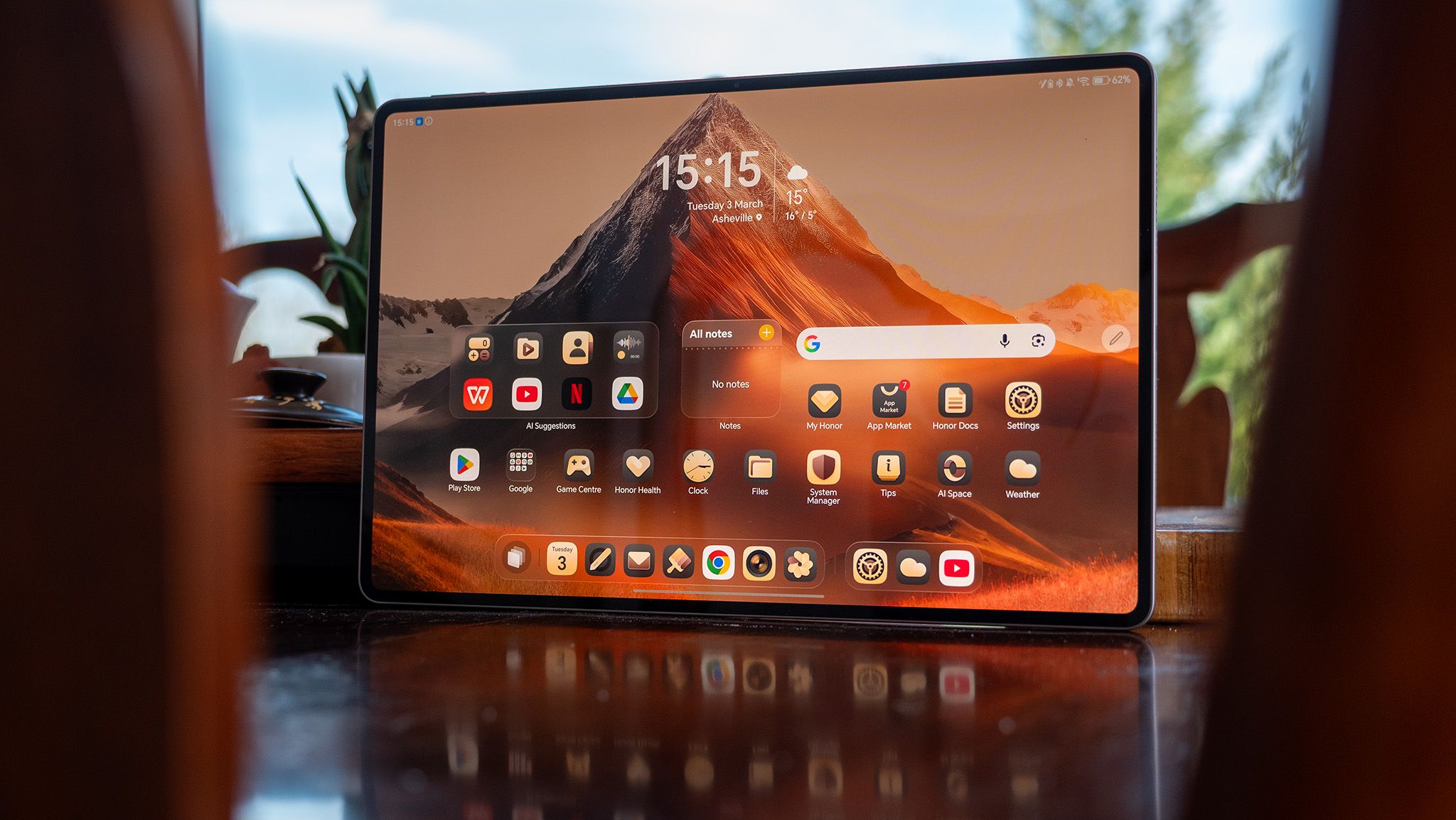
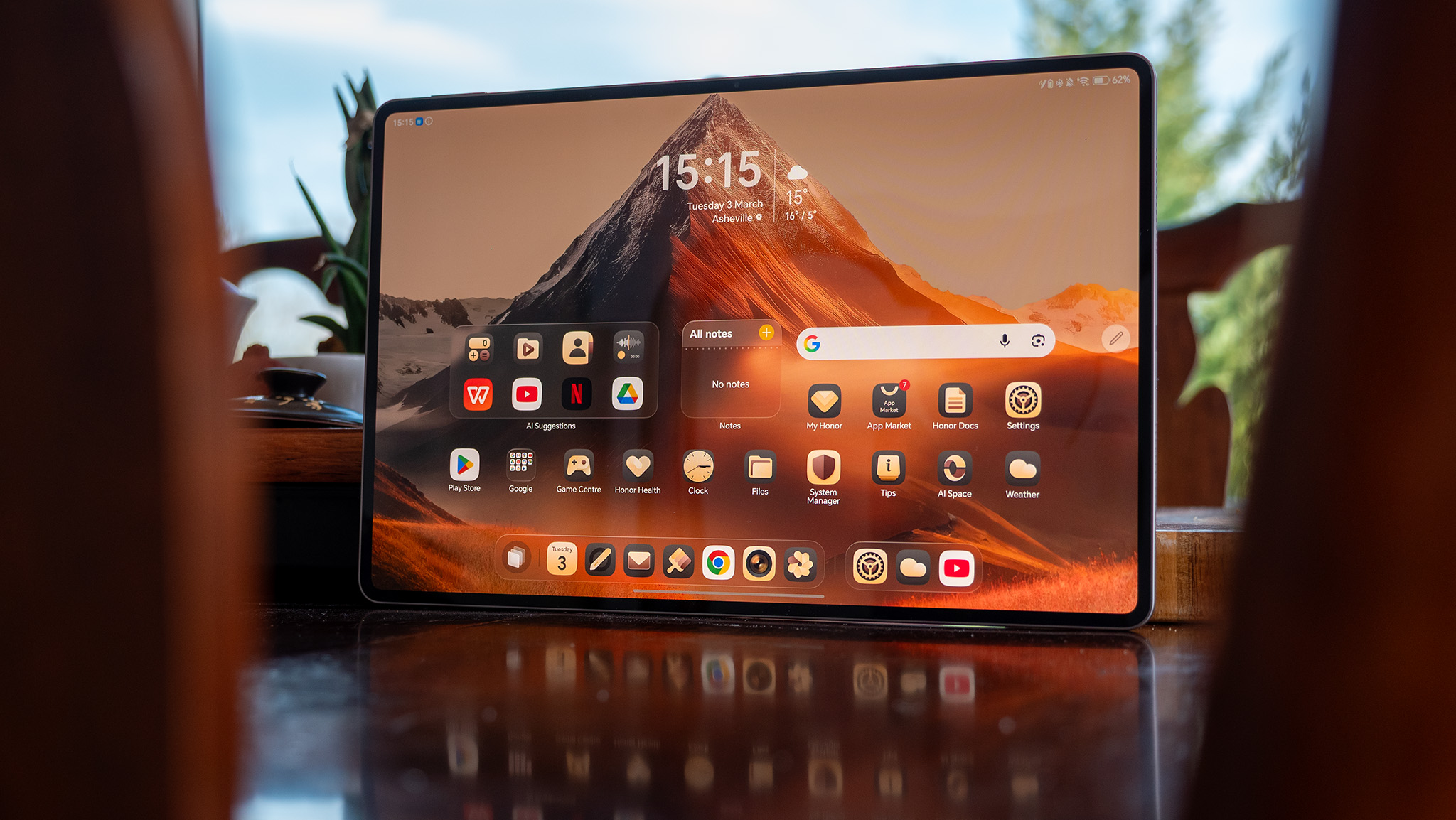
- Second Quarter 2026: The IDC tracking period registers the official impact of Honor’s hardware refresh cycle. The release of devices such as the Honor MagicPad 4 coincides with aggressive retail expansion across EMEA, culminating in the recorded 25.3% year-over-year shipment increase.
- September 2026: IDC publishes its comprehensive EMEA regional analysis, confirming that Honor’s strategic deployment successfully insulated the brand from the broader 10.5% market downturn.
Daniel Goncalves, senior research manager at IDC, highlighted this strategic crossover during the publication of the quarterly data. Goncalves noted that many of the recent challengers seeking to disrupt Samsung’s historical dominance in the Android tablet space have successfully capitalized on their existing footprint within the mobile phone sector. By establishing consumer trust, unified software ecosystems, and robust retail partnerships through smartphones, brands like Honor are able to cross-sell companion devices with significantly reduced friction.
Technological Innovations Driving Hardware Demand
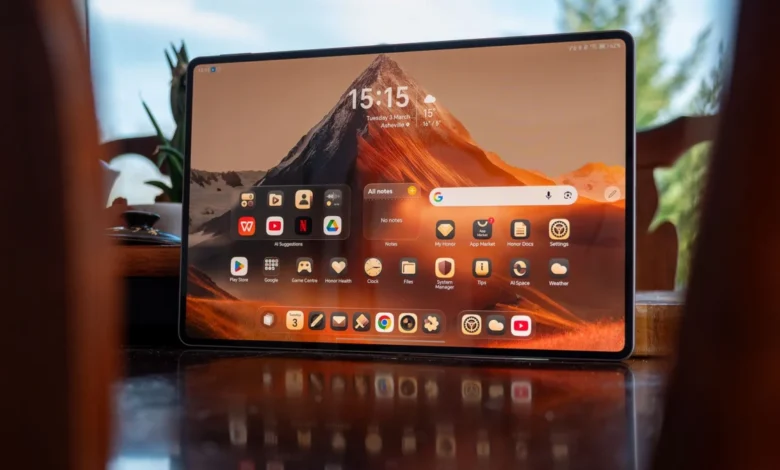
A critical element behind Honor’s market outperformance lies in its aggressive approach to hardware specification and component innovation. Historically, mid-tier and flagship Android tablets often compromised on display quality, relying on older display technologies to maintain profit margins. Honor challenged this convention with the introduction of the MagicPad 4, a device designed to push the boundaries of visual fidelity and user ergonomics in the slate form factor.
The transition from traditional LCD panels to high-luminance OLED screens allowed Honor to offer superior contrast ratios, deeper black levels, and enhanced energy efficiency. More importantly, the integration of advanced hardware-level pulse-width modulation (PWM) dimming—reaching frequencies of 5,320Hz—addressed a long-standing consumer concern regarding visual fatigue and flicker sensitivity at low brightness settings. Industry observers have noted that while competitors frequently overlook specialized eye-care technologies in larger screen formats, Honor’s emphasis on ergonomic enhancements provided a distinct unique selling proposition (USP) that resonated with productivity-focused consumers and media consumption enthusiasts alike.
Broader Economic Impact and Market Implications
The broader mobile computing landscape during the second quarter of 2026 continues to experience multifaceted pressures. Parallel market reports indicate that the global smartphone sector also contracted by approximately 4% during the same period, hampered by persistent memory component supply constraints and cautious consumer spending ahead of the holiday season. Even established titans like Samsung and Apple experienced relatively flat or modest growth rates—registering marginal increases of 2% and 4% respectively—underscoring a macro-environment where volume expansion is exceptionally difficult to achieve.
The success of a challenger brand like Honor within a contracting tablet market offers several key economic implications for the consumer electronics industry:
- Ecosystem Synergy Trumps Standalone Utility: Consumers increasingly demand seamless integration between their pocket devices, portable tablets, and desktop workstations. Brands that fail to offer unified file-sharing, cross-device clipboard functionality, and synchronized software experiences risk losing market share to integrated ecosystems.
- Diminishing Returns on Low-End Hardware: The 10.5% overall decline in EMEA tablet shipments was largely concentrated in low-cost, uninspired device categories. Conversely, growth was predominantly driven by hardware that offered measurable technological advancements, such as superior display fidelity and ergonomic innovations.
- Shift in Competitive Dynamics: While Samsung retains its position as the incumbent market leader, the rapid ascent of agile competitors demonstrates that brand loyalty in the Android space is increasingly fluid. Manufacturers capable of rapid iteration and aggressive regional deployment can capture significant market share even during periods of broader economic contraction.
As the industry looks toward the final quarters of 2026 and the critical holiday shopping season, the strategies validated by Honor’s performance suggest that the tablet market is far from obsolete. Rather, it has entered a highly selective maturity phase where survival and expansion require targeted technological differentiation, deep ecosystem integration, and a clear understanding of evolving consumer demands.