Samsung is adding three levels of breathing disturbance data, but the full feature won’t reach every watch that supports basic apnea detection

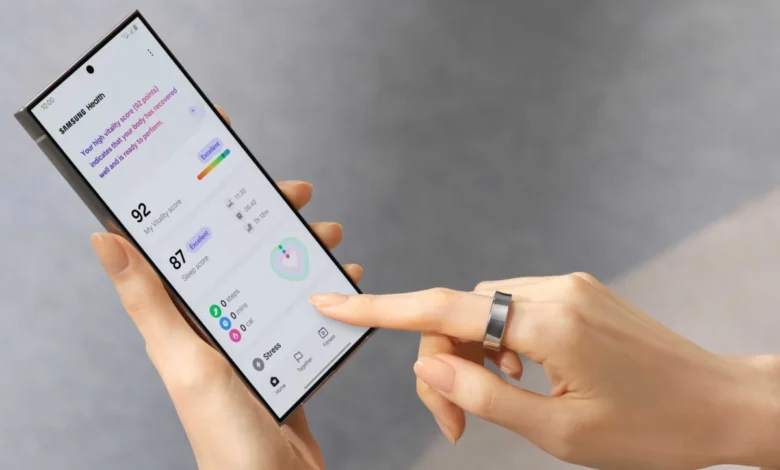
Samsung has announced a significant expansion to the sleep health monitoring capabilities integrated into its wearable ecosystem. The tech giant is moving beyond binary alerts for sleep apnea, introducing a more granular, three-tiered system designed to categorize breathing disturbances on a per-hour basis. While this represents a major stride in consumer-grade health diagnostics, the update highlights an increasing divide between newer hardware and legacy devices within the Galaxy Watch lineup, as the advanced analytics require specific software environments that older models cannot support.
The Evolution of Wearable Health Tracking
Sleep apnea is a chronic condition characterized by repeated pauses in breathing during sleep, which can lead to severe cardiovascular issues, hypertension, and excessive daytime fatigue if left untreated. For years, the gold standard for diagnosis has been an in-lab polysomnography test. However, the rise of wearable technology has allowed companies like Samsung to offer "screening" tools that provide preliminary insights into a user’s sleep architecture.

Previously, Samsung’s Galaxy Watch lineup utilized sensors to monitor blood oxygen levels and heart rate variability to flag potential signs of moderate to severe sleep apnea. These alerts were primarily binary: the system would detect an anomaly and prompt the user to consult a physician. The new update shifts the focus toward longitudinal data, providing users with a frequency index that labels disturbances as "mild," "occasional," or "frequent." By quantifying these events, Samsung aims to provide users with actionable data that can facilitate more productive conversations with healthcare professionals.
Chronology and Hardware Compatibility
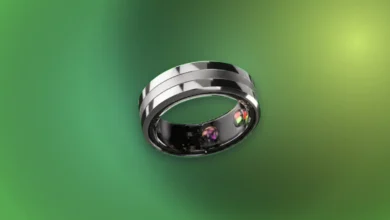
The rollout of this feature is scheduled to begin in South Korea in November, with a staggered international release expected to follow. The flagship devices receiving the update at launch include the Galaxy Watch9, the Galaxy Watch Ultra2, and the Galaxy Ring. These devices benefit from the latest iteration of Samsung’s health-tracking algorithms, which are optimized for newer processors and sensors.
For existing users, the transition is more complex. The Galaxy Watch7 and the anticipated Watch8 series are slated to receive the feature via a future software update, though Samsung has yet to provide a definitive timeline for this deployment. The primary technical hurdle is the requirement for Wear OS 7.0 or later.

Legacy devices, such as the Galaxy Watch4 and subsequent models that run on Wear OS 5.0, will continue to receive the standard, basic apnea detection. While these devices will remain functional, they are effectively "software-locked" from the more detailed analytical reporting found on newer iterations. This creates a tiered experience: owners of older hardware retain a basic screening tool, while owners of newer hardware gain access to more detailed longitudinal monitoring.
Technical Requirements and User Protocols
To maintain clinical relevance and ensure data accuracy, the new system requires a specific set of parameters from the user. The algorithm mandates that the user records at least two sleep sessions, each lasting a minimum of five hours, within a 10-day window. This requirement is intended to filter out noise and sporadic disturbances that might not be indicative of a chronic condition.
The data is processed through the Samsung Health Monitor app, which acts as the central hub for health analytics. The app uses the collected sleep data to generate a report, but the company emphasizes that these results are for informational purposes only. The system is strictly intended for adults aged 18 and older who have not been previously diagnosed with sleep apnea.

Broader Implications for Digital Health
The move toward more nuanced health tracking reflects a broader trend in the wearable industry, where manufacturers are increasingly positioning smartwatches not just as fitness trackers, but as essential tools for preventative medicine. However, this shift brings with it a host of ethical and regulatory responsibilities.
By moving from a simple "warning" to a "frequency level" system, Samsung is providing a more detailed picture of a user’s physiological state. Critics of the consumerization of medical data often argue that such information can lead to "worried well" syndrome, where healthy individuals experience anxiety over data that may not have clinical significance. Conversely, proponents argue that early detection is the best defense against chronic diseases, and that providing users with data allows them to seek professional help sooner.
The medical community has generally remained cautious. Organizations like the American Academy of Sleep Medicine (AASM) emphasize that consumer devices should never replace clinical diagnostics. Because a watch cannot distinguish between central sleep apnea and obstructive sleep apnea, it remains a screening tool rather than a diagnostic one. Samsung’s own marketing materials align with this, consistently reminding users that any concerning results should be verified by a medical professional.

The Divide in the Wearable Ecosystem
The decision to limit the new feature to devices running Wear OS 7.0 raises questions about planned obsolescence and software support. As health sensors become more complex, they require more computational power to interpret data in real-time. The new three-tier categorization likely requires more sophisticated on-device processing to ensure that battery life is not adversely affected by continuous, high-intensity analysis.
For consumers, this means that the "useful life" of a smartwatch is now tied not just to physical durability, but to software compatibility with advanced health features. As Samsung continues to update its health ecosystem, the gap between the features available on a three-year-old watch and a brand-new one is widening.
What Should Users Do?
For those currently using a Galaxy Watch, the path forward is straightforward: check for software updates regularly and ensure that the Samsung Health Monitor app is running the latest version. For users with older hardware who are concerned about their sleep quality, the existing, albeit basic, apnea detection remains a valid starting point.

However, users should interpret these results with professional guidance. A "frequent" disturbance rating on a Galaxy Watch should be viewed as a signal to make an appointment with a primary care physician or a sleep specialist, rather than as a definitive diagnosis.
As the technology continues to mature, it is likely that we will see more integration between wearable data and clinical records. If these devices can eventually provide data formats that are compatible with electronic health records (EHRs), the utility for doctors will increase significantly. For now, however, the bridge between a watch on a wrist and a medical office remains one that requires the user to bridge the gap through manual, informed consultation.
Conclusion: The Future of Passive Monitoring
Samsung’s update is a testament to the rapid advancement of sensor technology and machine learning in consumer electronics. By classifying breathing disturbances into frequency levels, the company is providing a more nuanced view of sleep health than was possible just a few years ago.

While the hardware restrictions may frustrate owners of legacy devices, they are a byproduct of the increasing demand for precision in wearable tech. As the industry continues to push the boundaries of what can be tracked from the wrist, the focus will likely remain on balancing the granularity of data with the clinical need for accuracy and the ethical imperative of preventing unnecessary health anxiety. For the millions of Galaxy Watch users worldwide, the coming months will represent a transition toward a more informed, if still supplementary, approach to sleep health management.