Open-ear, clip-on, and completely different: Galaxy Buds Able could be Samsung’s most surprising audio product in years.

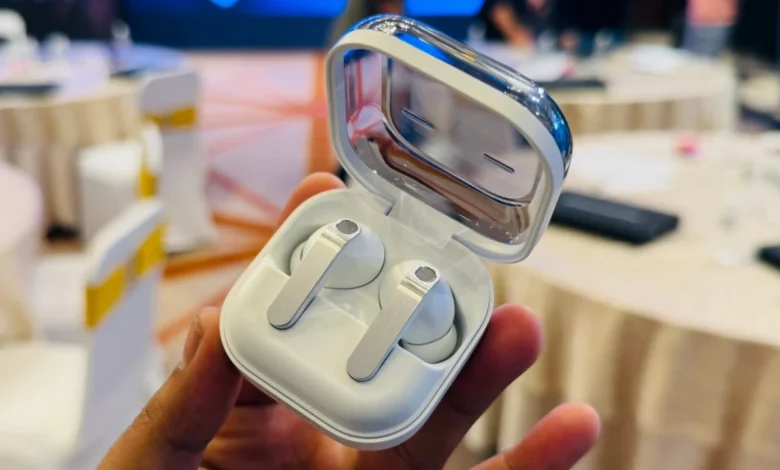
Samsung is poised to introduce a significant departure from its established audio product line with the potential launch of the Galaxy Buds Able. Recent discoveries within One UI firmware, unearthed by tech enthusiast community SammyGuru, reveal an icon depicting a completely new earbud design. This leaked imagery strongly suggests an open-ear, clip-on form factor, a radical shift from the in-ear designs that have characterized the Galaxy Buds series since its inception. This innovation signals Samsung’s strategic move into a rapidly expanding segment of the personal audio market, challenging established norms and potentially redefining user expectations for wearable sound.
The unearthed icon, which depicts an earbud designed to clip onto the outer ear rather than insert into the ear canal, marks a substantial pivot. Unlike previous Galaxy Buds models, which have consistently utilized an in-ear or semi-open bean-shaped design, the Galaxy Buds Able appear to prioritize situational awareness and extended comfort. This approach positions them squarely within the open-ear audio category, a growing niche that has seen considerable innovation from competitors. The distinct SM-U series model number further reinforces the notion that the Galaxy Buds Able represent an entirely new product category for the South Korean tech giant, rather than merely an iteration of existing lines, which typically carry SM-R identifiers.
The Rise of Open-Ear Audio: A Market Context

The concept of open-ear audio, where sound is delivered without fully sealing the ear canal, has been gaining significant traction in recent years. This design philosophy addresses several common complaints associated with traditional in-ear headphones, such as discomfort during prolonged use, hygiene concerns, and crucially, the isolation from ambient sounds. For many users, particularly those who commute, exercise outdoors, or require constant awareness of their surroundings (e.g., parents, office workers), the ability to hear both their audio content and environmental noises simultaneously is invaluable.
Several brands have already made notable strides in this space. Bose, with its Ultra Open Earbuds, and Anker, through its Soundcore AeroFit Pro, have demonstrated the viability and appeal of clip-on, air-conduction open-ear designs. Other companies like Shokz have pioneered bone-conduction technology, where transducers rest on the cheekbones, vibrating to send sound directly to the inner ear, bypassing the eardrum. Oladance and Haylou are also active players, offering various takes on the open-ear concept, from over-ear hooks to ear-clip designs. Samsung’s potential entry, backed by its immense brand recognition and R&D capabilities, could serve as a powerful catalyst for mainstream adoption of this technology.
The primary appeal of open-ear earbuds lies in their blend of audio delivery with environmental awareness. Users can enjoy music, podcasts, or calls while remaining fully cognizant of traffic, conversations, or safety announcements. This makes them ideal for a diverse range of activities, from urban cycling and running to office work and public transport commutes. The design also often translates to enhanced comfort, as there’s no pressure inside the ear canal, and improved hygiene, as the ear canal remains open to air circulation.

From Bone Conduction Rumors to a New Reality
Interestingly, the "Able" codename has surfaced in Samsung-related rumors before. Tipster Ice Universe had previously alluded to Samsung exploring bone-conduction headphones under this very moniker, with early reports from Korean media in 2023 suggesting a potential late 2025 launch for such a product. Bone conduction technology, while offering excellent situational awareness, often presents challenges in terms of sound fidelity, particularly in the bass frequencies, and can sometimes be less comfortable for extended wear due to the pressure required on the bones.
The newly surfaced icon, however, strongly indicates a shift away from the bone-conduction approach towards a more conventional open-ear design that uses air conduction. This means sound would be directed towards the ear canal from a speaker positioned outside the ear, similar to the Bose Ultra Open Earbuds or Anker Soundcore AeroFit Pro. While bone conduction hasn’t been entirely ruled out as a future possibility for Samsung, the immediate focus, as suggested by the firmware leak, appears to be on a clip-style, air-conduction open-ear device. This pivot could be driven by Samsung’s desire to achieve better sound quality, particularly for music listening, or to ensure broader comfort and appeal across a wider user base, given the more nuanced fit requirements of bone-conduction devices.

Samsung’s Audio Journey: An Evolution of Design
Samsung has a rich history in the personal audio market, evolving its Galaxy Buds line significantly over the years. The original Galaxy Buds, launched in 2019, established Samsung as a serious contender in the true wireless stereo (TWS) market. Subsequent iterations, such as the Galaxy Buds+, refined the audio experience and battery life. The Galaxy Buds Live, released in 2020, were a bold experiment with a distinctive "bean" shape that rested in the concha of the ear, aiming for a more open feel than traditional in-ear buds, though not fully open-ear. This demonstrated Samsung’s willingness to innovate with form factors.
The Galaxy Buds Pro and Galaxy Buds2 Pro series further enhanced audio quality, introduced active noise cancellation (ANC), and refined the in-ear fit. The more recent Galaxy Buds FE aimed to bring premium features to a more accessible price point. Throughout this evolution, Samsung has consistently iterated on sound engineering, smart features, and integration within its Galaxy ecosystem. The potential introduction of the Galaxy Buds Able with an open-ear clip-on design represents the most radical aesthetic and functional departure yet, signaling a new chapter in Samsung’s audio strategy. This move aligns with a broader industry trend of diversifying wearable audio options to cater to a wider spectrum of user preferences and use cases, moving beyond the one-size-fits-all in-ear paradigm.

Anticipated Launch and Ecosystem Integration
While an official launch date remains unconfirmed, industry observers speculate that the Galaxy Buds Able could make their debut alongside Samsung’s next generation of foldable smartphones, likely the Galaxy Z Fold 8 and Galaxy Z Flip 8. Samsung traditionally hosts a major Unpacked event in late summer or early fall for its foldable releases, which often serves as a platform to unveil complementary ecosystem products, including new wearables and audio devices. A simultaneous launch would allow Samsung to showcase the Buds Able as an integral part of its premium mobile experience, highlighting seamless connectivity and advanced features when paired with its flagship phones.
Integration into the broader Samsung Galaxy ecosystem will undoubtedly be a key selling point for the Galaxy Buds Able. Users can expect seamless pairing, quick switching between Samsung devices (phones, tablets, smartwatches), and deep integration with Bixby, SmartThings, and potentially Samsung Health. The open-ear design, with its inherent situational awareness, could also be particularly well-suited for augmented reality (AR) applications or smart assistant interactions, where a user might need to hear both digital information and real-world cues.

Implications for the Wearable Audio Market
Samsung’s entry into the open-ear segment with a distinct product line like the Galaxy Buds Able could have far-reaching implications for the entire wearable audio market.
- Market Validation and Growth: Samsung’s considerable market share and brand influence could significantly validate the open-ear category, accelerating its growth and attracting more mainstream consumers. This could lead to increased R&D investment across the industry, fostering innovation and competitive pricing.
- Increased Competition: Existing players like Bose, Anker, Shokz, and Oladance will face a formidable new competitor. This heightened competition could drive down prices, improve feature sets, and push manufacturers to further differentiate their offerings.
- Diversification of User Preferences: The Galaxy Buds Able would offer Samsung users a compelling alternative to traditional in-ear buds, catering to those who prioritize awareness, comfort, and hygiene. This diversification acknowledges that one type of earbud doesn’t fit all lifestyles or preferences.
- Technological Advancements: Samsung’s engineering prowess could lead to breakthroughs in open-ear audio technology, particularly in areas like sound leakage control, bass reproduction, and microphone performance in open environments. The company’s experience in miniaturization and battery efficiency from its existing Buds line will be crucial.
- Future of Wearable Audio: The success of products like the Galaxy Buds Able could signal a broader shift in how consumers view and interact with personal audio. The focus might increasingly move towards multi-functional devices that seamlessly blend audio consumption with real-world interaction, moving beyond simple sound isolation.
Technical Considerations and User Experience

Developing high-quality open-ear headphones presents unique technical challenges. Unlike in-ear designs that benefit from a sealed environment for passive noise isolation and enhanced bass response, open-ear devices must contend with ambient noise and the physics of directing sound without full enclosure.
- Sound Quality: Samsung will need to innovate to deliver robust audio, particularly in the low frequencies, while minimizing sound leakage to those nearby. Advanced audio processing and driver design will be critical.
- Comfort and Fit: The clip-on mechanism must be secure enough for active use yet comfortable for all-day wear across a wide variety of ear anatomies. Ergonomics will be paramount to prevent pressure points or slippage.
- Battery Life: The form factor and potential open-air audio processing might influence battery capacity and efficiency. Samsung’s expertise in optimizing battery life for compact devices will be tested.
- Features: While traditional ANC is challenging with an open-ear design, Samsung could focus on advanced transparency modes (which are inherent to the design), robust call quality even in noisy environments, and potential health monitoring features leveraging the ear-clip form factor. AI integration for smart assistance and personalized audio experiences could also be differentiators.
The demand for open-ear earbuds is clearly fueled by a desire for safety, comfort, and all-day wearability, all encapsulated within a compact, portable, and dependable wireless audio device. Samsung, with its extensive experience in consumer electronics and its track record of driving innovation in various product categories, is uniquely positioned to address these evolving user needs. The Galaxy Buds Able, if they materialize as indicated by these leaks, could very well become Samsung’s most surprising and impactful audio product in years, marking a bold step into the future of personal sound. This strategic move underscores Samsung’s agility in responding to market trends and its commitment to offering diverse solutions that cater to the multifaceted lifestyles of its global consumer base.