Samsung Electronics Set to Increase Smartphone DRAM and NAND Prices by Up to 10 Percent Amid Global Memory Shortages

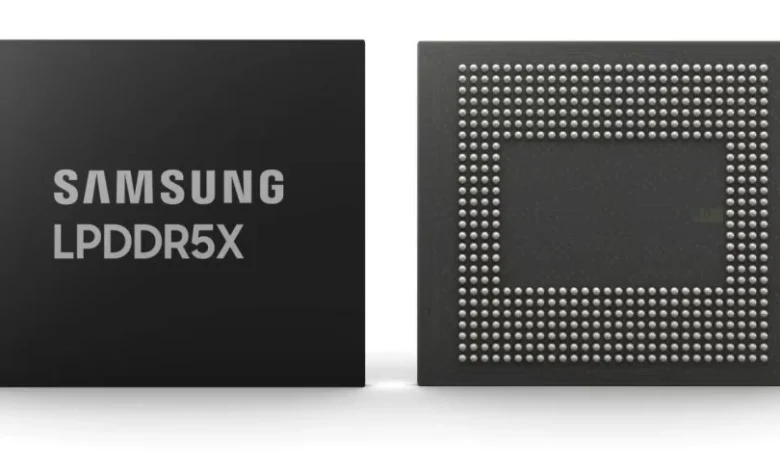
Samsung Electronics is reportedly moving to increase the pricing of mobile memory components—specifically DRAM and NAND flash memory tailored for smartphones—by 7% to 10%. According to reports originating from the South Korean publication Sisa Journal e, the company’s Device Solutions (DS) division, which oversees semiconductor manufacturing, has initiated aggressive pricing negotiations as part of an industry-wide effort to realign memory production values with soaring manufacturing costs and shifting market demands.
The aggressive pricing strategy highlights a deepening supply-and-demand imbalance within the global semiconductor market. Driven by an unprecedented surge in demand for high-margin enterprise solutions, memory manufacturers have increasingly reallocated production lines away from mobile-grade components to service high-performance computing needs. As a result, smartphone manufacturers worldwide face mounting pressure on their supply chains and profit margins, setting the stage for potential downstream price adjustments for consumer electronics.
Initial Negotiations and Supply Chain Dynamics
Negotiations regarding the proposed 7% to 10% price hikes are already underway, with Chinese smartphone manufacturers serving as the primary targets for the initial wave of talks. Given the intensely competitive nature of the Chinese mobile market, these early discussions are expected to establish a benchmark for upcoming negotiations with other global heavyweights.
Apple, one of Samsung’s largest and most critical memory clients, is scheduled to re-enter the negotiating table during the fourth quarter, spanning from October to December. However, analysts suggest that securing price increases from Apple will present a formidable challenge. Market estimates indicate that Apple procures approximately twice the volume of NAND flash memory for its smartphones as Samsung’s own mobile division, and roughly three times the volume purchased by competitors like Xiaomi. This massive purchasing power grants the Cupertino-based tech giant substantial leverage in supply negotiations, potentially insulating it from the steepest price hikes or forcing protracted compromises.
Notably, Samsung’s internal corporate structure dictates that its semiconductor manufacturing arm (the DS division) and its smartphone production arm (the DX division) operate as separate entities. Consequently, Samsung’s own mobile division will not be exempt from the proposed price increases, underscoring the severity of the supply constraints and the DS division’s mandate to maximize profitability across all operational units.
The Shift Toward High-Margin Enterprise Memory
The root cause of the current mobile memory inflation lies in a strategic pivot by major memory fabricators—including Samsung, SK Hynix, and Micron—toward high-value, high-margin enterprise products. The explosive growth of generative artificial intelligence, cloud computing, and massive data center expansions has generated unprecedented demand for High Bandwidth Memory (HBM) and enterprise-grade server DRAM.
Because HBM and advanced server solutions yield significantly higher profit margins than the Low-Power Double Data Rate (LPDDR) memory used in smartphones, memory fabricators have systematically converted production lines to prioritize these enterprise applications. This strategic reallocation has created a structural deficit in the supply of mobile memory components. With global fabrication capacity heavily tilted toward AI and server infrastructure, the volume of available LPDDR and mobile NAND has contracted sharply, giving manufacturers the market power to enforce price corrections.
Historical Context and Market Projections
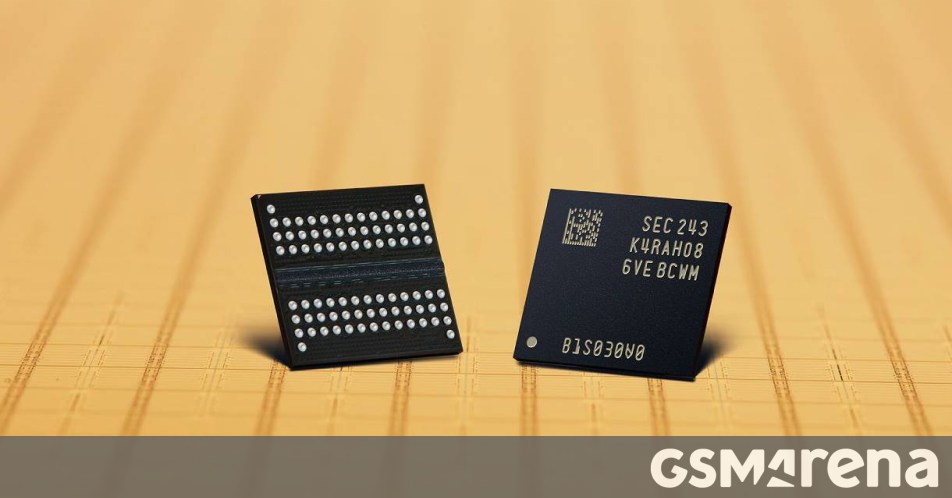
The trajectory of memory pricing over the past two years illustrates a dramatic and sustained upward trend. Market research firm Omdia has tracked the rapid escalation of DRAM and NAND costs since the beginning of last year, noting that while the pace of price increases may moderate slightly in the future, costs will remain elevated for an extended period.
To contextualize the scale of this financial burden, industry tracking of baseline memory configurations reveals staggering cost increases. For a standard mid-range configuration featuring 8GB of RAM and 256GB of storage, component costs have climbed precipitously.
Market Research Data: Estimated RAM and Storage Component Costs
- Q3 2025: $35 (8GB/256GB combo) | $60 (12GB/512GB configuration)
- Q1 2026: $109 (8GB/256GB combo)
- Q2 2026: $132 (8GB/256GB combo)
- Q3 2026 (Projected): $140 (8GB/256GB combo) | $202 (12GB/512GB configuration)
- Q4 2026 (Projected): $144 (8GB/256GB combo) | $206 (12GB/512GB configuration)
According to Omdia’s long-term forecasts, these depressed supply conditions and inflated component pricing are projected to persist through at least the first half of 2027. The sustained high cost of core hardware components poses a persistent challenge for original equipment manufacturers (OEMs) seeking to maintain accessible price points for consumer devices without sacrificing operational margins.
Broader Industry Implications and Economic Fallout
The decision by Samsung Electronics to raise DRAM and NAND prices carries profound implications for the global consumer electronics landscape. As memory components typically account for a significant percentage of a smartphone’s total Bill of Materials (BOM), rising costs directly squeeze the profitability of hardware manufacturers.
For budget and mid-range smartphone brands, absorbing a 7% to 10% increase in memory costs—compounded by historical price surges—is mathematically unsustainable. Consequently, industry analysts anticipate that these cost pressures will inevitably be passed on to consumers. This could manifest as higher retail prices for upcoming smartphone generations, a reduction in base storage and memory configurations, or the strategic omission of hardware upgrades in favor of software-driven features.
Furthermore, the imbalance between consumer electronics and enterprise computing highlights a broader vulnerability in the global semiconductor supply chain. As long as artificial intelligence infrastructure commands priority manufacturing capacity, consumer-facing hardware sectors will remain susceptible to supply squeezes and pricing volatility. As the fourth quarter approaches and negotiations with Apple and other tier-one manufacturers reach a critical phase, the outcome of Samsung’s pricing strategy will serve as a definitive indicator of market health for the broader mobile industry through 2027.