Tesla Cybercab enters the personal market with stringent subscription requirements and limited operational scope

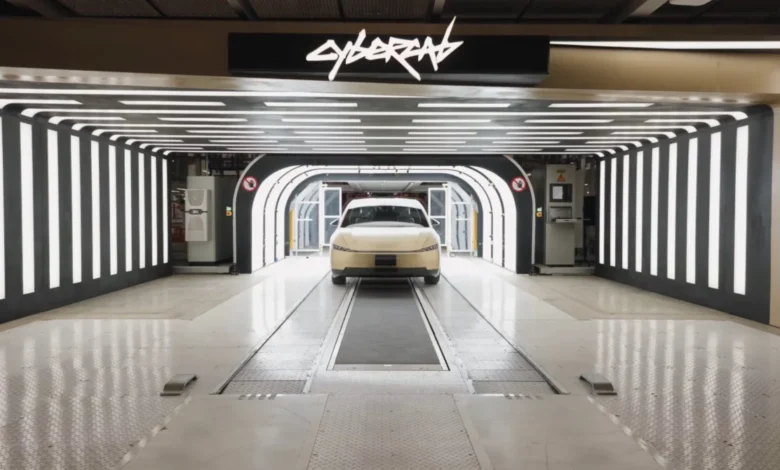
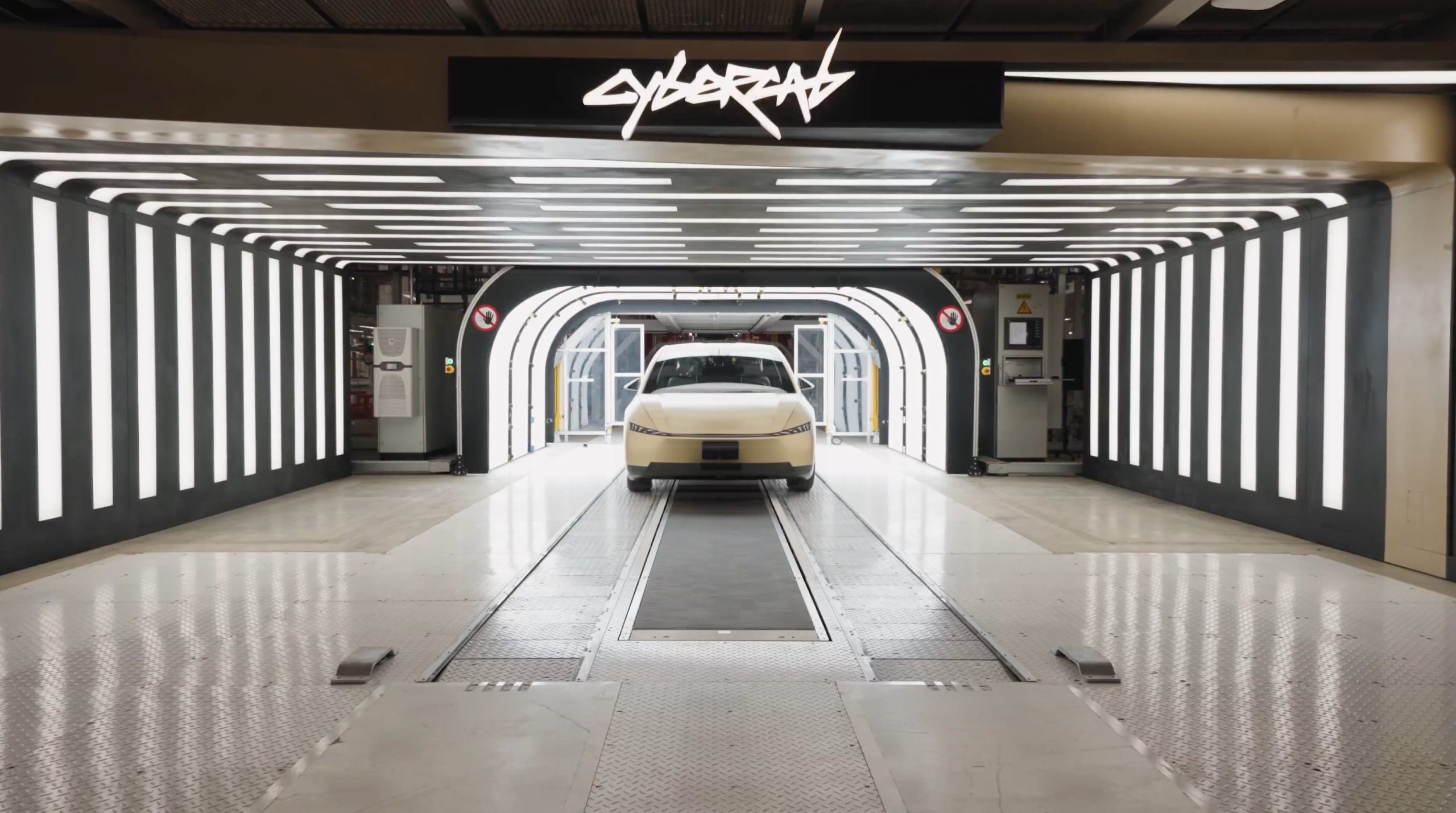
The automotive landscape shifted significantly on November 13, 2026, as Tesla officially opened the order books for its long-awaited Cybercab. Positioned as a revolutionary, steering-wheel-free robotaxi, the vehicle is now available for personal purchase to a select group of invitees in the Austin, Texas, area. While the $29,990 price tag is arguably disruptive for a fully autonomous vehicle, the acquisition comes with a complex web of contractual obligations, subscription requirements, and geographic limitations that challenge traditional notions of vehicle ownership. This launch marks a pivotal moment in the evolution of transport-as-a-service, signaling Tesla’s intent to maintain absolute control over its autonomous fleet even as it invites private individuals into the ecosystem.
A New Paradigm of Vehicle Ownership
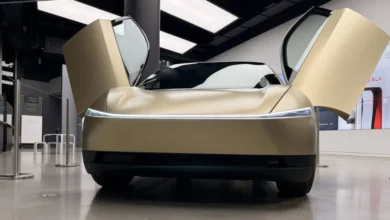
The Cybercab, a two-seat, minimalist vehicle devoid of traditional driver controls, was originally designed for Tesla’s proprietary robotaxi network. By allowing personal purchases, Tesla is testing a hybrid model of ownership. However, the fine print of the order agreement reveals that the user experience is tethered entirely to Tesla’s software infrastructure. The most notable constraint is the mandatory "Autonomy Subscription." Tesla has made it explicitly clear that the vehicle is effectively a paperweight without an active, paid monthly subscription.
The initial cost of entry includes a $1,000 non-refundable deposit and a base price of $29,990 before taxes. While the first month of the Autonomy Subscription is bundled into the purchase, subsequent months carry a $299 fee. This recurring cost serves as the bridge between the physical hardware and the operational software that allows the vehicle to navigate public roads without human intervention. The implications for the secondary market are profound: because the vehicle requires constant connectivity and software validation, traditional "used car" sales may be restricted by Tesla’s internal policies, preventing owners from offloading the asset without navigating a restrictive contractual environment.
Chronology of the Cybercab Rollout
The path to this moment has been marked by years of anticipation, shifting timelines, and high-stakes engineering. Since Elon Musk first teased the concept of a dedicated, autonomous-only vehicle, the industry has closely watched Tesla’s progress in navigating both technical hurdles and regulatory frameworks.
- Early Conceptualization: Musk initially outlined the vision of a "Robotaxi" years ago, emphasizing a vehicle built from the ground up for full self-driving (FSD) without human-operated inputs.
- Engineering and Design: The development phase focused on removing the steering wheel and pedals, shifting the focus to cabin comfort and artificial intelligence integration.
- Regulatory Hurdles: The timeline for the Cybercab was frequently adjusted to align with advancements in Tesla’s neural network training and the acquisition of necessary permits for unsupervised testing.
- November 13, 2026: Tesla officially sent out invites to select customers in Austin, initiating the first phase of personal delivery estimates for December 2026.
- Public Disclosure: Following the invite-only announcement, social media discourse and leaked agreement terms confirmed the stringent nature of the subscription-based operating model.
Data-Driven Analysis of the Subscription Model
Industry analysts have noted that the $299 monthly subscription fee represents a strategic attempt by Tesla to shift its revenue model from one-time hardware sales to long-term software services. When compared to the cost of ownership for a traditional internal combustion vehicle or even a Tesla Model 3, the Cybercab offers a lower barrier to entry but a higher, indefinite operational cost.
Tesla’s CEO, Elon Musk, has already expressed a desire to refine this pricing. In a series of communications on X following the launch, Musk signaled that the $299 price point is likely temporary, suggesting that the company aims to align the subscription fee with the combined costs of existing services like Full Self-Driving (FSD) capability and Premium Connectivity. A target price of roughly $115 per month would bring the Cybercab into closer parity with the company’s current software service offerings, potentially lowering the total cost of ownership over a five-year period.
Operational Constraints and Geographic Boundaries
The Cybercab is not a vehicle that can be driven at will. It is bound by the same geofencing technology that restricts Tesla’s current Robotaxi fleet. For owners, this means the vehicle will only operate in areas where Tesla has received regulatory approval for unsupervised autonomous travel. While the initial deliveries are centered in Austin, the scope of use is expected to expand to other regions as Tesla secures the necessary government certifications.
The legal agreements accompanying the purchase prohibit certain modifications and commercial activities that are not explicitly sanctioned by Tesla. By limiting the vehicle’s use cases, Tesla maintains a tight grip on data collection—a critical asset for the ongoing training of its autonomous systems. Furthermore, the restriction on resale and the potential for Tesla to enforce buyback clauses ensures that the company can monitor the lifecycle of every Cybercab, preventing the proliferation of "jailbroken" or improperly maintained autonomous units.
Official Responses and Industry Implications
The reaction from the automotive and tech sectors has been cautious. Supporters of the technology argue that the subscription-based model is the only way to guarantee that a vehicle remains updated with the latest safety protocols and traffic laws. Critics, however, point to the potential for "planned obsolescence" or the risk of a single point of failure: if a user stops paying the subscription or if Tesla’s servers experience a prolonged outage, the owner is left with a vehicle that cannot perform its primary function.

Tesla’s representative leadership has maintained that this model is necessary for public safety. By ensuring that all Cybercabs are constantly connected to the central command, Tesla can push real-time software patches that address emerging risks. This is a significant departure from the traditional model, where vehicle safety software might go years without an update.
Broader Impact on Urban Mobility
The introduction of the personal Cybercab is a direct challenge to the traditional ownership model. If this experiment proves successful, it could redefine the way urban residents interact with their vehicles. Instead of bearing the burden of insurance, maintenance, and parking for a depreciating asset, owners are essentially purchasing a "mobility service" that happens to take the form of a car.
However, the transition is not without friction. Regulatory bodies, including the National Highway Traffic Safety Administration (NHTSA), are likely to scrutinize the Cybercab’s operation in residential areas. The lack of a steering wheel makes it impossible for a human to take over in the event of a system failure, placing the entire burden of safety on Tesla’s software. As the fleet grows, the data collected from these personal units will be instrumental in convincing regulators that autonomous vehicles are not just viable, but significantly safer than human-operated ones.
Conclusion
The launch of the Tesla Cybercab represents a bold, if restrictive, step into the future of autonomous transit. By limiting the vehicle to a subscription-based, geofenced ecosystem, Tesla is prioritizing the integrity of its autonomous network over the traditional freedom of vehicle ownership. While the $29,990 entry price is headline-grabbing, the true cost of the Cybercab will be determined by the long-term subscription fees and the extent to which the vehicle can be used as a practical, daily-driver alternative. As the first units roll out in Austin this December, the automotive industry will be watching closely to see if consumers are willing to trade the autonomy of traditional driving for the convenience of an autonomous, subscription-reliant machine. The success of this endeavor will likely dictate the roadmap for the next decade of personal transportation.