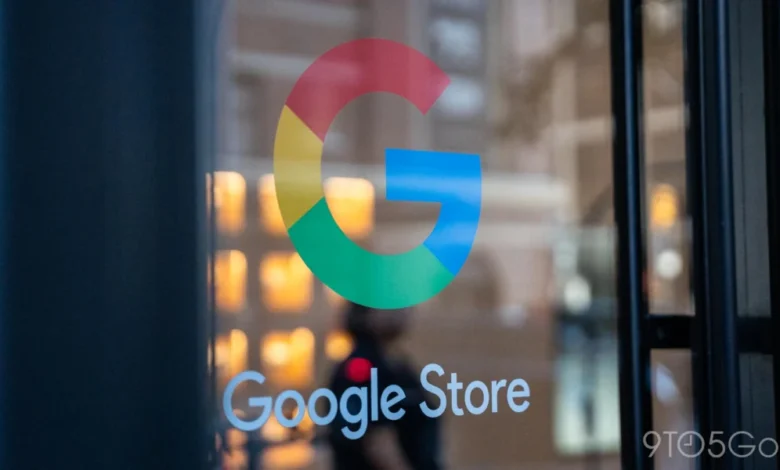
The new Google Store Houston Galleria is located at 5085 Westheimer Rd, Houston, TX 77056. By positioning itself within the Houston Galleria—frequently cited as Texas’s largest and most prestigious shopping destination—Google is signaling a shift toward high-traffic, premium retail environments. This move mirrors the retail strategies of competitors like Apple and Samsung, who have long utilized flagship mall locations to cultivate brand loyalty and provide hands-on product experiences for consumers.
A Chronology of Google’s Retail Evolution
Google’s journey into physical retail has been characterized by a gradual, methodical rollout rather than a rapid, nationwide saturation. While the company initially relied exclusively on third-party retailers and online sales through the Google Store web portal, the strategic pivot toward physical storefronts began in earnest as its hardware ecosystem grew more complex.
The timeline of this retail expansion reflects the company’s focus on key metropolitan markets:
- 2021: Google opened its first-ever permanent retail store in New York City’s Chelsea neighborhood. This flagship served as a testing ground for the company’s minimalist design aesthetic and its focus on integrated customer service.
- 2023–2025: Following the success of the New York location, Google expanded into other major tech hubs, including Venice, California, and various locations across the Pacific Northwest and the Northeast.
- 2026: This year has proven to be the most aggressive in the company’s retail history. The addition of a San Diego storefront earlier this year demonstrated a commitment to Southern California, while the opening of a location in Tokyo marked the company’s first foray into physical retail outside the United States.
- November 2026: The Houston Galleria opening represents the second Texas location for the company, following the successful launch of an Austin storefront in 2025.
The Strategic Value of the Houston Market
Houston’s selection as the site for the newest Google Store is not accidental. As the fourth-largest city in the United States, Houston serves as a massive economic hub with a diverse demographic and a rapidly growing tech-conscious consumer base. By placing a store in the Galleria—an area that attracts millions of visitors annually—Google is placing its hardware ecosystem directly in front of a high-income, tech-savvy audience.
Industry analysts note that physical retail stores serve a dual purpose for companies like Google. Beyond the direct sales of Pixel smartphones, Pixel Watches, and Nest smart home devices, these locations act as "experience centers." In an era where AI integration and hardware interoperability are the primary selling points for devices, consumers often require demonstrations to fully grasp the capabilities of the Google ecosystem. The ability to interact with a Pixel phone, test the voice recognition of a Google Home device, or see the integration of Fitbit health tracking on a watch is a critical step in the modern customer journey.
Customer Services and Retail Offerings
The Houston Galleria store will mirror the services provided at other existing locations, prioritizing a blend of retail and technical support. A core component of the Google Store model is the integration of "Google Care," which includes on-site device diagnostics and repairs. This is a significant differentiator for the brand; by providing professional, in-person support for broken screens, battery replacements, and software troubleshooting, Google aims to reduce the friction that often prevents users from switching to its ecosystem.
The store will feature a comprehensive display of the company’s current hardware lineup, including:
- Pixel Portfolio: The latest iterations of the Pixel smartphone series, showcasing advanced AI camera capabilities and Tensor-powered processing.
- Wearables: The Pixel Watch and Fitbit devices, emphasizing the company’s focus on health and wellness metrics.
- Smart Home: A wide array of Nest products, from security cameras and doorbells to smart thermostats and Wi-Fi mesh systems.
- Audio: The Pixel Buds lineup, focusing on seamless connectivity with Android devices.
Furthermore, the store will facilitate "click-and-collect" services, allowing customers who order online to pick up their devices in-store. This omni-channel approach is a hallmark of modern retail, bridging the gap between the convenience of e-commerce and the immediate gratification of a physical purchase.
Implications for the Competitive Landscape
The expansion into Houston brings Google into more direct competition with other major hardware manufacturers that already have entrenched retail networks. While Apple has operated its "Apple Store" model for over two decades, setting the gold standard for luxury tech retail, Google’s approach is notably distinct. Where Apple stores often lean into a sleek, "genius-bar" centric atmosphere, Google stores have been praised for their warm, residential-inspired design, often utilizing sustainable materials and soft lighting to make the technology feel less intimidating and more integrated into a home lifestyle.
The economic implications of this expansion are significant. By investing in permanent real estate in Texas, Google is making a long-term commitment to its hardware division. Historically, Google was viewed primarily as a software and services company, with hardware often treated as a secondary project. The growth of these stores suggests that Google is now fully invested in the "Made by Google" hardware strategy, intending to compete as a premium lifestyle brand.
Official Stance and Market Reception
While Google has not released specific sales targets for the Houston Galleria location, the company’s rhetoric surrounding its retail expansion emphasizes the "customer connection." A spokesperson for the company noted during the planning phases of the 2026 expansion that the goal of these stores is not solely to drive volume, but to deepen the relationship between the brand and its users.

"We want our users to feel confident in their choice of technology," the company stated in a brief press release regarding its retail philosophy. "Providing a space where they can see, touch, and ask questions about how our devices work together is an essential part of the experience we want to provide."
Local business leaders in Houston have welcomed the move, noting that the presence of a major tech retail hub in the Galleria will likely increase foot traffic to the surrounding area and further elevate the shopping district’s reputation as a destination for international and domestic tourists.
Future Outlook: What Comes Next?
With the opening of the Houston store, Google now operates 12 retail locations worldwide. The success of these stores will likely dictate the pace of future expansion. Industry experts speculate that Google may look to expand into other major metropolitan areas in the Southern and Midwestern United States, as well as additional international markets where the Pixel brand has seen growth.
However, the company faces the challenge of managing the overhead costs of brick-and-mortar retail in an era where consumers are increasingly comfortable with online purchasing. The success of the Houston Galleria location will depend on its ability to offer value that an online store cannot—specifically, high-touch customer support, exclusive in-store workshops, and a premium, curated shopping experience.
As November 6 approaches, the retail industry will be watching closely to see how the Houston market responds. If the store performs in line with the high traffic metrics seen at the Chelsea and Tokyo locations, it is almost certain that Google will continue to expand its physical footprint, further solidifying its presence in the premium consumer electronics space. For the average Houstonian, the arrival of the Google Store represents not just a new place to buy a phone, but a new hub for exploring the future of connected technology within their own community.