Apple planning three major changes for its retail stores, per report

A Strategic Pivot Toward Traditional Retail
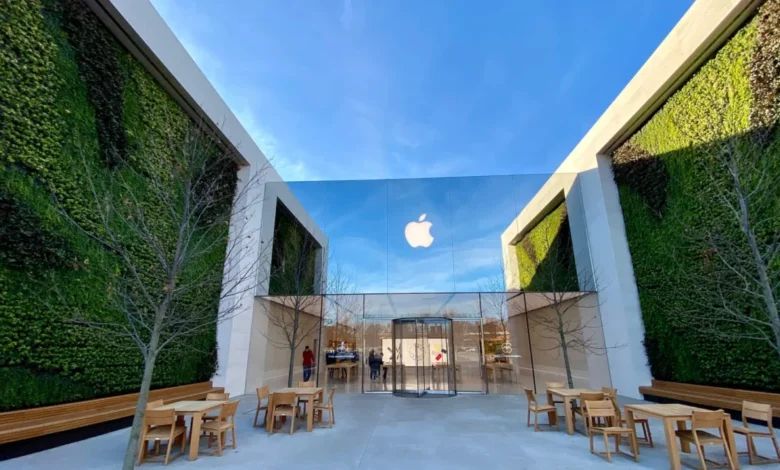
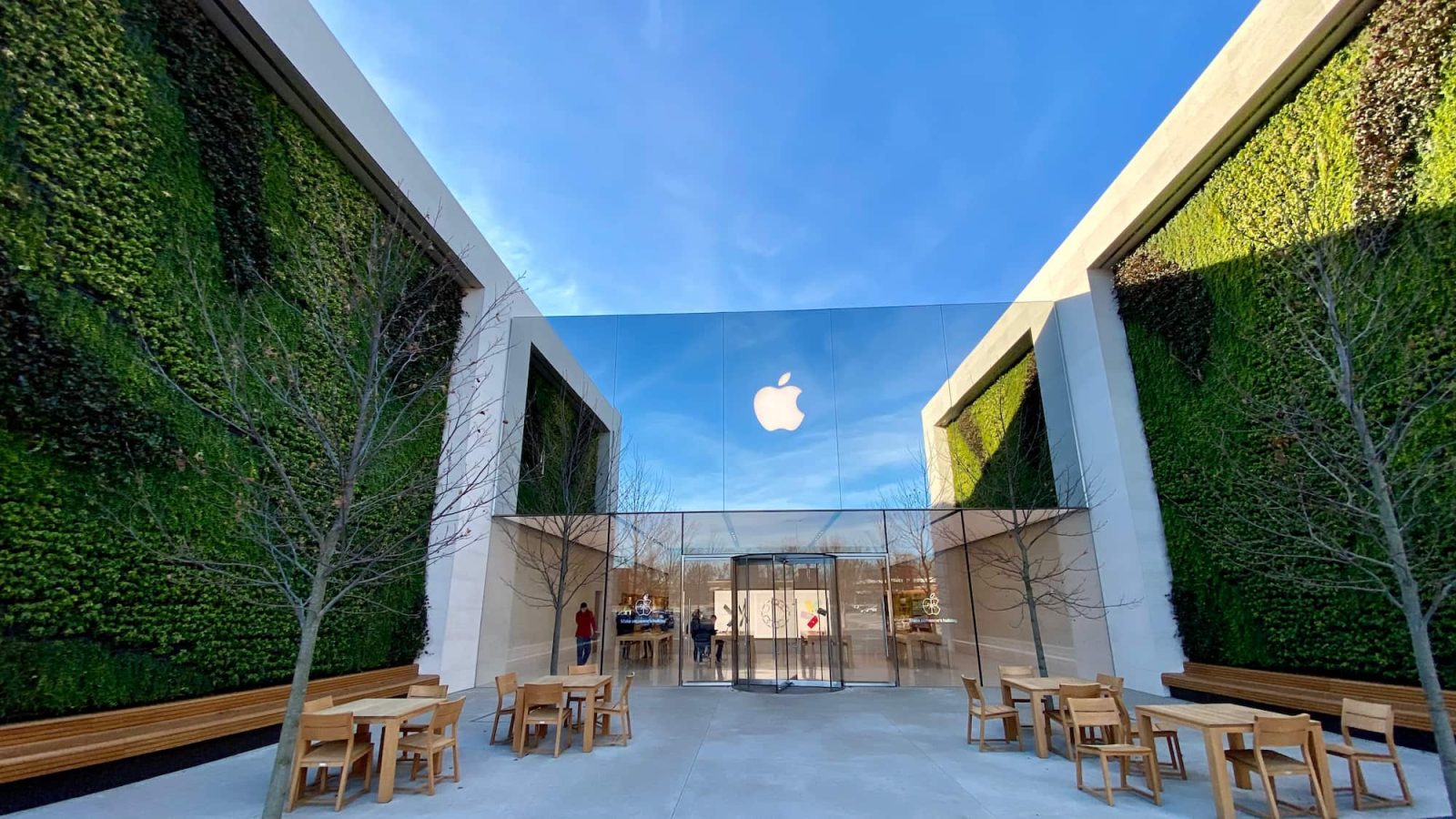
For years, Apple Stores have evolved from simple showrooms into high-concept architectural landmarks. Under the leadership of former retail heads like Angela Ahrendts, stores were rebranded as "Town Squares," emphasizing community gatherings, open spaces, and sprawling video walls designed for the "Today at Apple" workshop series. However, the latest reports indicate that Apple is recalibrating its retail philosophy to focus on efficiency, customer support, and the rapid fulfillment of online orders.
The proposed "major changes" are centered on three primary architectural modifications that will be phased into renovated stores globally. This shift suggests that while community engagement remains a goal, the primary function of the Apple Store—technical support and seamless purchasing—is being elevated back to the forefront of the consumer experience.
The Return of the Genius Bar
Perhaps the most notable adjustment is the revival of the dedicated Genius Bar. Since 2016, Apple has systematically moved away from the traditional, elevated counter style in favor of the "Genius Grove," which often utilized open seating areas, potted trees, and a more fluid, informal service model. Critics often noted that while the "Grove" approach felt more welcoming, it frequently led to confusion regarding queue management and a lack of clear demarcation for those seeking technical support.
The new iteration of the Genius Bar will pay homage to the original design that helped build Apple’s reputation for superior customer service in the early 2000s. These new bars will feature an updated, all-wood aesthetic to match Apple’s modern design language. Crucially, they will include dual-height counters to improve accessibility for all users, alongside integrated storage drawers behind the bar. This shift signals a move toward a more organized, transactional environment where customers can immediately identify where to go for help, reducing the "lost in the store" phenomenon that can occur in larger, open-plan locations.
Reimagining the Avenue and Retail Bays
The "Avenue" sections—the side-wall displays that have long showcased Apple’s ecosystem of accessories and services—are also set for a significant overhaul. Apple plans to transition these areas into specialized 10-foot "bays." These dedicated zones will serve two primary functions: online order fulfillment and interactive workshops.
The online pickup bay is designed with a focus on speed and security. Constructed entirely from wood, the bay will feature an subtle Apple logo on the upper portion, while the lower section will house secure storage drawers for customer orders. By moving the pickup process into these dedicated, high-efficiency bays, Apple aims to reduce foot traffic congestion at the main product display tables, allowing sales staff to focus on product demonstrations while a separate team manages order handoffs.
Similarly, the "Today at Apple" sessions will move into their own dedicated bays. By moving these workshops away from large, open seating areas and into a defined, tech-enabled bay with integrated displays and secure equipment storage, Apple is essentially reclaiming floor space. This move allows the center of the store to remain clear for product interaction, preventing the "clutter" that often occurred when workshops were held in the middle of the retail floor.
The Decommissioning of Giant Video Walls
A major casualty of this renovation cycle will be the removal of the giant video walls found at the back of most modern Apple Stores. These walls were a hallmark of the "Town Square" era, used primarily to broadcast marketing materials and provide visual support for "Today at Apple" events. Their removal suggests a fundamental change in how Apple intends to market its products within the physical space.
By removing these large-scale installations, Apple is opting for a more understated, product-centric approach. Analysts suggest that this change may also serve a practical purpose: video walls require significant maintenance, energy consumption, and periodic content updates. Removing them allows for a more flexible floor plan that can be adapted to new product launches without the need to manage massive, static display hardware.

Context: The Evolution of Apple Retail
The history of Apple retail is one of constant iteration. When the first Apple Store opened in 2001 in Tysons Corner, Virginia, the goal was simple: provide a physical space for customers to touch and try the Mac. As the product lineup expanded to include the iPod, iPhone, and iPad, the store design followed suit.
- 2001: The launch of the original Apple Store, featuring the first Genius Bar.
- 2010s: The shift toward "Town Square" design, emphasizing aesthetics, large glass facades, and community spaces.
- 2016: The introduction of the "Genius Grove," removing the physical barrier of the counter.
- 2026/2027: The current pivot back to functional, high-efficiency retail to meet the demands of a maturing product ecosystem.
This latest move comes at a time when retail competition is fiercer than ever. With the rise of e-commerce, the physical retail store must prove its worth as a place for expert guidance rather than just a place to pick up hardware. By optimizing for speed and service, Apple is effectively doubling down on the one thing that online competitors cannot replicate: the face-to-face interaction with a knowledgeable "Genius."
Implications and Market Analysis
The decision to renovate is not merely aesthetic; it is a tactical response to changing consumer behavior. As Apple’s product line has ballooned to include wearables, home devices, and a vast array of services, the retail staff has faced increasing pressure to balance sales with technical support.
Industry experts observe that Apple’s retail performance is a bellwether for the company’s broader health. During the last fiscal quarter, Apple’s retail division reported sustained interest in its service-oriented interactions, even as hardware sales faced cyclical fluctuations. By streamlining the in-store experience, Apple is likely attempting to increase its "sales per square foot," a metric that has long been a gold standard for the company’s retail success.
Furthermore, the focus on "traditional and practical" functions suggests that Apple wants to eliminate the friction points that have been reported by customers in recent years, particularly regarding the long wait times for repairs and the confusion of navigating large, busy stores.

The Future of the Apple Experience
While the company has yet to release an official press statement detailing the specific dates for these store renovations, the strategy is expected to roll out across flagship and high-traffic locations first. For the average consumer, this means that while the "glamour" of the Town Square may be dialed back, the utility of the local Apple Store is expected to improve.
The transition to a more efficient, service-first layout is a testament to Apple’s ability to pivot its business model. Just as the company shifted from a computer maker to a consumer electronics titan, it is now shifting its retail strategy to match the realities of a modern, fast-paced retail landscape. As these renovations proceed, the tech community will be watching closely to see how effectively these "major changes" enhance the overall customer journey and whether this return to the Genius Bar model proves as successful in the 2020s as it was two decades ago.
Ultimately, these changes represent a maturation of the Apple Store concept. It is a recognition that while branding and architectural beauty are important, the primary reason customers continue to visit Apple’s physical locations is to solve problems and receive expert guidance. By prioritizing the Genius Bar and simplifying the pickup process, Apple is doubling down on the human element of its business, ensuring that its retail stores remain a pillar of its success in an increasingly digital world.