BMW i3 Touring Spotted for the First Time as the Neue Klasse Electric Wagon Prepares for Global Debut

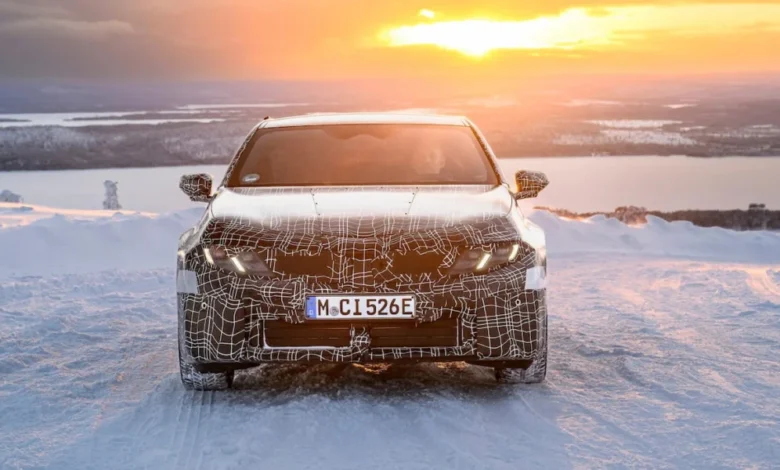
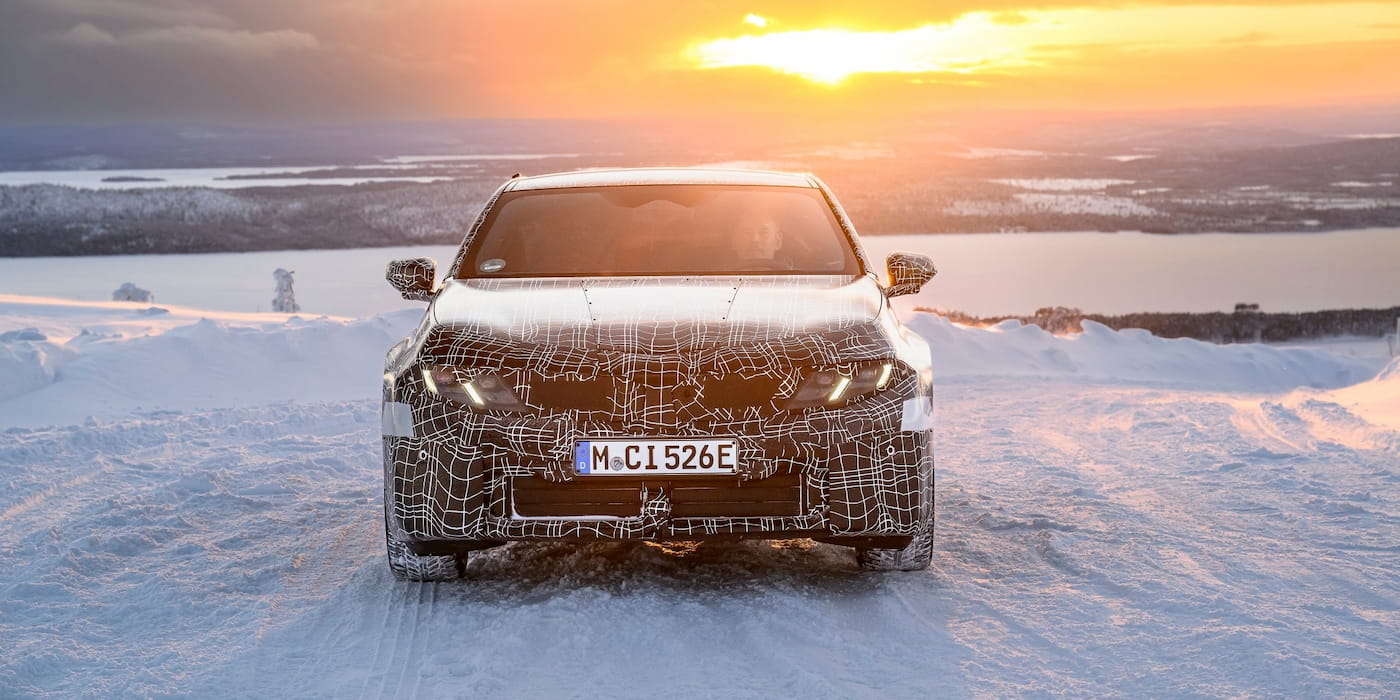
The automotive landscape is witnessing a pivotal transition as BMW accelerates its "Neue Klasse" (New Class) initiative, a strategic pivot that represents the most significant investment in the company’s history. Following the official launch of the BMW i3 sedan last month, the highly anticipated wagon variant—traditionally branded as "Touring" by the Bavarian automaker—has been captured by photographers for the first time. This sighting confirms that BMW is moving forward with a diverse lineup of dedicated electric vehicles (EVs) designed to reclaim its position at the forefront of the premium segment. The i3 Touring, identified by its distinct elongated silhouette and redesigned rear architecture, was spotted undergoing testing, signaling that the production cycle is well underway to meet the needs of a market that still values the versatility of the executive wagon.
The Aesthetic Evolution of the Neue Klasse
The BMW i3 Touring represents a departure from the traditional proportions of the 3 Series wagons of the past, adopting the sleek, minimalist design language introduced by the Vision Neue Klasse concept. While the test mule remains obscured by camouflage, the core design elements are unmistakable. The front fascia is expected to mirror the i3 sedan, featuring the horizontally oriented "kidney" grille that integrates seamlessly with BMW’s new twin-headlight signature. This design choice is not merely aesthetic; the grille serves as a technological panel housing various sensors and radar systems necessary for advanced driver-assistance systems (ADAS).

Moving toward the rear, the i3 Touring distinguishes itself with a significantly longer roofline that slopes gently toward a more vertical tailgate compared to the sedan. This "wagon tail" is designed to maximize cargo capacity without sacrificing the aerodynamic efficiency critical for electric range. Industry observers have noted similarities between the i3 Touring’s profile and the fastback designs of newer competitors, such as the Kia EV4, suggesting a trend toward "cross-over" styling that blends the benefits of a traditional wagon with the sleekness of a grand tourer. The redesigned BMW emblem and flush door handles further emphasize the vehicle’s aerodynamic focus, which is essential for achieving the high efficiency targets BMW has set for its Gen6 powertrain.
Technical Specifications and the Gen6 Powertrain
At the heart of the BMW i3 Touring lies the sixth generation of BMW’s eDrive technology. This system marks a transition from prismatic battery cells to new cylindrical cells, which BMW claims offer a 20% increase in energy density and a 30% improvement in charging speed. The flagship i3 50 xDrive variant is equipped with a massive 108.7 kWh battery pack, a figure that places it at the top of its class for energy storage.
Under the Worldwide Harmonized Light Vehicles Test Procedure (WLTP), the i3 sedan has already demonstrated a range of up to 566 miles (912 km). While the Touring variant is expected to see a slight reduction in range due to the increased weight and different aerodynamic profile of the wagon body, it is still projected to be one of the longest-range electric wagons on the market. For the North American market, early EPA estimates suggest a range of approximately 440 miles on a single charge.
The vehicle’s 800V electrical architecture is a cornerstone of its performance profile. This high-voltage system allows for DC fast-charging speeds of up to 400 kW. In optimal conditions, the i3 can recover nearly 250 miles (440 km) of range in just 10 minutes. Furthermore, BMW has confirmed that for the 2027 model year in the United States, the i3 will come equipped with a native North American Charging Standard (NACS) port, ensuring compatibility with the Tesla Supercharger network without the need for adapters.
Interior Innovation: The Panoramic Vision Display
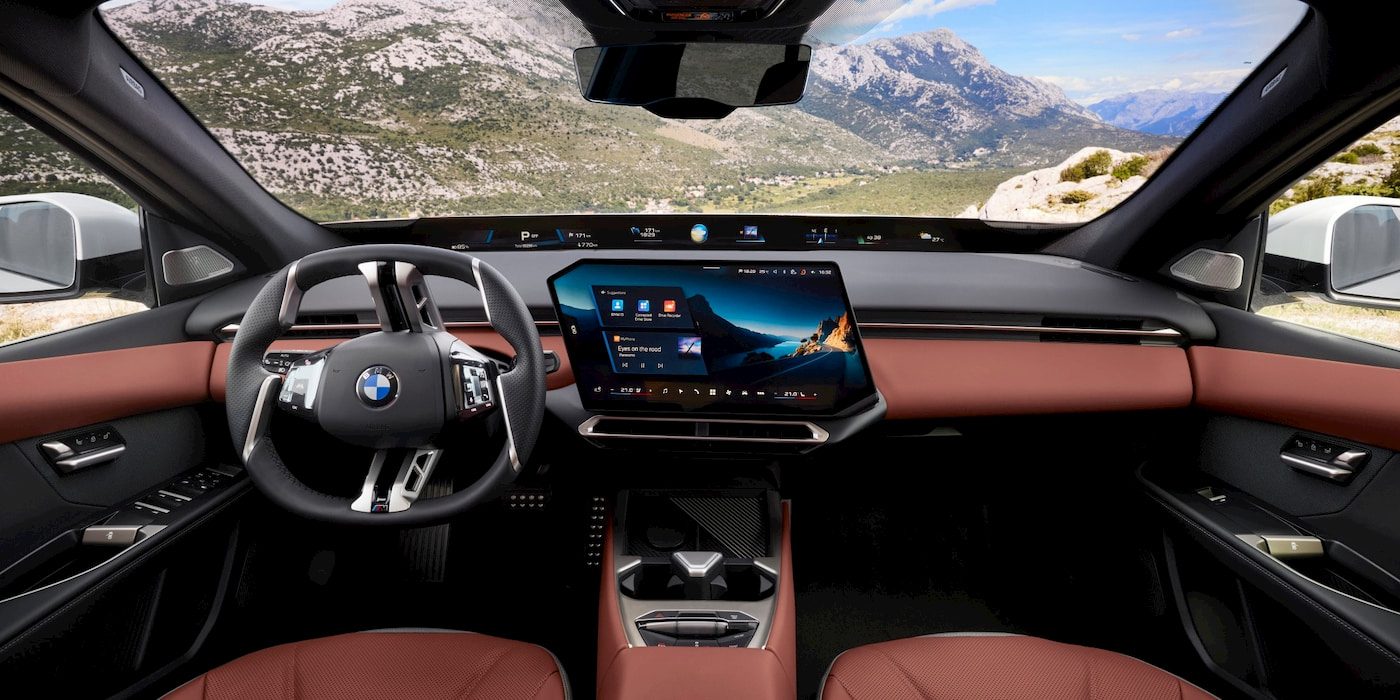
Inside the cabin, the i3 Touring will offer a radical departure from current BMW interiors. The Neue Klasse cabin philosophy focuses on "eyes on the road, hands on the wheel." The centerpiece of this approach is the BMW Panoramic Vision display, a 43-inch screen that spans the entire base of the windshield. This display projects information directly into the driver’s line of sight, effectively turning the lower portion of the glass into a massive head-up display.
Complementing the Panoramic Vision is a 17.9-inch floating central infotainment display. This screen serves as the primary interface for vehicle settings, navigation, and media. BMW has moved away from the traditional iDrive rotary controller in favor of advanced voice commands and steering wheel-mounted haptic controls. The use of sustainable materials is also a priority; the interior is expected to feature high-quality textiles made from recycled ocean plastics and bio-based materials, reinforcing the "green" credentials of the Neue Klasse platform.
Pricing and Market Positioning
BMW has already begun accepting orders for the i3 sedan in several European markets, providing a clear indication of where the Touring variant will be priced. In Germany, the i3 50 xDrive First Edition model is priced at €75,340 ($86,400), while the standard model starts at €65,900 ($75,500). In the United Kingdom, the First Edition starts at £57,905 ($76,500), with the base model expected to arrive in showrooms this autumn starting at £53,005 ($70,000).
Historically, BMW’s Touring models carry a premium over their sedan counterparts, typically ranging from 5% to 8%. Therefore, the i3 Touring is expected to start in the neighborhood of €70,000 in Europe. While the Touring has traditionally been a European-centric product, the growing interest in electric utility vehicles may prompt BMW to consider a wider release, though North American availability remains unconfirmed.
Strategic Context: The Munich Plant Transformation
The production of the i3 and i3 Touring is central to the transformation of BMW’s main plant in Munich. The company is investing approximately €650 million to convert the facility into a site dedicated exclusively to the production of all-electric vehicles by the end of 2027. This move is a bold statement of intent, as the Munich plant has been the heart of BMW’s internal combustion engine production for over a century.
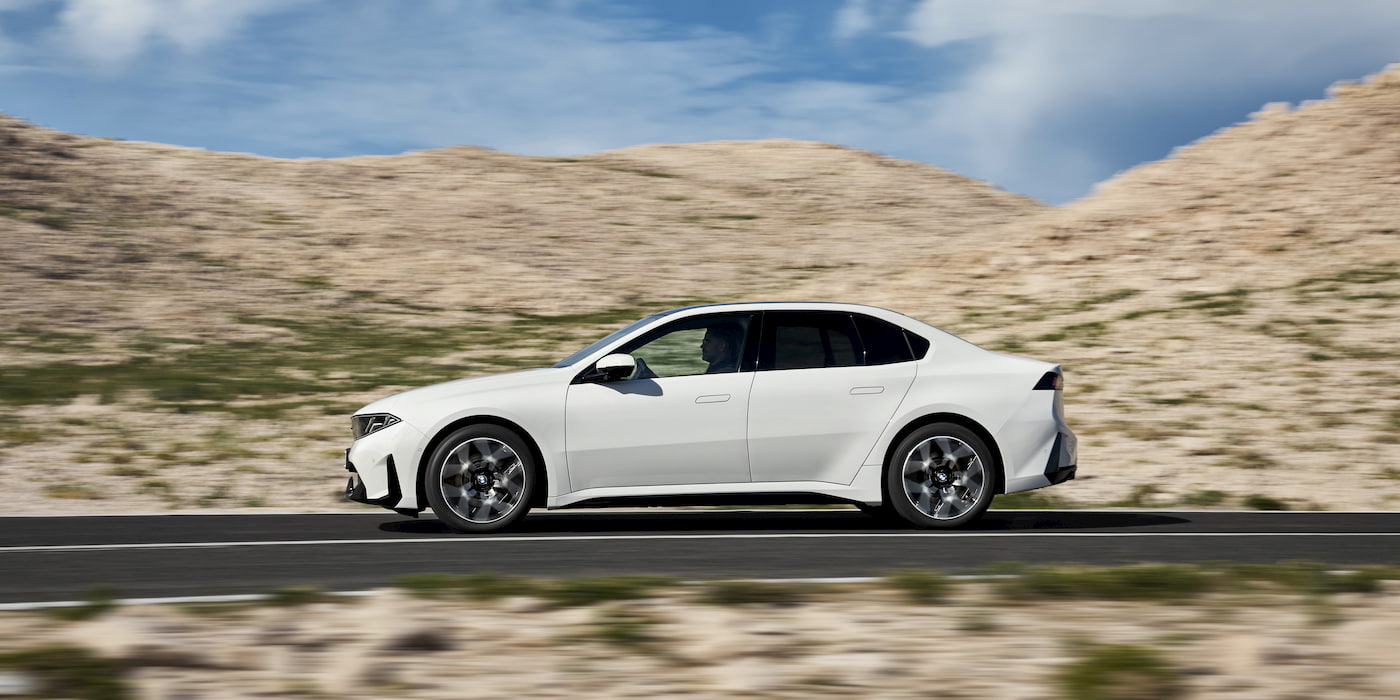
The rollout of the Neue Klasse began with the iX3 SUV, and the addition of the i3 sedan and Touring ensures that BMW has entries in the two most popular premium segments: SUVs and executive cars. By 2030, BMW aims for more than 50% of its global sales to be fully electric. The i3 Touring is a critical component of this goal, particularly in Germany, Italy, and Scandinavia, where wagons remain a preferred choice for families and fleet buyers.
Competitive Landscape and Industry Implications
The emergence of the i3 Touring places BMW in direct competition with a small but growing number of premium electric wagons. Its primary rival will be the Audi A6 e-tron Avant, which also utilizes an 800V architecture and focuses heavily on aerodynamic efficiency. Other competitors include the Volkswagen ID.7 Tourer and the Porsche Taycan Sport Turismo, although the latter sits at a significantly higher price point.
Industry analysts suggest that BMW’s decision to offer a dedicated wagon version of its most important electric sedan demonstrates a commitment to brand heritage. While many manufacturers are abandoning wagons in favor of SUVs, BMW is betting that the efficiency benefits of a lower-slung vehicle will appeal to long-distance drivers who are concerned about range.

Furthermore, the "First Edition" strategy employed by BMW suggests a move toward higher margins. By launching with well-equipped, higher-priced models, BMW is able to offset the significant R&D costs associated with the Neue Klasse platform. The surge in demand for the i3 sedan, which saw BMW open orders months earlier than planned, indicates that there is a substantial appetite for a "traditional" BMW experience in an electric format.
Conclusion and Future Outlook
The first sighting of the BMW i3 Touring marks the beginning of the final phase of testing before the vehicle’s official debut. As BMW prepares to start production in Munich this summer, the automotive world will be watching closely to see if the Neue Klasse can deliver on its promise of "the ultimate driving machine" for the electric age. With its class-leading range, ultra-fast charging capabilities, and futuristic interior, the i3 Touring is positioned not just as an alternative to the 3 Series, but as a benchmark for what a modern executive vehicle should be.
Further details regarding the Touring’s specific cargo dimensions, final performance figures, and regional launch dates are expected to be released in the coming months. For now, the spy photos serve as a confirmation that the electric wagon is far from dead; instead, it is being reinvented for a sustainable future. Through the Neue Klasse, BMW is not just launching new cars; it is redefining its identity for the next century of mobility.