UK weighs ban on Meta Ray-Bans and other smart glasses, citing ‘secret filming’

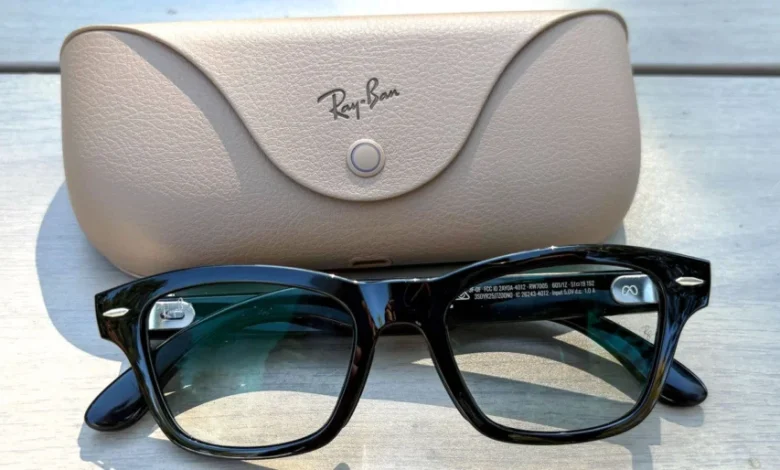
The impetus for this potential crackdown stems from a sharp rise in reports regarding the clandestine use of smart glasses in public, particularly in nightlife districts and private venues. During a recent parliamentary debate, MP Anne Sabina highlighted the alarming trend, noting that many women are discovering footage of themselves circulating on social media after nights out, often filmed without their knowledge or consent by individuals wearing inconspicuous, camera-integrated frames.
A Chronology of Growing Regulatory Scrutiny
The legislative response to smart glasses has been gaining momentum throughout 2026, marking a transition from novelty wearable tech to a recognized security and civil liberty threat.
In August 2026, the judiciary in England and Wales took a decisive stand by banning Meta-branded smart glasses from all courtrooms. The directive was clear: any individual entering a courthouse wearing such a device must surrender it to security personnel, who hold the hardware in a secure location until the user departs the building. This policy mirrors similar measures implemented by the New York State court system, which categorized these devices alongside traditional recording equipment, which has long been restricted in legal proceedings.
By September 2026, the international trend toward regulation became more pronounced. The Australian government announced a formal prohibition on the use of camera-equipped smart glasses within government workspaces, citing potential risks to the security of sensitive information and the privacy of government employees. Shortly thereafter, in October 2026, reports emerged that Norway was exploring a temporary, nationwide ban on smart glasses in public spaces, reflecting a growing sentiment in the European Union that existing data protection laws may be insufficient to govern the ubiquity of "always-on" recording devices.

In the United States, federal agencies have begun to act independently of broader legislation. U.S. Immigration and Customs Enforcement (ICE) recently issued an internal policy barring agents from wearing Ray-Ban Meta glasses while on duty, citing both security vulnerabilities and the potential for unauthorized data collection.
The Conflict Between Innovation and Privacy
The primary tension driving these regulatory efforts is the balance between the legitimate benefits of smart technology and the potential for malicious use. Minister Kaur acknowledged that for individuals with visual impairments, AI-powered smart glasses can serve as an essential assistive tool, providing real-time navigation assistance and object identification. However, the government’s stance suggests that these benefits no longer outweigh the widespread societal harms reported by the public.
The term "pervert glasses," which has gained traction in both media coverage and public discourse, reflects a deep-seated distrust of the form factor. The design of current-generation smart glasses is intentionally subtle, making it difficult for bystanders to determine whether a device is currently recording. This ambiguity creates a chilling effect in public spaces, where individuals may feel constantly monitored by strangers.
Industry analysts suggest that the recent 2026 midterm elections in the United States, characterized by a significant shift in legislative priorities, will likely lead to a more aggressive regulatory environment for Silicon Valley. As lawmakers look to curb the influence of AI and data-harvesting entities, the hardware that facilitates this data collection—specifically cameras on wearables—is expected to be a primary target.
Implications for the Wearable Tech Industry
The tech industry is currently at a crossroads. Following the backlash, manufacturers like Meta have been forced to pivot their messaging and product strategy. The launch of the camera-free "Ray-Ban Meta Audio" glasses at the Meta Connect 2026 conference appears to be a direct attempt to decouple the brand from the privacy controversies surrounding its camera-equipped counterparts.
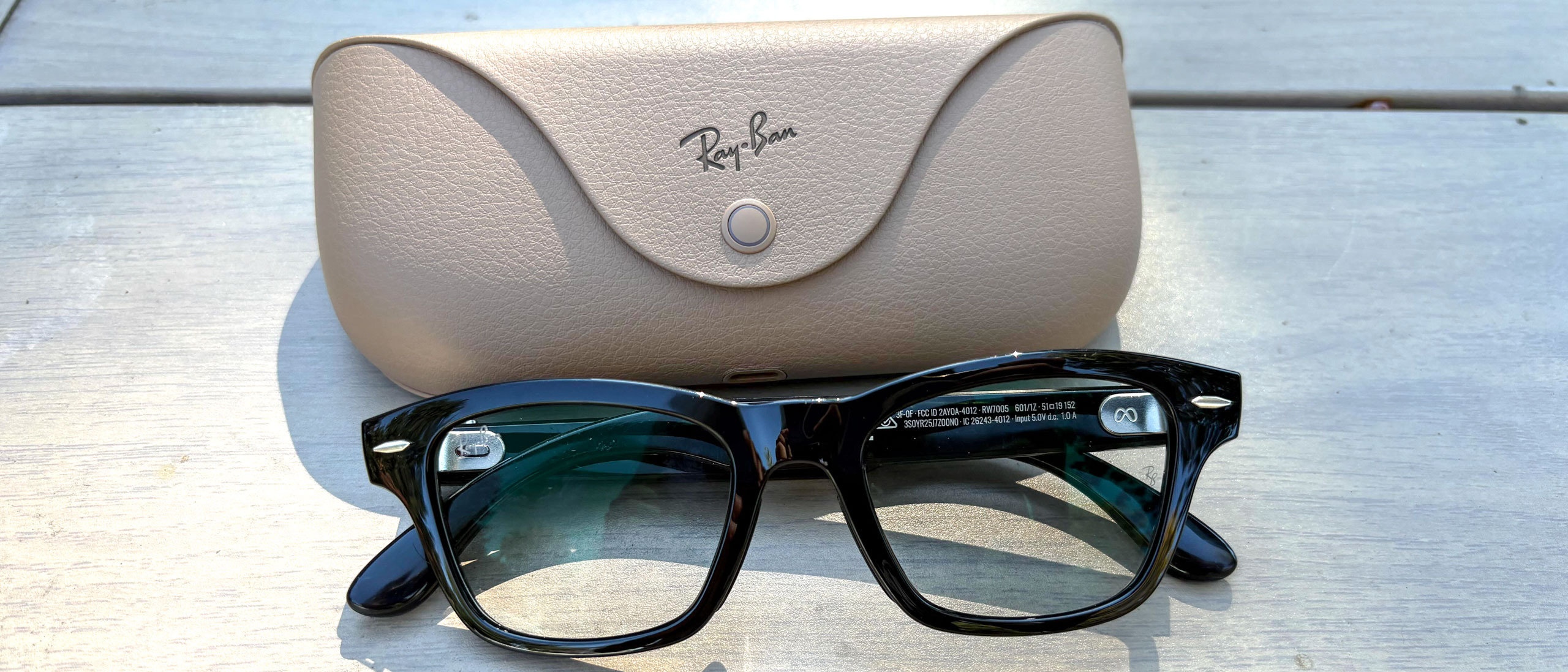
Initial feedback from technology reviewers has been surprisingly positive regarding the camera-free model. By removing the lens, the device functions primarily as an open-ear audio and AI assistant tool, which addresses the most pressing privacy concerns while retaining the functionality of voice-activated AI. Industry experts posit that this "audio-first" direction may be the only path forward for mainstream adoption of smart eyewear. If manufacturers insist on including cameras, they may soon face a landscape where their products are legally barred from entry into schools, hospitals, public transit, and government buildings—effectively rendering them obsolete for general public use.
The Role of National Institutions
The reach of these proposed regulations extends well beyond general public law. In the U.K., the National Health Service (NHS) and the Department for Education are conducting independent assessments to determine how smart glasses should be managed within their respective jurisdictions.
For the NHS, the concern is patient confidentiality. If patients or visitors can secretly record interactions with medical staff or other patients, it poses a direct threat to the sanctity of the doctor-patient relationship and the legal requirement for medical privacy. Similarly, the Department for Education is weighing the impact on student privacy, particularly regarding the potential for cyberbullying and the unauthorized distribution of imagery within educational settings.
Data and Security Concerns
The core technical issue is the lack of a standardized, universal "recording indicator" that is visible to the public. While many devices feature a small LED light to signal recording, these indicators are often easily obscured or bypassed, and they do not provide a clear notification to those within the vicinity of the device.
Furthermore, the integration of AI models that can process video in real-time adds a new layer of complexity. If a device can identify faces, track movements, and log interactions in a cloud-based database without the subject’s consent, the potential for mass, decentralized surveillance is unprecedented. Policymakers are concerned that without regulation, we are moving toward a future where "opt-out" of public surveillance is functionally impossible.

Future Outlook and Legislative Hurdles
As the U.K. government continues its review, the path toward a comprehensive ban or a restrictive licensing framework remains uncertain. A full ban would face significant pushback from disability advocacy groups, who argue that the hardware is essential for accessibility. Conversely, a weak regulatory framework may fail to quell the public backlash that has already turned the technology into a social pariah.
The most likely outcome, according to political analysts, is a tiered regulatory approach. This would likely involve:
- Mandatory Hardware Standards: Requiring future devices to have highly visible, non-defeatable recording indicators.
- Geofenced Restrictions: Using software-based geofencing to automatically disable cameras in sensitive areas like courtrooms, schools, and private restrooms.
- Strict Data Usage Policies: Limiting how companies can store and process visual data captured by wearable devices, potentially requiring local-only storage for any recorded footage.
The events of 2026 have served as a turning point for smart wearables. The era of "anything goes" for camera-enabled glasses is clearly coming to an end. Whether through government decree or market pressure, the industry is being forced to accept that personal privacy is not an abstract concept to be traded for convenience, but a fundamental expectation of the public.
As the debate continues, the focus will likely remain on whether technology companies can innovate in a way that respects human dignity and autonomy. For now, the global sentiment is shifting away from the unchecked adoption of surveillance-capable wearables. The "blue wave" of the 2026 midterms in the U.S. and the proactive stance of the U.K. government suggest that the regulatory pendulum has swung firmly toward oversight, and the companies behind these devices will need to demonstrate that they can be responsible stewards of both data and social norms if they hope to survive the incoming wave of legislation.