Global Oil Conflicts Highlight Fragility of Fossil Fuels as Electric Transport Accelerates

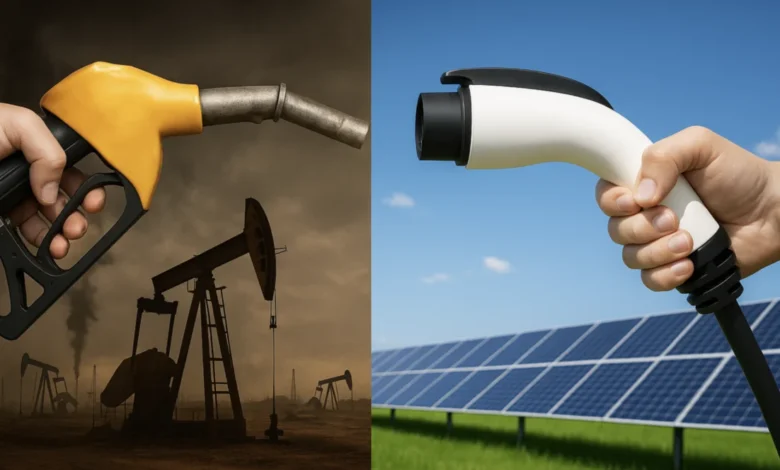
The intersection of geopolitical instability and energy security has once again taken center stage as contemporary military conflicts severely disrupt international petroleum supply chains. Approximately 43% of the world’s daily oil production originates from regions currently experiencing active armed conflict or severe geopolitical strife, according to recent trade and energy analytics. This structural vulnerability underscores a persistent reality of the modern industrial economy: the extraction, refinement, and maritime transit of fossil fuels have historically served as primary catalysts for international conflict. As global markets grapple with unprecedented volatility—ranging from blocked maritime chokepoints to targeted infrastructure attacks—policymakers, economists, and industry analysts are forced to reevaluate the long-term viability of an energy architecture deeply dependent on volatile regions.
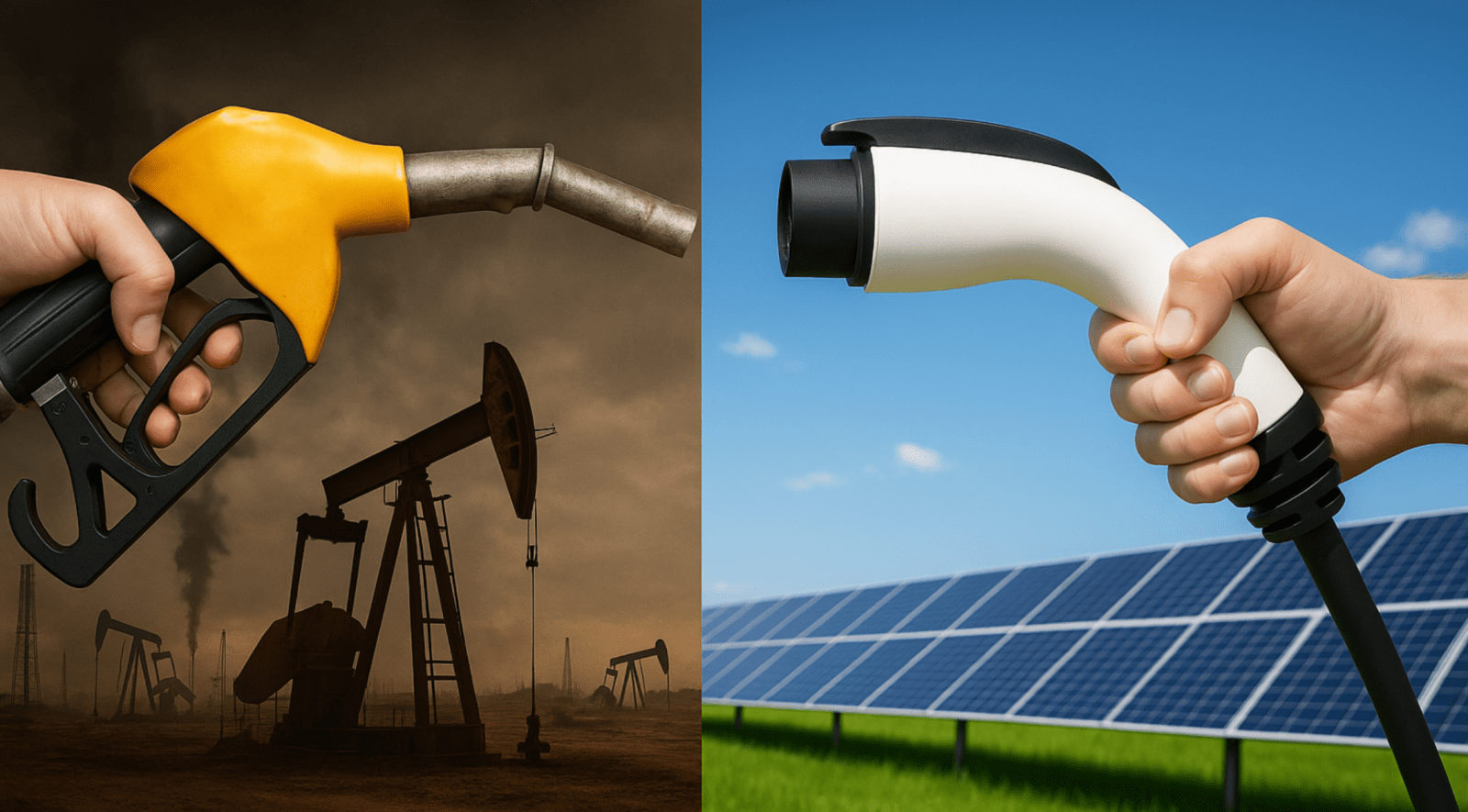
Unlike previous eras of energy transition, however, the current paradigm is marked by the rapid scale-up of viable technological alternatives, most notably the global adoption of electric vehicles (EVs) and renewable energy generation. While petroleum markets face systemic shocks, electrified transportation systems are increasingly demonstrating their capacity to insulate economies from supply disruptions, fundamentally altering the calculus of global energy demand.
Geopolitical Chokepoints and Maritime Disruptions
The fragility of global crude oil distribution is most vividly illustrated by the ongoing crisis in the Strait of Hormuz, a critical maritime corridor through which roughly one-fifth of the world’s petroleum historically flowed. The strategic waterway has experienced near-total operational paralysis following regional military escalations that began earlier in the decade. Despite initial projections by financial institutions of an catastrophic global oil price shock, the anticipated economic fallout was partially mitigated by a profound structural shift in East Asian energy consumption.
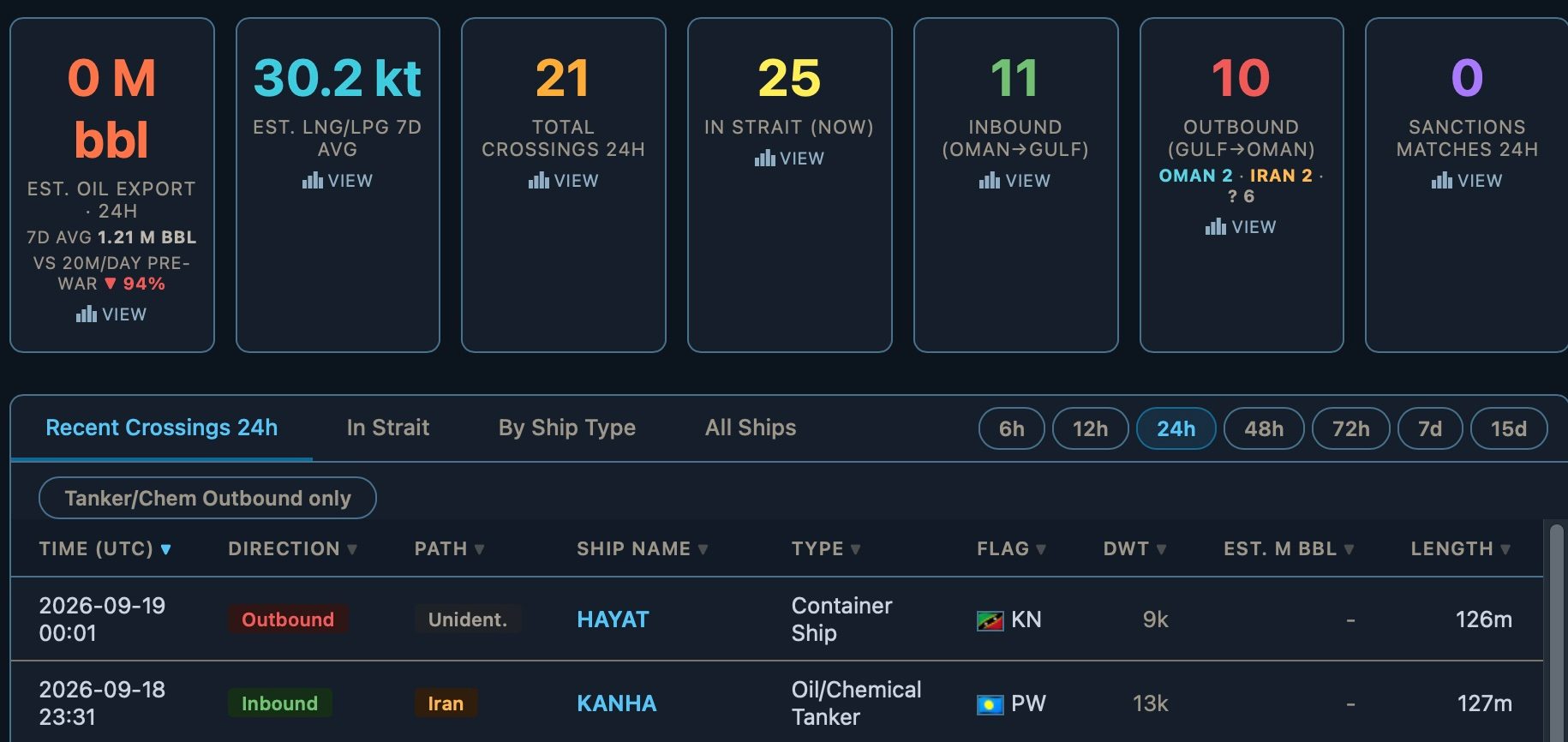
China, historically the primary destination for crude transiting the Strait of Hormuz, dramatically curtailed its petroleum imports. This reduction in demand was not driven by artificial rationing, but by an aggressive, market-led transition toward electrified mobility and domestic renewable integration. Industry data indicates that widespread EV adoption in major economies has successfully neutralized a volume of oil demand equivalent to a substantial portion of historical Middle Eastern export quotas, effectively providing a stabilizing buffer against runaway energy inflation.
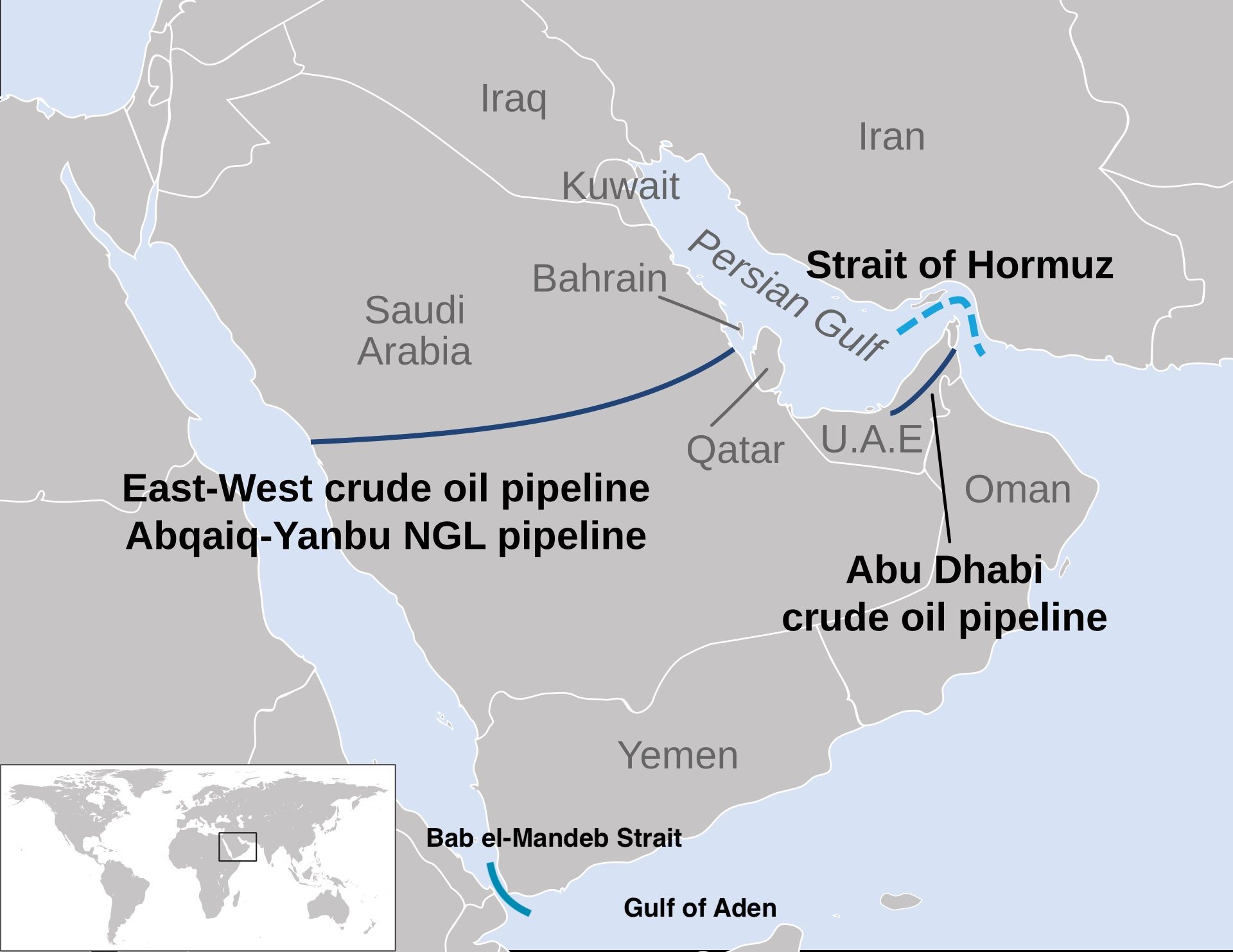
Compounding maritime vulnerabilities, land-based infrastructure has also emerged as a primary target in regional hostilities. Recent drone and missile strikes targeting critical transnational pipelines in the Middle East have forced state operators to temporarily halt major overland crude transit routes. These facilities, originally engineered to bypass vulnerable maritime straits, remain acutely susceptible to asymmetric warfare. The involvement of regional proxy groups and ongoing civil conflicts across key producing nations has further complicated diplomatic and logistical efforts to restore predictable flow to international markets.
Industrial Conflict and Refining Capacity Constraints
Beyond the Middle East, the protracted conflict in Eastern Europe has fundamentally reshaped the European and Eurasian energy landscape. Following successive escalations originating with territorial disputes in the Crimean Peninsula and the subsequent full-scale invasion of Ukraine, traditional energy trade routes between Russia and Western markets have been severed by comprehensive international sanctions and direct military action.
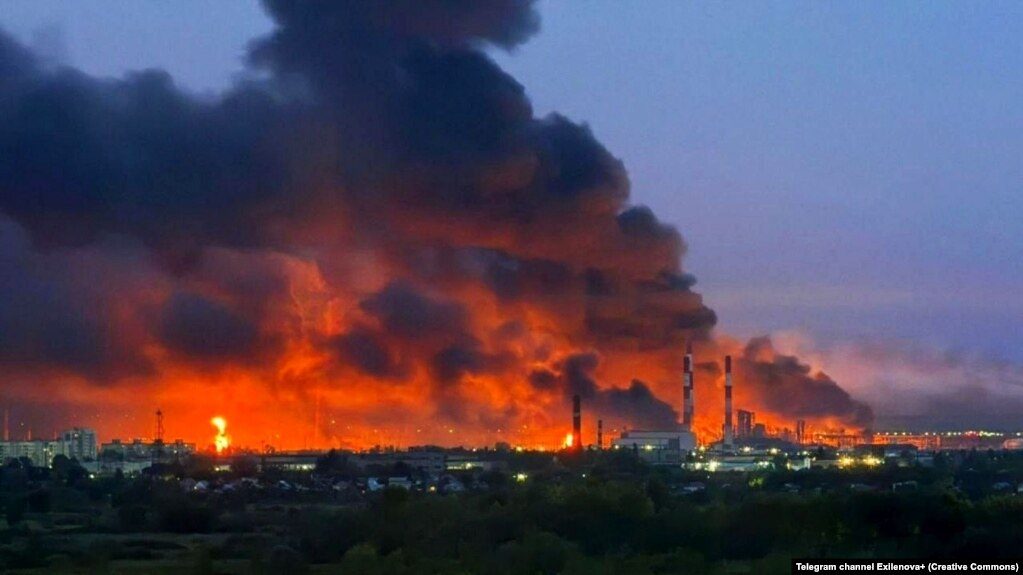
A particularly effective strategic development in this theater has been the systematic targeting of domestic Russian oil refining infrastructure by Ukrainian forces. Reports indicate that a significant percentage of Russia’s primary refining capacity has been temporarily or permanently disabled through targeted drone operations. This localized disruption has created acute domestic fuel shortages within the Russian Federation, evidenced by prolonged queues at domestic filling stations and a sharp, sudden surge in national electric vehicle adoption as consumers seek reliable alternatives to petroleum-based transport. Consequently, Russia’s historical role as a dominant net exporter of refined petroleum products has been severely diminished, further tightening global supply margins.
Concurrently, long-term political instability in North Africa has introduced persistent volatility into Mediterranean oil markets. Repeated protests and security interventions at major petroleum extraction fields and export terminals in Libya have frequently forced state energy corporations to declare force majeure, suspending shipments unpredictably and compounding the uncertainty faced by global commodity traders.
Hemispheric Trade Wars and Economic Sanctions
In the Western Hemisphere, energy availability has frequently been leveraged as an instrument of broader geopolitical coercion. Ongoing trade disputes between North American neighbors, alongside stringent economic blockades targeting Latin American petroleum producers, have strained integrated supply chains.

United States enforcement actions restricting fuel shipments to nations such as Cuba have precipitated severe domestic energy crises, resulting in widespread electrical grid failures and logistical disruptions. In response, affected nations have accelerated localized renewable energy deployments, incorporating solar generation and expanding fleets of light electric transport vehicles to achieve baseline self-sufficiency. Meanwhile, broader trade tensions between the United States and Canada have prompted Canadian regulators to reconsider long-standing cross-border pipeline integration and open domestic markets to competitive international automotive imports, including advanced electric vehicles from Asian manufacturers.
Financial institutions have acknowledged the unprecedented complexity of these compounding variables. Major global banking analysts, including commodities teams at JPMorgan Chase, recently noted the near-impossibility of modeling a definitive endgame for several ongoing geopolitical conflicts. The depletion of national Strategic Petroleum Reserves (SPRs) by industrialized nations seeking to artificially suppress retail fuel prices has further eroded regulatory buffers, leaving global markets increasingly sensitive to incremental supply shocks.

The Structural Solution of Electrification
Industry analysts emphasize that the systemic risks associated with fossil fuel dependence contrast sharply with the localized, highly resilient nature of electrified transport and renewable energy generation. Personal light-duty vehicles account for the vast majority of global petroleum consumption. Because electricity can be generated domestically using diverse, geographically distributed resources—ranging from wind and solar to nuclear and hydroelectric power—electrified transportation inherently decouples mobility from the geopolitical stability of foreign extraction zones.
From an efficiency perspective, battery-electric vehicles utilize energy roughly four times more efficiently than internal combustion engine vehicles, which inherently burn through tens of thousands of pounds of refined petroleum over their operational lifespans. Furthermore, the mineral inputs required for lithium-ion battery production differ fundamentally from fossil fuels: they are deployed in comparatively small quantities per vehicle, are geographically diverse, and crucially, are recyclable rather than consumed through combustion.
Real-world implementation of these technologies continues to expand across diverse economic environments. In China, rapid EV deployment has measurably improved urban air quality while curbing national crude oil dependency. In Europe, widespread residential adoption of heat pumps and electric heating systems has reduced reliance on imported natural gas. Even in sanctioned or isolated economies, electrification has served as a vital technological lifeline during acute fossil fuel shortages.
Macroeconomic Implications and Future Outlook
The global automotive and energy sectors find themselves at a strategic crossroads. While traditional automakers and legacy petroleum interests continue to lobby legislative bodies in Western markets to erect protective trade barriers against lower-cost, highly competitive foreign electric vehicles, international consumer demand is accelerating the transition toward sustainable mobility.

Financial analyses suggest that prolonged resistance to this technological transition risks stranding capital-intensive fossil fuel assets while inflating consumer costs across all sectors of the industrial economy. As global markets adapt to the reality of permanent resource volatility, the imperative to remove oil from the transportation sector has shifted from an environmental objective to an urgent economic and national security necessity. The underlying technology required to achieve this transition is mature, globally available, and increasingly cost-competitive, offering a clear pathway out of the cycle of resource-driven conflict that has defined modern history.