BYD Set to Unveil Flagship Ultra-Luxury Electric Sedan in the UAE Featuring Rolls-Royce-Style Coach Doors and Potential Solid-State Batteries

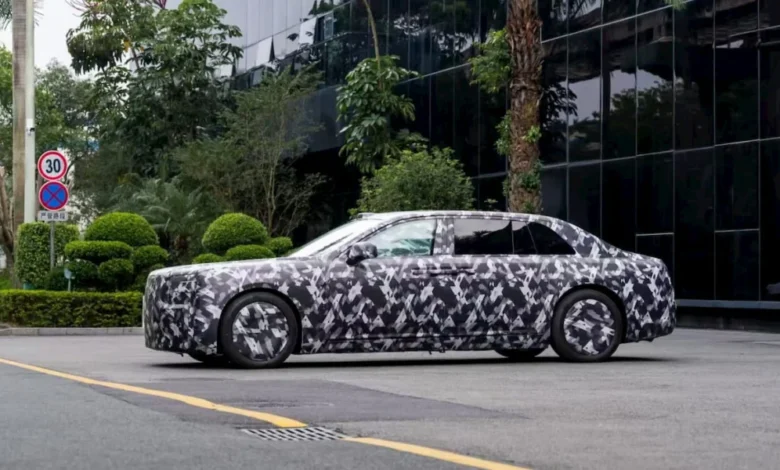
The global electric vehicle landscape is on the brink of a significant paradigm shift as Chinese automotive titan BYD prepares to lift the veil on its most ambitious creation to date. Known widely for democratizing electric mobility with budget-friendly hatchbacks like the Seagull—which retails for under $10,000 in domestic markets—the Shenzhen-headquartered manufacturer is now aggressively ascending into the rarefied air of ultra-luxury motoring. According to industry insiders and recent executive disclosures, BYD’s premier luxury brand, Yangwang, is slated to debut a flagship executive sedan in Dubai, United Arab Emirates. This upcoming release is widely expected to challenge legacy European stalwarts such as Rolls-Royce, Bentley, and Mercedes-Maybach.
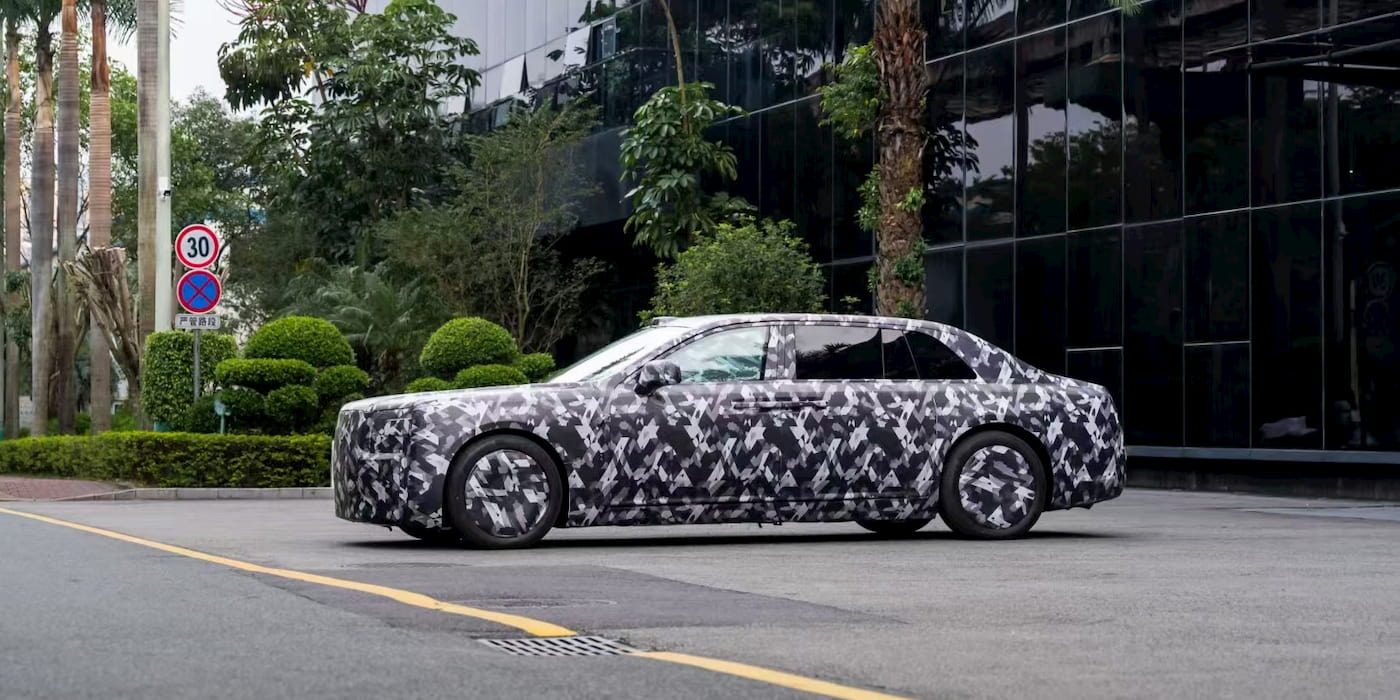
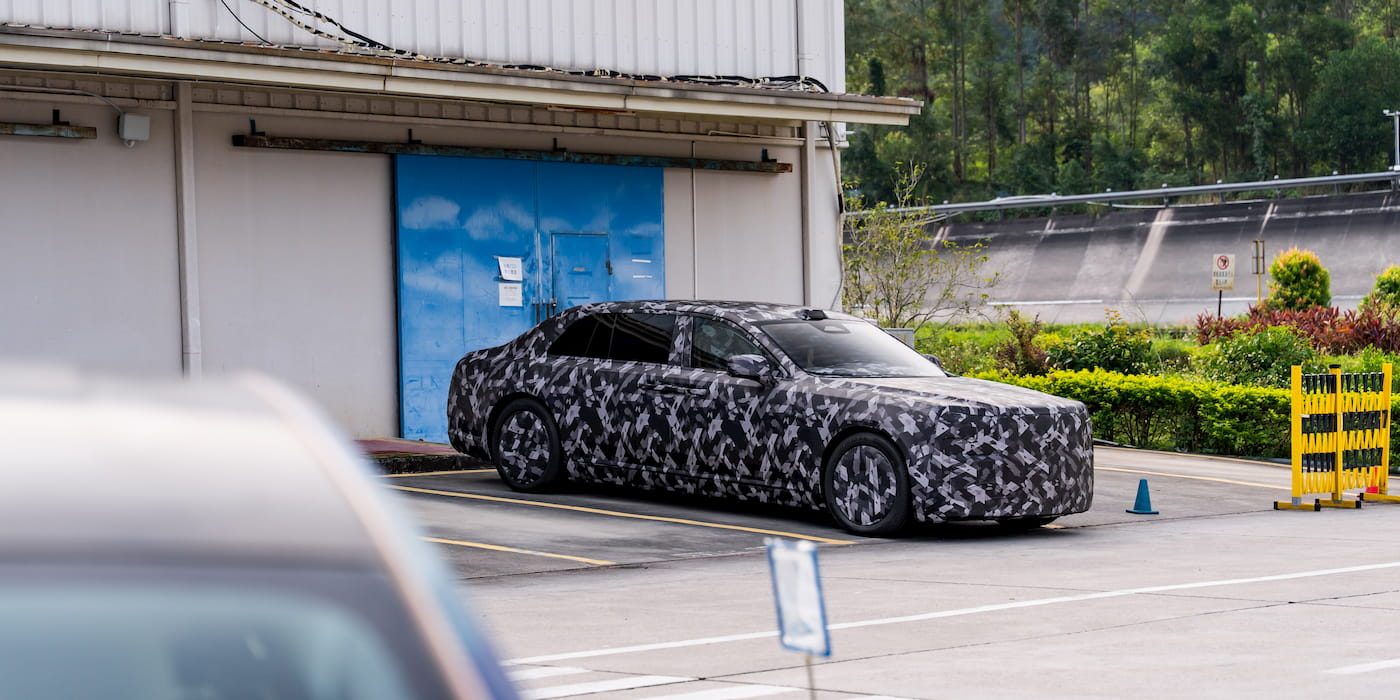
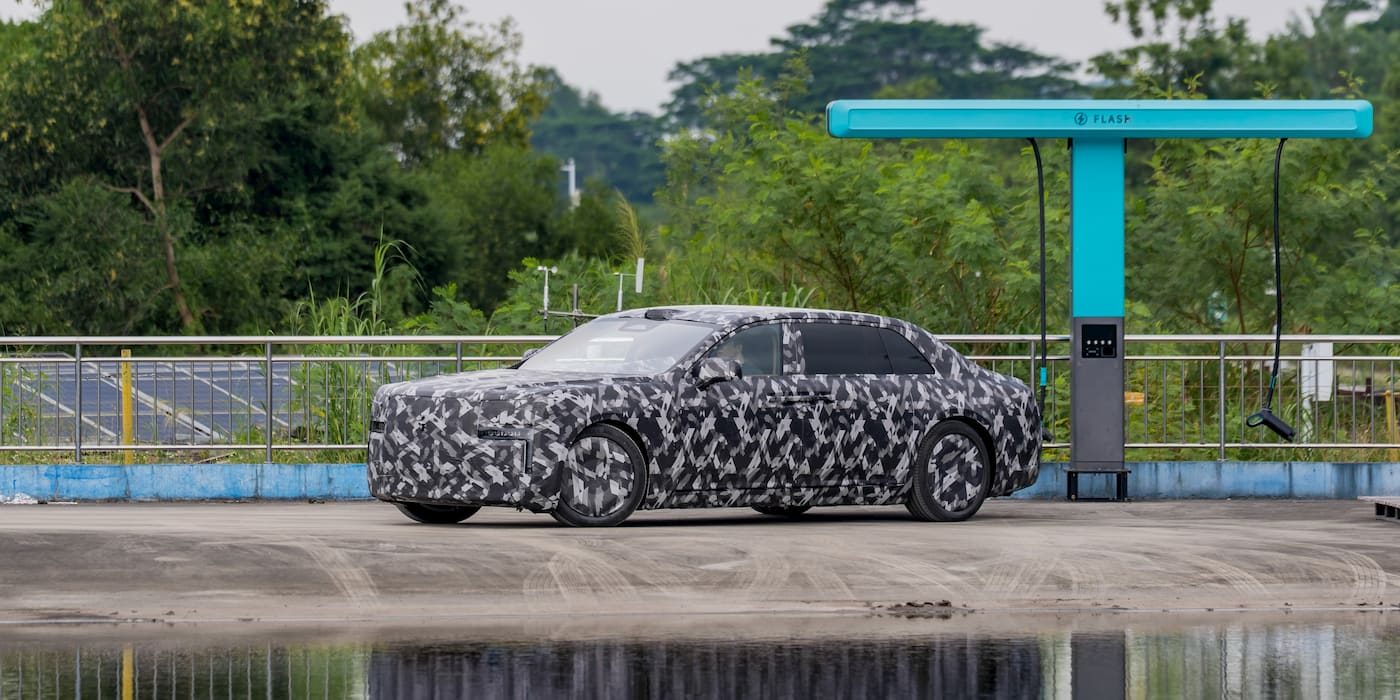
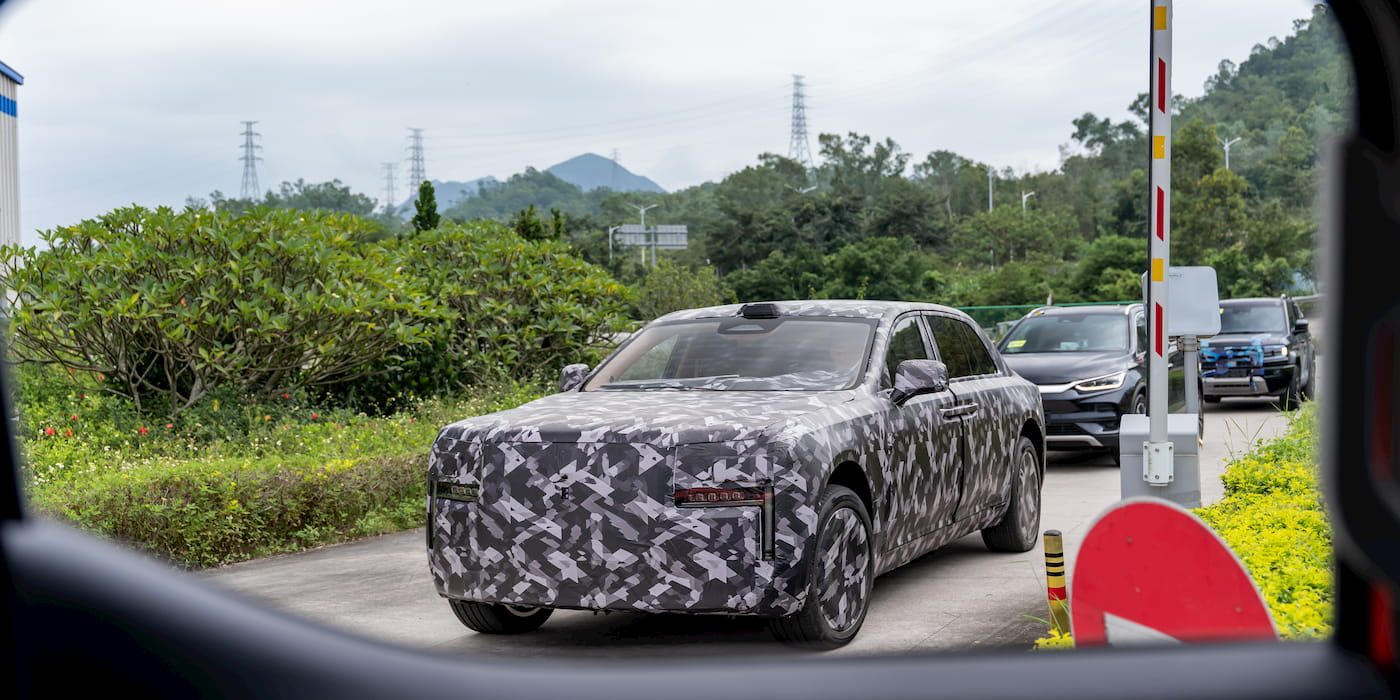
The vehicle, which has been captured undergoing rigorous prototype testing in heavily disguised camouflage, represents a massive leap forward in engineering, design, and proprietary technology. While initial details have trickled out through social media channels managed by high-ranking corporate executives, the official unveiling is rumored to take place around November 5, strategically positioning the brand for maximum global impact in one of the world’s most lucrative luxury automobile markets.
A Strategic Global Debut in the United Arab Emirates
In a departure from traditional automotive convention, BYD has chosen the Middle East over its home market in China for the world premiere of its new flagship sedan. Hu Xiaoqing, general manager of the Yangwang brand, confirmed the international rollout strategy, signaling the company’s clear ambition to capture the hearts and wallets of high-net-worth individuals in the UAE and surrounding Gulf Cooperation Council (GCC) nations.
Industry analysts point out that the UAE serves as a critical testing ground and showroom for ultra-luxury and exotic vehicles. By launching the vehicle in Dubai, BYD aims to position its luxury brand on an equal footing with legacy ultra-luxury marques that traditionally dominate the region. The choice of venue underscores BYD’s aggressive international expansion strategy, which has seen the automaker rapidly establish a retail and manufacturing footprint across Europe, Asia, Latin America, and the Middle East.
Design, Dimensions, and Unprecedented Engineering Features
Though covered in camouflage during recent road tests, the proportions of the new Yangwang sedan immediately drew comparisons to automotive heavyweights like the Mercedes-Maybach S-Class and the Rolls-Royce Phantom. Local automotive reports indicate that the executive cruiser will measure approximately 5,500 millimeters (216 inches) in length, offering an expansive interior cabin designed to rival private jets in terms of comfort and refinement.
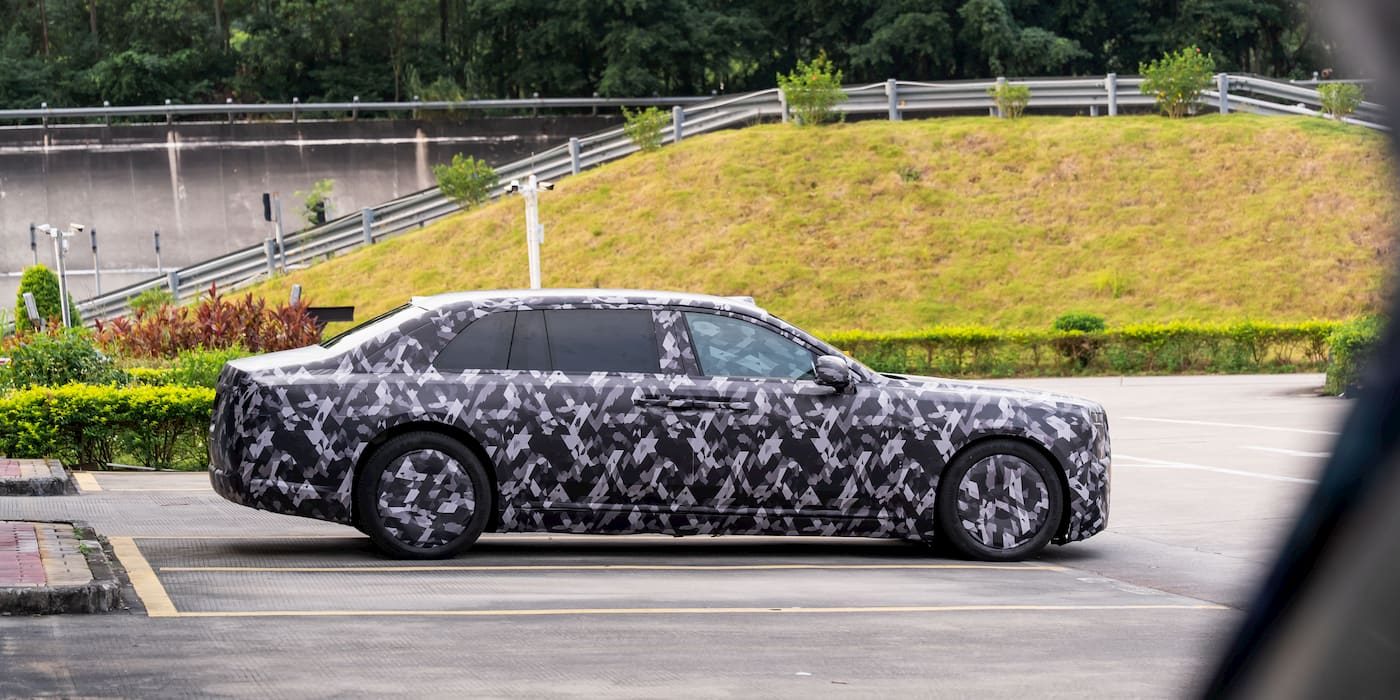
Among the vehicle’s most striking aesthetic and functional highlights is the inclusion of rear-hinged coach doors—commonly referred to as suicide doors. This design choice marks a first for any production vehicle in the BYD stable and directly targets the traditional aesthetic hallmarks of ultra-luxury British coachbuilders.
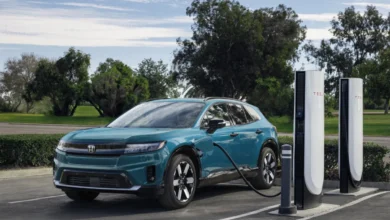
Furthermore, recent sightings of the prototype at one of BYD’s proprietary Flash Charging stations strongly suggest that the vehicle will support advanced megawatt-level high-power charging capabilities. This infrastructure integration will allow owners to replenish vast amounts of driving range in mere minutes, addressing one of the primary historical pain points of large-battery luxury electric vehicles.
The Technological Frontier: Solid-State Batteries on the Horizon
Beyond its opulent exterior and bespoke styling cues, the flagship Yangwang sedan is heavily rumored to serve as the commercial launchpad for BYD’s long-awaited solid-state battery technology. Zheng Yu, executive general manager of Yangwang, previously teased that the upcoming model would incorporate "unprecedented disruptive technology," though specific technical specifications were withheld at the time.
The timeline for BYD’s solid-state battery commercialization has been a subject of intense speculation within the global automotive supply chain. During an interview with automotive media outlets last month, BYD Executive Vice President Stella Li stated that the company currently holds a leading position in solid-state battery research and development. Li confirmed that BYD’s inaugural vehicle utilizing a solid-state battery system is scheduled to debut formally in 2027.
Underpinning this rollout is FinDreams, BYD’s dedicated battery manufacturing and research subsidiary. FinDreams plans to initiate limited-batch production of sulfide-based all-solid-state batteries by 2027, with plans to gradually scale up to full mass production as manufacturing efficiencies improve toward the end of the decade. While BYD has not officially verified whether the upcoming Dubai-debut prototype will feature a functional solid-state pack at launch or adopt it shortly thereafter, industry experts note that introducing next-generation chemistry in a low-volume, high-margin flagship vehicle aligns with standard automotive deployment strategies for high-cost innovations.
Brand Hierarchy and Market Positioning
To understand the magnitude of this upcoming release, it is necessary to examine BYD’s intricate brand architecture. The overarching BYD corporate entity operates two main consumer-facing product families: the Dynasty series and the Ocean series. Beneath the corporate umbrella sit three distinct sub-brands: Denza, FangChengBao, and Yangwang.
Yangwang sits proudly at the absolute pinnacle of this hierarchy, functioning as an incubator for BYD’s most radical automotive engineering achievements. Vehicles produced under the Yangwang banner have previously made waves globally by utilizing the proprietary quad-motor e4 platform. This advanced architecture generates a staggering 1,300 horsepower and integrates seamlessly with the DiSus-X intelligent body control system. Together, these technologies allow Yangwang vehicles to perform complex maneuvers, including localized tank turns, jumping motions, and even maintaining stable control while driving on three wheels after a tire blowout.
Currently, the Yangwang portfolio includes:
- The U7: An all-electric performance sedan with a starting price of approximately 658,000 yuan ($98,000).
- The U8 and U8L: A series of plug-in hybrid luxury off-road SUVs equipped with extreme water-fording and maneuvering capabilities. The extended U8L currently holds the title of BYD’s most expensive mass-produced vehicle, commanding a base price of 1.45 million yuan ($217,000).
- The U9: A high-performance, fully electric super-coupe engineered to compete with traditional European supercar manufacturers.
The impending flagship executive sedan is expected to shatter internal pricing records for the brand. Current market rumors suggest that the vehicle will command a starting price in the 2 million yuan range, equating to roughly $300,000 USD. This pricing strategy places the vehicle squarely in direct competition with ultra-exclusive models from established Western and Asian luxury houses.
Broader Industry Implications and Competitive Analysis
BYD’s aggressive push into the $300,000 luxury sedan segment represents a significant psychological and commercial milestone for the Chinese automotive sector. For decades, legacy European, American, and Japanese automakers maintained an unassailable monopoly over the ultra-luxury tier, characterized by hand-built craftsmanship, prestigious heritage, and immense internal combustion engines.
The rapid maturation of electric vehicle technology, however, has effectively neutralized the engineering advantage of traditional combustion engines. Electric powertrains naturally offer superior torque, whisper-quiet operation, and instantaneous throttle response—traits that align perfectly with the traditional expectations of a luxury buyer. By pairing these inherent EV dynamics with cutting-edge features like coach doors, advanced body-control hydraulics, and the promise of solid-state battery density, BYD is attempting to rewrite the rulebook for automotive luxury.
Furthermore, the commercial implications extend far beyond regional prestige. As Chinese automakers face intensifying domestic price wars and rising trade barriers in traditional export markets like the European Union and North America, pivoting toward ultra-luxury vehicle segments offers a high-margin buffer. High-end vehicles absorb shipping costs, tariffs, and localized compliance expenses far more effectively than sub-$10,000 city cars, making them an ideal vehicle for international brand-building.

As the global automotive community turns its eyes toward Dubai in early November, the unveiling of BYD’s newest flagship will be scrutinized not just for its aesthetic choices or luxury amenities, but as a tangible indicator of how rapidly the center of gravity in the global automotive industry is shifting eastward. If BYD successfully delivers on its promises of revolutionary charging infrastructure, bespoke styling, and next-generation battery chemistry, the established guardians of ultra-luxury motoring will face a formidable new challenger on the global stage.