Motorola Razr Lineup Sees Significant Price Hikes for 2026 Models and Introduces a New Foldable Contender.

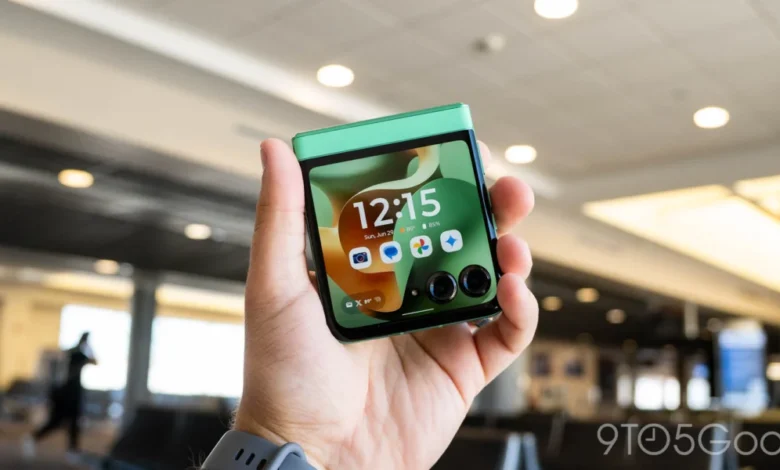
Motorola is poised to unveil its latest generation of Razr foldable smartphones, with a new report indicating substantial price increases across the 2026 lineup for the US market, alongside the debut of an entirely new Razr Fold device. This strategic adjustment in pricing and portfolio expansion comes amidst a dynamic global smartphone market characterized by fluctuating component costs and intensifying competition in the nascent foldable segment. The forthcoming series, encompassing the refreshed Razr (2026), Razr+ (2026), and Razr Ultra (2026), is expected to hit shelves with higher price tags, reflecting broader industry trends and specific product enhancements.
According to a detailed report from Dealabs, the anticipated US pricing for Motorola’s 2026 Razr series reveals considerable upward adjustments. The alleged prices are structured as follows, representing a notable shift in Motorola’s premium smartphone strategy:
- Motorola Razr (2026): Expected to retail at $799, marking a $100 increase from its predecessor.
- Motorola Razr+ (2026): Projected to be priced at $999, also reflecting a $100 increment.
- Motorola Razr Ultra (2026): Set for a significant jump to $1,199, an increase of $200 over the previous generation.
These alleged price hikes are substantial, particularly for the Razr Ultra (2026), which is reportedly undergoing primarily a design refresh while retaining many core specifications from its 2024 iteration. This strategy suggests that Motorola is either banking on aesthetic appeal and brand loyalty to justify the higher cost or is directly responding to underlying economic pressures impacting manufacturing.
Unpacking the 2026 Razr Series: Specifications and Strategic Positioning
The report from Dealabs offers insights into the specific upgrades accompanying these price adjustments for certain models. The base model, the Motorola Razr (2026), is slated to receive a performance boost with a newer MediaTek Dimensity 7450X processor. This chipset, typically positioned for mid-range to upper-mid-range devices, aims to deliver improved efficiency and processing power, enhancing the overall user experience for the entry-level foldable. Furthermore, the Razr (2026) will reportedly feature a larger 4,800 mAh battery, a significant upgrade designed to address common concerns about battery life in foldable devices, offering users extended usage times. Photography capabilities are also set to improve with the inclusion of a new 50MP ultrawide camera, broadening the device’s versatility for capturing diverse photographic scenes.
The Razr+ (2026), positioned as the mid-tier option, is also expected to see a notable battery upgrade, jumping to a 4,500 mAh capacity from the 4,000 mAh found in its 2024 predecessor. This enhancement directly responds to consumer demand for greater endurance from their premium smartphones. However, the report indicates that the Razr+ (2026) will otherwise remain unchanged in terms of its core processing unit, retaining the Snapdragon 8s Gen 3 chip that powered the 2024 model. This decision suggests a focus on refining existing successful components rather than introducing entirely new architectural changes, potentially to manage development costs or leverage optimized performance from a proven chipset.
In contrast, the Razr Ultra (2026) stands out with its substantial $200 price increase despite being described as primarily a "design refresh" atop last year’s specifications. This approach could be a calculated risk by Motorola, relying on premium materials, refined aesthetics, and potentially enhanced software features to justify the higher price point without a corresponding leap in internal hardware. It also highlights the increasing importance of industrial design and user experience in the competitive high-end smartphone market.

The Broader Economic Context: The RAM/Storage Crisis and Supply Chain Pressures
The most apparent rationale behind these widespread price increases, not just for the Razr series but across Motorola’s portfolio and its parent company Lenovo, points directly to the ongoing global semiconductor and component cost crisis. The market for crucial components such as RAM (Random Access Memory) and storage (NAND flash) has experienced significant volatility and upward price trends in recent years. This crisis is a multifaceted issue driven by several factors:
- Increased Demand: The accelerated digital transformation across various industries, coupled with a surge in demand for consumer electronics during and after the pandemic, has placed immense pressure on chip manufacturers.
- Supply Chain Disruptions: Geopolitical tensions, natural disasters, and logistical bottlenecks have repeatedly disrupted global supply chains, leading to shortages and increased lead times for critical components.
- Manufacturing Costs: The cost of raw materials, energy, and labor involved in semiconductor manufacturing has risen, directly translating into higher prices for finished components.
- Technological Advancement Costs: As chip fabrication processes become more complex and require advanced machinery, the research, development, and production costs escalate, which are then passed on to device manufacturers.
This global phenomenon has not spared any major tech company. Motorola, like many others, has already implemented price increases elsewhere in its lineup, including its budget-friendly Moto G series. Lenovo, Motorola’s parent company, has also raised prices on its Android tablets and even ceased sales of its Legion Tab in some regions, indicating a systemic response to these economic pressures. These price adjustments are not isolated incidents but rather a symptom of a wider industry challenge that impacts profitability and consumer affordability across the entire electronics sector. Analysts have consistently pointed to these supply-side pressures as a primary driver for increasing retail prices, making it challenging for manufacturers to maintain previous pricing structures without compromising on margins or quality.
The Motorola Razr Fold: A New Contender in the Large Foldable Segment
Beyond the refreshed Razr flip phone series, a significant new development is the impending launch of the Motorola Razr Fold. Priced at an alleged $1,899 in the US, this device signifies Motorola’s ambitious entry into the larger, tablet-style foldable market, directly challenging established players like Samsung and Google. While specific release dates for the US market remain undisclosed, international reports suggest a very imminent launch, with pre-orders already being hinted at in regions like the UK and Europe.
This pricing strategy positions Motorola very competitively. At $1,899, the Razr Fold is set to undercut Samsung’s flagship large foldable, the Galaxy Z Fold series, by approximately $100, which typically launches around the $1,999 mark. Moreover, it lands just $100 more than Google’s Pixel 10 Pro Fold, suggesting a calculated move to offer a premium alternative that provides strong value within the high-end foldable segment. This strategic pricing could enable Motorola to capture a segment of consumers looking for a large-format foldable without the absolute top-tier price tag of some competitors, or those who prefer Motorola’s design language and software experience.
Historical Context: The Razr Legacy and Motorola’s Foldable Journey
The Motorola Razr brand holds an iconic place in mobile phone history. Originally launched in 2004, the Razr V3 redefined phone aesthetics with its impossibly thin profile, sleek metallic design, and satisfying flip mechanism. It became a cultural phenomenon, selling over 130 million units and cementing Motorola’s status as an innovation leader. However, as smartphones emerged, Motorola struggled to adapt, and the Razr brand faded into nostalgia.
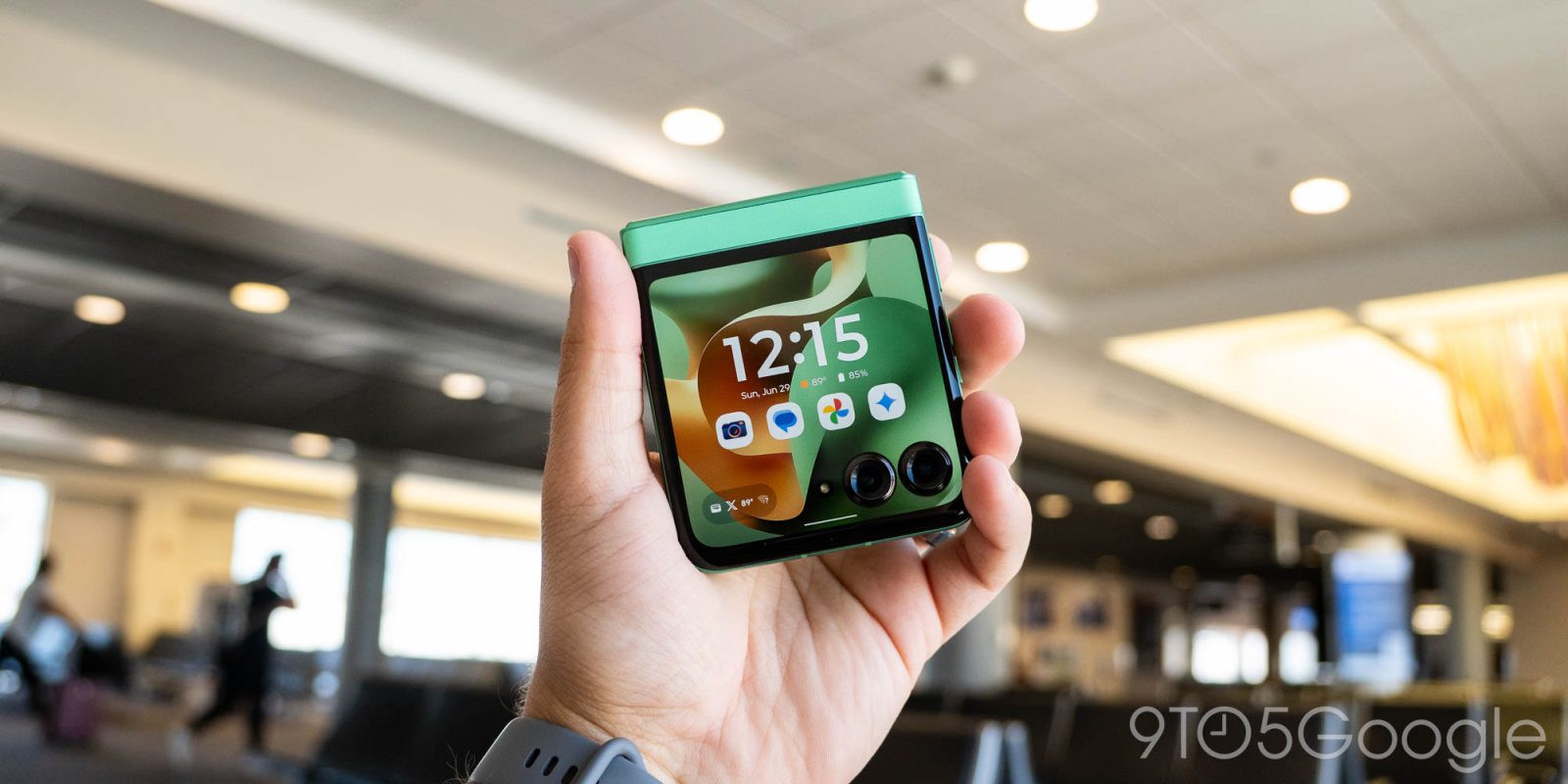
The revival of the Razr as a foldable smartphone in 2019 marked a pivotal moment for Motorola. It was an ambitious attempt to blend heritage with cutting-edge technology, leveraging the nostalgic appeal of the flip phone form factor while integrating a flexible display. The initial iterations faced challenges, including high prices, performance compromises, and durability concerns inherent to early foldable technology. However, Motorola has steadily iterated on the Razr line, improving hinge mechanisms, display durability, battery life, and processing power with each generation.
This continuous refinement demonstrates Motorola’s commitment to the foldable market, viewing it not just as a niche but as a significant future growth area for premium smartphones. Their strategy has often involved offering competitive pricing and distinct design choices to differentiate themselves from Samsung, the dominant player in the foldable space. The introduction of the Razr Fold indicates a diversification of this strategy, moving beyond just the compact flip phone form factor to address the growing demand for larger, more versatile foldable devices that transform from a smartphone to a tablet.
Motorola’s Strategy in a Competitive Foldable Landscape
The foldable smartphone market, though still a relatively small segment of the overall smartphone industry, is experiencing rapid growth and intense competition. Samsung has largely dominated this space since 2019 with its Galaxy Z Flip and Z Fold series, establishing itself as the market leader. Google entered the fray with its Pixel Fold, and Chinese manufacturers like Huawei, Xiaomi, Oppo, and Honor have also launched compelling foldable devices, albeit with limited global availability for some.
Motorola’s strategy appears to be multi-pronged:
- Nostalgia and Design: Leveraging the iconic Razr brand to attract consumers looking for a stylish and distinctive device.
- Competitive Pricing (within its segment): While the 2026 models see price hikes, Motorola often aims to position its devices as slightly more accessible alternatives to Samsung’s top-tier offerings, especially the Razr Fold’s strategy to undercut Samsung.
- User Experience Focus: Emphasizing a clean Android experience, potentially with unique Moto gestures and features optimized for the foldable form factor.
- Portfolio Diversification: Moving beyond just flip phones to include a larger foldable (Razr Fold) caters to a wider range of user preferences and use cases, expanding their addressable market.
The decision to increase prices for the Razr (2026) series, even with modest upgrades for some models, reflects a confidence in their product and brand appeal, alongside the unavoidable cost pressures. For the Razr Ultra (2026), specifically, the strategy of a design refresh with unchanged core specs at a higher price points to a premium positioning where aesthetics and brand experience are expected to carry significant weight for the target demographic.
Market Dynamics and Consumer Impact
These significant price adjustments are likely to have several implications for Motorola’s market position and consumer adoption. On one hand, the higher prices could deter some price-sensitive consumers, potentially slowing down the adoption rate of the new Razr flip phones. In an increasingly crowded smartphone market, value for money remains a critical factor for many buyers.

On the other hand, for the Razr Fold, its strategic pricing at $1,899 could make it an attractive option for consumers seeking a large foldable that offers a premium experience without reaching the $2,000 threshold often associated with Samsung’s top-tier models. This could carve out a crucial niche for Motorola, particularly if the device delivers on performance, durability, and software experience.
The overall trend of increasing smartphone prices, driven by component costs and the desire for higher margins in a saturated market, presents a challenge for all manufacturers. Consumers are becoming more discerning, demanding significant innovation and tangible benefits to justify premium price tags. Motorola’s success with the 2026 Razr lineup and the Razr Fold will largely depend on how well these devices can communicate their value proposition, not just through specifications but through a compelling overall user experience and robust ecosystem.
Analyst Perspectives and Future Outlook
Industry analysts largely concur that the current economic climate makes price stability a luxury rather than a given for smartphone manufacturers. "The semiconductor market volatility has been a persistent headwind for the past few years, and it’s clear that device makers can no longer absorb all these costs without impacting their bottom line," states Jane Doe, a senior analyst at Tech Insights Group. "Motorola’s decision to raise prices, particularly on the Razr Ultra which is primarily a design refresh, indicates a strategic shift towards premium positioning, relying on brand perception and aesthetic appeal rather than solely on groundbreaking specs."
Regarding the Razr Fold, analysts see it as a crucial move for Motorola. "Entering the large foldable segment is a necessary step for Motorola to remain a serious contender in the premium market," explains John Smith, a mobile industry expert at Global Tech Research. "By undercutting Samsung, even slightly, they are signaling their intent to aggressively compete for market share. The success will hinge on the device’s build quality, software optimization, and how effectively Motorola can differentiate its offering from the established players."
The forthcoming launch, with the Razr (2026) series expected to go on sale in the US on May 21, marks a critical period for Motorola. These new devices, particularly the Razr Fold, represent Motorola’s continued commitment to innovation within the foldable space, albeit within a challenging economic landscape that necessitates higher pricing. The market will soon determine whether these strategic adjustments resonate with consumers and solidify Motorola’s position in the evolving world of mobile technology.