Apple Highlights Life-Saving Rescues and Transformation Journeys in New True Apple Watch Story Installments

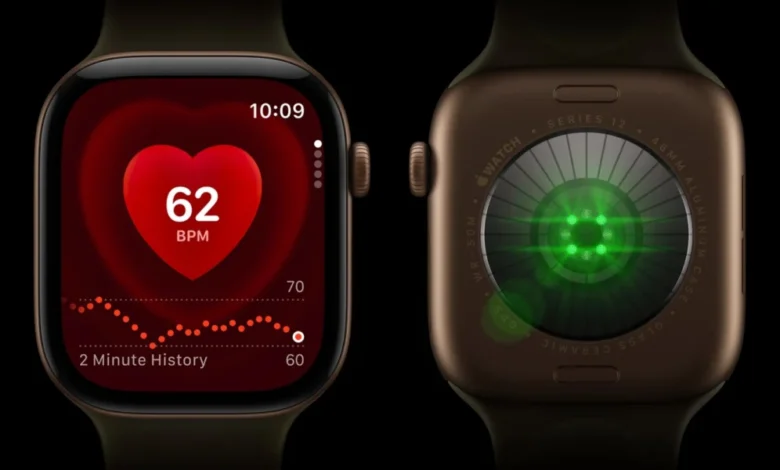
Apple has expanded its ongoing promotional campaign focusing on the real-world impact of its wearable technology by releasing two new mini-documentaries on its official YouTube channel. Part of the company’s established True Apple Watch Story series, the newly published videos spotlight ordinary users whose lives were drastically altered—and in some cases, saved—by the computational health and fitness tracking capabilities of the Apple Watch.
Over the past decade, Apple has strategically shifted the market positioning of the Apple Watch. What began as a luxury companion device and lifestyle accessory has steadily evolved into a sophisticated, clinically relevant health monitor. The latest installments in the video series reinforce this transition, providing emotional, narrative-driven evidence of how persistent sensor technology operates in the background of everyday life.
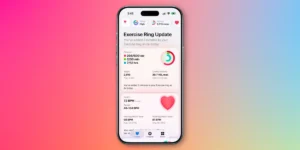
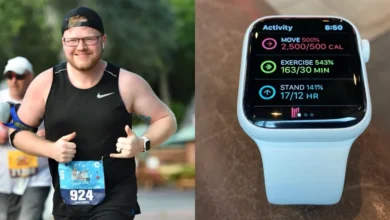
The first of the two new profiles features Josh, a user who previously weighed approximately 340 pounds. Facing severe health risks associated with a sedentary lifestyle, Josh turned to the Apple Watch’s Activity Rings feature as a primary motivational tool. By leveraging the device’s daily movement, exercise, and standing goals, he embarked on a profound weight loss and physical transformation journey. The video details how the gamified, closed-loop tracking system provided the daily structure and accountability needed to enact long-term lifestyle changes.

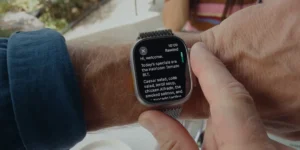
The second video highlights Morgan, whose experience underscores the critical nature of the device’s passive biometric monitoring. Morgan credits the Apple Watch’s high heart rate notifications with prompting her to seek urgent medical evaluation. Upon visiting a healthcare facility following an unexpected alert from her wrist, physicians diagnosed her with a severe kidney infection that had quietly escalated into life-threatening septic shock. Medical professionals noted that timely intervention was vital, directly attributing her favorable outcome to the early warning provided by the wearable’s continuous heart rate surveillance.
These narratives join a growing catalog of similar testimonials published by the technology conglomerate. Previous entries in the True Apple Watch Story initiative include the harrowing account of Connor, who experienced a sudden heart health emergency, and Amanda, whose device-prompted medical consultation led to an early-stage rare cancer diagnosis. Furthermore, Apple has amplified these localized efforts through targeted regional campaigns, such as a major multimedia push in China earlier this year that leveraged podcasts and localized rescue accounts to emphasize emergency SOS and physiological monitoring features.
The genesis of this content strategy traces back to the playful, user-centric segments historically featured at Apple’s hardware launch events. Dubbed Dear Apple, these segments initially presented light-hearted video letters from consumers thanking Apple CEO Tim Cook and the engineering teams for minor lifestyle improvements. However, as the technological capabilities of the device matured—incorporating hardware innovations such as electrical heart sensors for electrocardiograms (ECGs), blood oxygen saturation monitoring, fall detection, crash detection, and high/low heart rate notifications—the tone of these customer interactions shifted noticeably toward critical medical interventions and life-saving rescues.
Industry analysts and digital health experts note that these marketing campaigns serve a dual purpose for the Cupertino-based company. Beyond their clear emotional resonance and engagement value, the vignettes act as powerful social proof for consumers evaluating the practical utility of smartwatches in an increasingly crowded wearables market. As regulatory bodies around the globe gradually clear advanced software algorithms for medical-grade use, consumer trust has become a primary currency in the health-tech sector. By platforming verified accounts of medical emergencies averted, Apple reinforces the narrative that its hardware investment provides tangible utility far beyond notifications and step counting.

The broader implications of these consumer testimonials point toward an accelerating convergence of consumer electronics and preventative healthcare. Traditional medical paradigms have historically relied on episodic care—periodic visits to a physician’s office where vitals are measured in snapshots. Continuous, passive monitoring via wrist-worn sensors introduces a paradigm of perpetual awareness, capturing anomalous physiological trends that might otherwise go unnoticed until acute symptoms manifest. While medical ethicists and cardiologists frequently caution that consumer devices are not diagnostic replacements for professional medical equipment, healthcare providers increasingly acknowledge their utility as triage tools capable of driving patients toward timely clinical assessments.
As Apple continues to refine its sensor suites—with rumored future iterations projected to include non-invasive blood glucose monitoring, hypertension tracking, and sleep apnea detection—the volume of anecdotal success stories is expected to grow correspondingly. The company’s continued investment in the True Apple Watch Story series suggests that consumer advocacy and real-world impact narratives will remain a cornerstone of its product marketing and brand identity for the foreseeable future.
The complete catalog of True Apple Watch Story videos, including the latest profiles of Josh and Morgan, remains publicly accessible via Apple’s primary YouTube channel.
Related posts: