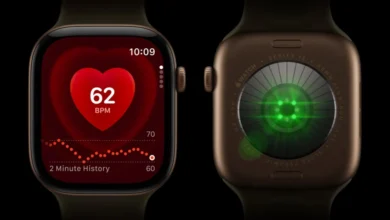
A new report details three subscription tiers for Mares’ upcoming Diving app, and only the priciest one unlocks real dive tools.

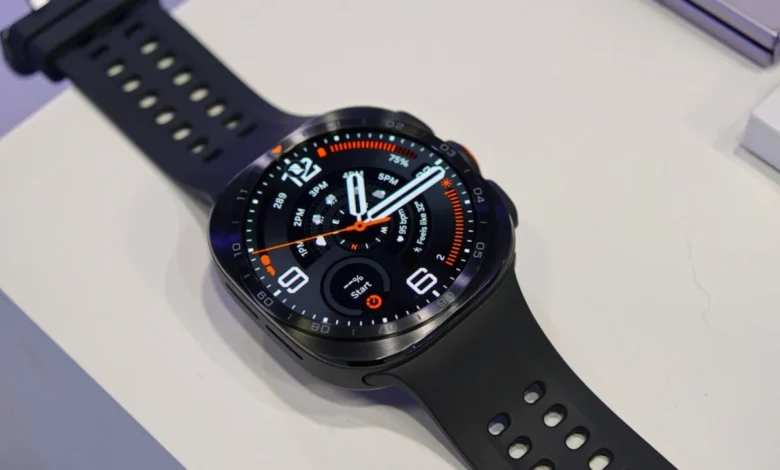
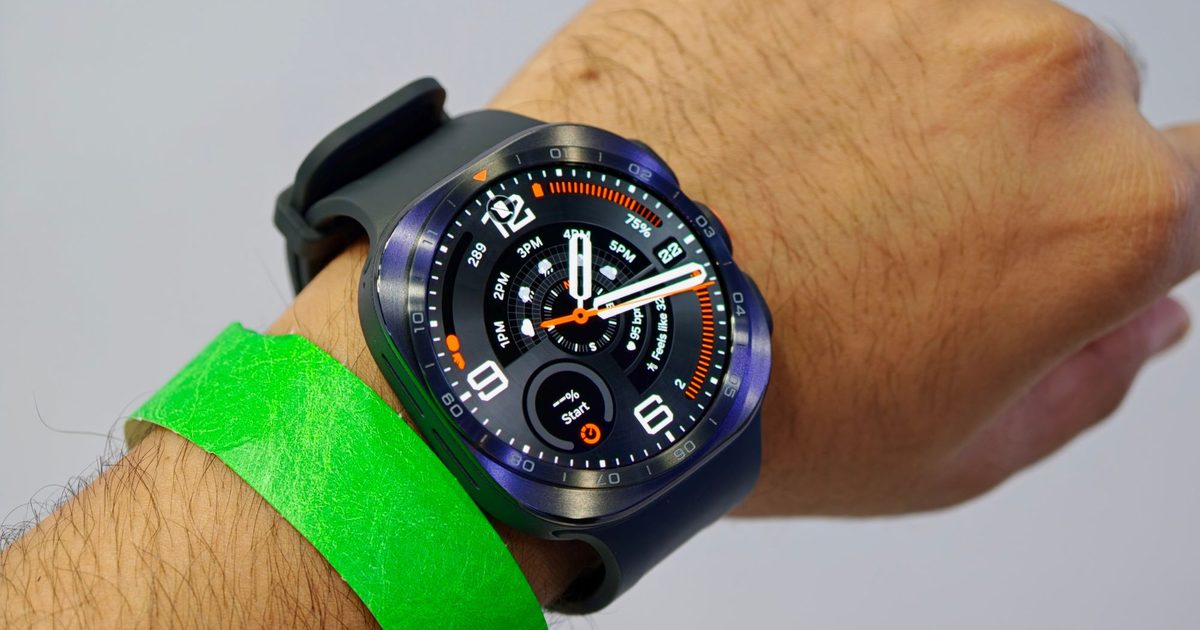
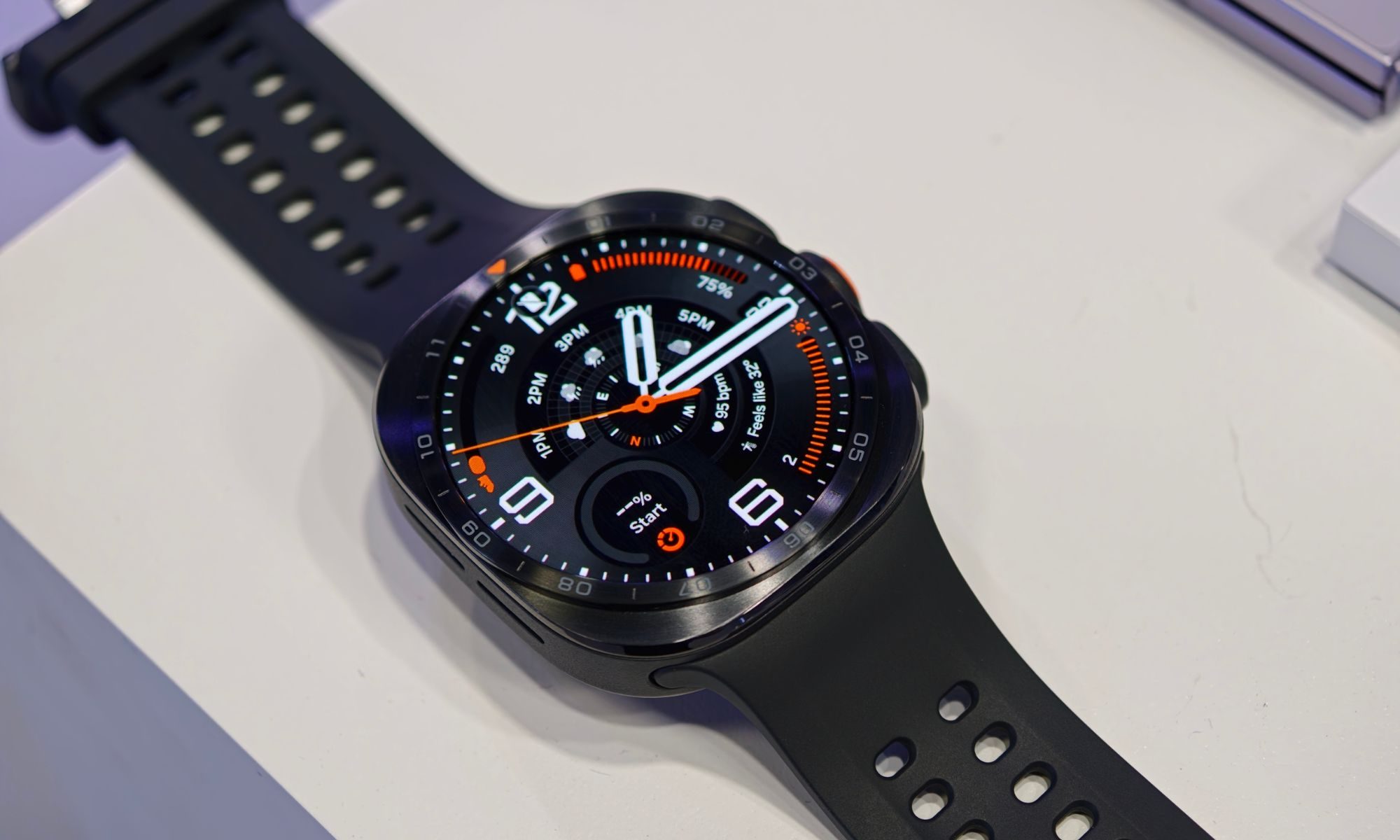
Samsung’s highly anticipated Galaxy Watch Ultra 2, unveiled recently at the Unpacked event in London, has generated significant buzz with its array of enhancements, including a more robust 800mAh battery, a notably brighter display, and the integration of the advanced Snapdragon Wear Elite chip. Among its headline features, Samsung prominently highlighted the smartwatch’s improved diving capabilities, boasting a 10 ATM water resistance rating and an IP69K certification. A key component of this enhanced aquatic functionality is an exclusive partnership with Mares, a renowned name in the diving industry, for a dedicated "Diving app." However, a new report suggests that divers keen on utilizing the Watch Ultra 2 as a comprehensive dive computer may face additional costs, as the app’s most critical features are reportedly locked behind a subscription paywall. This development could prompt potential buyers to re-evaluate their purchase decision, especially if the advanced diving functionalities were a primary motivator.
The Galaxy Watch Ultra 2: A Deep Dive into Specifications
Launched as Samsung’s direct competitor to the premium smartwatch market, particularly the Apple Watch Ultra, the Galaxy Watch Ultra 2 aims to carve out its niche by combining rugged durability with cutting-edge technology. Beyond the increased battery capacity and brighter display, which improve usability in various conditions, the Snapdragon Wear Elite chip promises enhanced performance and efficiency, potentially enabling more sophisticated on-device processing for health and fitness metrics, including complex diving calculations.
The device’s water resistance is a critical factor for its diving aspirations. A 10 ATM (atmospheres) rating indicates that the watch can withstand pressures equivalent to a depth of 100 meters, making it suitable for recreational scuba diving, snorkeling, and high-speed water sports. The IP69K certification, an even more stringent standard than typical IP ratings, signifies protection against high-pressure, high-temperature jet sprays and dust, further reinforcing its rugged credentials. This combination positions the Watch Ultra 2 as a robust wearable, capable of enduring demanding aquatic environments. The design itself, often featuring a titanium casing and sapphire crystal display, underscores its premium and durable construction, essential for a device intended for extreme sports.
Mares Partnership and the Diving App: Unpacking the Tiers
Mares, a company with a rich history dating back to 1949, is a globally recognized manufacturer of diving equipment, ranging from masks and fins to regulators and dive computers. Their expertise in underwater technology lends credibility to the partnership with Samsung, suggesting a commitment to developing a truly capable diving application. The announcement of an exclusive Mares Diving app for the Galaxy Watch Ultra 2 was therefore met with anticipation by the diving community.
However, a recent report from Android Authority, citing sources close to the development, outlines a tiered subscription model for the Mares Diving app, which is expected to roll out later this year. This model proposes three distinct access levels, with only the highest tier offering the full suite of tools that experienced divers typically rely on.
-
Free Tier: This base level is described as offering "bare-bones basics." It would include essential metrics such as current depth, total dive time, and an ascent rate alarm. While these features are sufficient for shallow swimming or basic snorkeling, they fall significantly short of the requirements for safe and effective scuba diving. For instance, without decompression tracking or gas management, this tier provides minimal utility for anything beyond casual underwater exploration. The implication is that despite the Watch Ultra 2’s robust hardware, its advertised diving capabilities are severely limited out-of-the-box in the software domain.
-
Mid-Tier Subscription: Reportedly priced around $2.99 per month, this tier is expected to add features like GPS route tracking, a digital compass, and heart rate monitoring. While these additions enhance the user experience for activities like freediving, advanced snorkeling, or even surface navigation, they still do not address the core needs of a scuba diver. GPS tracking is only functional on the surface, and a basic compass, while useful, is a standard feature on many smartwatches. The absence of crucial dive-specific calculations at this level reinforces the notion that this tier targets casual water enthusiasts rather than certified divers.
-
Top-Tier Subscription: This is the tier where the Mares Diving app purportedly unlocks its "real dive tools." Rumored to cost $7.99 per month or $59.99 annually, this premium subscription is said to include nitrox support, a choice of decompression algorithms, safety stop alerts, and potentially other advanced features like surface interval tracking and dive log management.
- Nitrox Support: Nitrox, or enriched air nitrox, is a breathing gas with a higher oxygen concentration and lower nitrogen concentration than standard air. It allows for longer bottom times and shorter surface intervals by reducing nitrogen absorption. Proper nitrox support in a dive computer is critical for calculating no-decompression limits and managing oxygen exposure.
- Decompression Algorithms: These are complex mathematical models that calculate nitrogen absorption and release in a diver’s body, determining safe ascent profiles and no-decompression limits. Different algorithms (e.g., Buhlmann, RGBM) exist, and offering a choice caters to various diving practices and personal preferences. This is arguably the most fundamental feature of any professional dive computer.
- Safety Stop Alerts: A safety stop is a mandatory or recommended pause during ascent (typically for 3-5 minutes at 5 meters/15 feet) to allow for additional nitrogen off-gassing, further reducing the risk of decompression sickness. An alert system for this is a standard safety feature.
The inclusion of these features in the highest tier highlights their importance for certified divers, making the premium subscription effectively mandatory for anyone intending to use the Galaxy Watch Ultra 2 as a primary dive computer.
The Business of Diving: Comparing Mares’ Offerings
Mares already offers a similar diving application for the Apple Watch Ultra, a direct rival to Samsung’s new wearable. On watchOS, the Mares app provides full access for $8.99 per month or $69.99 per year, with an additional family plan option at $119.99 annually. If the leaked pricing for the Galaxy Watch Ultra 2 holds true, Samsung users would potentially pay slightly less for comparable access. This pricing strategy suggests a competitive positioning against Apple’s ecosystem, possibly aiming to attract users with a marginally lower cost of entry for advanced features.
It’s also crucial to compare this model to Apple’s own strategy with the Apple Watch Ultra and its Oceanic+ app. While the Apple Watch Ultra provides basic water metrics out of the box, the full Oceanic+ dive computer functionality, developed in partnership with Huish Outdoors (which owns Oceanic, a prominent dive brand), also requires a subscription, priced at $9.99 per month or $79.99 per year. This demonstrates a clear trend among premium smartwatch manufacturers to partner with established dive brands and monetize advanced, safety-critical features through subscription services.

Dedicated dive computers, which have been a staple for divers for decades, typically range in price from $300 for basic models to over $1,500 for advanced technical diving computers. These devices offer features like multi-gas support, air integration, compasses, and sophisticated algorithms, all included in the upfront purchase price. The emergence of smartwatches with dive computer capabilities, requiring ongoing subscriptions, presents a new paradigm. While the initial cost of a smartwatch like the Galaxy Watch Ultra 2 ($699.99) is competitive with mid-range dive computers, the recurring subscription fees could accumulate over time, potentially exceeding the cost of a standalone dive computer for long-term users. For a diver making 20-30 dives a year, an annual subscription of $59.99 means an additional cost over the lifespan of the device, which could be 3-5 years or more.
Industry Context: The Rise of Subscription Models in Hardware
The practice of attaching subscriptions to hardware features is not new, but its proliferation into high-end consumer electronics, particularly those marketed with specific "pro" or "ultra" capabilities, is a growing trend. From automotive features like heated seats requiring a subscription to software services bundled with smart home devices, companies are increasingly shifting towards recurring revenue models.
This strategy offers several benefits to manufacturers:
- Predictable Revenue Streams: Subscriptions provide a steady and predictable income stream, which can be more stable than one-off hardware sales.
- Continuous Development: The recurring revenue can fund ongoing development, maintenance, and updates for the software features, ensuring the app remains current and functional.
- Customer Lock-in: Subscriptions create a stronger ecosystem, encouraging users to remain loyal to a brand or platform to maintain access to their paid features.
- Differentiated Offerings: It allows companies to offer a base product at a certain price point while enabling users to unlock more advanced functionalities based on their needs and willingness to pay.
However, this approach often faces consumer backlash, especially when core functionalities, or features that users perceive as inherently part of the hardware’s capability, are paywalled. For a device marketed around its diving prowess, restricting essential dive computer functions behind a subscription can feel disingenuous to consumers who have already invested a significant amount in the hardware itself. The perception is that a $699.99 smartwatch should offer its advertised capabilities without further financial commitments for basic operational use.

Implications for Consumers and the Dive Community
The potential implementation of a multi-tiered subscription model for the Mares Diving app carries several implications for both general consumers and the specialized diving community.
For Consumers:
- Value Proposition: The perceived value of the Galaxy Watch Ultra 2’s diving features is diminished if only superficial functionalities are available for free. A consumer buying a "Watch Ultra" with "improved diving capabilities" might reasonably expect a fully functional dive computer without additional costs. The marketing of a device with "diving certification" becomes more of a selling point for the hardware’s resilience than an actual promise of immediate, comprehensive utility.
- Hidden Costs: The subscription model introduces hidden, ongoing costs that might not be immediately apparent at the point of purchase. This can lead to frustration and a sense of being nickel-and-dimed.
- Decision-Making: Prospective buyers will need to carefully consider their actual use case. For casual swimmers, the free tier might suffice. For serious divers, the additional annual cost of the premium tier must be factored into the total cost of ownership, potentially making dedicated dive computers or competitor smartwatches with different subscription structures more appealing.
For the Dive Community:
- Safety Concerns: While smartwatches offer convenience, professional divers prioritize safety and reliability. Gating critical safety features like decompression algorithms and nitrox support behind a paywall raises questions about the commitment to diver safety. A diver might be tempted to use the free or mid-tier for a dive beyond its intended scope, potentially compromising safety. Dive organizations emphasize that divers should only use equipment they are fully trained on and understand, and that includes understanding the limitations of their dive computers.
- Trust and Reliability: The diving community often relies on robust, purpose-built equipment. Introducing a subscription model for core functions on a general-purpose smartwatch might erode trust among seasoned divers who view such features as non-negotiable for safety.
- Training and Certification: Dive certifications require an understanding of dive planning and decompression theory. Using a device that only partially supports these functions, or requires an ongoing payment for full support, adds a layer of complexity for instructors and students alike.
The Future of Wearable Diving Technology
The trend of smartwatches integrating advanced diving capabilities, often in collaboration with established dive brands, signifies a convergence of consumer electronics and specialized sporting equipment. This offers the potential for more accessible, multi-functional devices for a broader audience. However, the commercial strategies employed, particularly the use of subscription models for core features, will be critical in determining their long-term success and acceptance within the respective communities.

As technology advances, smartwatches are increasingly capable of handling complex computations and sensor data required for diving. The convenience of having a device that doubles as a daily wearable and a dive computer is undeniably attractive. However, for these devices to truly replace dedicated dive computers, they must not only meet the technical requirements but also align with the safety, reliability, and value expectations of the diving community. The transparency of pricing and the accessibility of essential safety features will likely dictate whether smartwatches like the Galaxy Watch Ultra 2 become truly indispensable tools for divers or remain niche products with limited appeal to serious underwater explorers.
Samsung and Mares still have an opportunity to adjust their pricing and feature distribution before the app’s official launch later this year. How they ultimately structure these tiers will send a strong message about their commitment to both technological innovation and user-centric value in the burgeoning field of wearable diving technology.