Beyond the Commercial Lens: How Photographer Joshua Lawrence Rediscovered the Soul of Humanity Through Street Documentation


The contemporary photography landscape finds itself at a profound crossroads, caught between the relentless demands of social media algorithmic visibility and the disruptive rise of generative artificial intelligence. In an era where digital content creation is increasingly commodified into a race for transient attention spans, a retrospective look at the archives of photography journalism offers a vital counter-narrative. Examining the artistic journey of commercial and fashion photographer Joshua Lawrence provides a compelling case study on the enduring necessity of creating imagery purely for personal resonance, raw human connection, and authentic visual documentation.
The Dichotomy of Modern Commercial Photography and Personal Practice
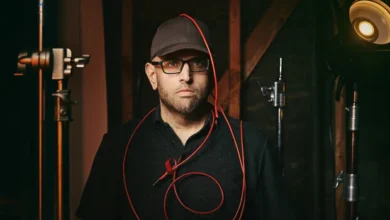
For many contemporary visual artists, earning a livelihood requires navigating the rigorous and often uninspired demands of commercial and fashion assignments. Joshua Lawrence’s career encapsulates this dichotomy. By day, Lawrence operated within the structured, high-pressure environment of commercial photography studios, producing polished imagery tailored to corporate specifications. Yet, beneath the veneer of professional success lay a deep creative fatigue.
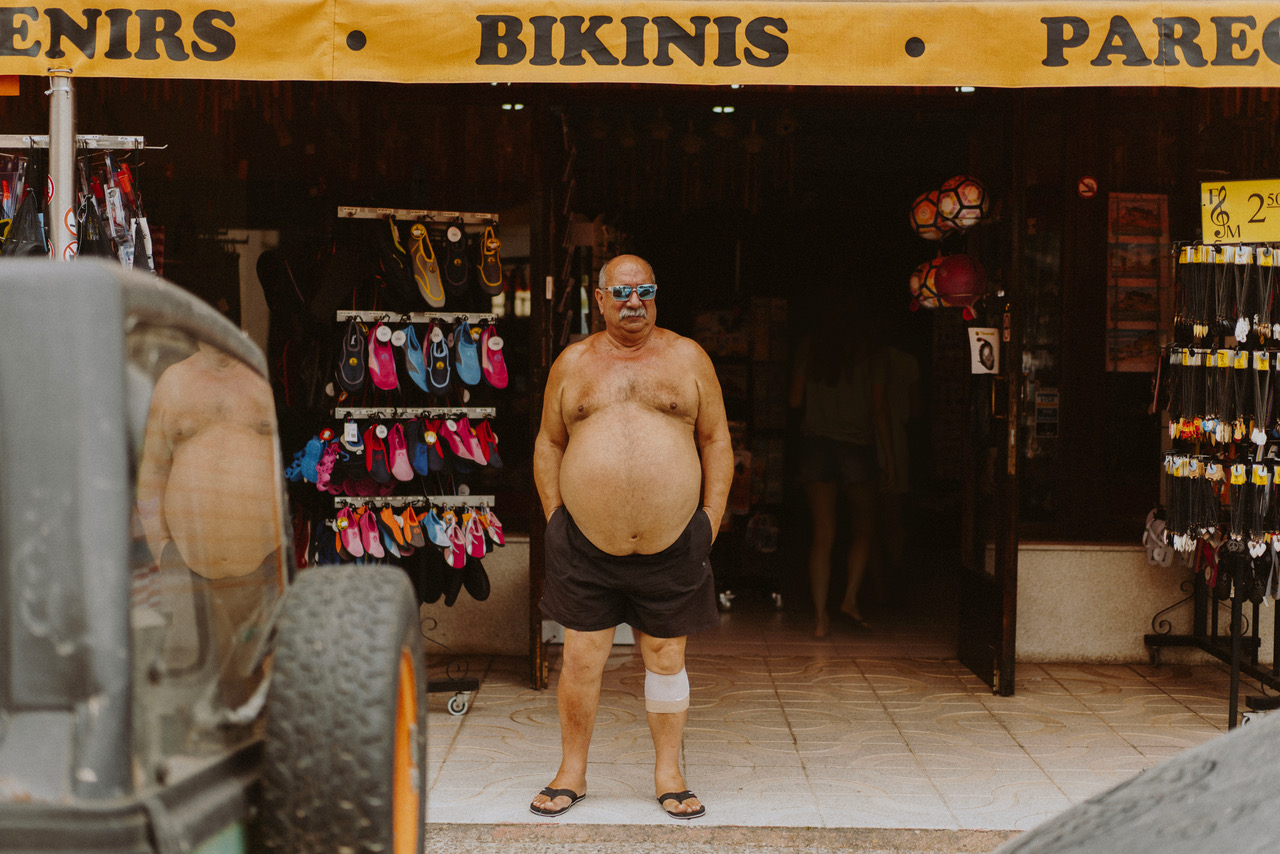
Lawrence has candidly described the commercial sphere as lacking the intrinsic vitality he craved, prompting him to channel his genuine artistic impulses into street and documentary photography during his personal time. This bifurcation in his output highlights a broader psychological tension experienced by modern visual creators: the separation of work executed for economic survival from work pursued for psychological and emotional sustenance. For Lawrence, turning the camera toward the mundane realities of everyday street life served as a coping mechanism—a way to elevate the ordinary into the extraordinary and make sense of the world around him.
Formative Years and the Evolution of a Visual Voice
Lawrence’s path to photography began during his adolescence, roughly around the ages of 16 and 17. Facing challenges within traditional academic environments and finding conventional learning methods difficult to navigate, he sought an alternative medium through which to articulate his perspective. Initially drawn to the idea of painting realistic imagery, he recognized a discrepancy between his technical execution and his creative ambitions, leading him to transition toward the camera.
Photography provided him with an immediate sense of direction, purpose, and validation. In a period of life marked by the uncertainties of youth and educational struggles, mastering a craft and witnessing the immediate emotional impact of his captures proved transformative. This early engagement laid the groundwork for a lifelong dedication to visual storytelling, rooted not in academic theory, but in visceral, immediate experience.
Methodologies of the Street: Intuition Over Calculation
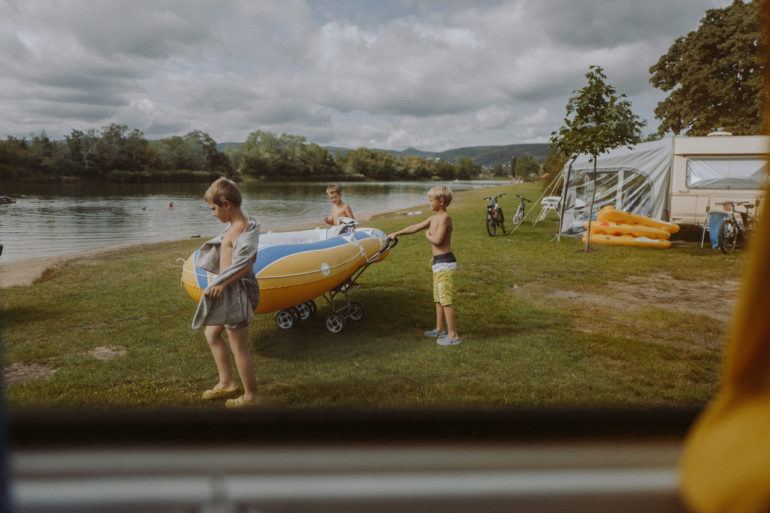
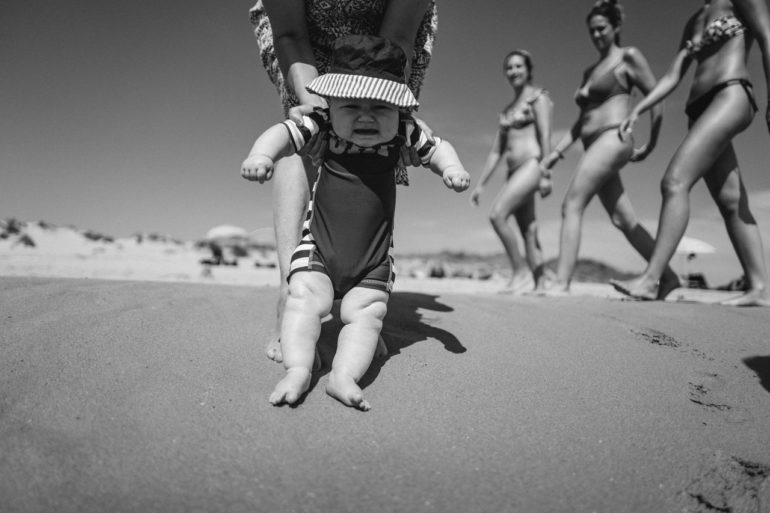
Unlike landscape or architectural photographers who frequently scout locations, deploy tripods, and meticulously manipulate lighting setups over extended periods, Lawrence’s approach to street documentation is defined by perpetual motion and spontaneity. His methodology relies on intuition rather than exhaustive scene management.
Carrying a compact setup—predominantly a full-frame Leica Q—Lawrence integrates photography into his daily routine, often shooting while walking his dog. His philosophy rejects the practice of lingering in a single location to exhaust a scene. Instead, he maintains a fluid physical presence, allowing subjects, color palettes, and geometric compositions to intercept him. The psychological trigger is immediate: his brain registers a compelling visual stimulus, and his physical reflexes command the shutter.
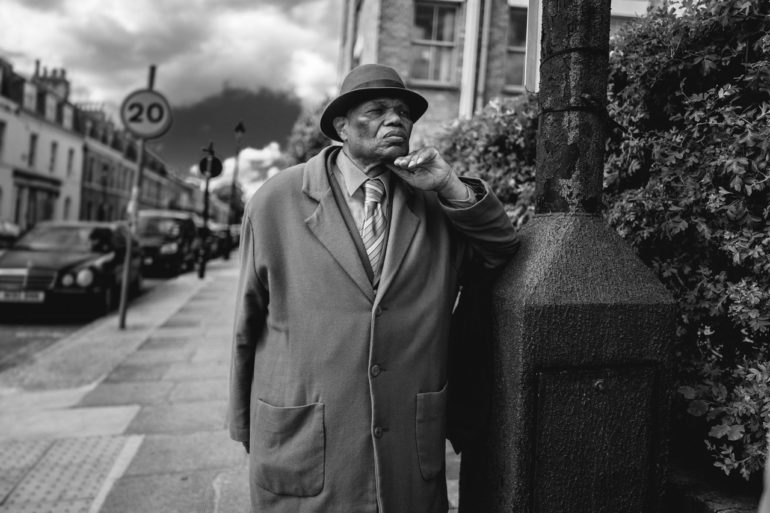
This decisive-moment approach ensures that the resulting frames retain a raw immediacy. Lawrence operates on the premise that dwelling on a scene dilutes its authenticity, as the transient energy of a genuine human interaction dissipates the second after the shutter mechanism clicks.
Technical Philosophy and Post-Processing Restraint
In the realm of digital post-production, where manipulation tools and preset filters often dominate contemporary aesthetics, Lawrence advocates for rigorous restraint. His technical workflow begins in the field, where he frequently configures his camera’s electronic viewfinder to monochrome. This tactical choice allows him to evaluate tonal range and lighting dynamics without the distraction of color during the capture phase.
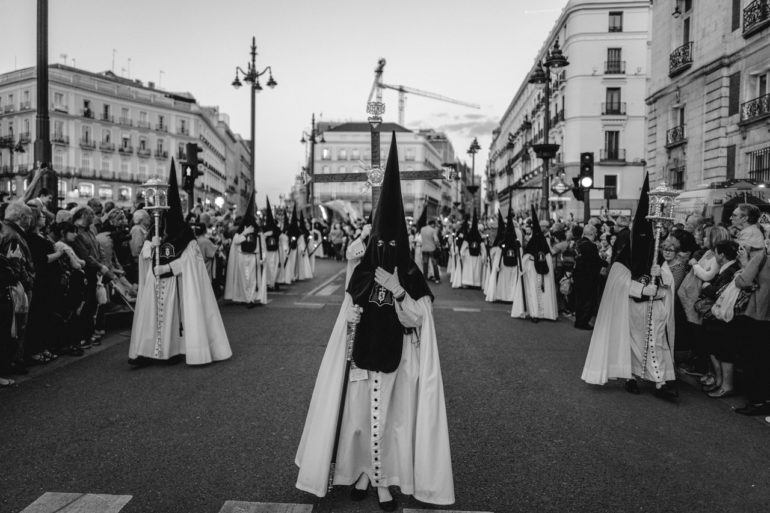
Upon returning to his studio, Lawrence imports the RAW files into color on a primary display, treating color not as an arbitrary decoration, but as a vehicle for emotion. His editing philosophy is strictly governed by fidelity to his initial psychological state at the moment of capture. Any adjustment that exaggerates the scene beyond the felt emotion is viewed as overdone, while under-processing risks failing to honor the integrity of the captured moment.
This minimalist post-processing ethos aligns him with documentary traditions that prioritize truth over fabrication. It stands in sharp contrast to the hyper-processed imagery frequently incentivized by social media algorithms, which reward visual saturation and algorithmic compliance over narrative depth.
The Influence of the Masters
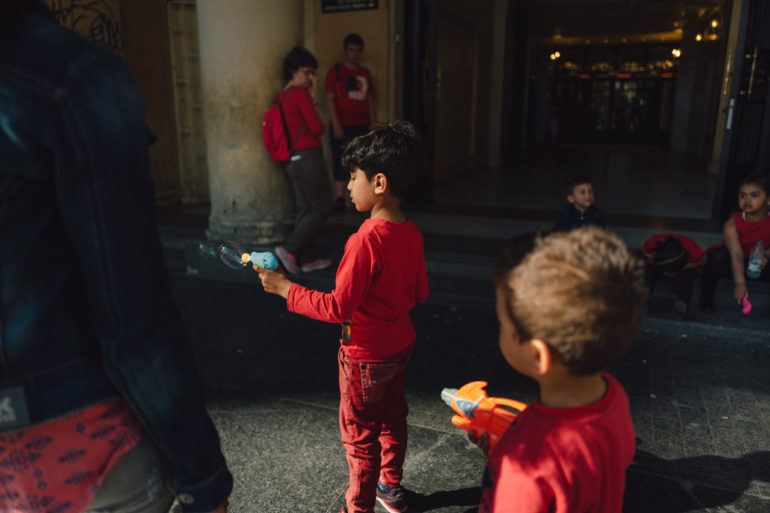
Lawrence’s visual vocabulary does not emerge in a vacuum. He readily acknowledges the profound influence of several foundational figures in twentieth and twenty-first-century photography:
- Jamie Hawkesworth, whose mastery of color and delicate emotional resonance informs Lawrence’s own appreciation for nuanced palettes and human vulnerability.
- William Eggleston, a pioneer who validated the artistic merit of everyday American life through color photography, teaching Lawrence the art of noticing ephemeral moments in mundane environments.
- Alex Webb, whose complex, layered compositions and dynamic use of light and shadow guide Lawrence’s spatial awareness on the street.
These influences collectively anchor Lawrence’s work within a lineage of street photography that elevates the documentary genre into high art, bridging the gap between photojournalism and fine art.
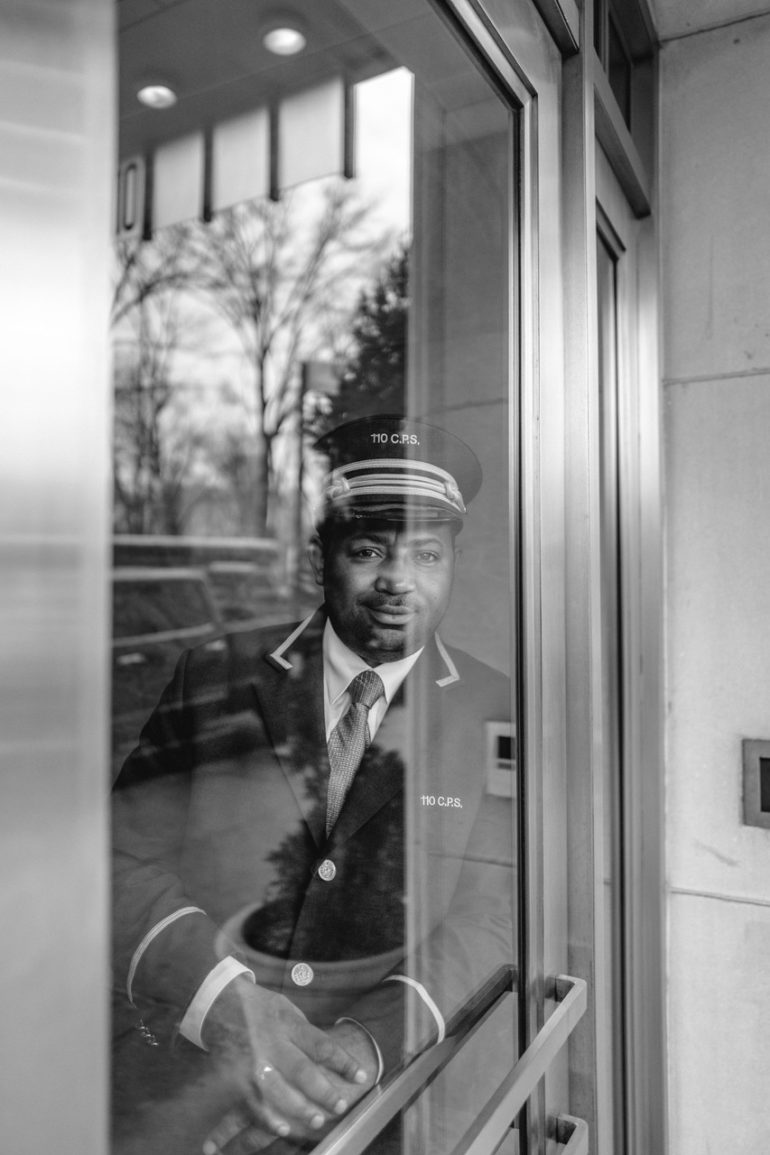
Equipment and the Pursuit of Full-Frame Fidelity
The evolution of Lawrence’s gear reflects his uncompromising pursuit of optical quality. Having previously utilized compact systems such as the Fujifilm X100 series, he experienced a persistent creative tension. While appreciating the portability of APS-C sensors, he consistently missed the optical characteristics, depth-of-field control, and dynamic range inherent to full-frame imaging systems, particularly when shooting with wide apertures.
The eventual acquisition of the Leica Q represented a critical turning point in his artistic output. By combining a fixed, premium 28mm full-frame lens with a compact body designed for discreet street use, the camera removed the friction between his creative impulse and his technical execution. Lawrence notes that the usability and optical brilliance of the device directly correlated with a tenfold increase in his photographic output, underscoring the vital relationship between an artist and their instrument.
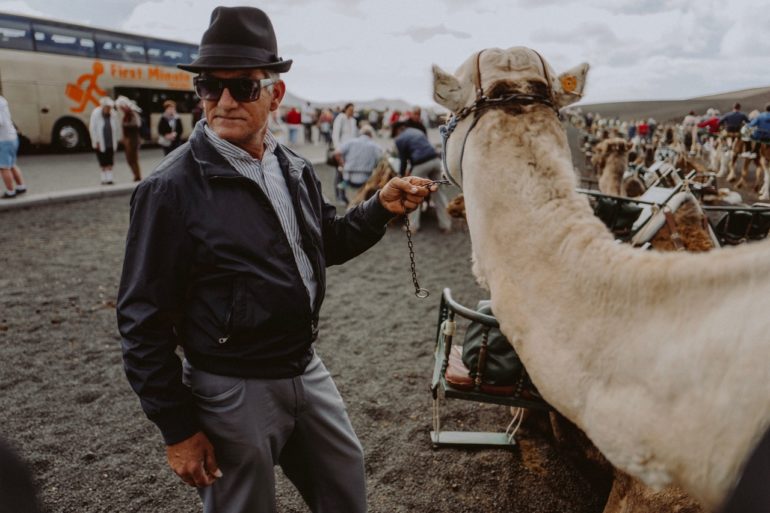
The Broader Implications in the Age of Generative AI
As Lawrence’s retrospective archive is re-examined today, the implications extend far beyond the personal reflections of a single street photographer. The broader photographic community faces an unprecedented existential challenge driven by the proliferation of Generative AI models capable of synthesizing hyper-realistic imagery from text prompts.
In an environment where synthetic media can effortlessly simulate technical perfection, the unique value of human documentary photography is undergoing a radical re-evaluation. Algorithms can generate complex compositions, simulate cinematic lighting, and mimic specific artistic styles, but they fundamentally lack lived experience, consciousness, and physical presence in the tangible world. They cannot walk a dog down a city street, feel the crispness of morning light, or experience the empathy required to connect with a fellow human being in a fleeting moment of vulnerability.

Photographers like Joshua Lawrence represent an essential defense of physical reality. By prioritizing documentation over manufactured content creation, they anchor the medium in shared human experiences. Their work serves as a reminder that the enduring power of photography lies not in its technical polish or algorithmic optimization, but in its capacity to bear witness to existence.
Conclusion
Joshua Lawrence’s transition from a fatigued commercial worker to a dedicated documentary photographer of humanity illustrates a universal truth within the arts: true creative fulfillment often resides outside the boundaries of commercial utility and digital metrics. By rejecting the superficial pressures of online content creation in favor of authentic, personal observation, Lawrence has cultivated a body of work that continues to resonate.
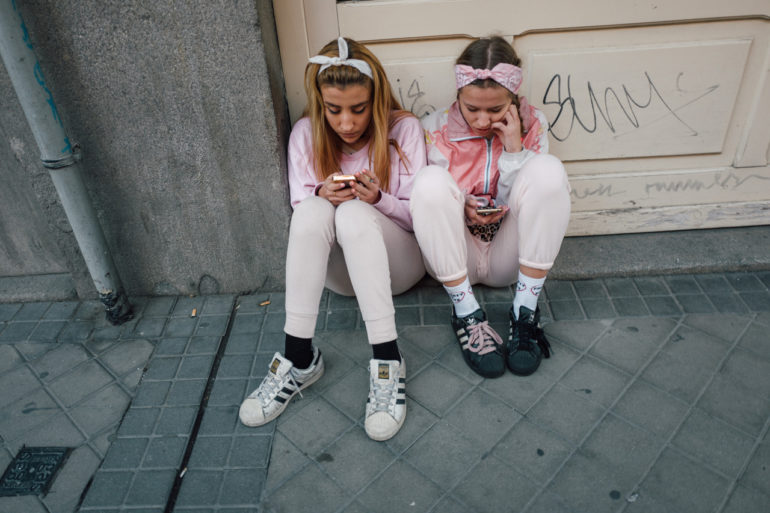
As the photographic community navigates the uncertainties of an automated future, the ethos of street practitioners who shoot purely for the love of humanity remains a vital compass. It challenges both emerging and established creators to step away from the glowing screen, immerse themselves in the physical world, and capture the extraordinary poetry hidden within ordinary life.