Qidi Q2 3D Printer Review: A Masterclass in Reliability and Workshop-Ready Performance

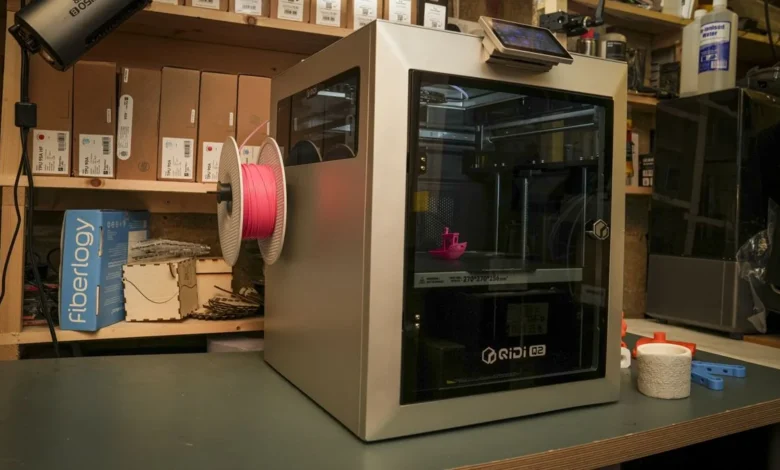
The modern 3D printing landscape is heavily saturated with companies chasing headline-grabbing speeds, multi-material automatic changers, and flashy aesthetic overhauls. Amidst a wave of rapid consumer-facing innovation led by brands like Bambu Lab, Creality, and AnyCubic, manufacturers that prioritize fundamental engineering often risk fading into the background. Yet, following an exhaustive, six-month evaluation period in both professional workshop and educational environments, the Qidi Q2 3D printer demonstrates that unwavering operational consistency often outweighs fleeting novelty.
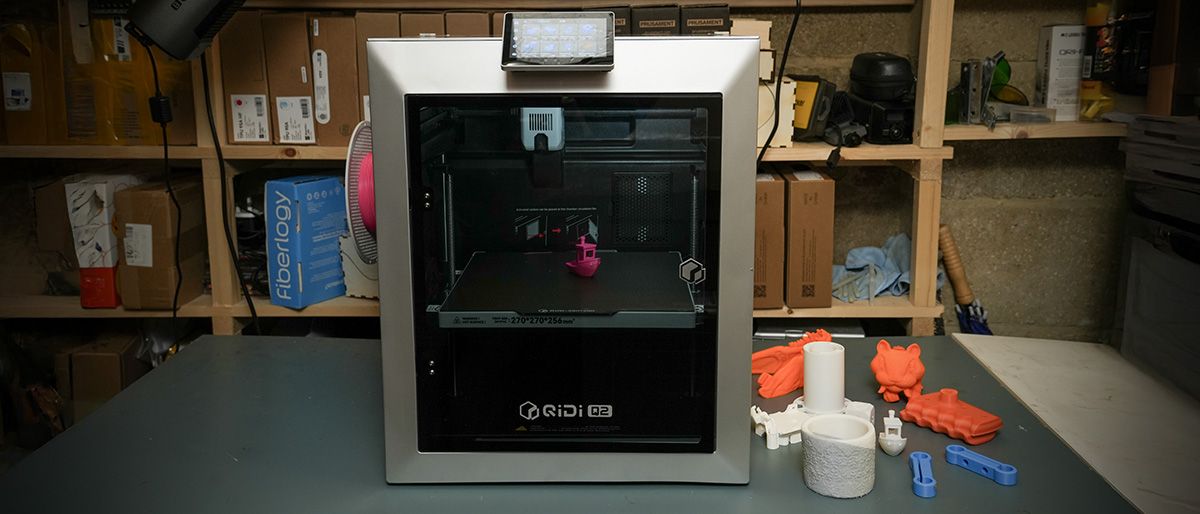
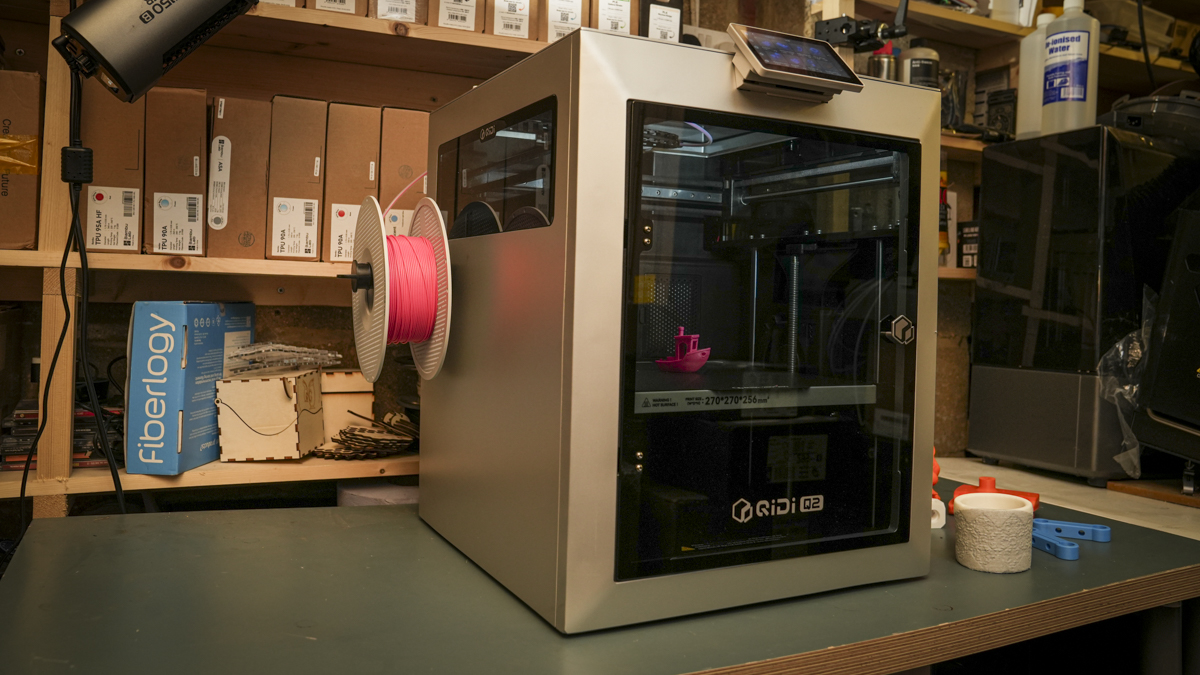
Designed with a utilitarian, workshop-first aesthetic rather than a futuristic consumer facade, the Qidi Q2 builds upon the architectural philosophy seen in previous iterations like the Qidi Plus4, scaling down the footprint to better suit compact studios and classrooms. Weighing 18.1kg and measuring 402 x 438 x 494mm, the Q2 strikes a pragmatic balance between structural heft and spatial economy, delivering a generous build volume of 270 x 270 x 256mm without demanding backbreaking labor to reposition around a facility.
Architectural Framework and Core Specifications
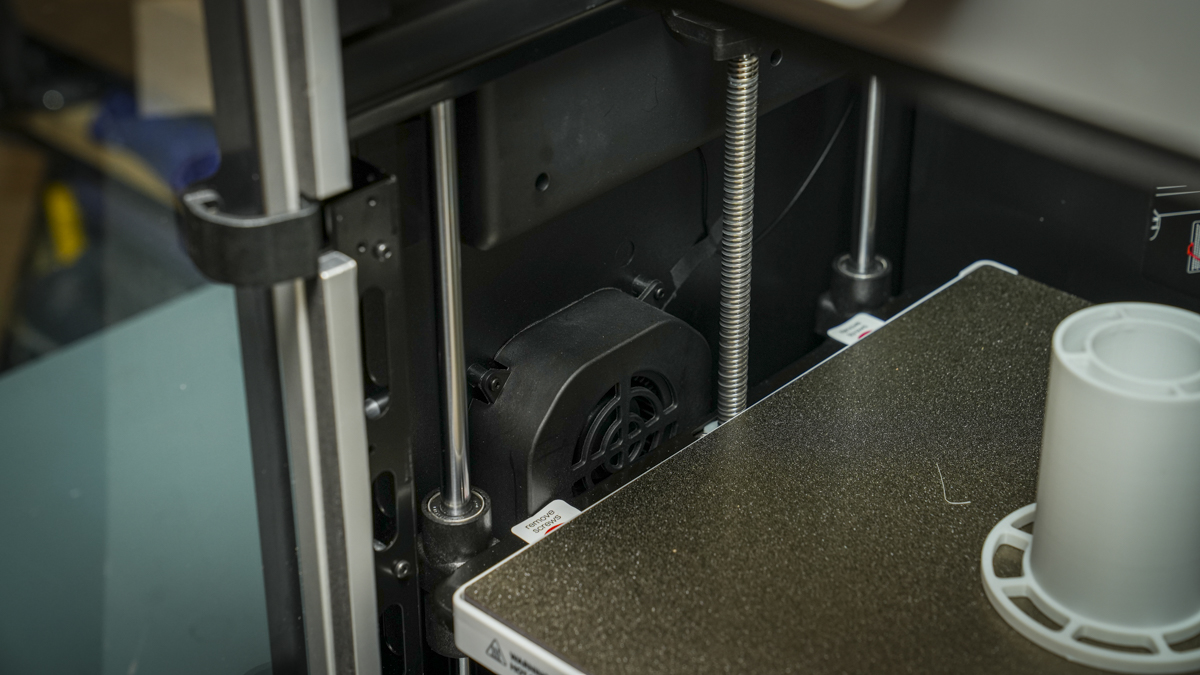
Beneath its industrial exterior, the Qidi Q2 employs a robust CoreXY motion system housed within a fully enclosed, full-metal frame. The mechanical configuration utilizes heavier-weight 1.5GT belts alongside linear guide rods on the X-axis, paired with dual independent lead-screw motors controlling the Z-axis. This combination provides a rigid foundation capable of supporting a maximum toolhead speed of 600mm/s and acceleration rates reaching up to 20,000mm/s².
While contemporary machines frequently tout maximum velocity figures eclipsing 1,000mm/s, the Qidi Q2 deliberately prioritizes steady, vibration-damped execution over raw speed metrics. The structural integrity is further complemented by a heated aluminum-substrate print bed topped with a dual-sided textured PEI plate, capable of reaching temperatures up to 120°C.
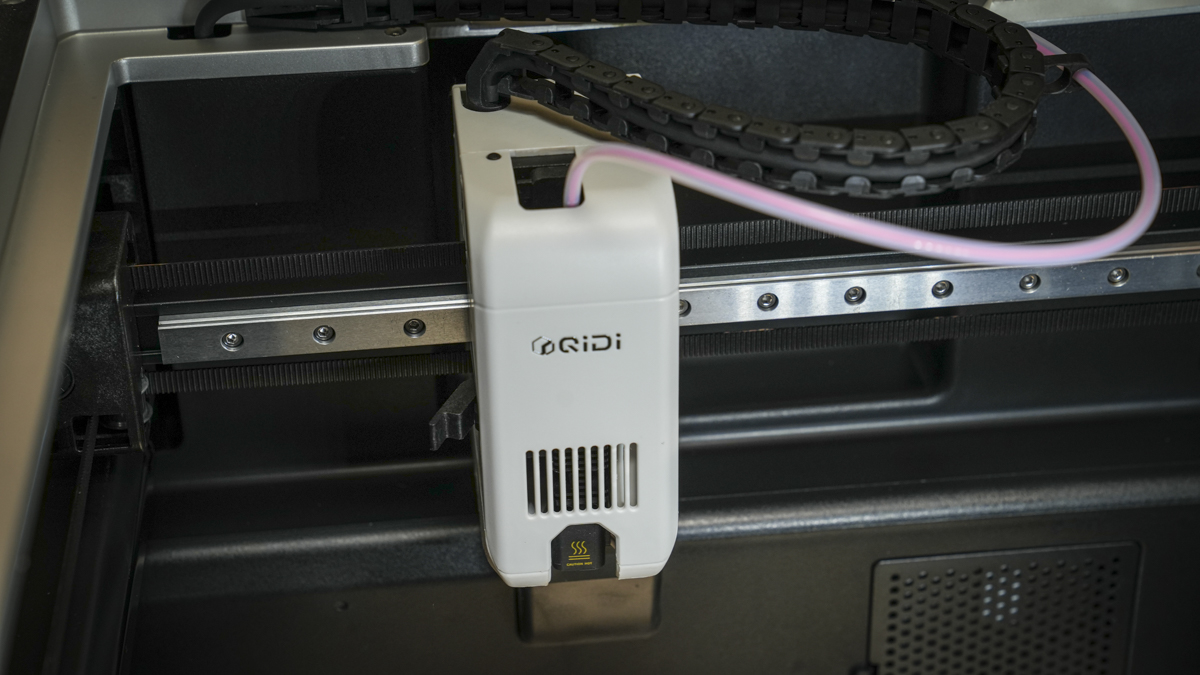
Out of the box, the printer is equipped with a 0.4mm bimetal nozzle capable of hitting an impressive maximum temperature of 370°C. This high-thermal threshold, combined with hardened-steel direct-drive extrusion gears, positions the machine to comfortably handle abrasive and advanced engineering polymers from day one. Interchangeable nozzle options ranging from 0.2mm to 0.8mm are available, alongside an optional Tungsten Carbide upgrade for users printing heavily with carbon- or glass-fibre reinforced filaments on a regular basis.
Material Compatibility and Environmental Control
The Qidi Q2’s fully enclosed chassis serves a dual purpose: safeguarding users from high-temperature components and maintaining optimal thermal conditions for challenging thermoplastics. Equipped with an active PTC chamber heating system capable of elevating internal temperatures to 65°C, the machine effectively minimizes warping and layer separation when processing materials such as ABS, ASA, PA (nylon), and PC (polycarbonate), alongside standard consumer filaments like PLA, PETG, and TPU.
To address the safety and air quality concerns inherent to processing engineering polymers in enclosed spaces—particularly within educational institutions—Qidi has integrated a multi-stage filtration assembly. The system incorporates a G3 pre-filter, an H12 HEPA filter, and a coconut-shell activated-carbon filter. This filtration matrix successfully captures ultrafine particles and mitigates volatile organic compound (VOC) fumes generated during high-temperature extrusion, making the unit significantly safer for deployment in confined classrooms and shared design studios.
Setup, Calibration, and Software Integration
Ease of use is a critical metric for hardware deployed in professional and academic settings, where prolonged diagnostic troubleshooting disrupts productivity. The Qidi Q2 addresses this through a hands-free automatic bed-leveling system that utilizes a load-cell sensor integrated directly into the hotend. By employing the nozzle itself during the probing sequence, the machine eliminates calibration offsets, ensuring repeatable first-layer adhesion without manual intervention.
During the six-month testing phase, the initial calibration profile remained remarkably stable, requiring no manual fine-tuning even after weeks of dormancy. User interaction is managed via a responsive 4.3-inch touchscreen interface (480 x 272 resolution) coupled with comprehensive connectivity options including 2.4GHz Wi-Fi, Ethernet, and USB ports.
For slicing workflows, the printer ships with Qidi Studio—a heavily refined derivative of the open-source PrusaSlicer and OrcaSlicer frameworks. The software provides clean, pre-tested default profiles tailored to both proprietary and third-party filaments. Selecting the material type within the software automatically configures the appropriate thermal and volumetric parameters, streamlining the transition from digital model to physical output.
Furthermore, the Q2 features an integrated 1080p AI-enhanced camera. Beyond enabling remote monitoring and time-lapse photography, the camera actively scans for common print defects, providing an automated safeguard against catastrophic print failures during unattended overnight runs.
Benchmark Performance and Print Quality Analysis
Quantitative evaluation via standardized calibration models underscores the precision of the Qidi Q2’s motion and extrusion systems. Across a rigorous suite of diagnostic prints, the machine yielded exceptional results:
- Dimensional Accuracy: Score of 4/5 (Average X-axis error: 0.11mm; Average Y-axis error: 0.146mm)
- Fine Flow Control: Score of 5/5
- Fine Negative Features: Score of 5/5
- Overhang Performance: Score of 5/5
- Bridging Capability: Score of 5/5
- XY Resonance: Score of 2.5/5
- Z-Axis Alignment: Score of 2.5/5
Accumulating a total score of 29 out of 30 in standardized benchmark testing, the Q2 demonstrates high fidelity, particularly in geometric reproduction, bridging, and overhang management. Dimensional variances remained exceptionally minor, ensuring that functional mechanical prototypes assembled post-print fit together with minimal tolerance adjustments.
Practical Implications for Industry and Education
The primary takeaway from an extended evaluation of the Qidi Q2 is its seamless integration into active workflows. In environments where technical equipment is expected to function as a utility rather than an ongoing project, the machine’s reliability becomes its defining characteristic.
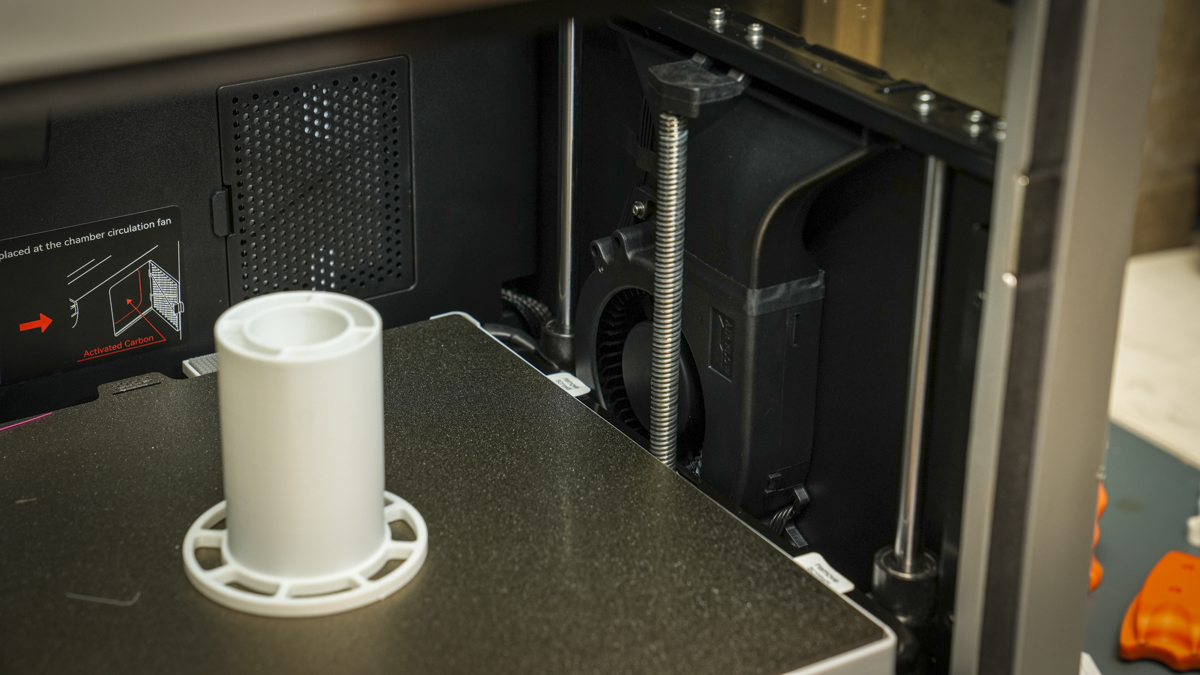
While the 270 x 270 x 256mm build envelope necessitates the segmentation of exceptionally large prototypes—such as full-scale cosplay helmets—it accommodates the vast majority of industrial prototyping, architectural modeling, and educational project requirements. The absence of mandatory maintenance routines and the consistency of the automated calibration cycle ensure that users can focus on design execution rather than hardware upkeep.
Market Positioning and Final Verdict
Priced competitively at the entry level of the professional-grade FDM market, the Qidi Q2 occupies a distinct strategic niche. It rejects the superficial allure of experimental features in favor of architectural maturity, thermal versatility, and enduring mechanical durability.
For educational institutions requiring safety enclosures and low-maintenance operation, or small design studios needing a dependable workhorse capable of shifting between standard PLA prototyping and high-temperature engineering polymers, the Qidi Q2 presents an exceptionally compelling value proposition. While faster, more flamboyant alternatives exist within the broader 3D printing ecosystem, few match the quiet, uninterrupted dependability that defines the Q2’s daily operational profile.