Apple Elevates Mobile Cinematography with Major Final Cut Camera 2.4 Update for iPhone 18 Pro

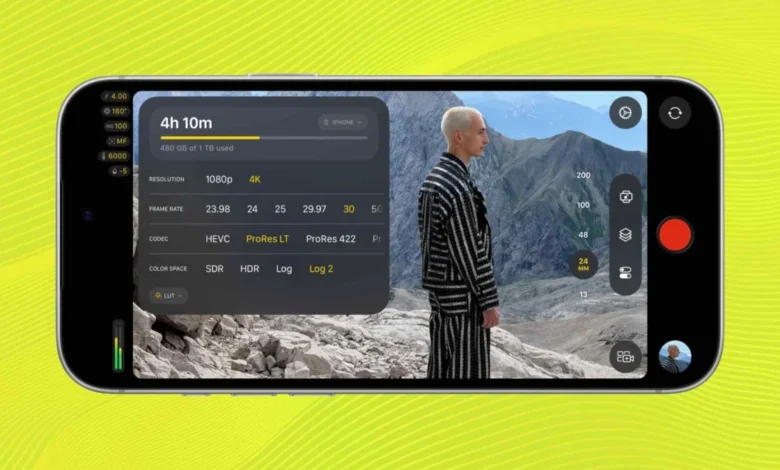
Apple has officially released version 2.4 of its professional-grade video application, Final Cut Camera, bringing a suite of high-end production tools to the iPhone 18 Pro and Pro Max. This significant update centers on the integration of the device’s new variable aperture hardware, while simultaneously introducing a refined user interface and advanced monitoring features designed to bridge the gap between smartphone capture and professional cinema production.
The evolution of Apple’s creative software ecosystem has moved rapidly over the past several years. Initially, the native iOS Camera app provided a "point-and-shoot" convenience that suited the vast majority of consumers. However, as the computational power of the A-series chips grew and sensor sizes increased, independent filmmakers and mobile creators began demanding granular control over their footage. Final Cut Camera was introduced to satisfy this demand, offering an interface that replaces automated decision-making with manual precision.
The Technical Evolution of Mobile Filmmaking
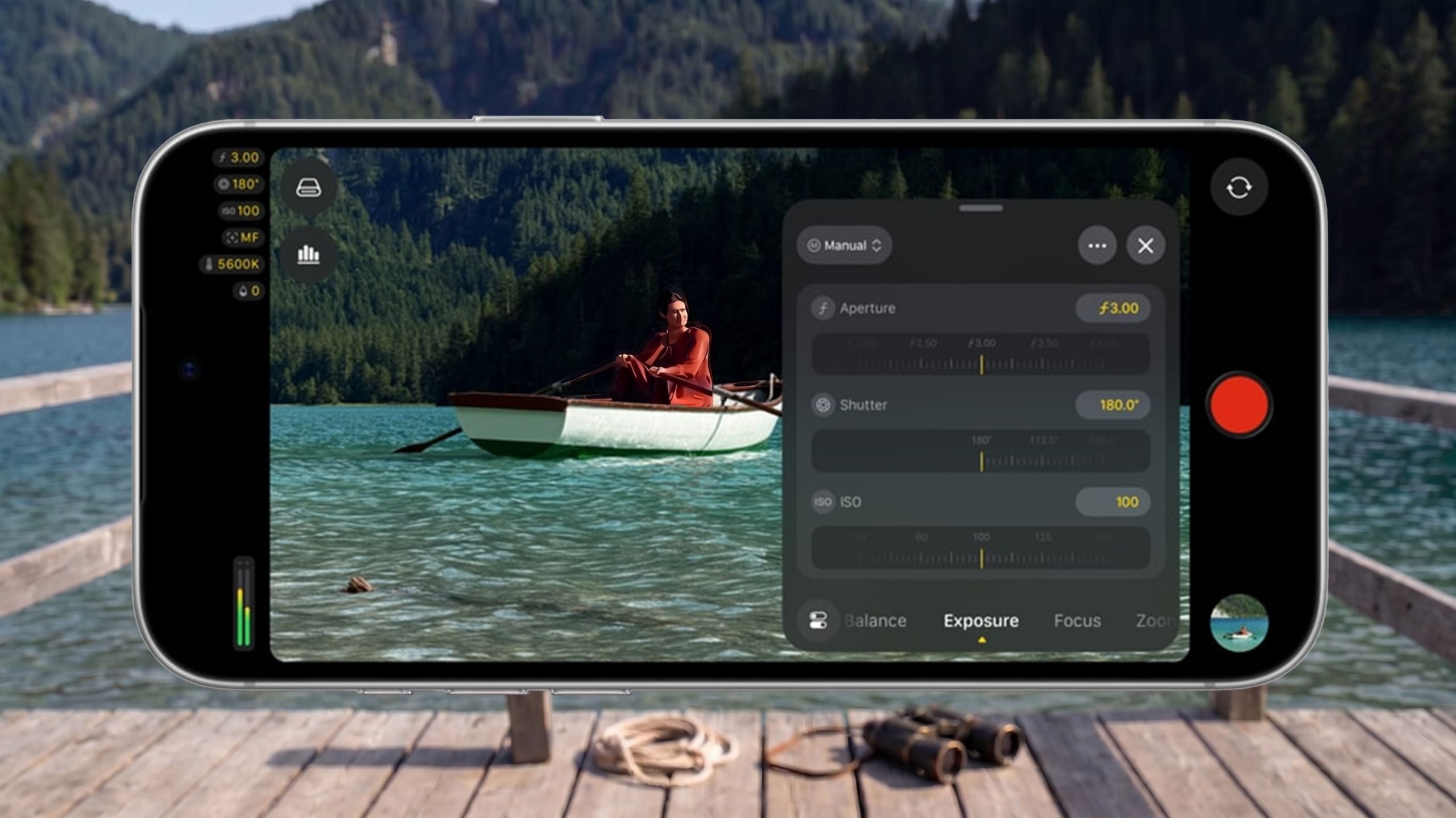
The introduction of the variable aperture lens on the iPhone 18 Pro marks a paradigm shift in how mobile photography and videography are handled. Unlike fixed-aperture lenses that rely entirely on software-based neutral density filters or digital manipulation to control light, the variable aperture allows for genuine physical control over depth of field and light intake.
In traditional cinematography, controlling the aperture is fundamental to creating the "look" of a film. By adjusting the aperture, a cinematographer can dictate how much of the background is in focus, effectively guiding the viewer’s eye. With the 2.4 update, Final Cut Camera provides users with direct access to these settings, allowing them to choose between shutter priority and aperture priority modes. This level of control was once the exclusive domain of dedicated mirrorless and cinema cameras, such as those from Sony, Blackmagic, or Canon.
Chronology of the Update and Feature Deployment
The journey toward this release began with the broader strategic push by Apple to cement the iPhone as a legitimate B-camera or even a primary A-camera for professional workflows. The timeline of recent developments is as follows:
- Late 2024: Apple announces the development of more robust professional video tools, focusing on the ecosystem integration between mobile hardware and Final Cut Pro on macOS and iPad.
- Early 2025: Final Cut Camera receives iterative updates to support external storage and ProRes log recording, signaling Apple’s commitment to the professional market.
- September 2026: The iPhone 18 Pro series launches, featuring the new variable aperture lens hardware.
- Late September 2026: Apple releases version 2.4 of Final Cut Camera, specifically optimized to unlock the capabilities of the new hardware and introduce advanced studio-grade monitoring tools.
Enhanced Interface and User Experience
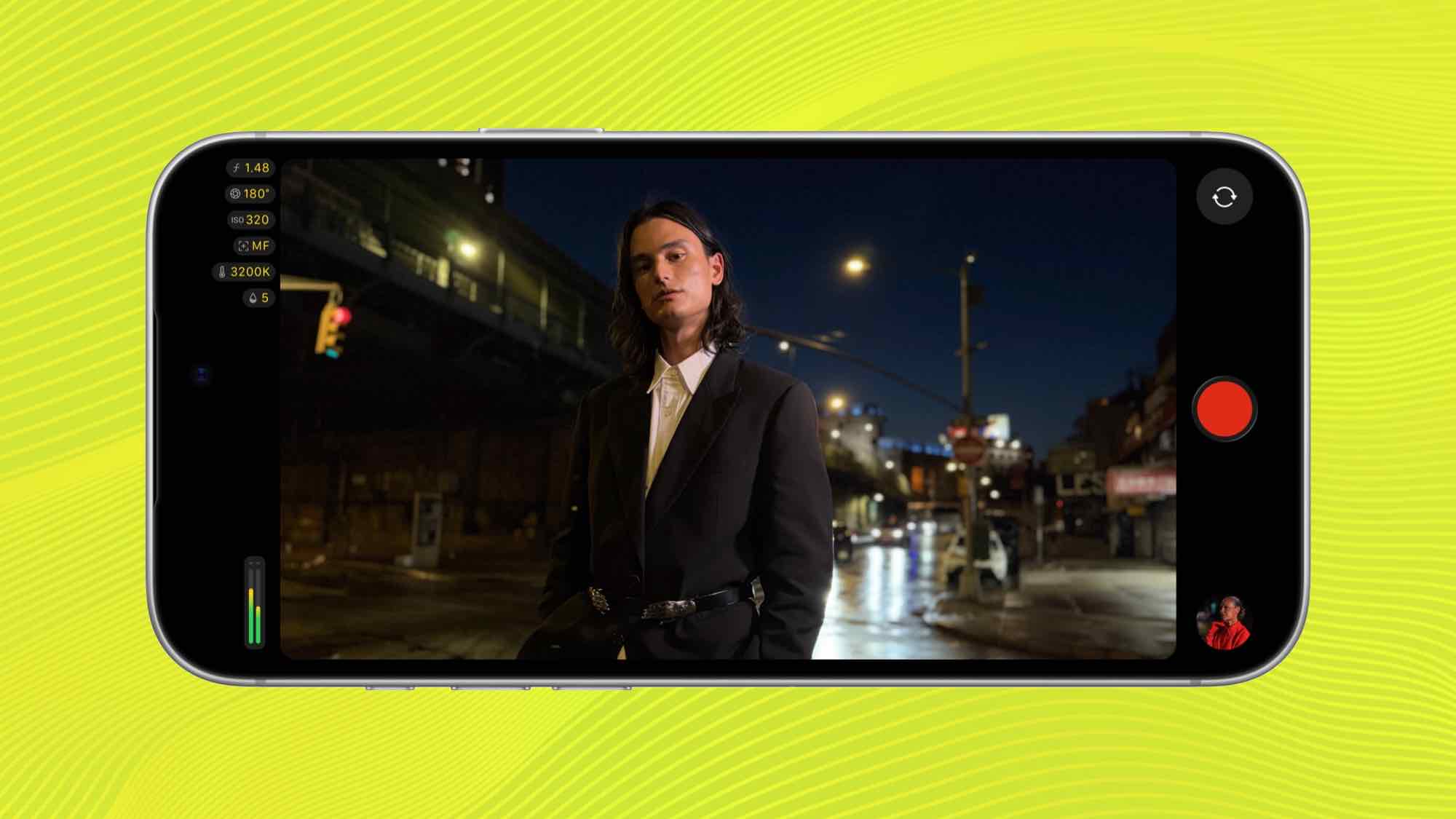
Version 2.4 of Final Cut Camera represents a comprehensive overhaul of the user interface. Recognizing that professional sets are often fast-paced environments, Apple has implemented customizable overlays. Operators can now monitor shutter angle, ISO, and white balance without navigating deep into sub-menus.
Furthermore, the introduction of a dedicated tally light—a standard feature on professional broadcast cameras—provides an immediate visual confirmation that the device is recording. This is particularly crucial when using the app’s multicam functionality, which allows users to sync multiple iPhones to a single controller. When working with a multi-angle setup, the ability to see at a glance which device is "live" prevents costly mistakes during a shoot.
Another notable quality-of-life improvement is the two-finger tap gesture, which instantly clears the viewfinder of all on-screen information. This "clean feed" mode allows the cinematographer to assess composition and lighting without the distraction of histograms, audio levels, or exposure data, mimicking the behavior of professional field monitors.
Advanced Editing and Post-Production Integration
Perhaps the most significant value-add for post-production professionals is the expanded support for Cinematic mode effects. While Cinematic mode—which uses software to create a simulated depth-of-field effect—was previously limited to basic capture, version 2.4 allows these effects to be applied and adjusted in post-production, even when the footage is captured in Apple Log or ProRes formats.
This creates a seamless workflow: a creator can capture high-bitrate, color-accurate log footage on an iPhone, and then, inside Final Cut Pro on a Mac, perform precise focus racking and bokeh adjustments. This capability essentially transforms the iPhone into a non-linear editor’s dream, as it provides the metadata necessary to change creative decisions long after the camera has stopped rolling.
Professional Scopes and Infrastructure
For users operating within professional broadcast environments, the update to iOS 27 brings critical infrastructure support. The inclusion of professional video scopes—including waveform monitors, vectorscopes, and RGB parade—allows technicians to ensure that exposure and color balance adhere to strict broadcast standards.
The addition of clean SDI out and genlock offset is a clear signal that Apple intends for the iPhone 18 Pro to be used in studio settings. Genlock, or generator locking, is a technique used to synchronize the frame rates of multiple cameras and recording equipment, ensuring that all sources are aligned in time. While this may be overkill for a casual vlogger, it is a prerequisite for production houses, live event broadcast crews, and television studios.
Implications for the Industry
The democratization of professional tools is a double-edged sword. On one hand, it lowers the barrier to entry for independent filmmakers who can now achieve a "cinematic look" without investing in thousands of dollars worth of glass and sensor hardware. The iPhone 18 Pro, when paired with Final Cut Camera 2.4, effectively acts as a high-end portable cinema rig.
On the other hand, this shift challenges traditional camera manufacturers to innovate more rapidly. As mobile devices continue to absorb professional-grade features, the distinction between a "phone camera" and a "cinema camera" becomes increasingly blurred. Apple’s strategy appears to be one of ecosystem lock-in: by providing the best software tools for their own hardware, they incentivize professional videographers to keep the iPhone at the center of their production pipeline.
Data and Performance Analysis
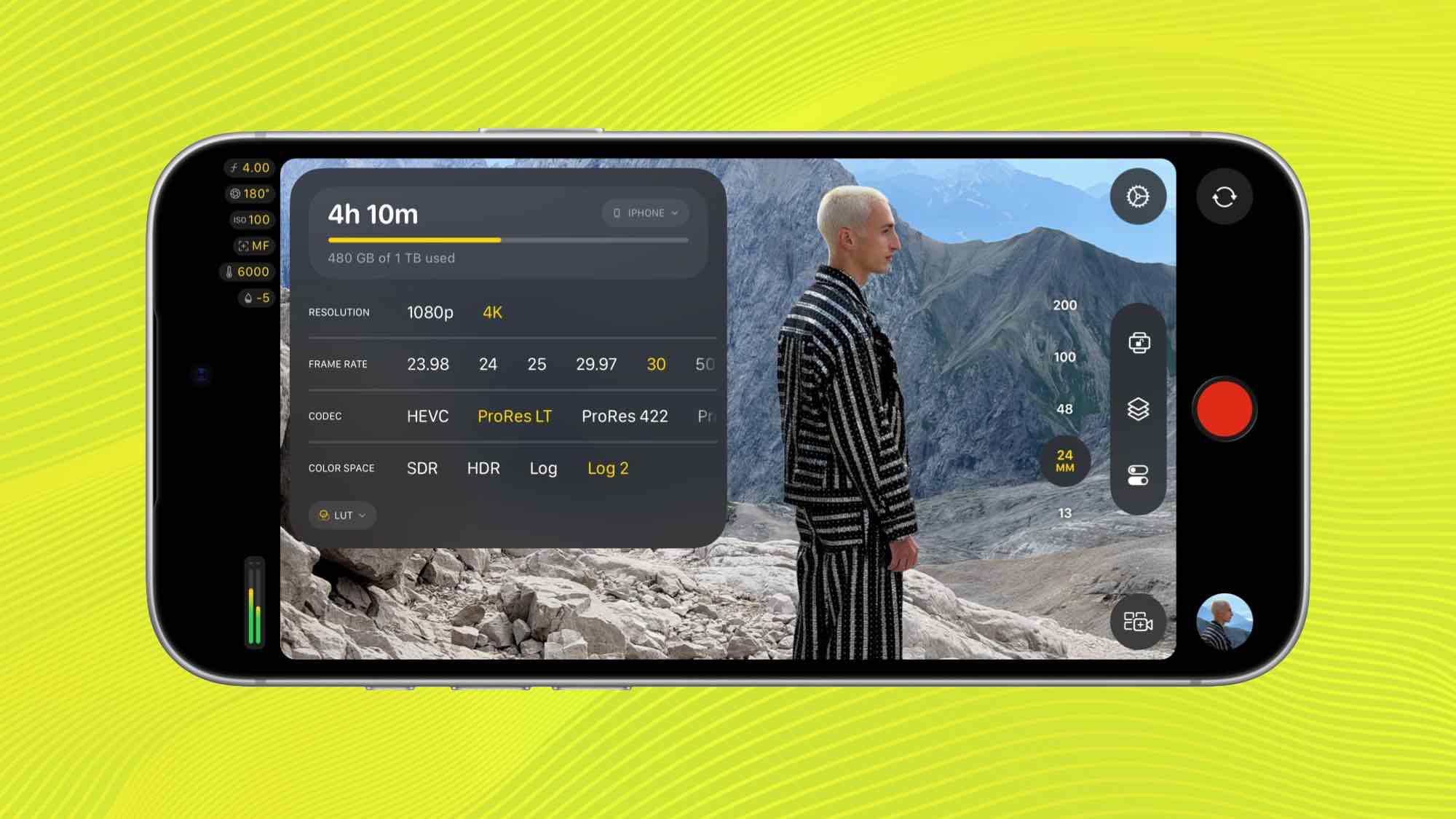
Recent benchmarks indicate that the data throughput required to handle the 2.4 update’s features—particularly when recording ProRes 4K at high frame rates—is significant. The A-series processors in the iPhone 18 Pro are specifically optimized to handle this load with minimal thermal throttling.
Industry analysts note that while the hardware is capable, the battery consumption remains a limiting factor for long-form production. During testing, recording in high-bitrate ProRes with active monitoring tools enabled can deplete the battery significantly faster than standard video capture. To mitigate this, many professionals are opting for external power solutions via the USB-C port, which, thanks to the iPhone’s advanced power management, can now sustain both external recording and power delivery simultaneously.
Future Outlook
As the mobile industry continues to pivot toward computational photography and videography, the role of software like Final Cut Camera will only grow in importance. Future updates are expected to lean further into artificial intelligence for real-time noise reduction, AI-assisted focus pulling, and perhaps even deeper integration with third-party hardware controllers via Bluetooth.
For the professional, the message from Apple is clear: the iPhone is no longer just a smartphone; it is a specialized tool for creators. Whether used for social media content, independent documentary filmmaking, or as a secondary camera on a major motion picture set, the Final Cut Camera 2.4 update provides the precision and reliability that the modern industry demands. As users continue to adopt these tools, the industry will likely see an increase in the volume of high-quality, professional-grade content produced entirely on handheld, pocket-sized devices.