The $399 Signal Ring Provides Actual Systolic and Diastolic Readings, but It’s Launching as a Wellness Device Without FDA Clearance

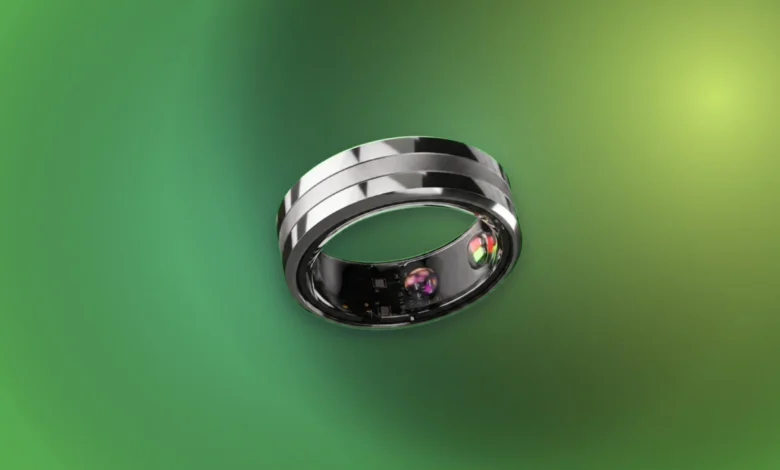
Vital Signals, a new entrant in the rapidly expanding wearables market, has unveiled its groundbreaking Signal Ring, priced at $399, with the ambitious promise of delivering continuous systolic and diastolic blood pressure readings without the need for an external arm cuff or initial calibration. This innovation positions the Signal Ring directly against established players like Apple and Oura, who have thus far shied away from offering direct, cuffless blood pressure measurement in their smart devices due to significant technical and regulatory challenges. While preorders for the Signal Ring are slated to open on July 16, with shipping anticipated in October, the consumer model will launch as a wellness device, notably lacking clearance from the U.S. Food and Drug Administration (FDA).
The Elusive Goal of Cuffless Blood Pressure Monitoring
For decades, accurate blood pressure measurement has relied on the traditional sphygmomanometer, a cuff-based device that temporarily restricts blood flow to obtain readings. While effective, these devices can be cumbersome, require manual operation, and often only provide intermittent snapshots of a person’s blood pressure. The medical community has long sought a more convenient, continuous, and non-invasive method, particularly given the global prevalence of hypertension. According to the World Health Organization (WHO), an estimated 1.28 billion adults aged 30-79 years worldwide have hypertension, a major risk factor for heart disease, stroke, and kidney failure. Regular monitoring is crucial for managing the condition and identifying dangerous trends, yet adherence to monitoring schedules can be challenging for many.

The quest for cuffless blood pressure monitoring has intensified with the rise of smart wearables. Companies like Apple and Samsung have incorporated electrocardiogram (ECG) and blood oxygen saturation (SpO2) features into their smartwatches, which have undergone rigorous FDA clearance processes to be marketed as medical devices. However, direct blood pressure measurement without a cuff has remained an insurmountable hurdle for mass-market wearables. This is primarily due to the complex physiological factors involved and the stringent accuracy requirements demanded by regulatory bodies. Existing smartwatches that offer blood pressure monitoring, such as some Samsung Galaxy Watch models, still require frequent calibration with a traditional arm cuff, a significant limitation that Vital Signals aims to bypass entirely.
Inside the Signal Ring’s Technology and Functionality
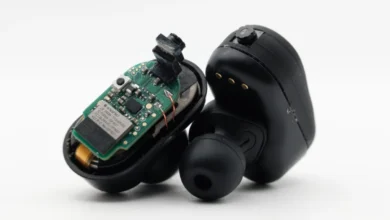
Vital Signals asserts that its Signal Ring utilizes custom electronics and proprietary algorithms to estimate blood pressure directly from the finger. The company claims its system is sophisticated enough to account for individual physiological differences, including body mass and varying arterial stiffness, which are critical variables in blood pressure assessment. This approach aligns with the broader category of cuffless blood pressure devices, which, as described by the American Heart Association (AHA), typically employ optical sensors to capture cardiovascular signals. These signals are then processed by software to derive estimated blood pressure readings.
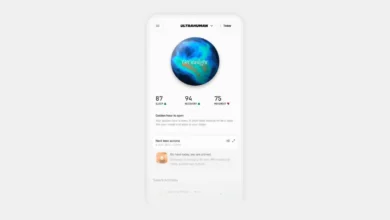
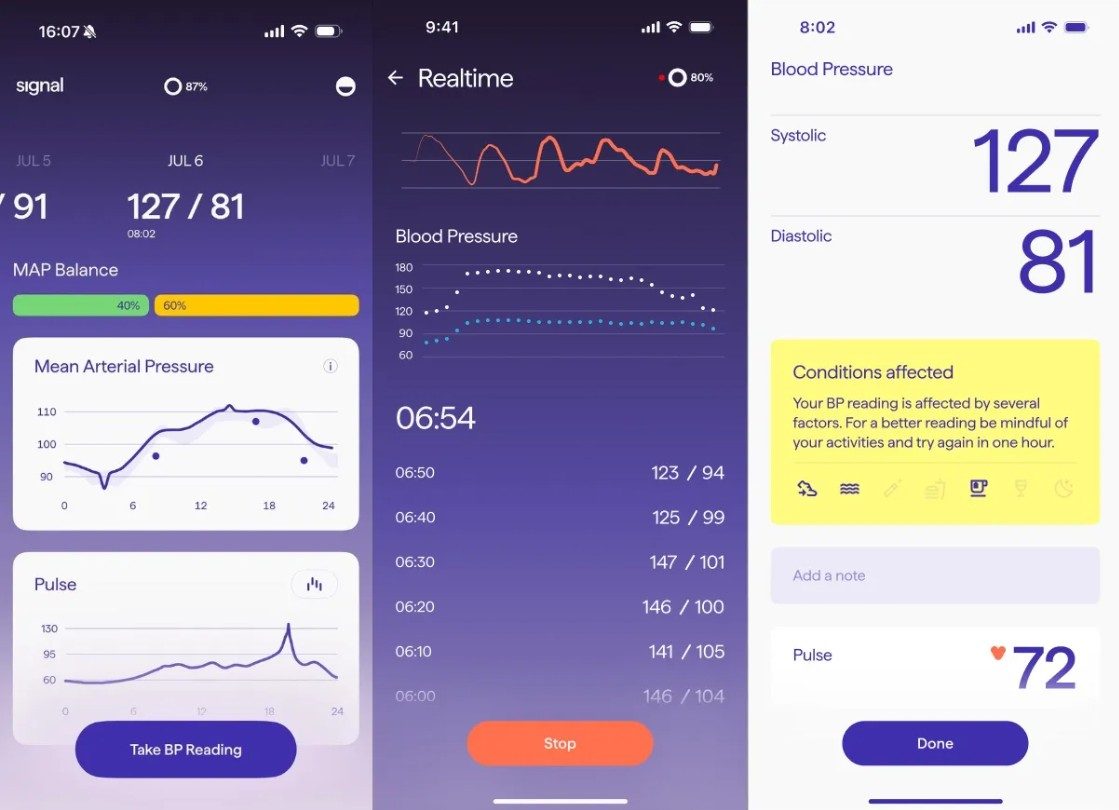
For optimal accuracy, the Signal Ring’s operation mirrors the requirements of traditional blood pressure measurement: users are advised to sit quietly and manually initiate a measurement session. The accompanying iOS or Android application is designed to guide users through this process, offering breathing exercises and automatically pausing readings if it detects movement or speech, factors known to distort blood pressure results. The ring is capable of collecting readings throughout the day and night, storing the data for later synchronization and display via the mobile application.
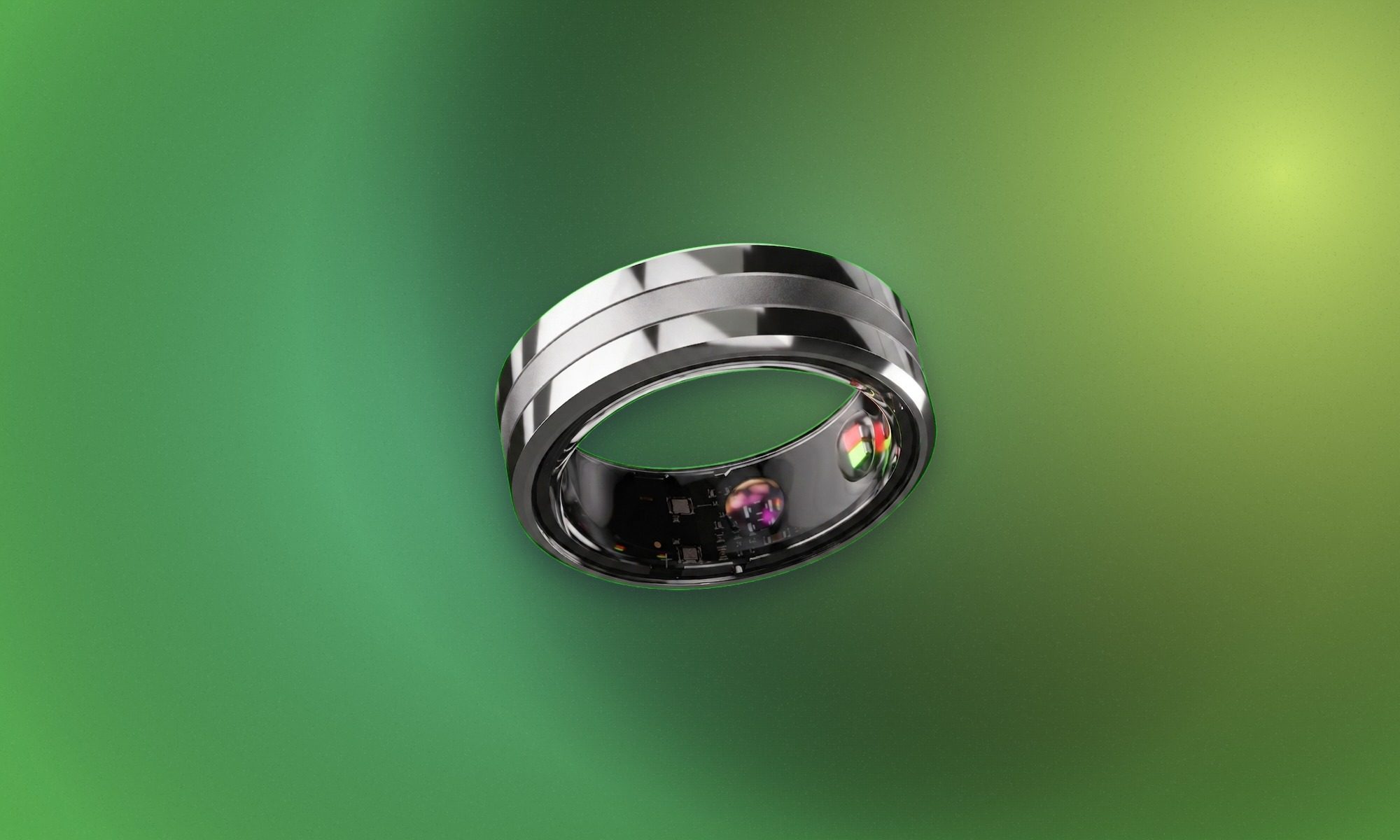
However, the Signal Ring’s reliance on cloud processing for most of its data analysis presents a potential limitation. While the device can record measurements offline, users will not be able to view their results until the ring reestablishes an internet connection and uploads the data for processing. This could be a drawback for users in areas with unreliable connectivity or those who prefer immediate, on-device data access.
Market Launch and Regulatory Landscape: A Tale of Two Rings
The Signal Ring’s market entry is set for preorders on July 16, with deliveries slated for October. This rapid timeline for a device making such advanced health claims immediately raises questions regarding its regulatory standing. Vital Signals has explicitly stated that the consumer version of the Signal Ring has not received FDA clearance. This designation is crucial, as it means the device cannot be marketed for diagnostic purposes or for guiding treatment decisions for medical conditions like hypertension. Instead, it is positioned as a "wellness device," implying its readings are for informational purposes only and not to be used as a substitute for professional medical advice or clinically validated measurements.
In parallel, Vital Signals is reportedly developing and testing a separate, medical-grade version of the Signal Ring. This version is specifically designed to diagnose hypertension and identify dangerous trends, a functionality that would require rigorous clinical trials and subsequent FDA clearance before it could be legally marketed for such purposes. As of the announcement, the results from these clinical trials have not yet been published, leaving the medical community and potential users without independent validation of its diagnostic accuracy.
The distinction between a wellness device and a medical device is paramount in health technology. Medical devices undergo a stringent review process by regulatory bodies like the FDA to ensure their safety and effectiveness for specific medical purposes. This typically involves extensive clinical trials demonstrating accuracy, reliability, and clinical utility. Wellness devices, on the other hand, face fewer regulatory hurdles but are also prohibited from making medical claims.
Concerns Over Accuracy and Reliability
Early hands-on demonstrations of the Signal Ring, as reported by Bloomberg, highlighted potential accuracy issues. During testing, some readings were found to be inaccurate, which Vital Signals attributed to improper ring fit. This is a significant concern for any wearable device, particularly one relying on consistent skin contact and precise sensor placement for accurate physiological measurements. Factors like finger size variations, swelling, movement, and even sweat can compromise the integrity of the data collected, leading to potentially misleading readings.
The FDA has consistently issued strong warnings against relying on unauthorized blood pressure wearables. In a safety communication, the agency cautioned that inaccurate readings from unvalidated devices could have serious consequences, including delaying necessary medical treatment or prompting inappropriate changes to medication regimens. For individuals managing hypertension, consistent and accurate monitoring is essential, and reliance on an unproven device could lead to adverse health outcomes.

Furthermore, the FDA’s draft guidance for cuffless non-invasive blood pressure measuring devices outlines the extensive performance testing and evaluation expected from this category before regulatory clearance can be granted. This guidance details rigorous requirements for accuracy, repeatability, and clinical validation across diverse patient populations, emphasizing the significant challenges Vital Signals faces in bringing a medical-grade version to market.
Target Audience and Competitive Dynamics
Vital Signals appears to be strategically targeting individuals with diagnosed hypertension or those at an elevated risk of developing the condition, rather than the broader general fitness market. While the Signal Ring does offer basic heart rate monitoring and some sleep tracking capabilities, these features are presented as secondary to its primary function of blood pressure measurement. This contrasts with established smart rings like Oura, which primarily focus on sleep, activity, and readiness scores, or smartwatches that offer a wider array of general health and fitness metrics.
One notable competitive advantage for the Signal Ring, as highlighted by Vital Signals, is the absence of a subscription fee. Many premium smart wearables, including the Oura Ring, rely on subscription models to unlock advanced features and data insights, adding to the overall cost of ownership. The $399 one-time purchase price for the Signal Ring could make it an attractive option for consumers seeking a dedicated blood pressure monitoring solution without recurring expenses, provided its accuracy and reliability can be independently verified.

However, for anyone whose medical treatment or health management critically depends on accurate blood pressure readings, medical professionals universally advise continued reliance on authorized, cuff-based devices and regular consultation with a clinician. The Signal Ring, in its current wellness-device form, cannot replace these established medical practices.
Broader Implications for Digital Health and Future Outlook
The launch of the Signal Ring, despite its current lack of FDA clearance, underscores the relentless innovation in the digital health sector and the ongoing pursuit of more convenient and integrated health monitoring solutions. If Vital Signals can successfully navigate the rigorous FDA clearance process for its medical-grade version and demonstrate consistent, clinical-grade accuracy, the Signal Ring could represent a significant leap forward in personal health management. A truly cuffless, continuous blood pressure monitor could revolutionize how hypertension is managed, empowering individuals with real-time data and potentially leading to more personalized and effective treatment strategies.
The smart ring market itself is experiencing substantial growth. Valued at approximately $200 million in 2023, it is projected to reach over $1 billion by 2030, driven by advancements in sensor technology, miniaturization, and increasing consumer demand for unobtrusive health monitoring. Companies like Oura, RingConn, and ultimately Samsung with its upcoming Galaxy Ring, are vying for market share, primarily focusing on sleep, activity, and general wellness. The Signal Ring’s unique proposition could carve out a distinct niche if it can overcome the significant challenges related to accuracy and regulatory approval.

Ultimately, the true utility and impact of the Signal Ring will be determined by its performance in real-world conditions, outside controlled testing environments, and critically, through the outcomes of its medical-grade version’s clinical trials and subsequent FDA review. As shipping commences in October, everyday use will provide crucial insights into how well the device handles variables like user movement, imperfect fits, and varied physiological responses, factors that will be pivotal in shaping its long-term credibility and success in the competitive and highly regulated digital health landscape. The journey from a promising wellness device to a trusted medical tool is arduous, but the potential rewards for patient care are immense.