Amazon’s God of War TV Series Faces Significant Production Setback as Kratos Actor Recast Following Injury

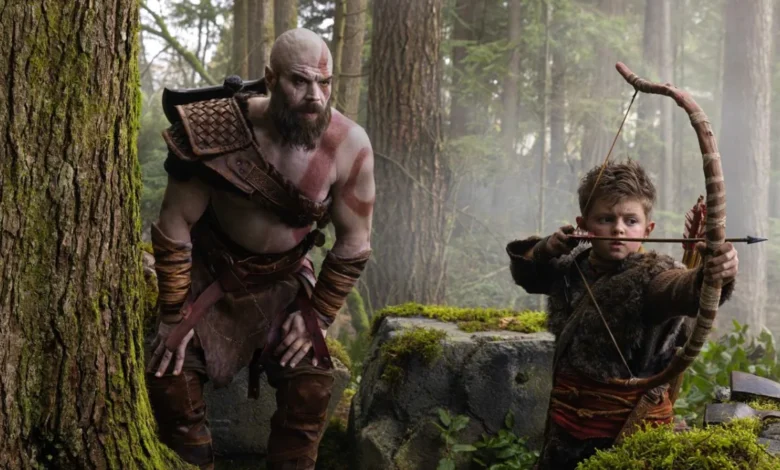
The highly anticipated Amazon adaptation of the acclaimed video game series God of War has encountered a major hurdle, necessitating a complete recasting of the central role of Kratos. Actor Ryan Hurst, who had reportedly undergone a significant physical transformation to embody the Spartan warrior, has been injured on set, tearing a bicep. This unfortunate incident has forced production to halt and will require reshoots of all previously filmed scenes featuring the character.
Significant Production Interruption and Recasting
According to a report by Deadline, the injury sustained by Ryan Hurst occurred during filming, prompting an immediate pause in production. Anonymous sources cited in the report indicate that Hurst has undergone surgery and is currently in recovery. The decision to recast the role stems from the severity of the injury and the practicalities of continuing production. While Hurst had committed to the physical demands of the role, including reportedly gaining 40 pounds of muscle, the injury necessitates a restart for the character’s portrayal.
The production schedule has been significantly impacted. The series was slated to resume filming by mid-October with a new actor stepping into Kratos’s formidable boots. This means that all scenes previously shot, which reportedly amount to four completed episodes, will need to be reshot. This represents a substantial logistical and financial undertaking for Amazon Studios, highlighting the disruptive nature of on-set accidents.
Background of Hurst’s Casting and Transformation
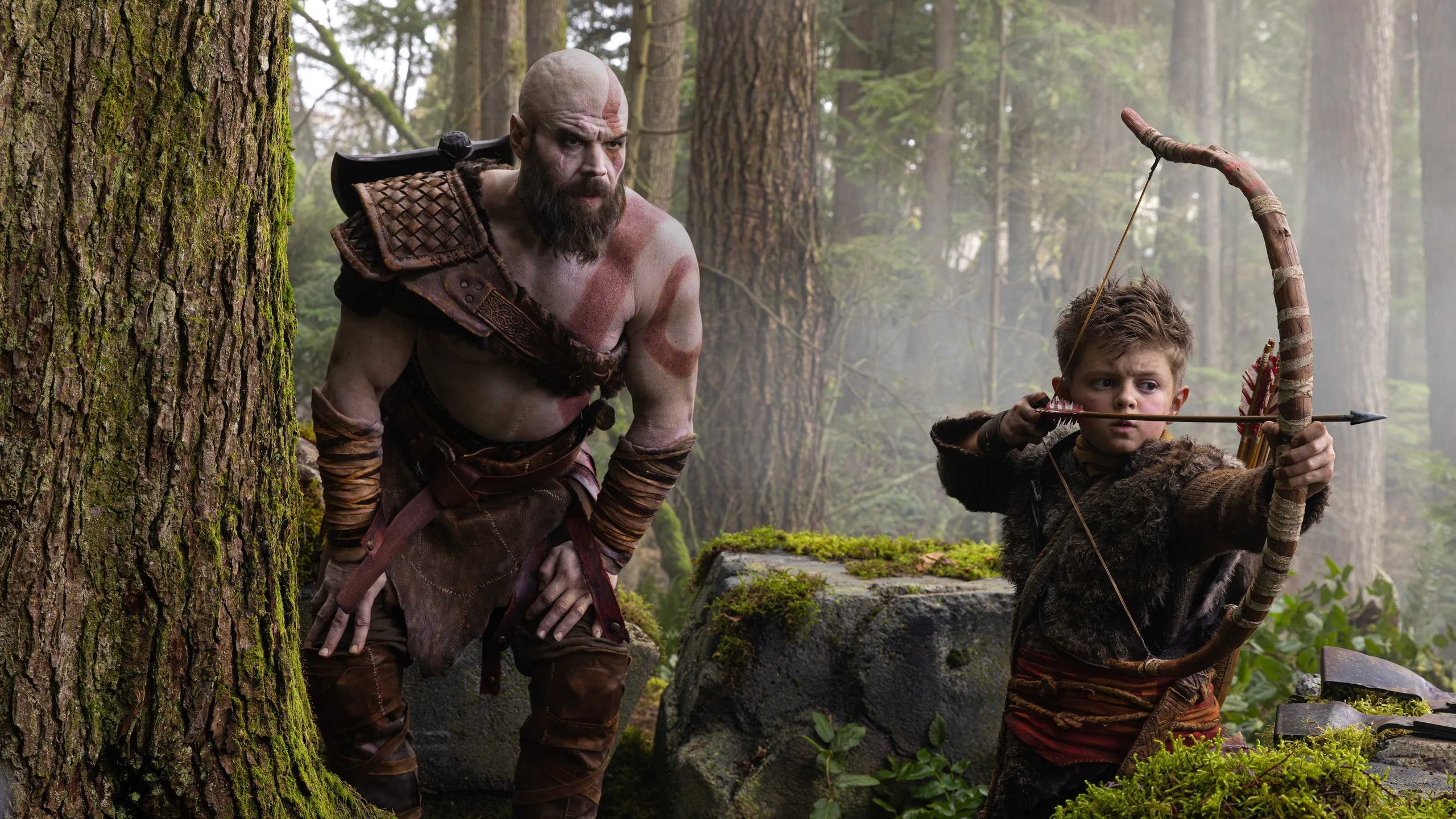
Ryan Hurst’s casting as Kratos had initially generated considerable discussion among fans. A previous promotional image, which circulated widely, depicted Hurst in a portrayal that sparked varied reactions, with some questioning his suitability for the iconic role. However, reports indicated that Hurst had fully embraced the challenge, undertaking a rigorous physical regimen to accurately portray Kratos. His commitment to the character’s physicality was evident in his reported weight gain, a testament to his dedication to the adaptation.
The God of War franchise is renowned for its demanding action sequences and the sheer physical presence of its protagonist. Kratos is a character defined by his immense strength, stoicism, and brutal combat prowess. For an actor to inhabit such a role requires not only a strong dramatic performance but also a credible physical embodiment. Hurst’s dedication to this aspect of the character was a key factor in his casting, and his injury now casts a shadow over that commitment.
Implications for Production and Release Schedule
The recasting and subsequent reshoots present a significant challenge to the show’s production timeline and, consequently, its release date. The need to redo four episodes’ worth of material is a considerable setback. While Amazon has not officially commented on the revised schedule, it is reasonable to infer that the release of the God of War series may be pushed back.
The initial mixed reception to the promotional image, coupled with this production disruption, adds an element of uncertainty surrounding the series. While the creative team will undoubtedly be working to ensure the highest quality of production, these events could impact audience perception and anticipation. The pressure will be on the new actor to not only match the envisioned portrayal of Kratos but also to overcome any lingering doubts from the initial marketing efforts.
Hurst’s Other Notable Roles
Beyond his brief tenure as Kratos, Ryan Hurst is a familiar face to audiences across various media. Gamers will recognize him for his role as Thor in the critically acclaimed video game God of War: Ragnarök. Television viewers may know him from his impactful performance as Beta in AMC’s long-running zombie drama The Walking Dead. He also holds a role in Christopher Nolan’s upcoming film Oppenheimer, portraying Mentor, which further underscores his active presence in the entertainment industry. This injury, while unfortunate, does not appear to derail his broader career trajectory.
The Challenge of Adapting God of War
The God of War video game series, developed by Santa Monica Studio and published by Sony Interactive Entertainment, has achieved immense critical and commercial success. The games are celebrated for their compelling narratives, intricate world-building, and visceral combat. Adapting such a beloved and complex franchise for television presents a unique set of challenges.
The narrative of the games, particularly the later installments focusing on Kratos’s journey through Norse mythology, delves into themes of fatherhood, redemption, and the struggle against one’s own past. Capturing the essence of Kratos, a character forged in Greek mythology and now navigating the harsh landscapes of the Norse realms, requires a nuanced approach. His transformation from a vengeful god-killer to a more reserved, albeit still formidable, father figure is a central arc that the series aims to explore.
The success of the adaptation will hinge on several factors: the casting of the new Kratos, the interpretation of the game’s lore and characters, and the ability of the creative team to translate the epic scale and emotional depth of the source material to the screen. The introduction of Atreus, Kratos’s son, as a pivotal character, means the dynamic between father and son will be crucial. The actor playing Atreus will also play a significant role in the success of the series.
Broader Implications for Video Game Adaptations
The God of War series is part of a growing trend of video game adaptations being produced for film and television. This trend reflects the increasing maturity and narrative complexity of video games, making them fertile ground for cinematic storytelling. Franchises like The Last of Us, Halo, and Cyberpunk 2077 have seen successful transitions to the small screen, demonstrating the potential of this medium.
However, the God of War situation also highlights the inherent risks and complexities involved in these adaptations. Production delays, casting changes, and the pressure to satisfy a dedicated fanbase can all contribute to the challenges faced by these ambitious projects. The success of Amazon’s God of War series will undoubtedly be closely watched, not only by fans of the game but also by the wider industry as it continues to explore the lucrative intersection of video games and streaming entertainment.
The journey of adapting God of War has, it seems, already proven to be as arduous as Kratos’s own mythical quests. The setback is significant, but the commitment to bringing this epic story to life suggests that Amazon is determined to overcome these obstacles and deliver a faithful and compelling adaptation. The coming months will be critical in determining who will don the mantle of Kratos and whether this ambitious series can ultimately ascend to god-like status in the realm of television.
Related posts: