Beyond the Spec Sheet: How the Apple Watch Series 12 Redefines Wearable Performance and Battery Independence

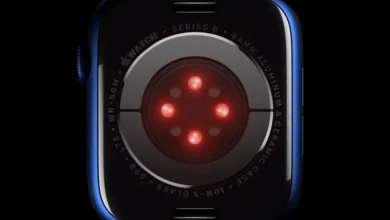
Apple Inc.’s annual autumn hardware showcase has historically served as a staging ground for iterative updates to its dominant wearable lineup. When executives stepped onto the stage to unveil the Apple Watch Series 12, attention was immediately drawn to headline-grabbing features such as the conversational Siri Recap and a redesigned, hyper-accurate heart rate monitoring sensor. Yet, looking past the initial marketing bullet points reveals a device that fundamentally shifts the daily user experience, particularly in the realm of power management, onboard processing capabilities, and physiological tracking. For long-time users of dedicated fitness ecosystems, the Series 12 marks a watershed moment—one that bridges the gap between traditional smartwatches and specialized recovery trackers.
Main Facts and Technological Foundation
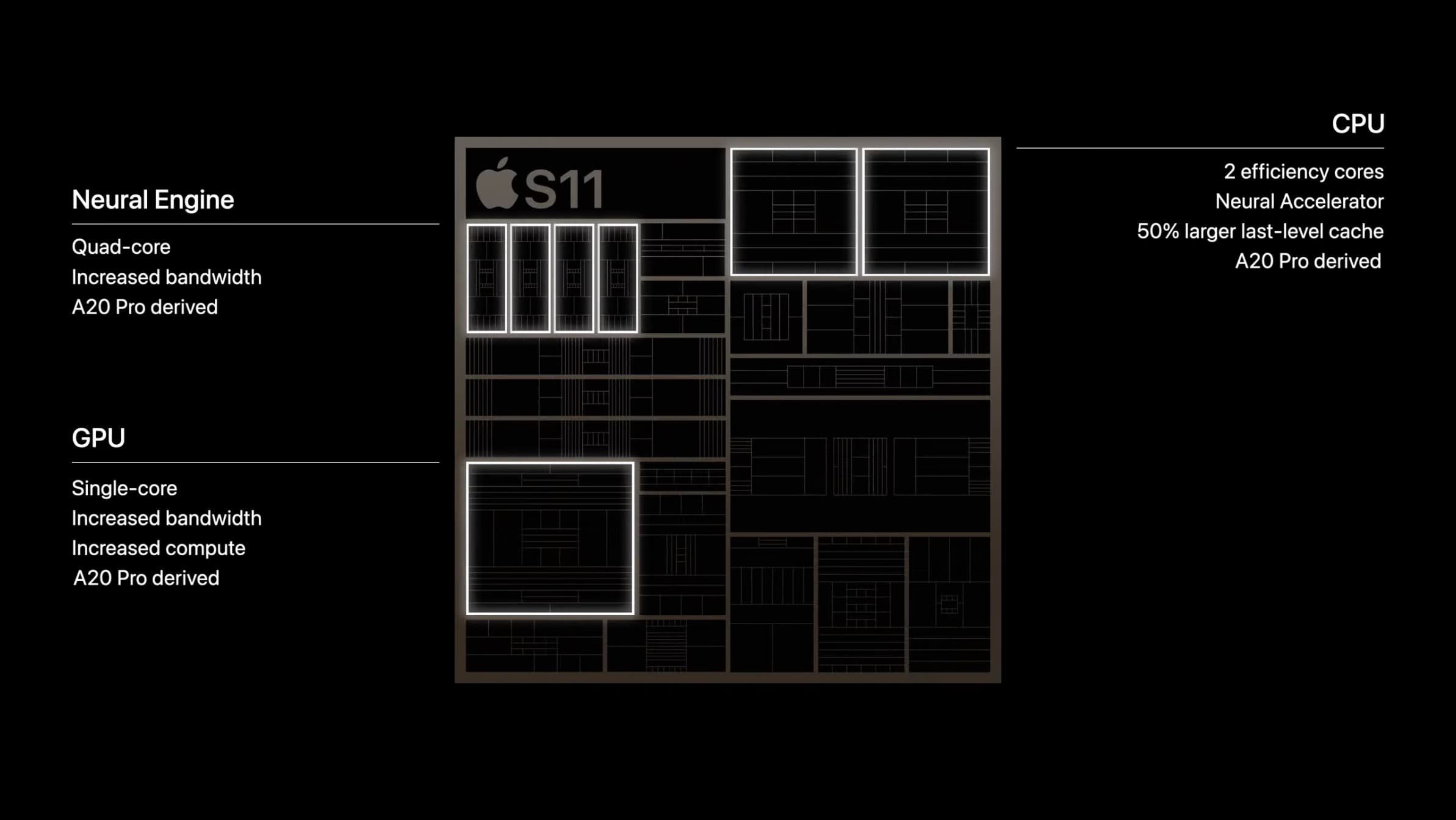
At the core of the Apple Watch Series 12 lies the new S11 silicon architecture, a chip derived from the advanced 2-nanometer production processes pioneered by mobile processors like the A20 Pro. This architectural leap provides more than just raw processing speed; it fundamentally alters the thermal and energetic efficiency of the wearable. While official specifications provided by Apple maintain the traditional "all-day" battery life estimates, real-world utilization tells a dramatically different story. Users transitioning from older generations, such as the Series 11, report a noticeable prolongation of operational uptime between charges.
This hardware efficiency directly addresses the historical friction points of continuous health monitoring. Historically, utilizing an Apple Watch for comprehensive sleep tracking required a burdensome charging routine: users had to top off the device before bed and immediately recharge it upon waking. The Series 12 eliminates this friction. Thanks to enhanced power management and significantly accelerated fast-charging capabilities—which deliver up to 12 hours of operational use from a brief 15-minute charge—the device seamlessly integrates into an overnight tracking routine without inducing battery anxiety. Furthermore, the inclusion of Ceramic Shield 2 on aluminum models provides enhanced durability against scratches and daily wear, addressing long-standing consumer demands for a more resilient base chassis.
Chronology and Ecosystem Context
The trajectory of the Apple Watch has evolved steadily since its initial commercial debut in 2015. Over the past decade, Apple has transformed the accessory from a smartphone notification companion into a comprehensive clinical-grade health and fitness instrument. The introduction of features like the Electrocardiogram (ECG) app, blood oxygen monitoring, and wrist-temperature sensing established the hardware as a leader in consumer health technology.
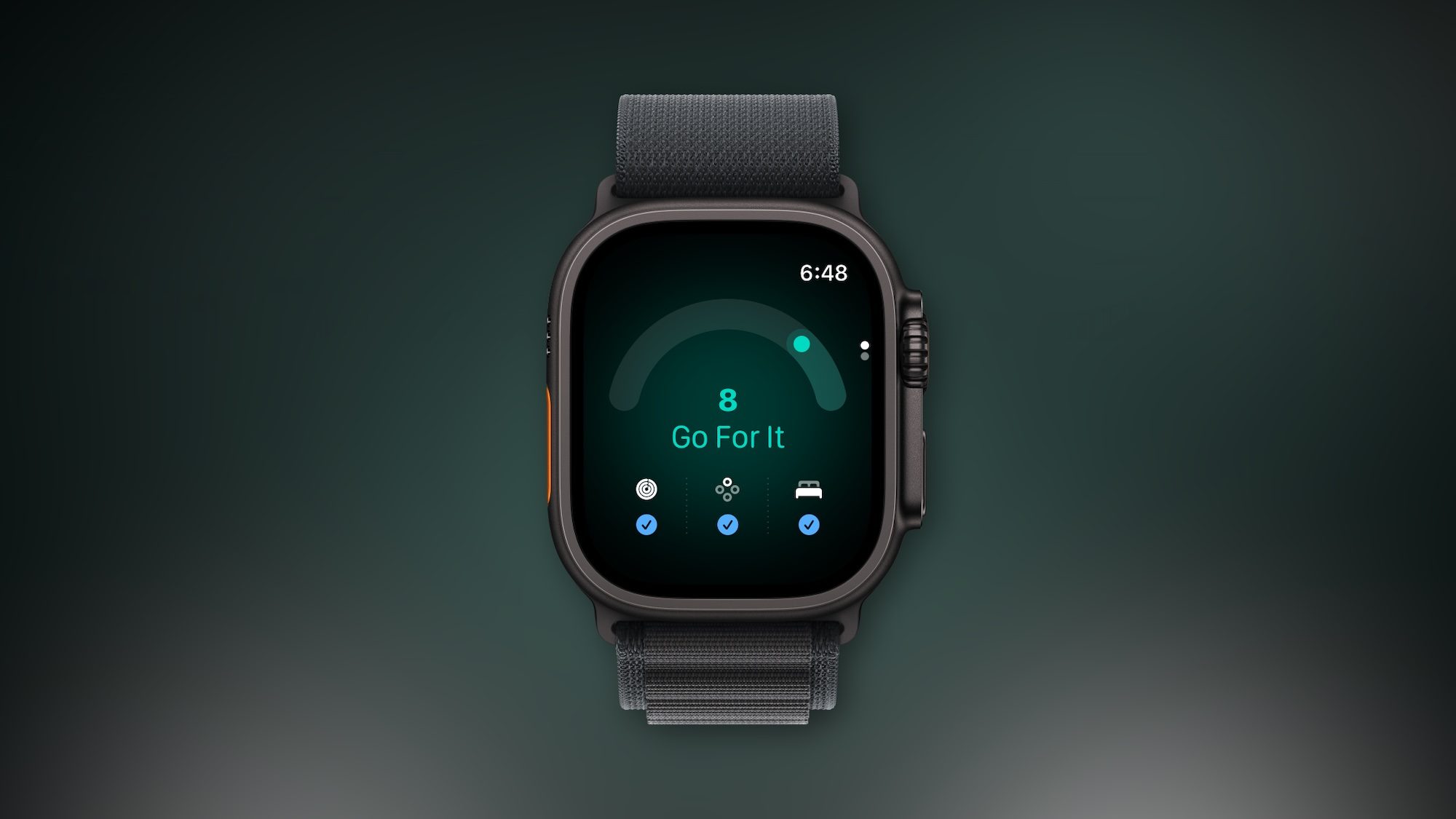
However, specialized biometric rings and dedicated recovery platforms—such as WHOOP and Oura—retained a distinct advantage in continuous recovery scoring and sleep optimization analytics. With the launch of the Series 12, Apple has directly targeted this market segment. The rollout of the native Readiness application marks a strategic consolidation of health metrics. By synthesizing data points related to previous-day activity loads, overnight sleep architecture, and baseline vitals into a single, cohesive recovery score, Apple has minimized the need for consumers to wear multiple competing devices simultaneously. Industry analysts note that this capability, while currently exclusive to the Series 12 hardware due to the precision demands of its upgraded sensor arrays, represents a maturation of Apple’s health software strategy.
Supporting Data and Hardware Analysis
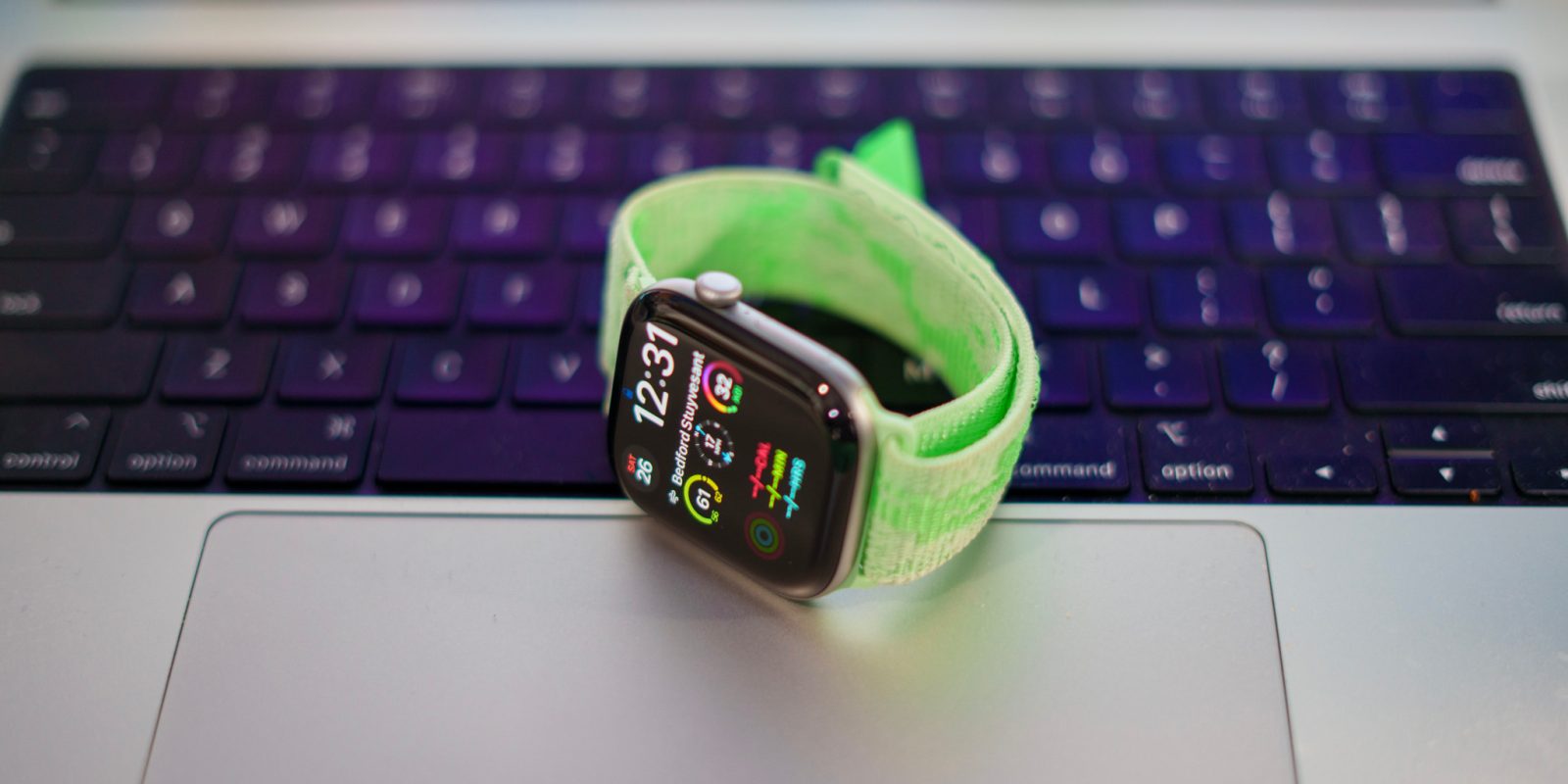
While the outward aesthetics of the Apple Watch Series 12 maintain the curved rectangular geometry established by recent generations, subtle engineering adjustments have taken place under the hood. Industry teardowns and official disclosures indicate that the display bezels have experienced a fractional increase in thickness compared to the ultra-thin borders of the Series 10 and 11. For the vast majority of consumers utilizing dark-background watch faces, this adjustment is virtually imperceptible, yet it signifies a design trade-off made to accommodate more robust internal components and advanced sensor packaging.
Performance metrics underscore the value of the S11 chip. Computational bottlenecks that previously affected complex on-device Siri queries have been largely eradicated. Voice dictation, local processing of health queries, and the rendering of rich data visualizations execute with immediate responsiveness. Additionally, the software ecosystem now supports a dedicated, highly accurate step-counter complication natively integrated into the Smart Stack interface. Although step-tracking algorithms have long existed within the broader iOS and watchOS architecture, providing direct, uncompromised front-end visibility addresses a persistent user request.

Industry Implications and Market Impact
The release of the Apple Watch Series 12 arrives at a critical juncture for the global wearable technology market. Competitors in both the Android ecosystem and the dedicated fitness tracker space have intensified competition by offering granular recovery insights and multi-day battery longevity. By addressing both fronts simultaneously—maximizing power efficiency to support round-the-clock wear and introducing advanced algorithmic recovery software—Apple has successfully defended its market dominance.
Market researchers suggest that the Series 12 represents the most significant year-over-year functional upgrade since the introduction of the Apple Watch Series 4, which fundamentally reshaped the device’s physical footprint and introduced the electrical heart sensor. Rather than relying solely on cosmetic alterations, Apple has focused its engineering capital on making the device fundamentally more useful over extended periods of autonomous operation. As consumers increasingly prioritize preventative health tracking and biometric self-awareness, hardware that removes the administrative burden of constant charging is positioned to capture a larger share of both upgrading users and switchers from alternative ecosystems.

Future Outlook
As the Apple Watch ecosystem continues to mature, the implications of the Series 12 extend beyond immediate hardware sales. The integration of advanced recovery metrics and high-efficiency silicon lays the groundwork for future preventative healthcare initiatives, potentially including non-invasive glucose monitoring or advanced hypertension detection currently rumored to be in clinical testing phases. For current adopters, the Series 12 proves that iterative hardware updates, when executed with a focus on core user pain points like battery life and processing speed, can deliver a transformative daily experience without requiring a radical redesign of the physical form factor.
Related posts: