Bose QuietComfort (2nd Gen) Leak Hints at Major Upgrade, Challenging Premium Ultra Line with Stable Pricing

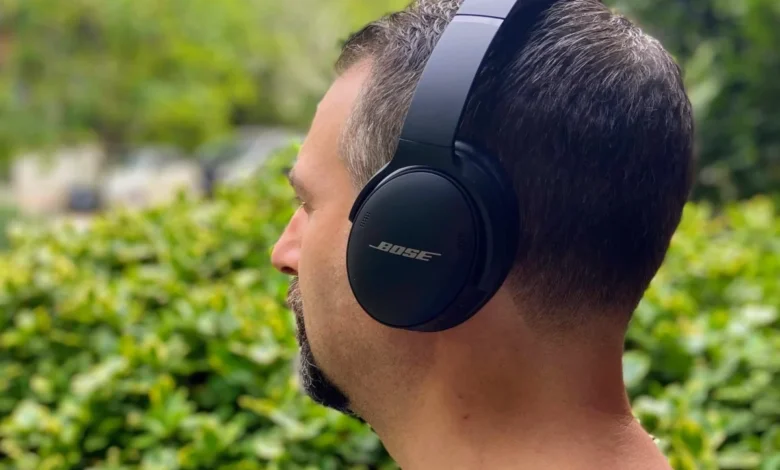
A significant leak has surfaced, suggesting Bose is on the verge of introducing a second-generation model for its standard QuietComfort headphones, packed with features previously reserved for its premium Ultra lineup. This anticipated refresh, if accurate, marks a strategic pivot for Bose, aiming to revitalize its core noise-cancelling headphone series by integrating advanced audio technologies and ergonomic enhancements while notably maintaining its current launch price point. This move is poised to redefine the competitive landscape of the premium headphone market, potentially blurring the lines between Bose’s own product tiers and intensifying competition with rivals.
A Comprehensive Overhaul for the QuietComfort Line
For several years, the Bose QuietComfort series, despite its consistent reputation for industry-leading active noise cancellation (ANC) and comfort, has seen its standard models somewhat overshadowed by the emergence of the more feature-rich QuietComfort Ultra line. While the Ultra models garnered attention with cutting-edge innovations, the regular QuietComfort headphones largely retained their established design and feature set. However, a recent leak, attributed to the prolific leaker "billbil-kun" on X (formerly Twitter) on July 20, 2026, indicates a substantial evolution for the QuietComfort (2nd Gen), promising more than just cosmetic updates.
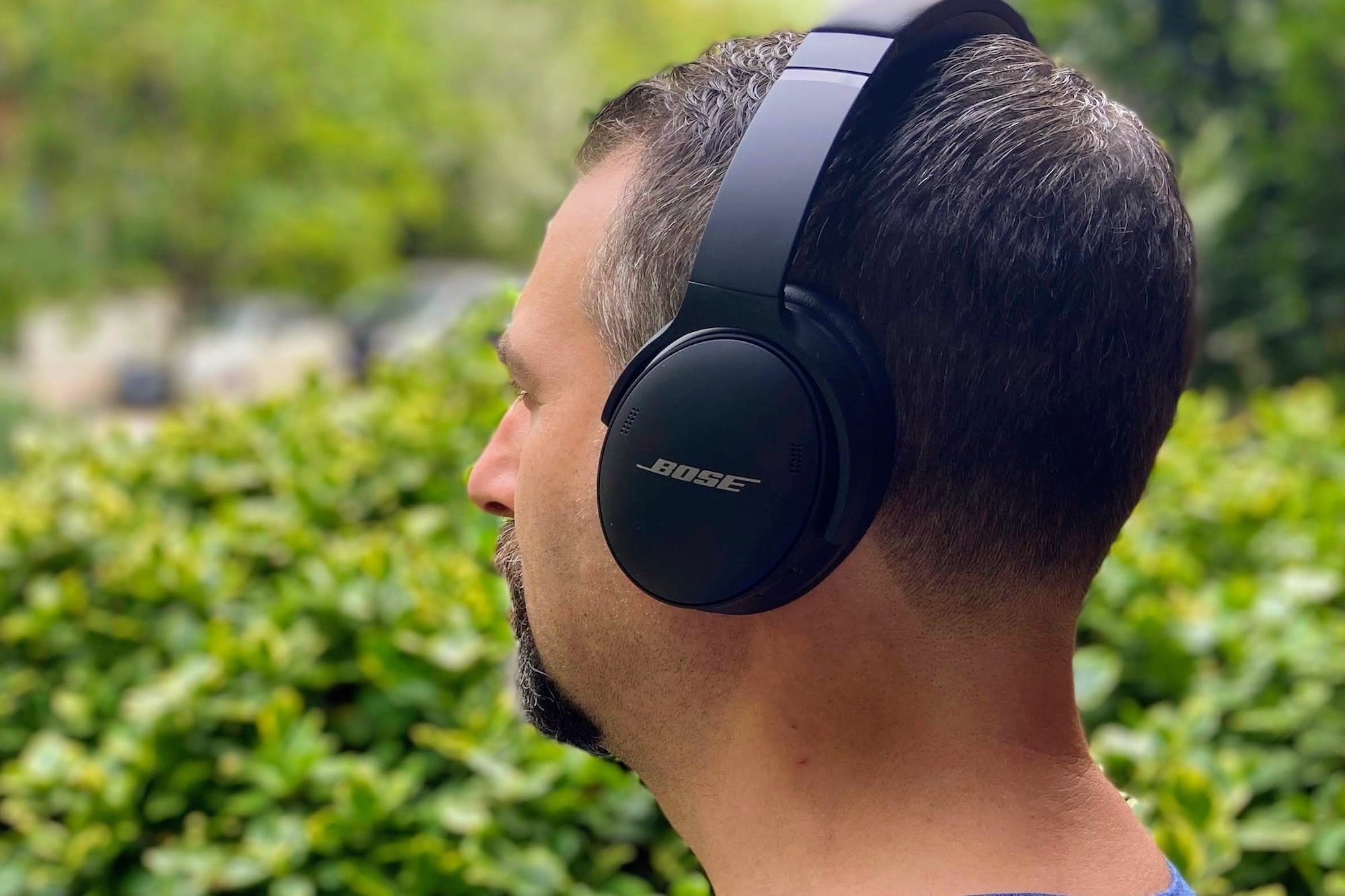
The leaked specifications detail a thoughtful redesign focused on enhanced user comfort and usability. The new headphones are expected to feature "softer-looking, pill-shaped ear cushions," a refinement aimed at improving the seal around the ears for better noise isolation and reducing pressure during extended listening sessions. This ergonomic upgrade addresses a critical aspect of premium headphones, where comfort is paramount for users who wear them for hours on end, whether for travel, work, or relaxation. Furthermore, a "broader headband with extra padding" suggests an effort to distribute weight more evenly across the head, minimizing discomfort often associated with heavier over-ear headphones. Controls are also reportedly being relocated "directly on the earcups," a design choice that often leads to a more intuitive and accessible user experience compared to buttons placed along the edges or on the cable. These subtle yet impactful design changes underscore Bose’s commitment to user-centric engineering, building upon a legacy of comfort that has long been a hallmark of the QuietComfort brand.

Bridging the Gap: Premium Features at a Mainstream Price
Beyond the physical redesign, the most compelling aspects of the leak lie in the rumored audio advancements, which appear to directly integrate features previously exclusive to Bose’s higher-tier products, and in some cases, pushing the envelope further. The inclusion of "lossless USB-C playback" is a significant development, signaling Bose’s acknowledgment of the growing demand for higher fidelity audio. Lossless audio preserves the full detail of the original recording, offering a superior listening experience compared to standard compressed formats like MP3s or typical Bluetooth streams. By supporting lossless playback via a USB-C connection, Bose caters to audiophiles and users who prioritize uncompromised sound quality, aligning with an industry trend towards high-resolution audio ecosystems. This feature positions the QuietComfort (2nd Gen) as a serious contender for critical listening, often a domain dominated by more specialized audio equipment.
Furthermore, the leak points to the integration of "TrueSpatial audio," a proprietary Bose technology designed to create an immersive, multidimensional sound experience. Spatial audio, popularized by competitors like Apple with its Spatial Audio for AirPods, simulates a surround-sound environment, making audio feel as if it’s coming from various points in space rather than directly from the headphones. This enhances immersion for music, movies, and gaming, transforming the listening experience from stereo to a more dynamic, lifelike soundstage. The inclusion of TrueSpatial audio in the standard QuietComfort line represents a substantial value proposition, democratizing a feature that often defines premium sound experiences.
The rumored "new listening presets," including one "aimed specifically at making movie dialogue clearer," demonstrate a keen understanding of diverse media consumption habits. In an era where headphones are used for everything from music and podcasts to streaming movies and video calls, specialized audio profiles can significantly enhance usability. The dialogue clarity preset, in particular, addresses a common frustration among viewers, ensuring crucial spoken content is intelligible even amidst complex soundtracks or varying audio mixes.
Crucially, these technological enhancements are not expected to come at the expense of battery life, a critical factor for portable headphones. The leak suggests the QuietComfort (2nd Gen) will offer an impressive "up to 24 hours of listening with active noise cancellation enabled." This figure places it competitively within the premium headphone segment, often exceeding the endurance of some rivals. While engaging spatial audio is reported to reduce this to "around 18 hours," this still provides ample listening time for most users, making the headphones a reliable companion for long flights, commutes, or extensive work sessions. For context, the previous QuietComfort 45 offered 24 hours of ANC, so maintaining this while adding advanced features is a notable achievement in power efficiency.
The Price Point Paradox: Shifting Bose’s Market Strategy
Perhaps the most surprising detail from the leak is the rumored price: Bose reportedly plans to keep the QuietComfort (2nd Gen) at $359 in the US. This decision to match the launch price of the current model, despite the substantial upgrades in design and features, is a significant departure from industry norms, where new generations of tech products almost invariably see price increases. In a global economic climate marked by inflationary pressures and rising manufacturing costs, maintaining price stability while offering enhanced value is a bold strategic move.
This pricing strategy has profound implications for Bose’s overall product portfolio, particularly in relation to its premium QuietComfort Ultra headphones, which typically retail at a higher price point (e.g., $429-$449). Many of the rumored additions to the QuietComfort (2nd Gen), such as advanced audio processing and spatial audio capabilities, have been key differentiators for the Ultra series. By bringing these features to a more accessible price point, Bose is effectively narrowing the performance and feature gap between its standard and flagship offerings.
This raises an intriguing question about potential market cannibalization. If the QuietComfort (2nd Gen) delivers a robust suite of premium features at a significantly lower price, it could lead many consumers to opt for the standard model, perceiving it as a "smarter purchase" offering exceptional value. This strategy could either invigorate the core QuietComfort line by making it more competitive against rivals or necessitate a future re-evaluation of the Ultra line’s unique selling propositions and pricing to maintain its premium appeal. It suggests Bose might be aiming to dominate the upper-mid-range segment with an unbeatable value proposition, potentially at the expense of clearer segmentation within its own brand.
Navigating a Crowded Premium Headphone Market
The premium over-ear headphone market is fiercely competitive, dominated by established players like Sony with its WH-1000XM series, Apple with AirPods Max, Sennheiser, and Bowers & Wilkins. Each brand vies for market share by offering a unique blend of sound quality, noise cancellation, comfort, and smart features.

Sony’s WH-1000XM5, for example, is renowned for its exceptional ANC and sound quality, often retailing in a similar price bracket to Bose’s QuietComfort line. Apple’s AirPods Max, positioned at an even higher price point, emphasizes seamless integration within the Apple ecosystem, premium build quality, and its own impressive spatial audio implementation. By equipping the QuietComfort (2nd Gen) with lossless audio, spatial audio, and enhanced comfort, Bose is directly escalating its challenge to these market leaders, particularly in the critical areas of audio fidelity and immersive sound.
This strategic update to the QuietComfort line underscores a broader industry trend where advanced audio technologies, once confined to niche audiophile equipment or ultra-premium consumer products, are increasingly becoming standard expectations across a wider range of price points. Consumers are no longer content with just noise cancellation; they demand comprehensive, high-fidelity, and immersive listening experiences. Bose’s move with the QuietComfort (2nd Gen) positions it strongly to meet these evolving consumer demands, potentially reclaiming mindshare in a segment where it has historically been a trailblazer.
A Legacy of Quiet: The Evolution of QuietComfort
Bose has a storied history in the audio industry, particularly recognized for pioneering active noise cancellation technology. The original QuietComfort headphones, first introduced decades ago, revolutionized personal audio by offering unprecedented levels of quiet, making air travel and noisy environments more tolerable. Over the years, models like the QuietComfort 35 II and QuietComfort 45 solidified Bose’s reputation for superior ANC and comfort, becoming a go-to choice for frequent travelers and those seeking respite from ambient noise.
However, in recent years, as competitors caught up and innovations like spatial audio began to emerge, Bose introduced the "Ultra" moniker to its premium offerings, including the QuietComfort Ultra Headphones and QuietComfort Ultra Earbuds. These Ultra products were designed to showcase Bose’s latest technological prowess, featuring advanced Immersive Audio and refined designs, effectively positioning them as the cutting edge of the brand’s portfolio. Consequently, the standard QuietComfort line, while still highly regarded, began to feel somewhat static, almost "forgotten" in the glow of the Ultra’s spotlight.

The leaked QuietComfort (2nd Gen) appears to be a deliberate effort by Bose to redress this imbalance, demonstrating that the "standard" QuietComfort line is far from stagnant. Instead, it signals a renewed focus on its foundational product, infusing it with modern features and design sensibilities to ensure it remains a compelling and competitive option in a rapidly evolving market. This move could be interpreted as Bose reaffirming its commitment to its core demographic while also attracting new users who seek premium features without necessarily investing in the absolute top-tier model.
Awaiting Official Confirmation and Market Reaction
As with all leaks, it is crucial to approach these details with a healthy dose of skepticism until official confirmation from Bose. The company has not yet announced a new QuietComfort model or commented on the specifics of the report, adhering to typical corporate policy regarding unreleased products. However, the consistent track record of leakers like "billbil-kun" lends significant credibility to the reported information.
Should the leak prove accurate, the market reaction is likely to be substantial. Consumers, particularly those who have been considering an upgrade or new purchase in the premium headphone category, will keenly evaluate the value proposition of the QuietComfort (2nd Gen) against both its predecessor and its Ultra sibling, as well as offerings from competing brands. Industry analysts will also be watching closely to understand how this strategic pricing and feature integration impacts Bose’s overall market share, brand perception, and future product development roadmap. A formal announcement from Bose, likely accompanied by a comprehensive marketing campaign, is anticipated in the coming months, which will undoubtedly shed more light on the company’s vision for its refreshed QuietComfort line and its broader strategy in the competitive audio landscape.
In conclusion, the leaked details of the Bose QuietComfort (2nd Gen) paint a picture of a thoughtfully re-engineered headphone poised to disrupt the premium audio market. By combining significant ergonomic and technological advancements with a surprisingly stable price point, Bose appears to be making a strong statement: its iconic QuietComfort line is back in the spotlight, ready to deliver a compelling blend of comfort, advanced audio, and industry-leading noise cancellation, potentially reshaping consumer expectations and intensifying competition across the entire high-end headphone segment.