Samsung Galaxy Watch 9 vs. Apple Watch Series 11: The Intensifying Battle for Health and Fitness Dominance

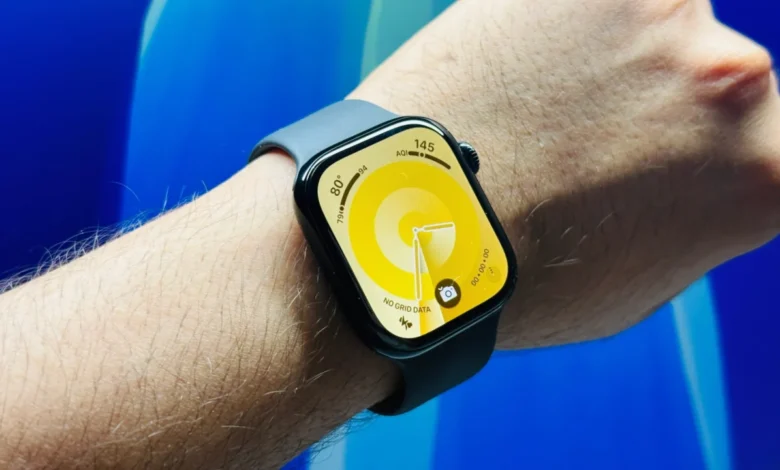
These days, the real battleground between smartwatches is who can turn a wrist-worn, sensor-loaded device into something that resembles a personal fitness trainer, and this year’s crop of flagship wearables takes that fight more seriously than ever. Samsung just refreshed its mainstream Galaxy Watch line with new silicon and a batch of clinically-backed health tools, landing squarely on Apple’s home turf of preventive wellness tracking. Apple, for its part, has spent the better part of a year letting its Series 11 sit as the reigning pick for anyone inside its ecosystem, propped up by a software catalog few rivals match feature-for-feature. Pit these two against each other, and the decision stops being about brand loyalty and starts hinging on which company actually engineered the sharper piece of hardware for your wrist, coupled with the most insightful software experience.
The Evolving Landscape of Wearable Technology
The journey of smartwatches from mere notification hubs to sophisticated health companions has been remarkable. Initially seen as tech novelties, these devices have rapidly integrated into daily life, driven largely by their burgeoning health and fitness capabilities. Early models focused on step counting and basic heart rate monitoring, but the industry has since pivoted dramatically towards comprehensive biometric tracking, personalized coaching, and even life-saving emergency features. This shift reflects a broader societal trend towards proactive health management and preventive care, with wearable technology positioned at the forefront of this revolution. Both Samsung and Apple have been instrumental in this evolution, consistently pushing the boundaries of what a wrist-worn device can achieve in health and wellness.
Samsung, historically a strong contender in the Android ecosystem, has made significant strides in recent years to enhance its health offerings. Its transition from its proprietary Tizen OS to Google’s Wear OS, coupled with a renewed focus on AI and advanced sensor technology, signals a determined effort to challenge Apple’s dominance in the premium smartwatch segment. Apple, on the other hand, has built its reputation on seamless integration within its ecosystem, combining robust hardware with a deeply refined software experience that often sets industry benchmarks for accuracy and user-friendliness. The Apple Watch has become synonymous with advanced health features, including its FDA-cleared ECG app and groundbreaking safety functionalities.
A Chronology of Innovation and Competition
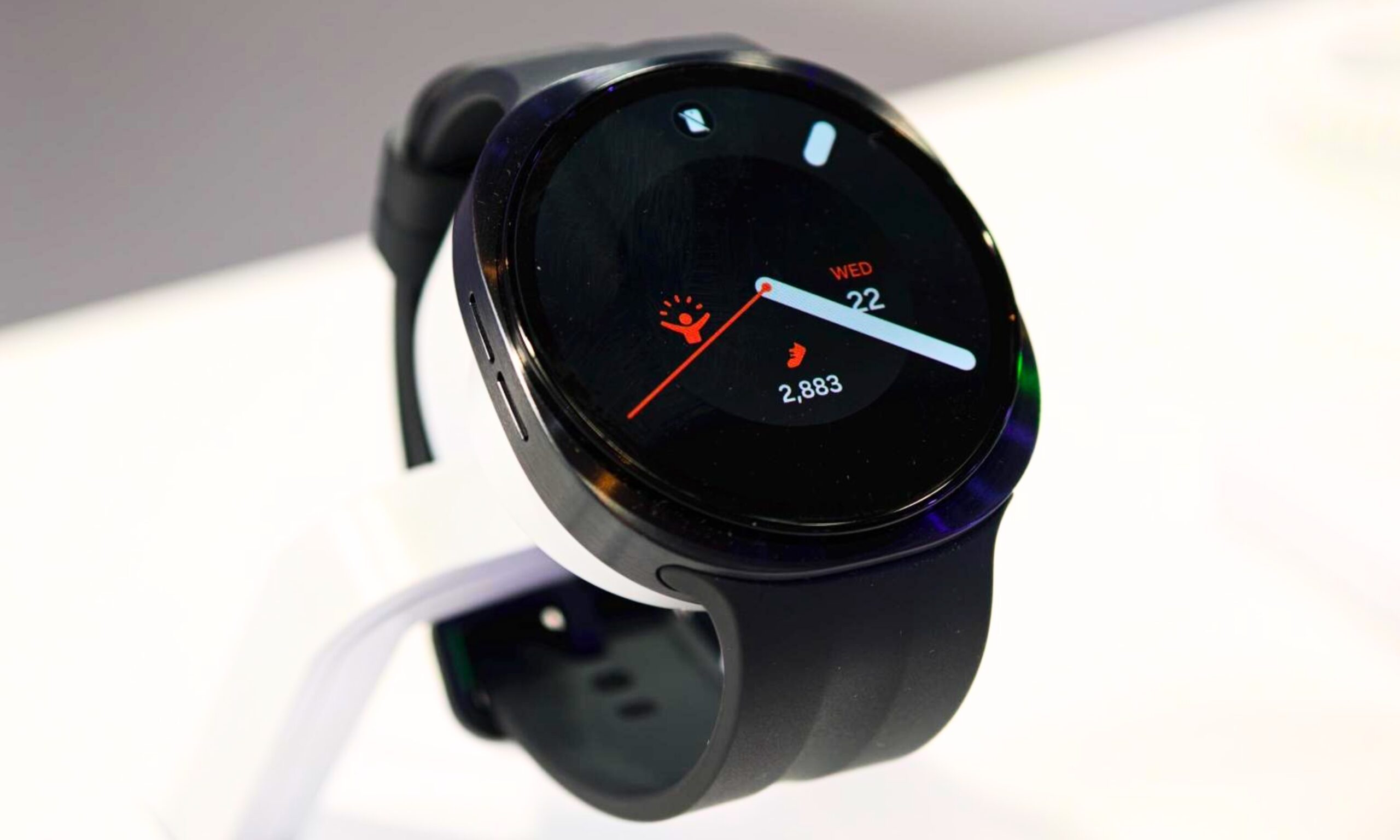
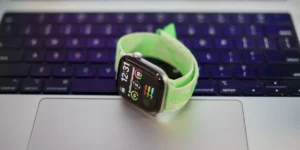
The competitive dynamic between Samsung and Apple in the smartwatch market has been a continuous saga of innovation. Apple introduced the first Apple Watch in 2015, quickly establishing a strong foothold by leveraging its vast iPhone user base and a growing ecosystem of apps. Subsequent iterations brought incremental but significant improvements, notably the introduction of GPS, water resistance, cellular connectivity, and critically, advanced health sensors like the electrical heart sensor for ECG readings and fall detection. The Apple Watch Series 11, announced on September 9, 2025, and released on September 19, 2025, represents the culmination of nearly a decade of refinement, offering a mature and deeply integrated experience.
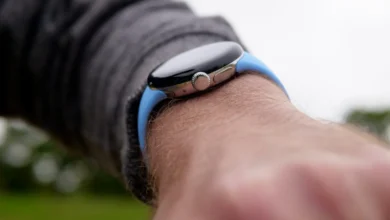
Samsung’s smartwatch journey began earlier with devices like the Galaxy Gear, but it found its stride with the Galaxy Watch line, particularly after embracing Wear OS in partnership with Google. This strategic move allowed Samsung to tap into a broader app ecosystem and leverage Google’s platform expertise. The Galaxy Watch 9, announced on July 22, 2026, and set for release on August 7, 2026, is Samsung’s latest offensive, arriving nearly a year after Apple’s Series 11. This timing allows Samsung to incorporate newer hardware advancements and respond to market trends that have emerged over the past year. The nearly 11-month gap means Samsung can offer more contemporary specifications, potentially at a more competitive price point, effectively leapfrogging some of Apple’s existing hardware.
Pricing and Availability: A Dynamic Market
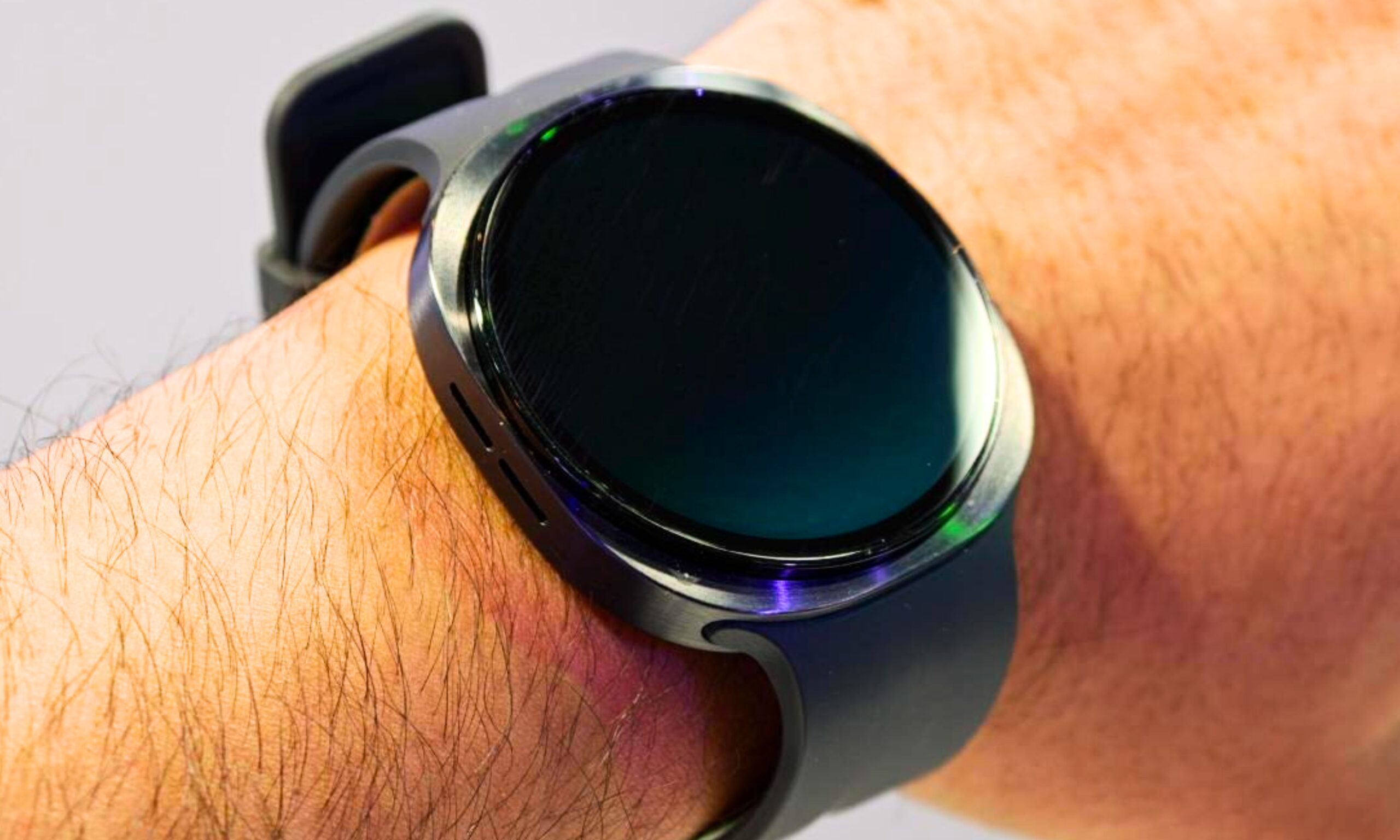
The cost comparison between these two flagship smartwatches is intricate, primarily due to their staggered launch dates and differing market conditions. The Apple Watch Series 11 debuted at a starting price of $399 last September (for the GPS, aluminum model), with higher-tier titanium and cellular versions reaching $699. Given its time on the market, the Series 11 has likely seen various discounts from retailers, making its effective street price potentially lower than its original MSRP.
In contrast, the Samsung Galaxy Watch 9 launches today at $379.99 for the Bluetooth model, with the LTE variant priced at $429.99. This undercuts Apple’s original list price by a modest yet significant $20, positioning the Galaxy Watch 9 as a value-driven alternative, especially considering its newer internal components. This aggressive pricing strategy from Samsung suggests a clear intent to capture market share and appeal to consumers looking for cutting-edge technology without the absolute premium price tag. For the budget-conscious, the Galaxy Watch 9 offers a compelling proposition from day one, while the Apple Watch Series 11’s value proposition depends heavily on ongoing retail promotions.
| Galaxy Watch 9 | Apple Watch Series 11 | |
|---|---|---|
| Starting Price (US) | $379.99 (Bluetooth), $429.99 (LTE) | $399 (GPS, aluminum), $699 (Titanium, cellular) |
| Case Sizes | 40mm, 44mm | 42mm, 46mm |
| Announced | July 22, 2026 | September 9, 2025 |
| Released | August 7, 2026 | September 19, 2025 |
| Colors | 40mm: Graphite, Cream; 44mm: Graphite, Silver | Slate, Gold, Natural (titanium); additional aluminum finishes vary by retailer |
Hardware Prowess: Samsung’s Measurable Edge

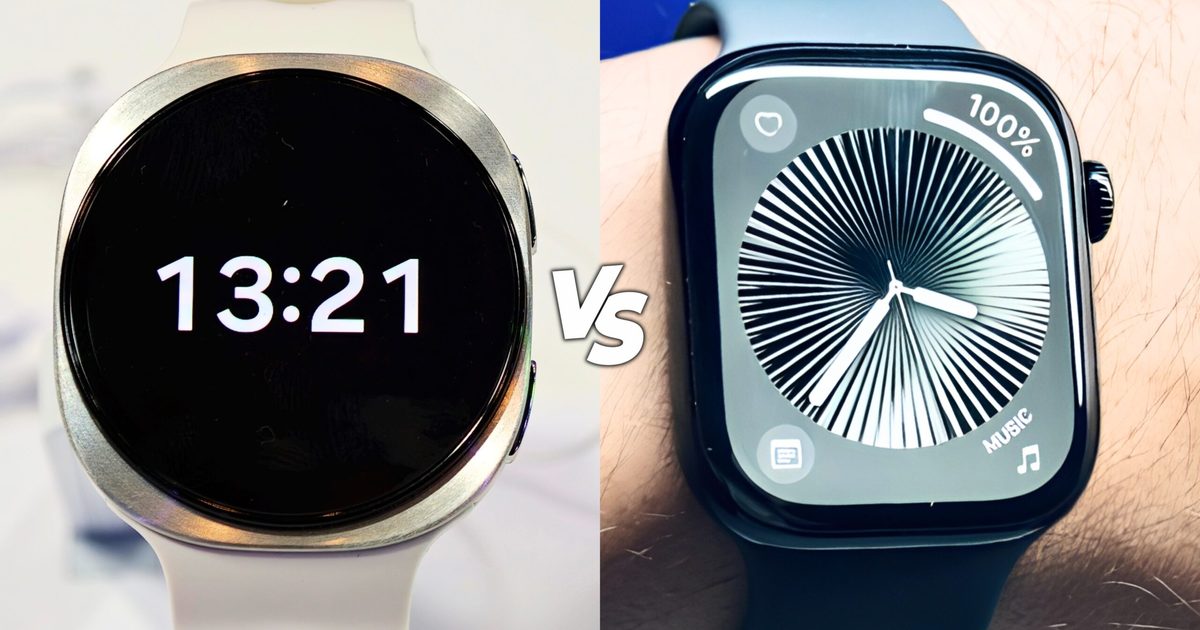
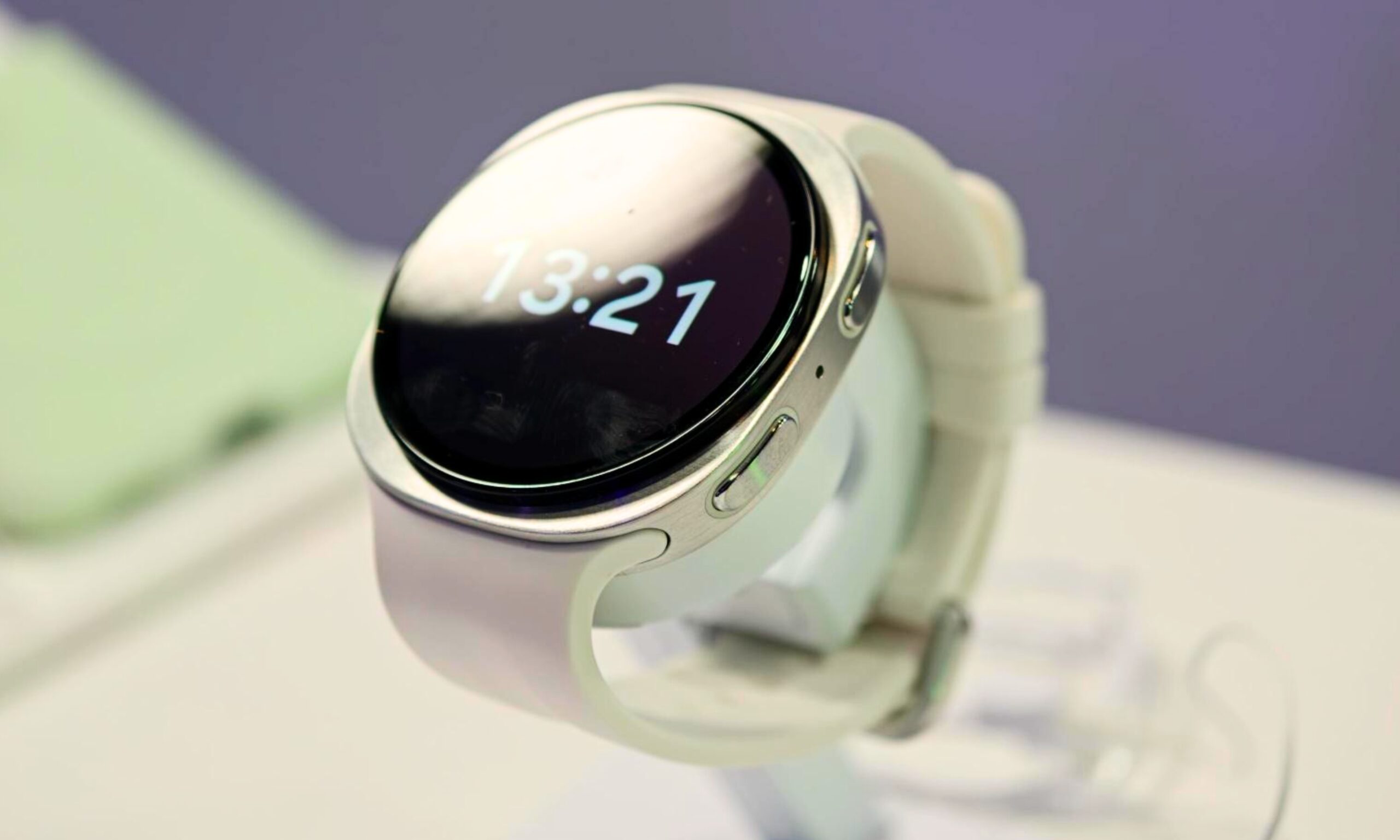
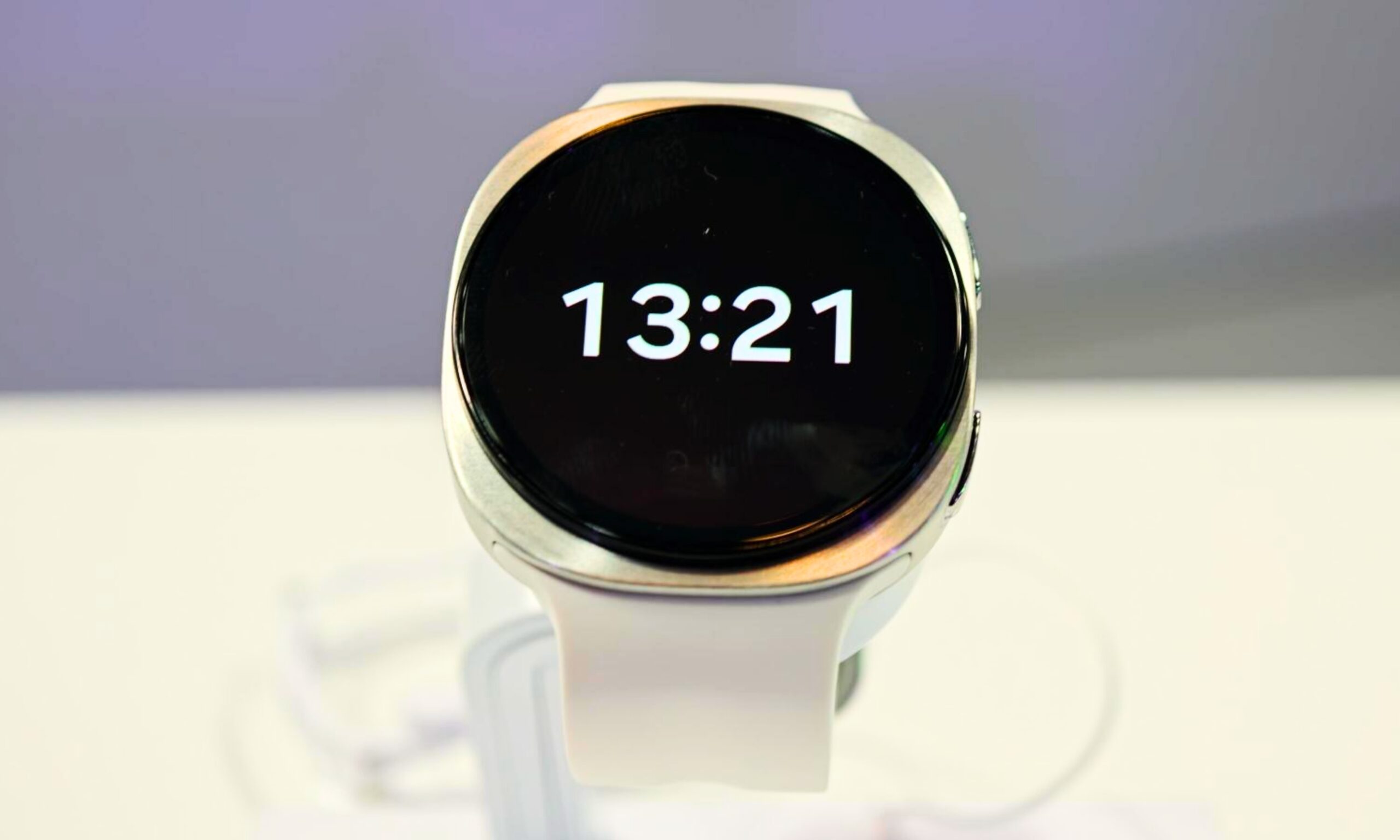
The Galaxy Watch 9 arrives with a distinct hardware advantage, a direct benefit of its later release date. One of its most striking features is the circular Super AMOLED display, which boasts an impressive 3,000 nits of peak brightness. This significantly surpasses the Apple Watch Series 11’s 2,000 nits LTPO3 OLED display, translating directly into superior visibility under harsh sunlight, a critical factor for outdoor activities and general readability. The vibrant colors and deep blacks inherent to AMOLED technology, combined with the Full Color Always-On Display (AOD), promise an excellent visual experience. The larger display sizes, 1.34 inches for the 40mm and 1.47 inches for the 44mm, offer ample screen real estate.
Beyond the display, Samsung has upgraded its GPS capabilities to L1 + L5 dual-frequency, a crucial improvement for accuracy. While Apple’s Series 11 relies on single-frequency L1 positioning, the dual-frequency system in the Galaxy Watch 9 mitigates location drift in challenging environments such as dense urban canyons, mountainous terrain, or areas with poor satellite coverage. This enhanced precision is invaluable for runners, hikers, and cyclists who rely on accurate route tracking. The Galaxy Watch 9 also features Bluetooth v6.0, an upgrade from the Series 11’s v5.3 standard, offering slightly better range and potentially improved power efficiency.
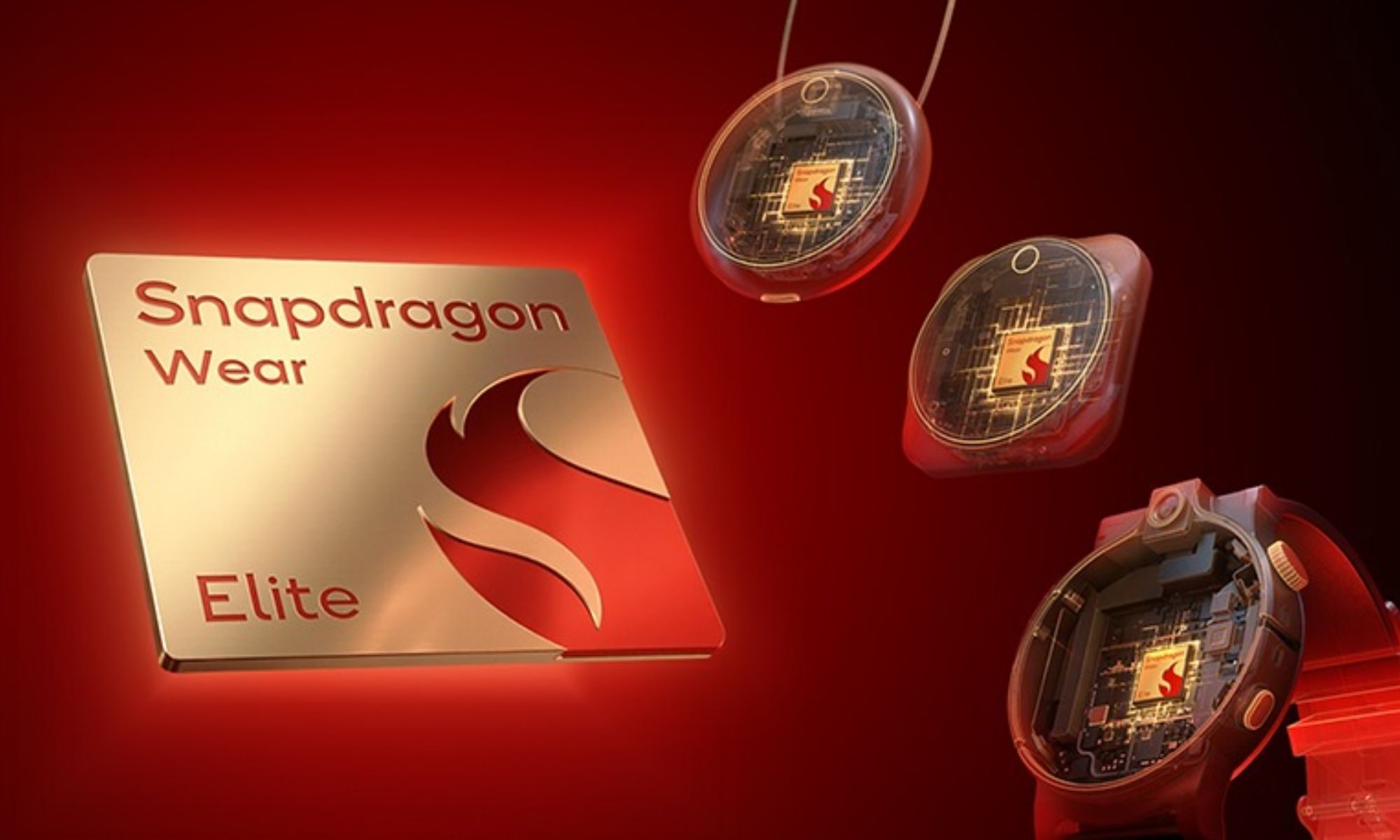
Perhaps the most significant hardware leap for Samsung is the complete overhaul of its internal silicon. Ditching its older in-house Exynos processors, the Galaxy Watch 9 is powered by the new Qualcomm Snapdragon Wear Elite (SDW6100) platform. This penta-core chip, built on an advanced 3nm process, promises substantial gains in performance and power efficiency. The smaller fabrication process allows for more transistors in a smaller area, leading to faster processing, smoother graphics, and more responsive on-device AI capabilities. This contrasts with Apple’s S10 dual-core chip, which, while highly optimized for watchOS, is based on an older architecture. The Snapdragon Wear Elite’s multi-core design and 3nm efficiency suggest that interactions, app launches, and complex sensor data processing on the Galaxy Watch 9 should feel exceptionally fluid. This also directly impacts the device’s ability to run advanced AI models locally, reducing reliance on cloud processing and enhancing privacy.
Health and Wellness: Samsung’s AI-Powered Approach
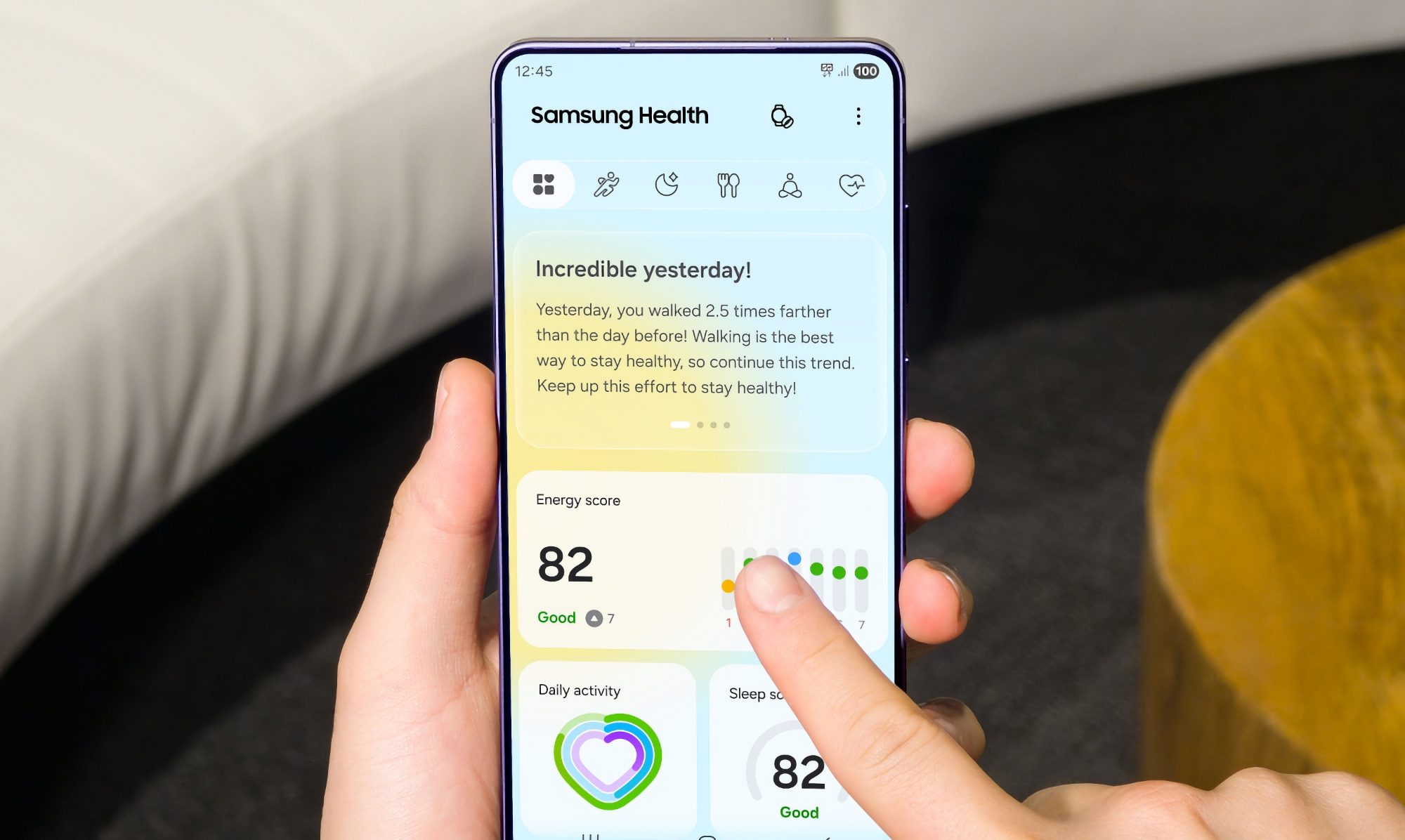
Samsung’s biggest differentiator in 2026, building on its hardware foundation, is how the smartwatch interprets and presents health data, leveraging the new Snapdragon Wear Elite’s AI capabilities. The enhanced health suite, powered by One UI 9 Watch (based on Wear OS 7), introduces a host of features designed to provide insightful and actionable health metrics.
Key additions include the Heart Health Score, a consolidated cardiovascular wellness score that distills complex heart data into an easy-to-understand number with personalized recommendations. Daily Cardio Load measures training volume and exertion relative to past workouts, helping users optimize their exercise routines and avoid overtraining. The Fitness Index provides an assessment of aerobic capacity, offering a benchmark for overall fitness levels. These features move beyond raw data presentation, aiming to deliver meaningful insights that guide users toward better health decisions.
At the heart of Samsung’s new health ecosystem is the Samsung Health Assistant. This AI-powered health coach utilizes data from multiple sensors to provide tailored guidance. For instance, it offers a personalized running coach with real-time targets, adapting suggestions based on performance and physiological responses. Real-time hydration guidance, calculated based on sweat loss relative to body weight, helps athletes maintain optimal fluid balance during strenuous activities. The Gemini AI assistant further augments this by offering more general intelligent assistance.
A unique hardware addition to the Galaxy Watch 9, which the Apple Watch lacks, is the BioActive Sensor. This advanced sensor combines Optical Heart Signal, Electrical Heart Signal, and Bioelectrical Impedance Analysis (BIA) to estimate body composition. This includes metrics like skeletal muscle mass, body fat percentage, total body water, and basal metabolic rate. This level of body composition analysis, typically requiring dedicated smart scales, is a significant feature for fitness enthusiasts and those tracking their overall body health.
Apple’s Mature Ecosystem: Software and Safety Excellence
While Samsung excels in raw hardware and new AI-driven health interpretations, the Apple Watch Series 11 maintains a formidable advantage in its sheer software maturity and the breadth and depth of its health and safety features. Apple has spent over a decade refining its watchOS experience, creating a cohesive and intuitive platform that deeply integrates with the iOS ecosystem.
The workout catalog alone on the Apple Watch dwarfs anything currently offered by Samsung. Beyond standard running, cycling, and swimming modes, the Series 11 provides dedicated tracking for a vast array of activities, including skiing, rowing, paddling, golf, High-Intensity Interval Training (HIIT), Pilates, tai chi, wheelchair workouts, and kickboxing. Crucially, each of these workouts receives specific metrics and algorithms, offering far more insightful data than generic activity logging. This specialization caters to a wider demographic of athletes and fitness enthusiasts.
For outdoor adventurers, the Apple Watch Series 11’s hiking support goes further still. It bundles offline topographic maps for thousands of national and regional parks, along with curated routes spanning all 63 U.S. national parks. The automatic backtrack navigation feature is a genuinely differentiated offering, allowing users to retrace their steps safely, even in unfamiliar terrain without cellular signal.

Apple’s health features are often considered the gold standard, backed by extensive clinical research and regulatory clearances. The ECG app, refined over 10 years, remains a trusted reference point for millions of users, capable of detecting signs of atrial fibrillation (AFib). WatchOS 27 (the expected upgrade for Series 11) brings enhanced Apple Intelligence features, including Hypertension Notifications to alert users to potential high blood pressure trends, an AI Workout Buddy offering real-time fitness coaching, and intelligent sleep scoring for deeper insights into sleep patterns. The Apple Watch also supports GymKit integration, allowing seamless data synchronization with compatible gym equipment.
Safety features are a cornerstone of the Apple Watch experience, providing potentially life-saving capabilities. Crash Detection, Fall Detection, and international emergency calling offer critical support in emergencies. These features, leveraging advanced sensors and algorithms, can automatically alert emergency services and designated contacts if a user is incapacitated. Furthermore, Cycle Tracking, with its retrospective ovulation estimates, and a dedicated Medications app, add significant utility, particularly for women’s health and medication management, areas where Samsung does not directly counter feature-for-feature with comparable depth.
For those interested in recreational water sports, the Watch Series 11 offers built-in features that Samsung typically reserves for its more expensive Ultra line. It ships with a built-in depth gauge rated to six meters and a dedicated water temperature sensor, making it ideal for swimming, snorkeling, and other shallow-water activities without needing a specialized dive computer.
The tactile interaction experience provided by the Digital Crown on the side of the Apple Watch remains a key differentiator. It allows for precise scrolling, zooming, and navigation through the watch interface, enhancing usability. If reliance on third-party apps, smart home controls, payments, fitness services, or productivity tools is a priority, Apple’s ecosystem still offers a richer and more expansive selection. The inherent trade-off, however, is Apple’s "walled garden" approach; none of these features or the Watch itself function without an iPhone.
Technical Specifications: A Closer Look
| Spec | Galaxy Watch 9 | Apple Watch Series 11 |
|---|---|---|
| Dimensions | 40mm: 42.7 x 40.4 x 8.6mm; 44mm: 46.0 x 43.7 x 8.6mm | 42mm: 42 x 36 x 9.7mm; 46mm: 46 x 39 x 9.7mm |
| Weight | 40mm: 31.5g; 44mm: 34.0g | 42mm: 30.3g (GPS aluminum); 46mm: 37.8g (GPS aluminum), up to 43.1g (titanium) |
| Display | Sapphire Crystal, Super AMOLED, Full Color AOD, up to 3,000 nits; 40mm 1.34″ (438×438), 44mm 1.47″ (480×480) | LTPO3 OLED, wide-angle, Always-On, up to 2,000 nits peak, 1 nit minimum, 326ppi |
| Chipset | Qualcomm Snapdragon Wear Elite (SDW6100), Penta-core, 3nm | Apple S10, dual-core, PowerVR GPU |
| Memory/Storage | 2GB RAM + 32GB storage | 64GB storage |
| Battery | 44mm: 445mAh; 40mm: 390mAh | Up to 24 hours normal use, up to 38 hours Low Power Mode |
| Charging | WPC-based fast wireless charging | 0-80% in ~30 min; 15-min charge yields 8 hrs use, 5-min charge yields 8 hrs sleep tracking |
| OS | Wear OS 7, One UI 9 Watch | watchOS 26 (up to 26.5), upgrading to watchOS 27 |
| Connectivity | LTE, Bluetooth 6.0, Wi-Fi 2.4GHz+5GHz, NFC, L1+L5 dual-frequency GPS, GLONASS/Galileo/BDS | Wi-Fi 802.11 b/g/n dual-band, Bluetooth 5.3, GPS L1, GLONASS/Galileo/QZSS/BDS, 2nd-gen Ultra Wideband |
| Sensors | BioActive Sensor (Optical + Electrical Heart Signal + Bioelectrical Impedance), Temperature, Accelerometer, Barometer, Gyro, Geomagnetic, Light | High-g accelerometer, HDR gyroscope, heart rate, barometer, always-on altimeter, compass, SpO2, VO2max, body/water temperature, ambient light, 6m depth gauge |
| Water/Dust Resistance | 5ATM+ / IP68 / MIL-STD-810H | 50m water resistant (swimproof) / IP6X dust / MIL-STD-810H compliant |
| Build | Sapphire Crystal glass front, aluminum frame | Sapphire crystal front + ceramic/sapphire back (titanium); Ion-X glass (aluminum); titanium frame, grade 5 |
| Cellular Support | LTE | LTE, plus RedCap 5G on select cellular models |
| Phone Compatibility | Android 13.0+ with 1.5GB+ memory, Google Mobile Services required | iPhone required |
The spec sheet reveals key differences. The Galaxy Watch 9’s newer 3nm Snapdragon Wear Elite chipset with a penta-core architecture is a significant upgrade over Apple’s S10, potentially offering superior raw processing power and AI capabilities. Samsung’s inclusion of 32GB storage alongside 2GB RAM is standard, while Apple doubles the storage to 64GB, appealing to users who store a lot of music or apps on their watch. Battery capacities are slightly different, with Samsung’s 445mAh (44mm) and 390mAh (40mm) units, while Apple quotes usage times up to 24 hours (normal) and 38 hours (Low Power Mode), suggesting comparable real-world endurance.
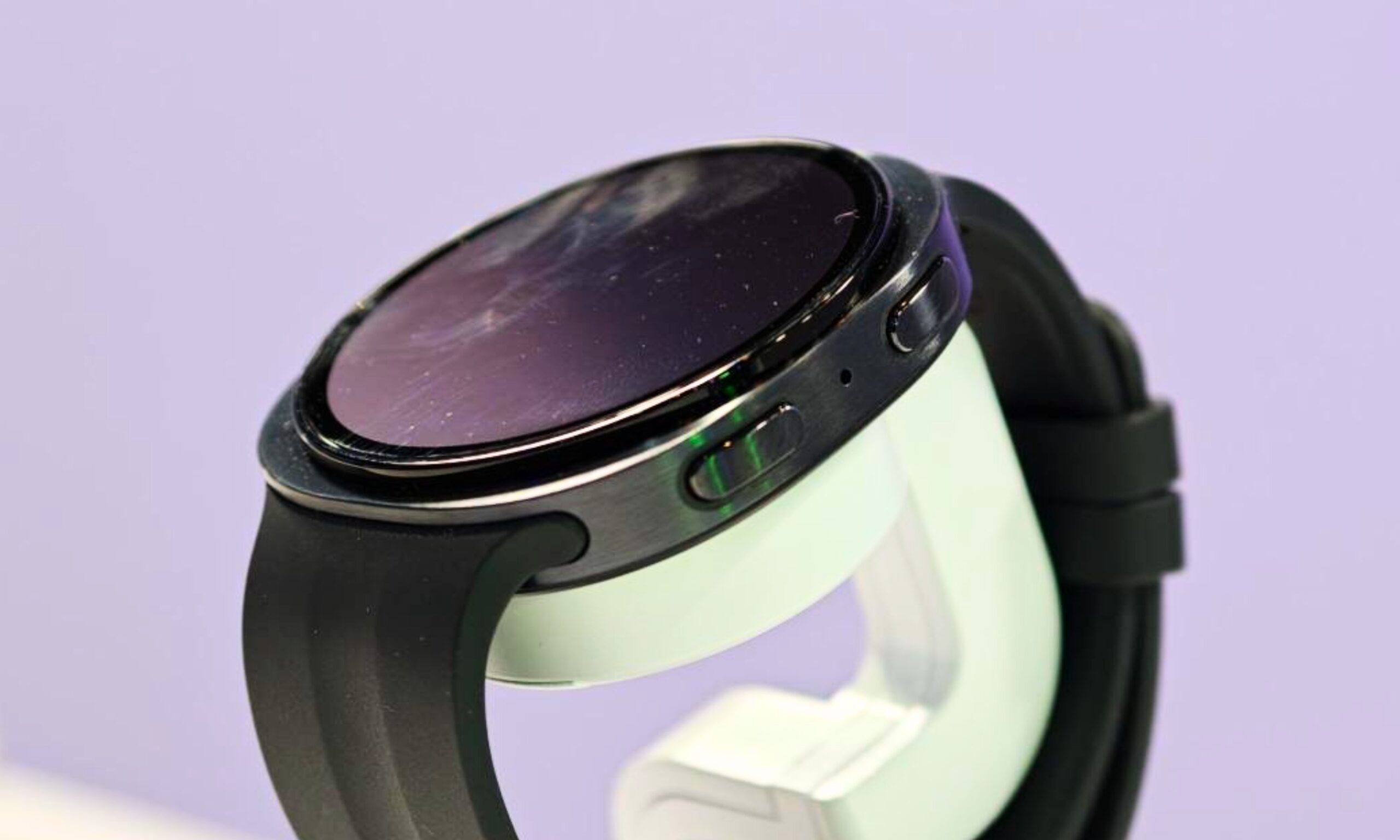
Connectivity-wise, Samsung’s Bluetooth 6.0 and dual-frequency GPS are technically superior. Apple’s second-generation Ultra Wideband (UWB) chip, however, offers enhanced precision finding capabilities for other UWB-equipped devices, a unique ecosystem advantage. Both watches feature robust water and dust resistance ratings (5ATM/IP68 for Samsung, 50m/IP6X for Apple) and MIL-STD-810H compliance for durability.
Broader Implications and Market Impact
The intense rivalry between Samsung and Apple in the smartwatch sector has profound implications for the broader wearable technology market and, more importantly, for consumers. This competition fuels rapid innovation, as each company strives to outdo the other in hardware performance, software intelligence, and health tracking capabilities. For consumers, this translates into a richer array of features, more accurate health insights, and increasingly sophisticated devices that genuinely assist in managing personal wellness.

Industry analysts observe that Samsung’s aggressive pricing and hardware advancements, particularly the shift to Qualcomm’s 3nm Snapdragon Wear Elite, could put significant pressure on Apple. "Samsung is clearly aiming to disrupt Apple’s premium standing by offering cutting-edge specs at a slightly lower price point," notes one market analyst. "This move not only challenges Apple directly but also sets a new benchmark for what consumers expect from an Android smartwatch."
Conversely, Apple’s established ecosystem, robust app library, and clinically validated health features continue to be a powerful draw. "Apple’s strength lies in its maturity and seamless integration," explains another expert. "Their safety features like Crash Detection and the long-standing reliability of their ECG app are not easily replicated and resonate deeply with users prioritizing peace of mind and comprehensive health monitoring."
The increasing integration of AI, from Samsung’s Gemini AI assistant and Health Assistant to Apple’s forthcoming Siri AI and Apple Intelligence features, signals a future where smartwatches become even more personalized and predictive health coaches. This evolution moves beyond mere data collection to offering actionable insights and proactive health management. The inclusion of bundled trial subscriptions for fitness services like Strava and iFIT with the Galaxy Watch 9 also reflects a growing trend towards value-added services in the wearable market.

Which Watch is Better for You?
Ultimately, the choice between the Galaxy Watch 9 and the Apple Watch Series 11 remains heavily influenced by your existing smartphone ecosystem. This is the primary, non-negotiable factor. If you own an Android phone, especially a Samsung Galaxy device, the Watch 9 is the logical and superior choice, offering seamless integration with Samsung’s ecosystem and services. Conversely, if you are an iPhone user, the Apple Watch Series 11 isn’t just the better option; it’s practically the only option for a fully integrated experience, due to Apple’s tightly controlled ecosystem.
However, for the rare user who owns both a Samsung Galaxy smartphone and an iPhone, or for someone looking to choose an entire smartphone ecosystem from scratch, the decision becomes more nuanced and feature-dependent:

| Buy the Galaxy Watch 9 if… | Buy the Apple Watch Series 11 if… |
|---|---|
| You own an Android phone (non-negotiable). | You own an iPhone (non-negotiable). |
| Display brightness (3,000 nits) and dual-frequency GPS accuracy matter most for outdoor use. | An extensive workout variety, dedicated activity tracking, and hiking-specific features are priorities. |
| You want the newer, 3nm Snapdragon Wear Elite chip at a lower starting price. | You want built-in recreational dive features (depth gauge, water temp) without needing an Ultra-tier watch. |
| Simplified, score-based health metrics (Heart Health Score, Daily Cardio Load) and body composition analysis appeal to you. | Comprehensive safety features like Crash Detection, Fall Detection, and emergency calling are paramount. |
| You value real-time AI-powered health coaching (Samsung Health Assistant, Gemini AI) available immediately. | A mature, clinically validated ECG app and robust women’s health tracking are important. |
From a purely hardware and volume-of-features perspective, Samsung’s Galaxy Watch 9 presents a compelling argument this year. Its newer silicon, brighter display, superior GPS, and comprehensive BioActive Sensor, coupled with an AI-driven health assistant, offer a potent package. The Watch Series 11, meanwhile, continues to win at general fitness monitoring, outdoor activity tracking, and deep, secure integration with iOS, supported by a mature app ecosystem and critical safety features. The presence of Samsung’s Gemini AI assistant at launch also gives it an edge over Apple’s Siri AI, which is slated to ship later in September 2026 for the Series 11. Ultimately, both devices represent the pinnacle of current smartwatch technology, each excelling in distinct areas, catering to the diverse needs of today’s health-conscious consumers.