Samsung Reportedly Developing Advanced Android XR Smart Glasses Featuring Color Microdisplays and Broad Field of View for Late 2027 Launch


Technology giant Samsung Electronics is reportedly scaling up its ambitions in the wearable technology sector by initiating the development of advanced smart glasses equipped with integrated color displays. Following its initial foray into voice-centric intelligent eyewear, industry reports suggest the South Korean multinational is setting its sights on a more immersive augmented reality experience, positioning itself to challenge emerging competitors in the rapidly growing extended reality (XR) hardware market.
According to industry intelligence published by Korean media outlet The Elec, Samsung has tasked its subsidiary, Samsung Display, with the development of ultra-small microdisplays tailored specifically for a future generation of artificial intelligence-powered smart glasses. While Samsung’s current generation of smart eyewear relies primarily on audio feedback, camera functionality, and voice-activated digital assistants, this new pipeline points toward a hardware architecture featuring visual display capabilities capable of projecting text, notifications, icons, and real-time navigation cues directly into the user’s field of vision.
The Chronology of Samsung’s Wearable Evolution
Samsung’s strategic pivot into smart eyewear has unfolded progressively over the past several years, marked by key partnerships and gradual product announcements.
In early 2024, industry anticipation grew as Samsung signaled its intention to re-enter the extended reality and smart glasses space, aligning with major technology counterparts like Meta, Apple, and Google. By the spring of the same year, Samsung officially unveiled collaborative efforts blending consumer electronics with high-end fashion, partnering with popular eyewear brands Warby Parker and Gentle Monster alongside software giant Google.
During the Google Unpacked event in the summer, software integration details were further clarified, confirming that upcoming intelligent eyewear would heavily leverage Google’s Gemini multimodal AI model to handle tasks ranging from hands-free photography to contextual environmental understanding and auditory navigation. These initial voice-first products were slated for a commercial rollout in the fall.
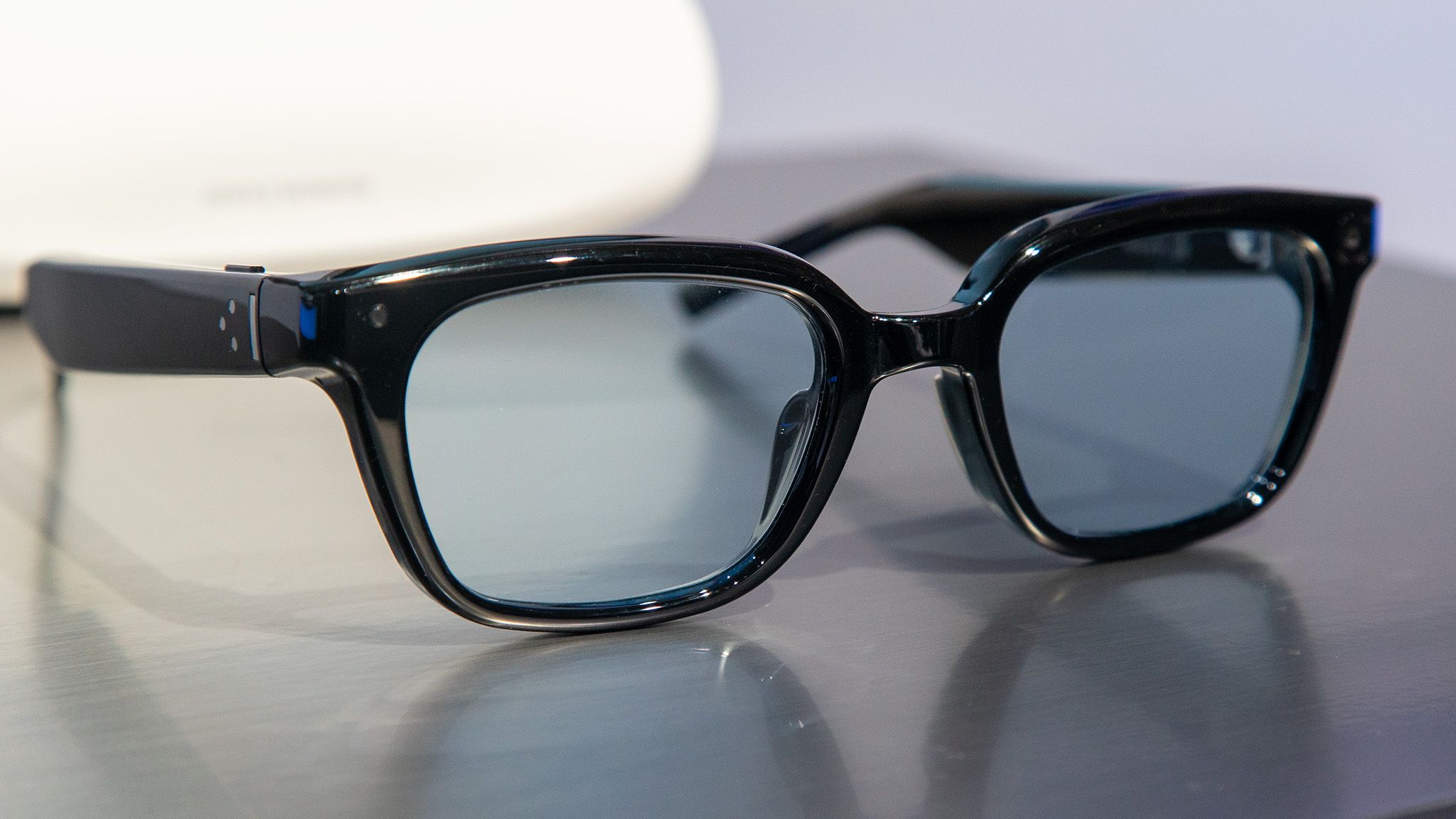
However, industry leaks indicate that development teams are already looking far beyond this initial launch window. The newly reported project centered around color microdisplays represents a second-wave hardware initiative. Supply chain sources cited in the reports suggest that mass production and commercial availability for these advanced display-equipped XR glasses are targeted for the second half of 2027 or early 2028, reflecting the substantial engineering timelines required for miniaturized consumer optics.
Engineering Hurdles and Technical Specifications
Developing head-mounted displays that maintain the form factor of conventional eyewear while offering functional visual output presents formidable manufacturing obstacles. Industry insiders highlight that Samsung’s primary engineering challenge lies in optimizing the Field of View (FOV).
To effectively present navigational directions, text messages, and application icons without obstructing the wearer’s natural vision or creating an overly bulky frame, engineers must balance optical clarity, brightness, and power efficiency within an extremely constrained physical space. Reports indicate that Samsung Display is focusing on sub-0.2-inch ultra-small display panels. These micro-panels must deliver high pixel density and luminance to remain legible under varying ambient lighting conditions, from dark indoor environments to direct sunlight outdoors.
Power management remains another critical hurdle. Integrating color screens into lightweight frames requires high-density batteries that do not compromise the aesthetic balance or comfort of the glasses during extended daily wear. Consequently, the collaboration between Samsung’s hardware engineering divisions and its display manufacturing arm is focused on achieving high optical efficiency alongside minimal thermal dissipation.
Competitive Landscape and Market Implications
Samsung’s rumored hardware trajectory places it in direct competition with rival technology ecosystems, most notably Meta Platforms. Meta has established a strong foothold in the AI-powered glasses market through its successful collaboration with Ray-Ban, and industry observers anticipate future iterations of Meta’s hardware line will likewise incorporate advanced visual display systems and neural interface bands designed to interpret subtle hand gestures for hands-free navigation.
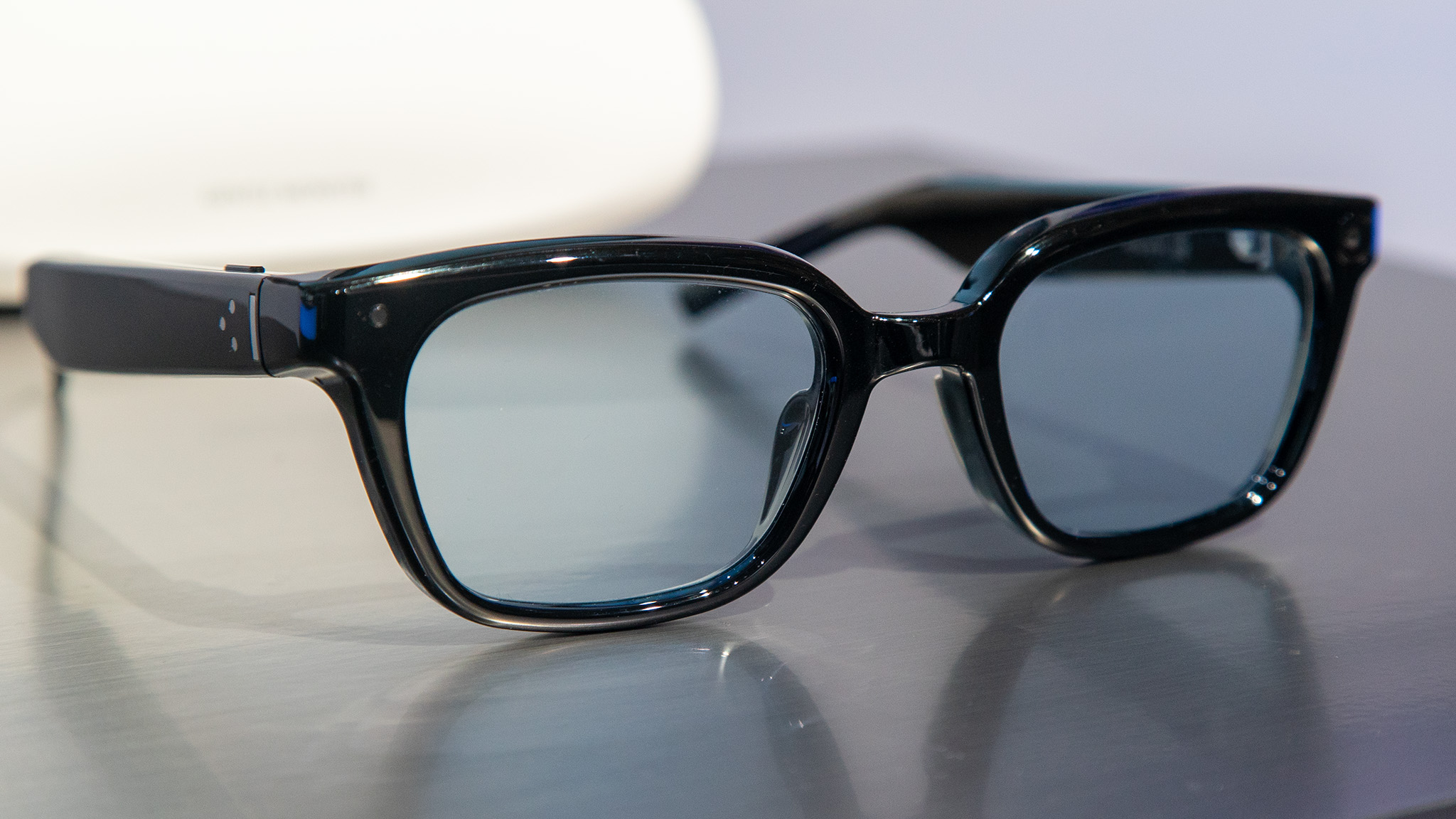
The broader XR market is experiencing a transitional phase as consumers and manufacturers shift away from bulky, fully enclosed virtual reality headsets toward lightweight, all-day wearable form factors. By combining fashion brands like Gentle Monster and Warby Parker with cutting-edge artificial intelligence via Google Gemini, Samsung is attempting to bridge the gap between consumer technology and mainstream fashion.
The introduction of a functional color display would fundamentally alter the value proposition of Samsung’s ecosystem. While audio-based assistants are sufficient for basic inquiries, reminders, and media playback, a visual interface enables context-aware computing—such as real-time translation overlays, turn-by-turn visual mapping, and glanceable notifications—that transforms smart glasses from simple accessories into genuine computing platforms.
Industry Analysis and Future Outlook
Market analysts note that while the 2027-2028 timeline for color display smart glasses allows Samsung adequate runway to refine its supply chain and overcome optical limitations, the consumer technology landscape moves rapidly. Competitors are heavily investing in micro-LED and micro-OLED technologies to achieve similar breakthroughs in weight reduction and visual fidelity.
As Samsung prepares to bring its initial wave of voice-driven intelligent eyewear to market in the coming months, consumer reception and developer adoption will likely serve as vital proving grounds. The success of these early audio-and-camera-centric devices will help gauge public appetite for face-worn computing, laying the groundwork for the more complex, display-integrated XR glasses currently taking shape within Samsung’s research and development laboratories.